
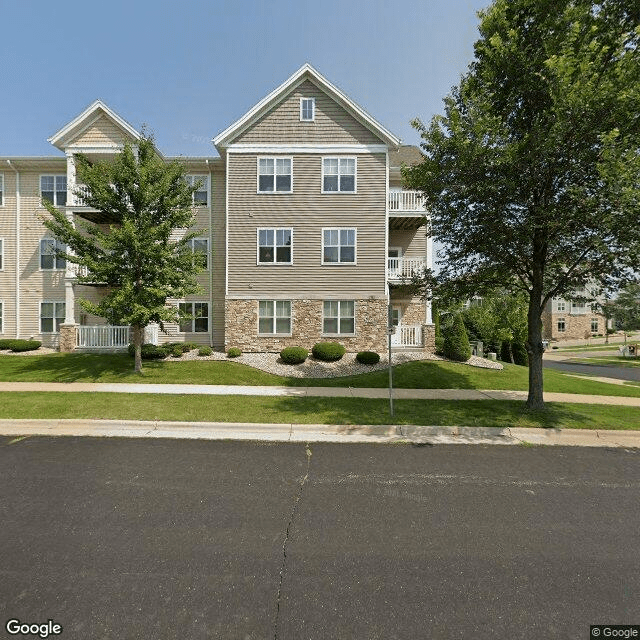
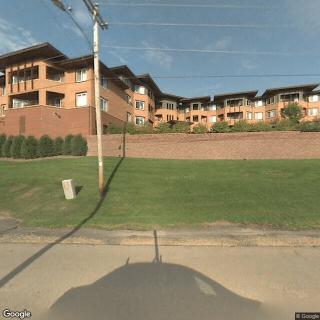
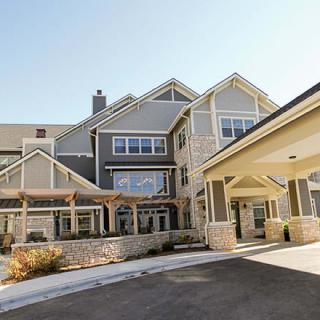
8202 Highview Drive, Madison, WI 53719
To contact a resident: (608) 827-2222
For more information about senior living options: (866) 208-4318
All Saints Retirement Center Costs & Pricing
All Saints Retirement Center offers competitively priced living options, with monthly costs significantly lower than both the county and state averages. For a one-bedroom unit, residents pay $850, a striking contrast to Dane County's average of $4,101 and Wisconsin's statewide figure of $3,412. Similarly, two-bedroom accommodations at All Saints are priced at $1,069, which is notably less than the county average of $4,345 and the state average of $3,111. This pricing structure not only highlights the affordability of All Saints Retirement Center but also underscores its commitment to providing accessible housing for seniors in a supportive community environment.
| Floor plans | All Saints Retirement Center | Dane County | Wisconsin |
|---|---|---|---|
| 1 Bedroom | $850 | $4,101 | $3,412 |
| 2 Bedrooms | $1,069 | $4,345 | $3,111 |
Senior living communities with a similar price nearby
-
from +$95 / mo

Tallgrass Senior Living
$945 to $2,483 / month18.3 miles away -
from -$135 / mo
Westminster Senior Housing
$715 to $810 / month12.7 miles away -
from +$40 / mo
Sherman Glen
$890 to $1,035 / month8.9 miles away -
from -$100 / mo
Prairie Oaks Senior Housing II
$750 / month3.6 miles away -
from -$100 / mo
Middleton Glen Inc.
$750 to $1,600 / month3.9 miles away
Overall Review of All Saints Retirement Center
Pros
 The 55-plus community is highly appealing to residents.
- Residents love this place.
- It is a great place to live.
- The community offers abundant amenities and planned activities, and residents are very friendly.
- The staff provides good service and the front lobby features a charming bird cage.
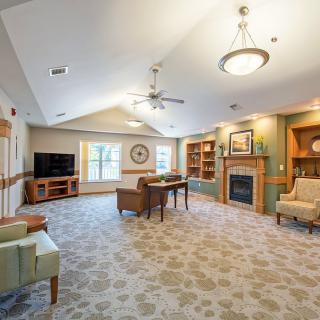
- The building has everything residents need inside and is clean and well kept.
Cons
 There was a lengthy waiting list for a one-bedroom apartment, preventing immediate occupancy.
- They disliked the location and felt the building’s hallways were large and long, making the place feel too spread out and not really like a home.
Review
All Saints Retirement Center is best suited for socially engaged seniors who want an active, amenity-rich independent living environment and are comfortable with waiting lists while staying close to a robust community. The property functions as a 55-plus setting where residents can connect through a steady cadence of organized activities, clubs, and casual drop-ins, making it ideal for someone who values friendship networks and ongoing stimulation more than a compact, single-family feel. Families should recognize that this is a campus-like setup designed to keep residents engaged, with the option to transition toward assisted living on site if needed down the line. Those who prize a sense of belonging and heavy resident-to-staff communication will find this community compelling and reassuring.
If immediate occupancy or a smaller, cozier footprint is the priority, alternatives deserve serious consideration. The community’s popularity translates into a long wait for a one-bedroom unit, typically two to three years, so anyone needing a quick move should look elsewhere. Some buyers may also prefer a more compact or homey footprint with shorter hallways and a more intimate feel. Location considerations matter as well; several families note that, for some needs, the surrounding geography or the layout can feel less home-like than expected. In short, those who require rapid availability or a different residential vibe should evaluate other options before committing to All Saints.
The upside rests on a richly textured program slate and a clearly engaged resident culture. Pros consistently highlighted include plentiful activities, social events, and accessible entertainment, from community games and crafts to guest speakers and in-house programs. The staff and management are repeatedly described as friendly, responsive, and communicative, with a track record of keeping the facility clean, well maintained, and orderly. Residents often form durable friendships, creating a supportive social fabric that makes daily life feel secure and rewarding. For families, the ability to access meals through the on-site assisted living option adds a practical bridge as independence evolves.
Yet certain drawbacks accompany the strong positives. The most salient con is the waiting period for a unit, which can be a deal-breaker for those who must relocate quickly. Others may find the layout less intimate than desired; long hallways and a spread-out footprint can dilute the homey atmosphere some seniors seek. While independence is the default, the facility’s design emphasizes a campus feel over a small-house experience, which may not suit every personality or mobility pattern. And while there is a path to assisted living, this is still primarily an independent living community, so expectations around immediate care needs should be calibrated accordingly.
The key pros offset the main cons in meaningful, practical ways. The high level of activity and ongoing social opportunities directly counterbalance the potential sense of fragmentation that comes with a large, spread-out building. The steady calendar of events reduces isolation risk and sustains a visible community presence, which can soften the sting of a long wait. The on-site assisted living pathway provides a clear route for care escalation without uprooting the resident, and staff responsiveness helps families feel informed during changes in health or routine. Above all, the 4.8 rating across numerous reviews signals that the overall experience delivers reliability, safety, and value that many families are seeking in a retirement setting.
For families weighing the decision, the practical verdict centers on timing, priorities, and projected care needs. If the aim is a vibrant, connected retirement with abundant programming and the willingness to live with a wait, All Saints stands out as a top-tier option in Madison. Prospective residents should plan ahead for the wait, request a thorough tour focused on hallway length, apartment size, and overall atmosphere, and confirm how the on-site assisted living options would integrate with long-term planning. Compare this community against alternatives that offer quicker access or a cozier footprint, and map out a contingency plan should care needs accelerate. When social vitality and structured activity are non-negotiable, this is a compelling, well-regarded choice.
 Active Adult Communities (55+)
 Cats allowed
 Activities off-site
 Bath tubs
 Beautician on-site
 Devotional services off-site
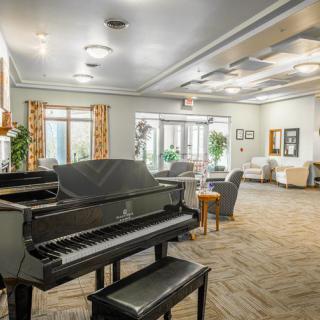
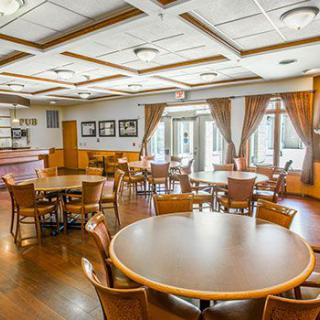
 Indoor common areas
 Outdoor common areas
 Respite or short term stays offered
 Wheelchair accessible showers
 Dane County Regional (11 miles away)



 Weight Training for Seniors: Building Strength and Vitality
 Understanding the Sandwich Generation: Stress and Responsibilities for Multigenerational Caregivers
 8 Essential Assistive Devices for Older Adults