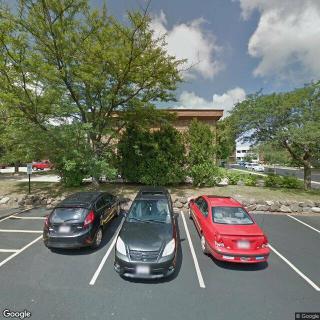
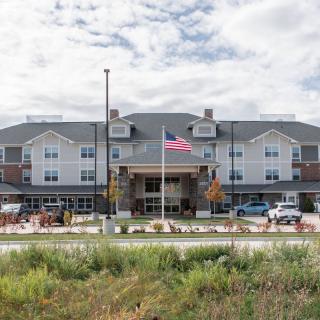
8210 Highview Drive, Madison, WI 53719
For more information about senior living options: (866) 208-4318
Overall Review of All Saints Memory Care
Pros
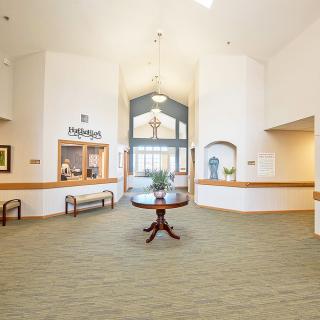
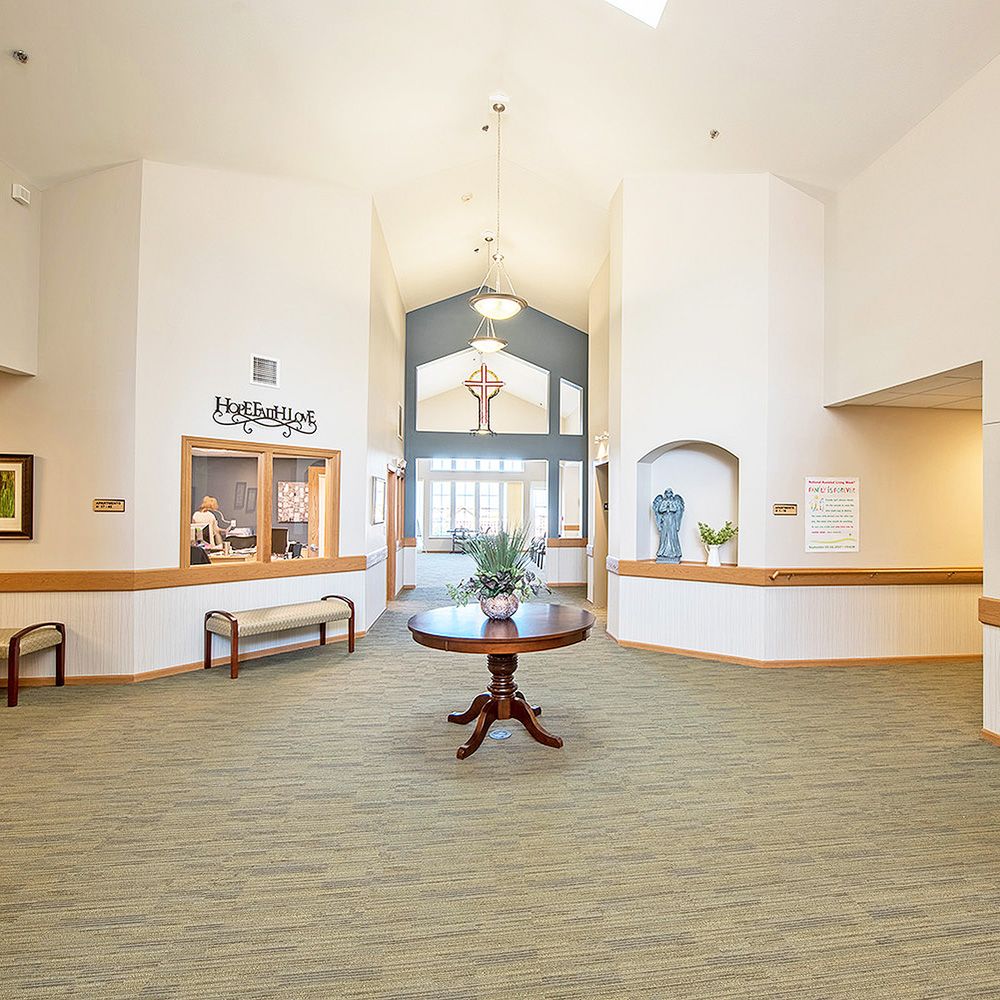
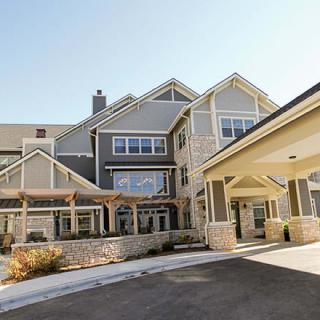
 All Saints Memory Care is described as beautiful and faith-centered, offering daily Mass and sacraments.
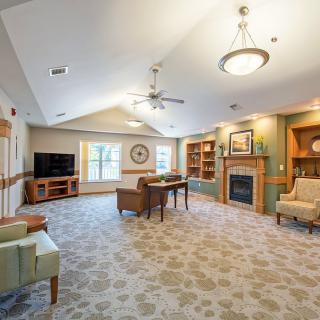
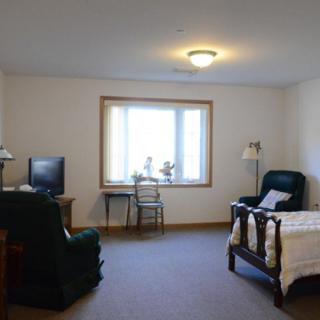
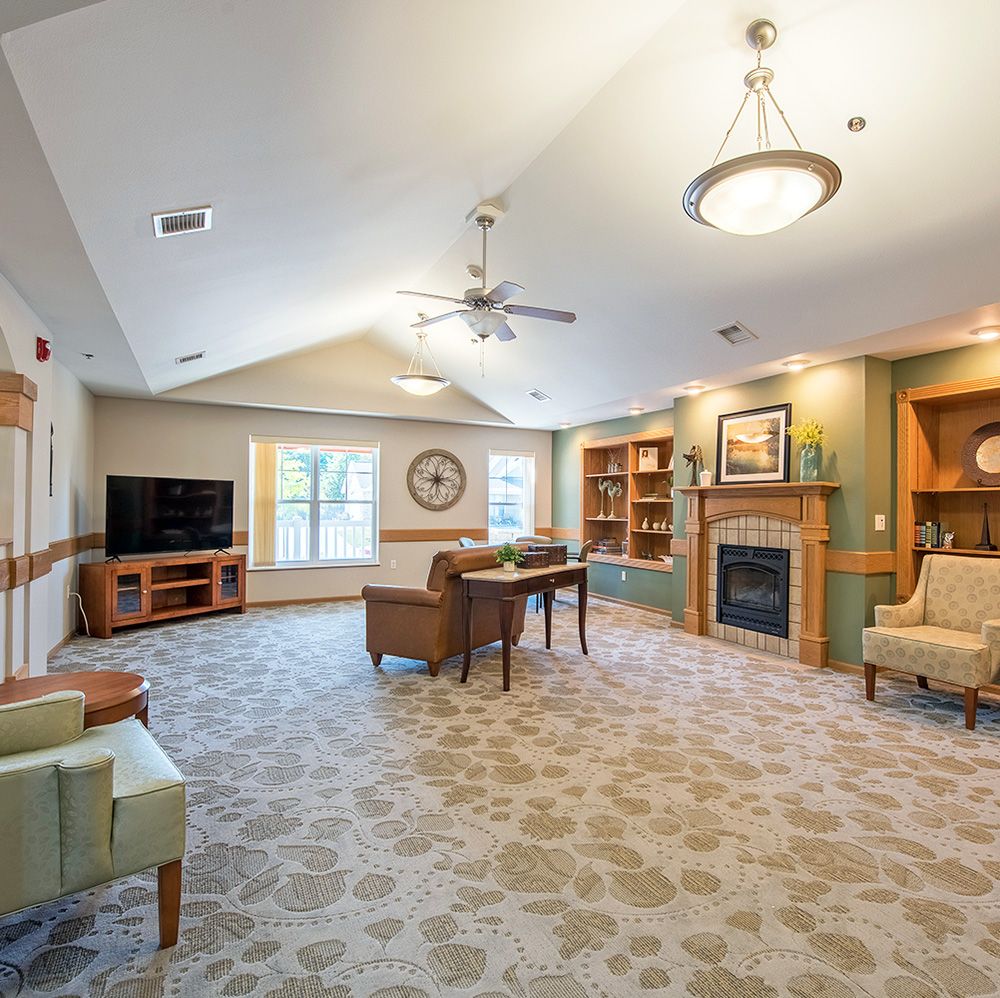
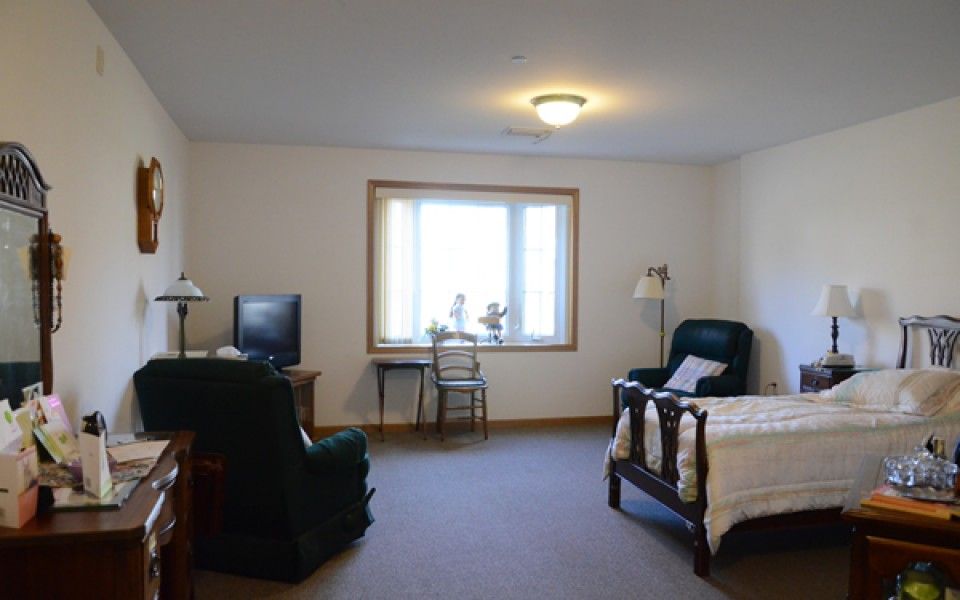
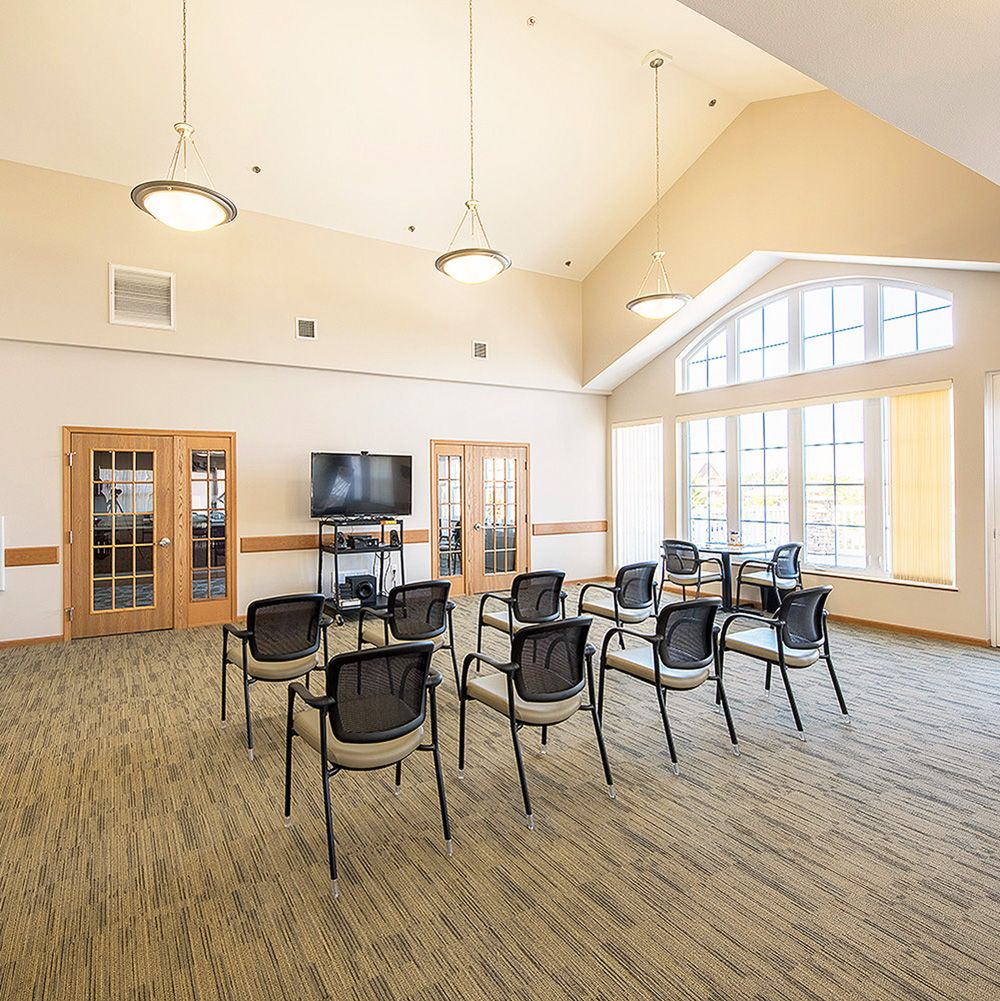
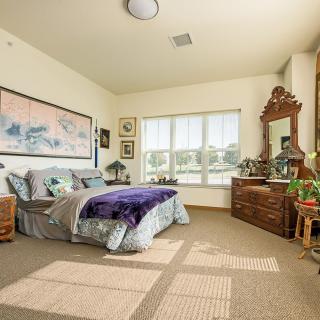
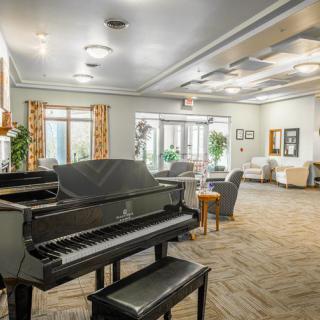
 - Residents enjoy well-appointed living spaces, including a full living room, bedroom, bathroom, and kitchen features.
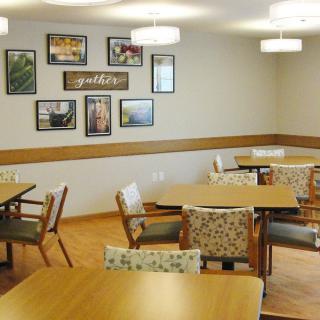
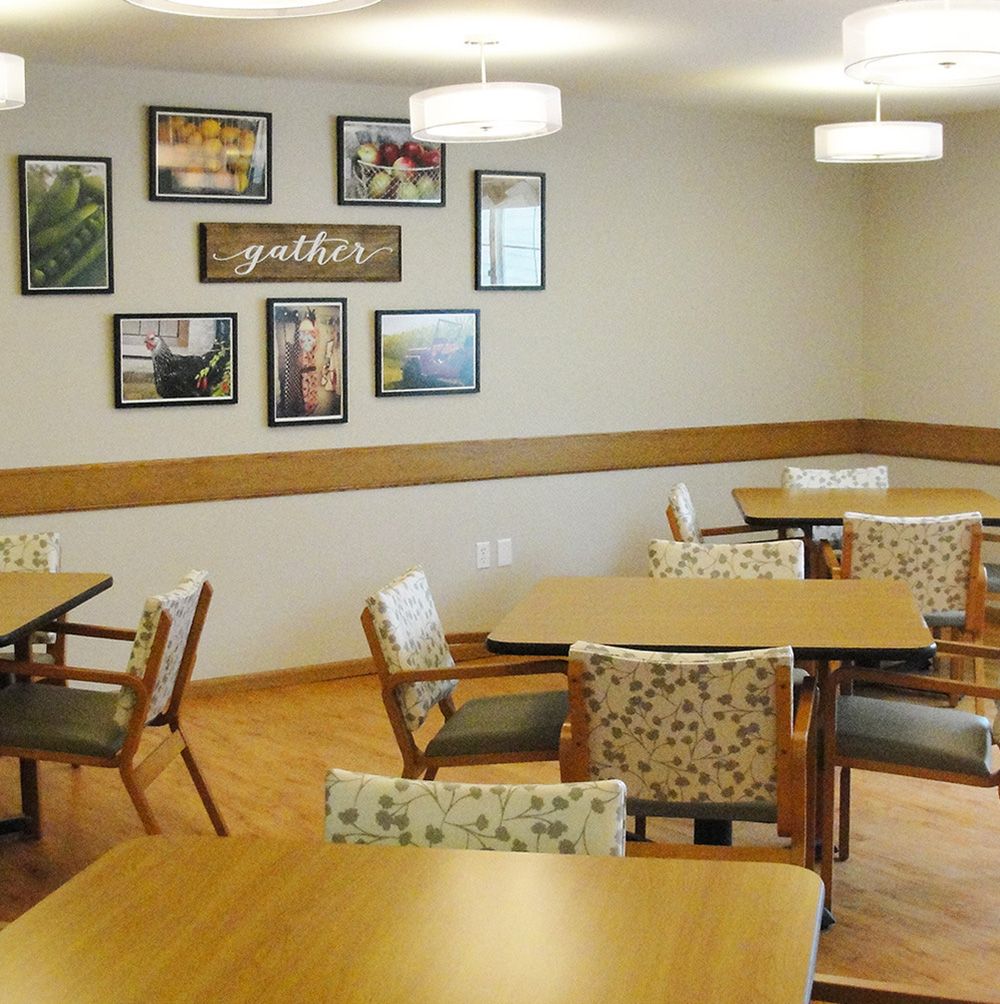
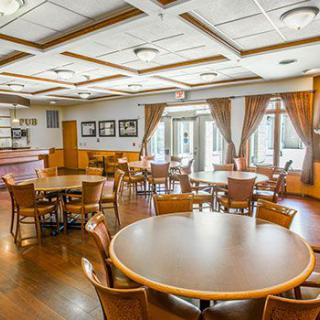
- The facility has an open cafeteria, daily exercise, crafts, and flexible family visitation.
- On-site amenities include a hair salon and an attached eyeglass/vision center.
- The food is delicious, and residents look forward to each meal.
- The staff are kind, attentive, and compassionate, with Donna highlighted as wonderful, helpful, and honest.
- The environment is kept spotless and well maintained, with cheerful, accessible staff planning activities to keep residents active.
- Transportation to medical facilities and hospice care are provided, and staff support families during difficult times.
Cons
 She will have to move again in three months because a new assisted-living building is being constructed.
- She made complaints about the food.
- They are trying to accommodate her, but she is learning how to ask for what she wants.
Review
All Saints Memory Care in Madison is best suited for families seeking a faith-centered memory care experience where daily spiritual life, social engagement, and attentive supervision are core pillars. The community shines for loved ones who value Catholic ritual as part of daily living, mass and sacraments are offered on site, and for those who want a warm, aesthetically pleasing environment with comfortable private spaces. Residents benefit from a structured routine that includes daily exercise, crafts, and a full calendar of activities, all under the watchful eyes of staff positioned to maintain safety and dignity. For families, the combination of on-site services, hair salon, vision shop, open cafeteria, and ready access to transportation and hospice planning makes this a practical, deeply supportive option for ongoing memory care.
On the flip side, this community may prompt families to consider alternatives if religious programming isn’t a priority, or if continuity in place is non-negotiable. A significant factor in the current landscape is construction of a new assisted living building, which means a move for residents from the present memory care campus within a few months. That looming transition can disrupt routines and social connections for a resident who is already navigating memory decline. Additionally, while the food is praised as delicious by many, one family reported dissatisfaction and the need for ongoing messaging to ensure meals meet evolving preferences. For families seeking a non-religious environment, or those who prefer a single-location model with no imminent relocation, exploring other options may be prudent.
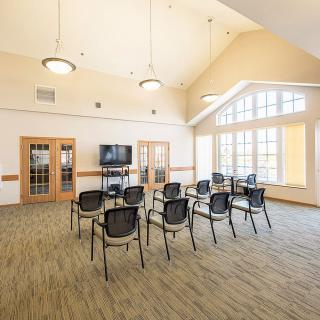
The strongest positives, the spiritual foundation, the staff’s respectful treatment of residents with dementia, and the emphasis on a vibrant, communal life, do substantial work in offsetting the kinds of disruptions noted above. Daily mass and sacraments provide continuity of belief and routine that can steadiness memory care for residents for whom faith matters. Caregivers are described as kind, honest, and attentive, with “strategic” staffing deployed to supervise activities and ensure safety. A calm, well-maintained setting reinforces comfort, while regular social programming, movies, lounges, chapel-time, keeps residents engaged and less prone to agitation or withdrawal. The presence of a visiting pastor, frequent opportunities for family involvement, and on-site conveniences like a hair salon and an integrated eyewear shop create a sense of normalization that can significantly ease the stress of care transitions.
From the memory care perspective, the environment is explicitly designed to honor residents’ dignity and independence while delivering hands-on supervision. The reviews praise the staff’s extraordinary effort to maintain spotless facilities and the cheerful, accessible demeanor of caregivers. The arrangement of care, including transportation to medical appointments and hospice when needed, reflects a pragmatic, family-centered model. The blend of spiritual life, social activity, and practical supports (transport, housekeeping, maintenance) helps families feel confident that their loved one is not merely sheltered but meaningfully engaged on a daily basis. This is essential for progressive dementia care, where moments of anxiety or isolation can quickly derail a day, and the approach here appears to buffer those risks.
Practical logistics matter in decisions like this, and All Saints delivers on several fronts. Families can expect regular programming, arrangements for religious services, and a community culture that values family visits and participation. The on-site amenities cut down friction in everyday life: a hair salon means less need for external appointments, and the integrated services, vision care adjacent to the facility, provide convenience that can be decisive for long-term quality of life. Transportation to doctors and hospice support further reduce the burden on families during difficult periods. Yet the looming move due to new construction remains a critical consideration; it is essential to verify the current plans, timelines, and whether continuity can be preserved within the same campus or limited disruption will be unavoidable.
In the end, All Saints Memory Care is a compelling choice for families prioritizing faith-based care, a high-touch care culture, and active engagement for memory-impaired loved ones. It is a particularly strong fit for those who want daily spiritual life, robust staff presence, and a welcoming environment where family involvement is easy and frequent. Prospective residents with deep Catholic preferences or those who value on-site religious services will find the model especially resonant. However, the impending move to an assisted living building and mixed feedback on meals mean that families should enter with specific questions: how will the transition be managed, what assurances exist about meal customization, and whether spiritual programming will remain the same for residents who are transferred. With clear expectations and direct conversations with leadership, especially Donna, noted as a reliable resource, the decision can align closely with a loved one’s needs and a family’s priorities.
 60 resident community capacity
 Studio apartments
 Memory Care
 Skilled Nursing Facility
 Air-conditioning
 Beauty salon
 Cable or satellite TV
 Computer center
 Dining room
 Financial aid
 Fitness room
 Fully furnished
 Gaming room
 Garden
 Housekeeping services
 Kitchenette
 Laundry
 Move-in coordination
 Outdoor space
 Party space
 Private bathrooms
 Respite or short term stays offered
 Restaurant-style dining
 Small library
 Telephone
 Wellness center
 Wi-Fi/high-speed internet available
 Dane County Regional (11 miles away)
 Community operated transportation
 12-16 hour nursing
 24-hour call system
 Activities of daily living assistance
 Assistance with bathing
 Assistance with dressing
 Assistance with transfers
 Diabetes diet
 Medication management
 Mental wellness program
 Special dietary restrictions
 Arts and crafts
 Concierge services
 Cooking club
 Educational speakers / life long learning
 Games
Games Live musical performances
 Planned day trips
 Religious services
 Stories
 English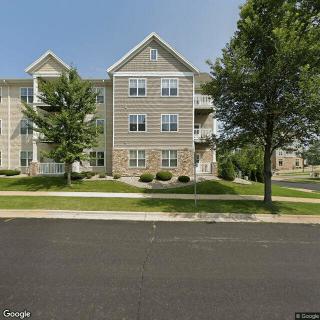


 An In-Depth Look at Reminiscence Therapy in Dementia Care
 Dementia-Related Hallucinations: Causes, Experiences, and Practical Approaches
 Illuminating Insights About Alzheimer's Disease: Ten Crucial Realities