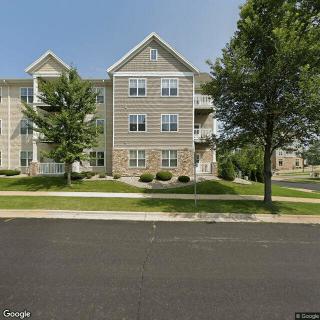
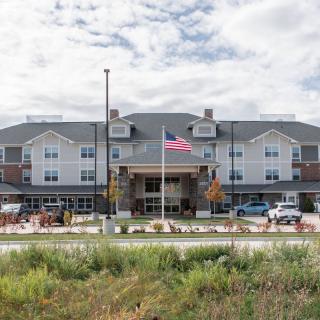
7710 South Brookline Drive, Madison, WI 53719
For more information about senior living options: (866) 208-4318
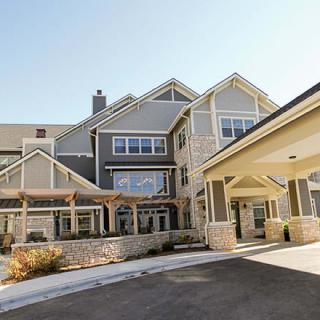
Overall Review of Sebring Assisted Care Residence
Pros
 The staff are caring, compassionate, and competent.
- Management communicates openly and is responsive to residents, families, and staff.
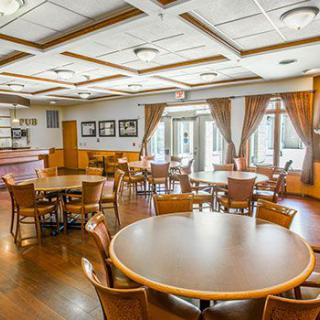
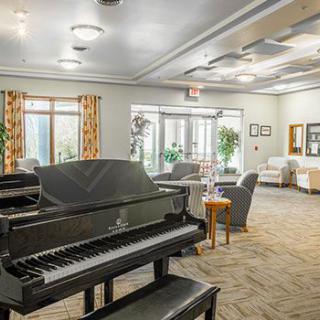
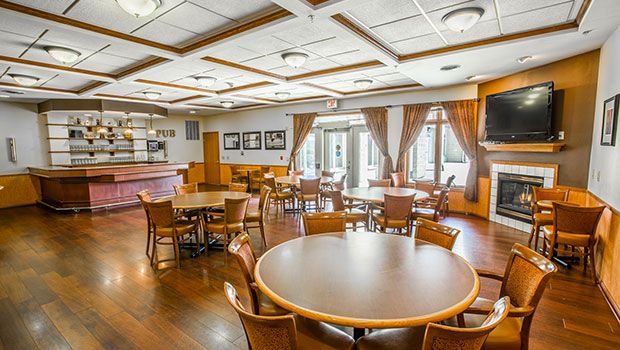
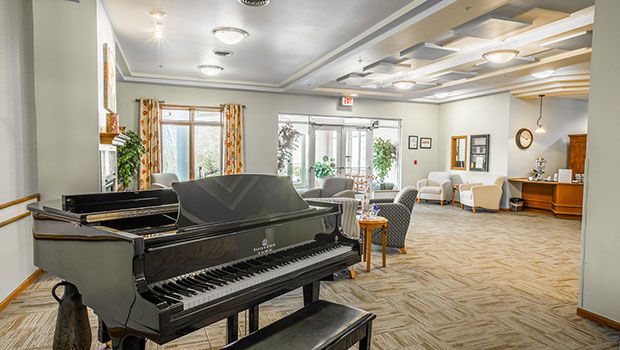
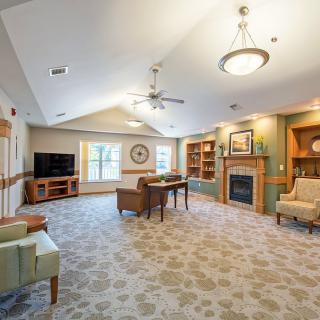
- The Sebring is a warm, welcoming community with a wide variety of daily activities for everyone.
- The facility provides onsite services, including a laboratory, hair salon, therapies, and 24-hour nursing.
- The building is staffed 24/7 with security, giving residents a sense of safety.
- The Sebring offers reliable transportation to doctor appointments via a wheelchair-accessible van.
- Residents and staff seem genuinely happy there.
Cons
 The facility is described as the worst place ever, severely understaffed, with residents not receiving showers or medications and experiencing chronic falls.
- The staff are uninvolved and poorly supervised, leaving residents unbathed and often in filthy clothes.
- There were repeated ER visits and notes stating residents were unclean, indicating inadequate care.
- There were long delays in assistance, with call buttons ignored for extended periods.
- Leadership is unstable and supervision lacking, with directors and the head of nursing leaving after short tenures.
- The meals are marginal, frequently served cold or heated from a bag.
- The facility is poorly run and disorganized, with high turnover among RNs and CNAs and unhappy staff.
- Some reviewers would not recommend Sebring and urge others to stay away due to staffing and care concerns.
Review
Sebring Assisted Care Residence in Madison is best suited for seniors who want an active, socially rich environment with dependable on-site services and straightforward admissions. The community shines for residents who thrive on daily programming, enjoy access to on-site therapies, a hair salon, and in-house labs, and who value reliable transportation to appointments. It is a solid fit for families seeking a lively atmosphere with care supported by 24-hour nursing presence and a broad calendar of activities. Those who want a quiet, ultra-structured memory-care environment with near-perfect staffing stability should temper expectations and explore other options first.
However, several reviewers flag significant reasons to consider alternatives, especially when memory care or highly consistent supervision is essential. Families with loved ones who require constant, faultless oversight, rapid response to calls, or meticulous hygiene and grooming routines may find Sebring lacking. The pattern of staffing turnover, weekend shortages, and reports of delayed care can create safety concerns for frail or cognitively impaired residents. For those prioritizing predictable, tightly managed care regardless of cost, other communities with lower turnover and more robust supervision structures will likely deliver greater reassurance.
The core strengths of Sebring, engaged programming, supportive staff in day-to-day care, and tangible on-site conveniences, often translate into meaningful quality-of-life gains. Residents and families repeatedly note that activities are plentiful and inclusive, and that staff work to keep lines of communication open with families. The presence of a 24-hour nursing staff, accessible therapies, and on-site labs provides practical, day-to-day assurances. Transportation to medical appointments via an established wheelchair-accessible van is a real convenience for families juggling multiple needs. Taken together, these elements create a foundation of warmth and reliability that can offset some daily challenges for residents who are fairly independent and social.
Yet the volume and specificity of negative experiences cannot be ignored. Repeated concerns center on understaffing and high turnover across departments, leading to slow responses and gaps in essential care. Several accounts describe residents not receiving basic care in a timely fashion, showering, grooming, and clothing changes, paired with episodes of unsafe conditions and, in extreme reports, harm that required emergency room visits. Questions about cleanliness and sanitation recur, including complaints about unclean personal hygiene and bedding practices. Management turnover has also been cited as a destabilizing factor, with leaders departing after short tenures, which compounds consistency issues for residents and families alike.
The most troubling reviews concern the memory-care environment, where the risk profile is highest. In these accounts, the lack of vigilant supervision and delayed assistance translated into serious injuries and preventable ER visits. While other residents praise the supportive atmosphere and the presence of a memory-care option, the repeated narrative of neglectful patterns in care, combined with staff shortages, makes a cautious reader wary about entrusting a loved one with substantial memory impairment to Sebring without rigorous, ongoing oversight. This is not a facility to accept as a default; it demands active, proactive family engagement and a clear plan for quality assurances.
For families weighing the decision, a practical path is essential. Prospective residents should request current shift-level staffing ratios, recent incident reports, and the most recent quality assurance data. A dedicated tour of the memory-care wing, with conversations with direct caregivers about daily routines and call-button response times, will reveal whether safeguards align with a residentā€™s risk profile. In parallel, compare Sebring to nearby communities with recognized memory-care specializations, lower turnover, and stronger housekeeping credentials. If the loved one's care plan includes high supervision, frequent hygiene needs, or a history of falls, consider alternatives first. If choosing Sebring, set explicit expectations, insist on transparent care tracking, and pursue a structured, trial-like period to verify that the program can adapt to evolving needs.
 81 resident community capacity
 Assisted Living
 Independent Living
 Memory Care
 Air-conditioning
 Beauty salon
 Cable or satellite TV
 Computer center
 Dining room
 Fitness room
 Fully furnished
 Gaming room
 Garden
 Housekeeping services
 Kitchenette
 Move-in coordination
 Outdoor space
 Private bathrooms
 Restaurant-style dining
 Small library
 Telephone
 Wellness center
 Wi-Fi/high-speed internet available
 Dane County Regional (11 miles away)
 Community operated transportation
 24-hour call system
 Activities of daily living assistance
 Assistance with bathing
 Assistance with dressing
 Assistance with transfers
 Diabetes diet
 Medication management
 Mental wellness program
 Special dietary restrictions
 Concierge services
 Planned day trips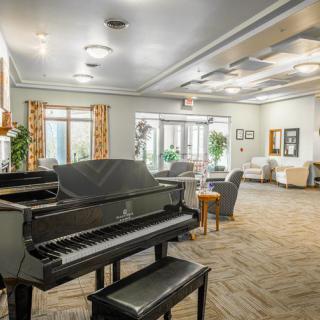



 A Detailed Exploration of Assisted Living Medicaid Waivers Across the United States
 Exploring the Contrasts Between Assisted Living and Skilled Nursing
 Vibrant Senior Living: A Comprehensive Guide for Active Older Adults