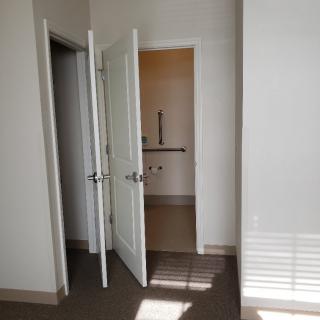
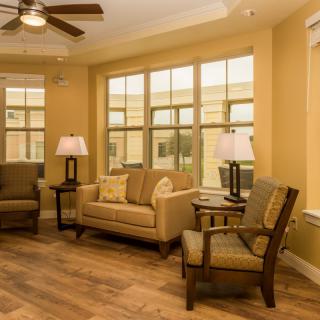
1001 Quinn Drive, Waunakee, WI 53597
For more information about senior living options: (866) 208-4318
Brightstar Senior Living Of Waunakee Costs & Pricing
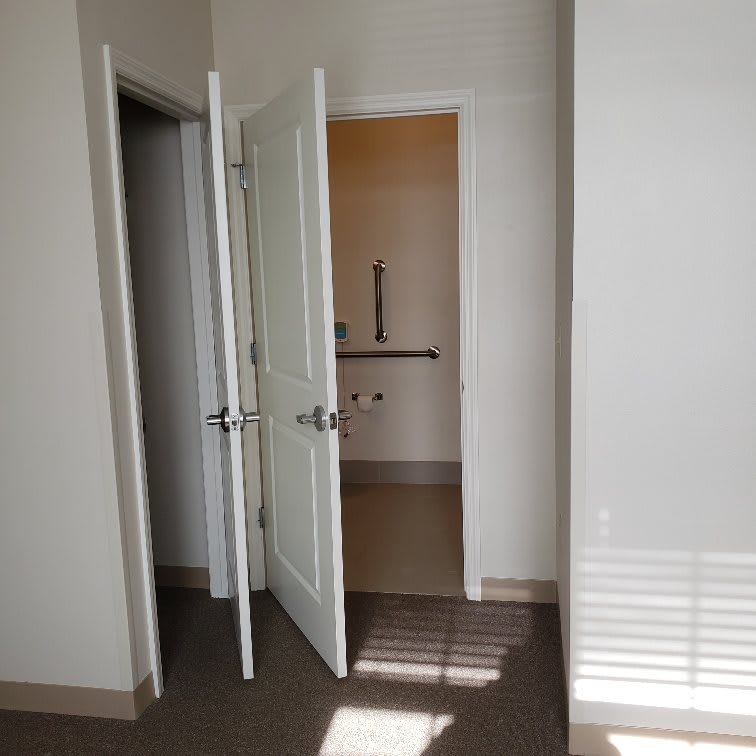
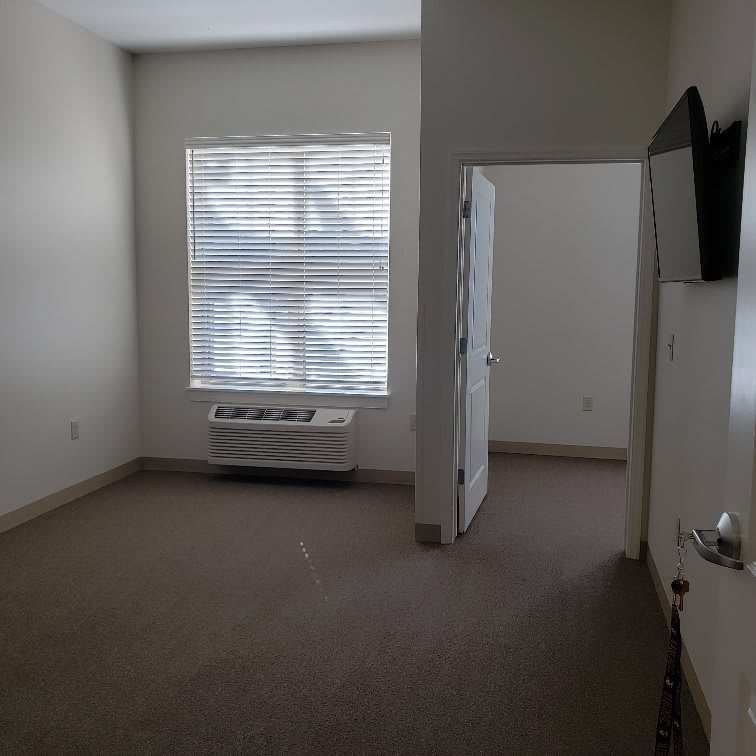
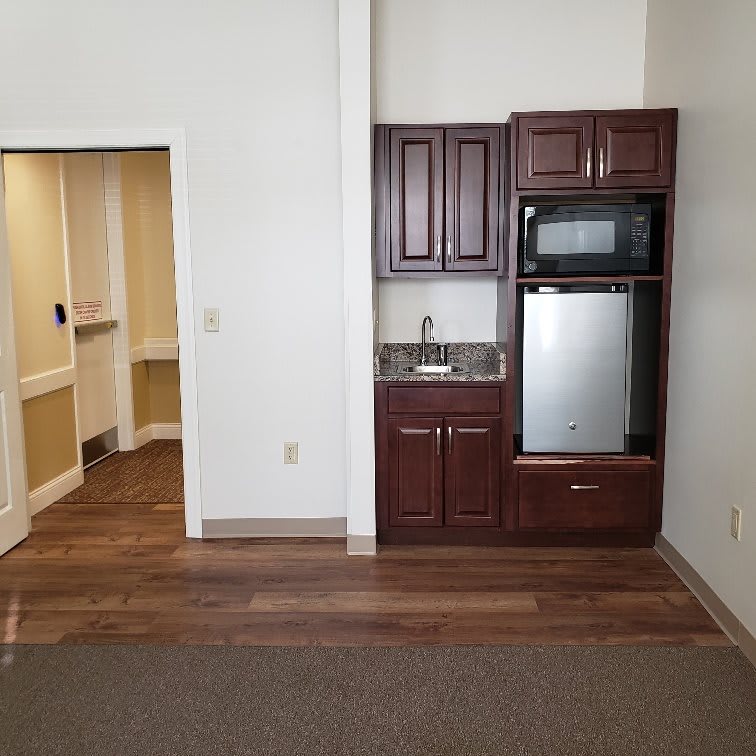
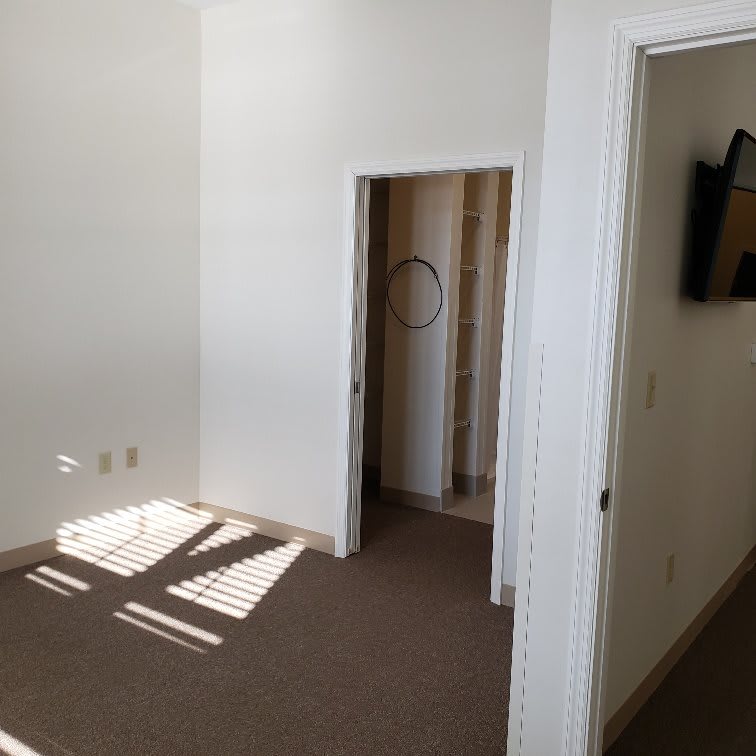
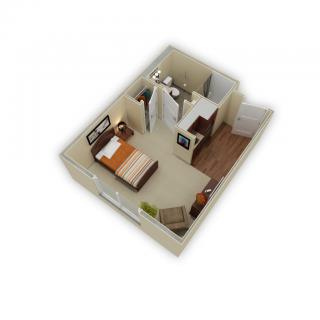
Brightstar Senior Living of Waunakee offers a range of options for seniors, with costs reflecting the premium services and amenities provided. As indicated, the monthly fees for various room types are notably higher than both Dane County and state averages. For example, a semi-private room at Brightstar is priced at $6,160, significantly exceeding the county average of $4,212 and the state average of $3,977. Studio apartments range from $6,317 to $8,008 - again above local and state benchmarks. The one-bedroom option costs approximately $7,089, while private rooms are available for $7,392. These prices position Brightstar as a more upscale choice within the region but may be justified by its enhanced quality of care and living experience for residents looking for specialized support in their senior years.
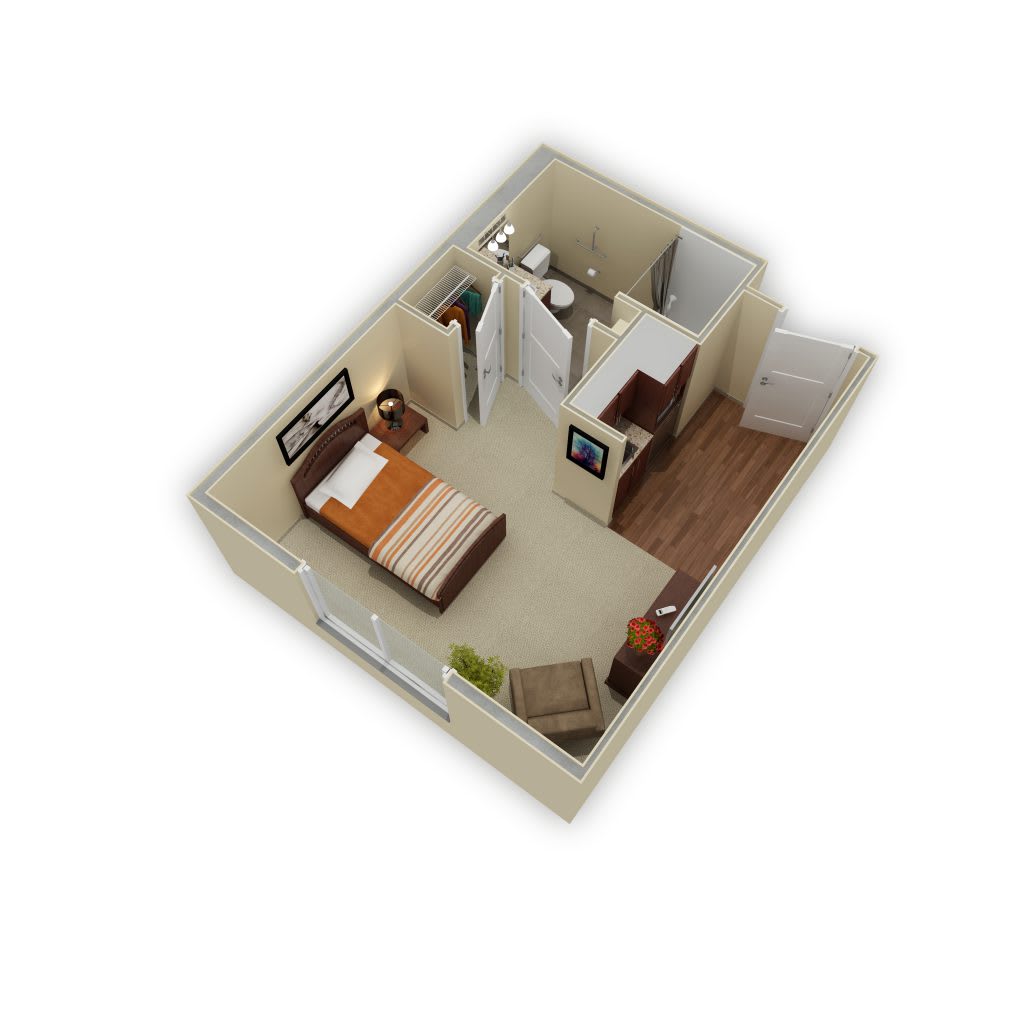
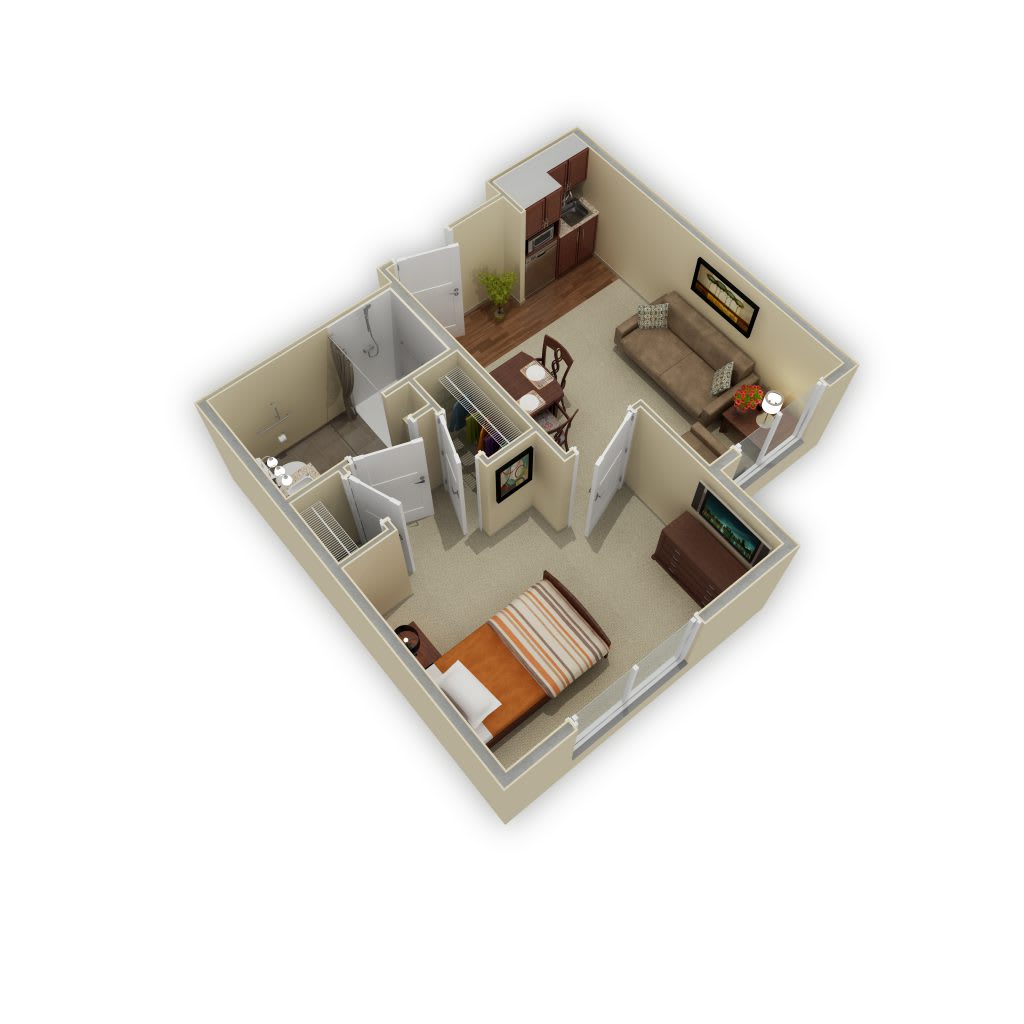
| Floor plans | Brightstar Senior Living Of Waunakee | Dane County | Wisconsin |
|---|---|---|---|
| Semi-Private | $6,160 | $4,212 | $3,977 |
| Studio | $6,317 to $8,008 | $4,418 | $3,999 |
| 1 Bedroom | $7,089 | $4,101 | $3,412 |
| Private | $7,392 | $3,914 | $4,339 |
Memory care communities with a similar price nearby
-
from -$360 / mo
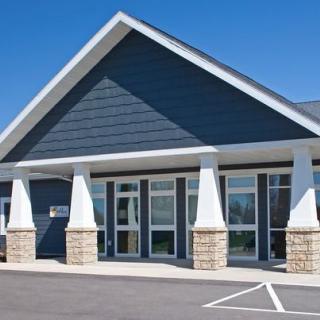
Beehive Homes of Mount Horeb
$5,800 / month20.4 miles away -
About the same
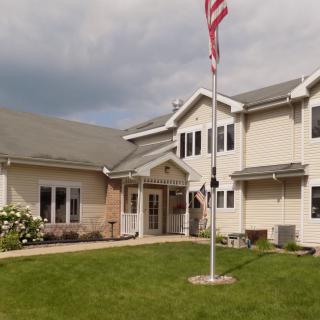
Azura Memory Care of Stoughton
$6,230 / month21.3 miles away -
About the same
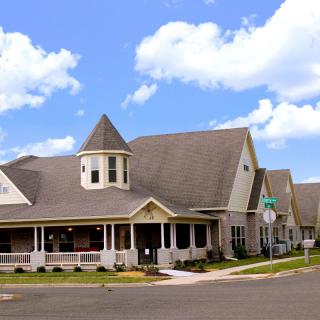
Hyland Crossings
$6,120 / month10.1 miles away -
from +$410 / mo
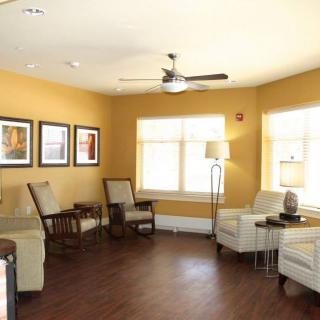
Brightstar Senior Living
$6,570 to $7,372 / month9.7 miles away -
from -$560 / mo
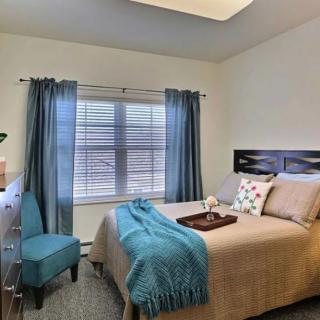
Milestone Senior Living Cross Plains
$5,600 to $6,400 / month12.6 miles away
Overall Review of Brightstar Senior Living Of Waunakee
Pros
 BrightStar Waunakee is a good place and feels like family.
- The nursing, food, and concierge service are great.
- The Executive Director is involved and readily available.
- The building is exceptionally clean and well maintained.
- Fresh fruit and vegetables are an integral part of the meals and snacks.
- There are many creative daily activities and professional biweekly musical entertainment.
- The staff are attentive, compassionate, and consistently supportive.
- The care provided is high-quality, personalized, and life-changing for residents.
Cons
 They pride themselves on their food and it’s terrible.
- On weekends they basically have warm bodies in control, leaving visitors sitting outside for a half hour to return their elderly father.
- The reviewer would not send a loved one there, despite praising the receptionist.
- Memory care centers actually kick residents out because their dementia is challenging.
- The reviewer recalls a traditional nursing home where it was a continual fight for simple requests.
Review
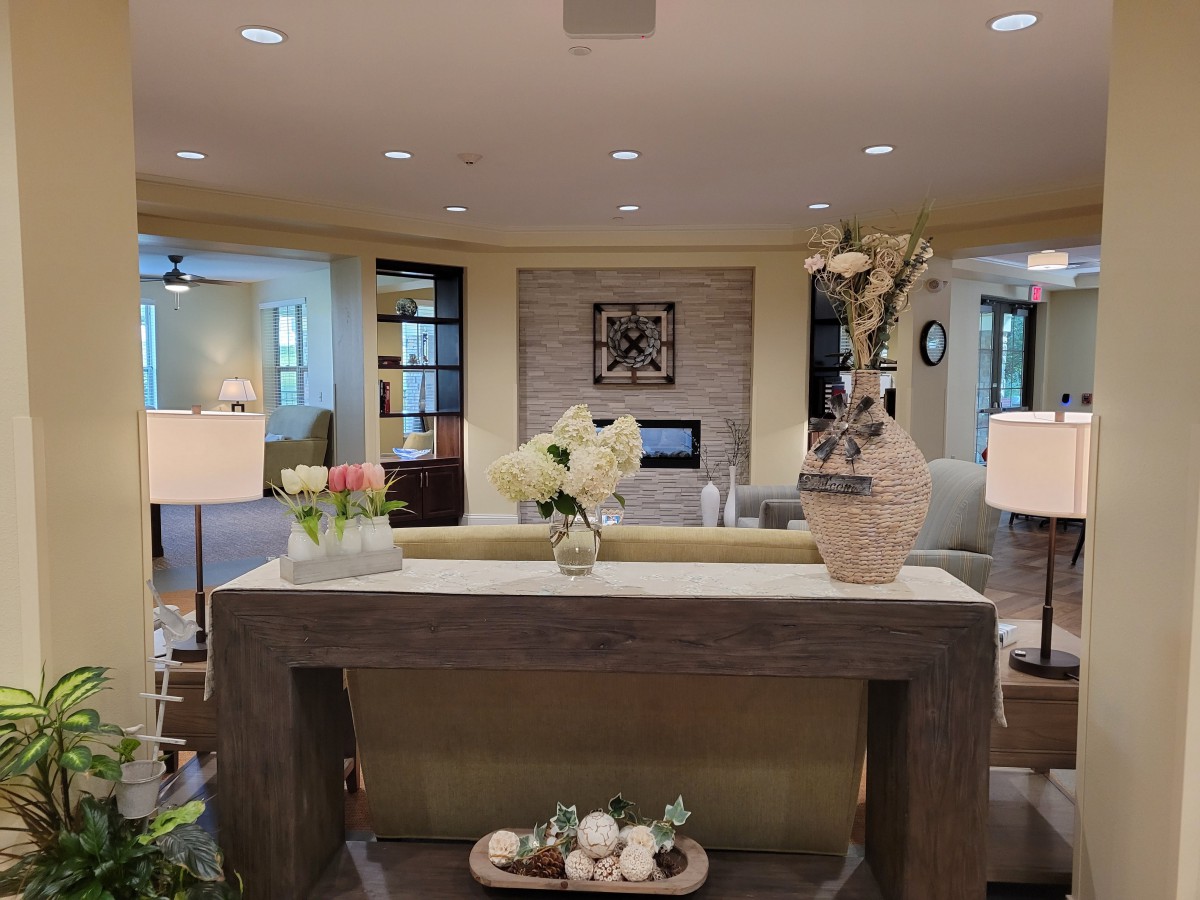
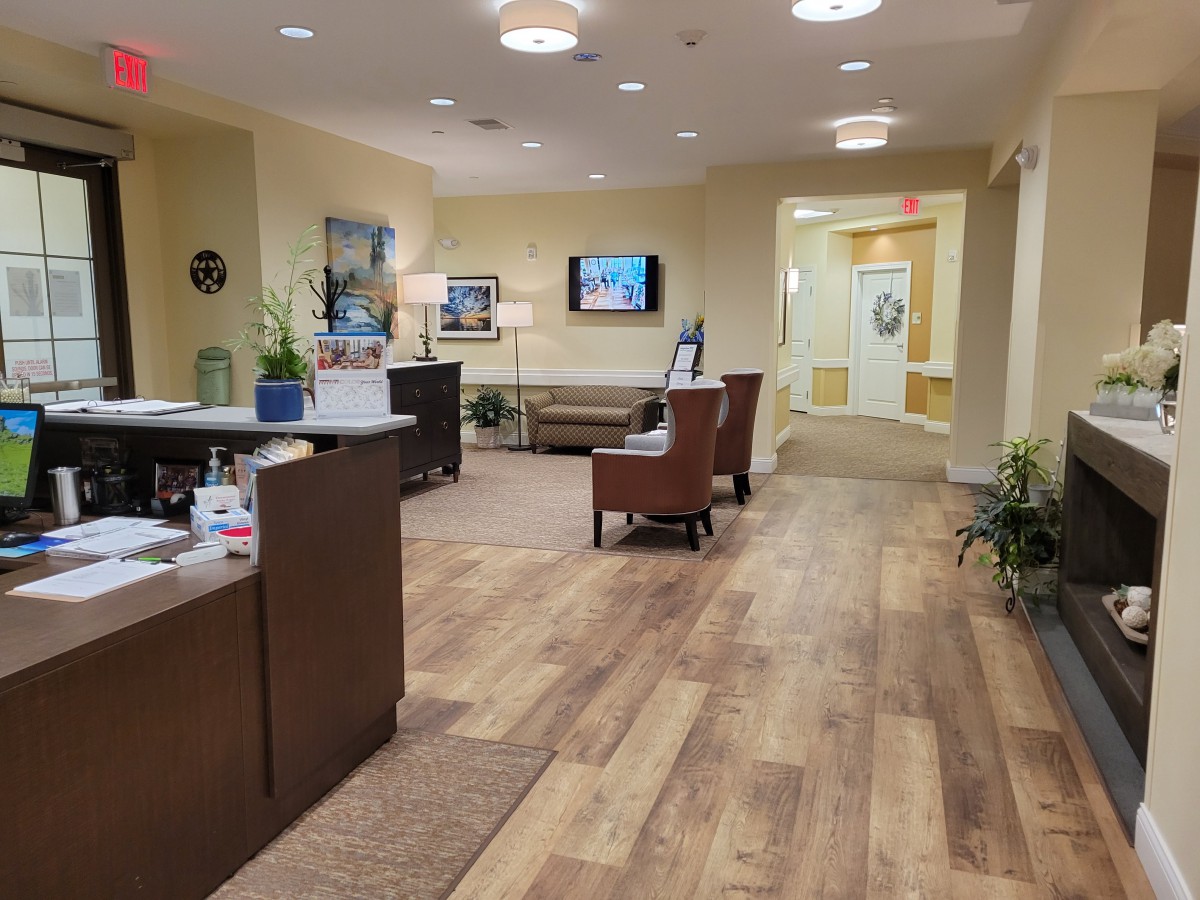
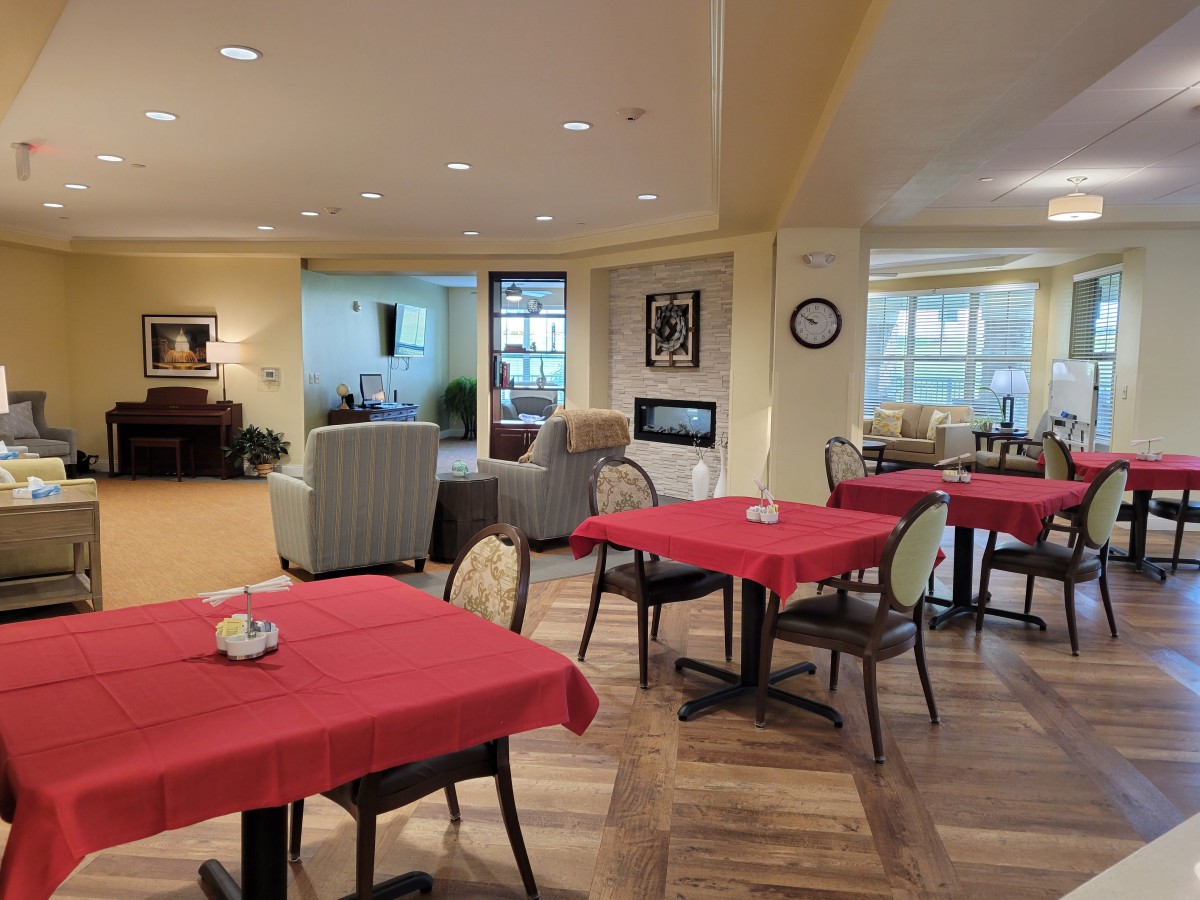
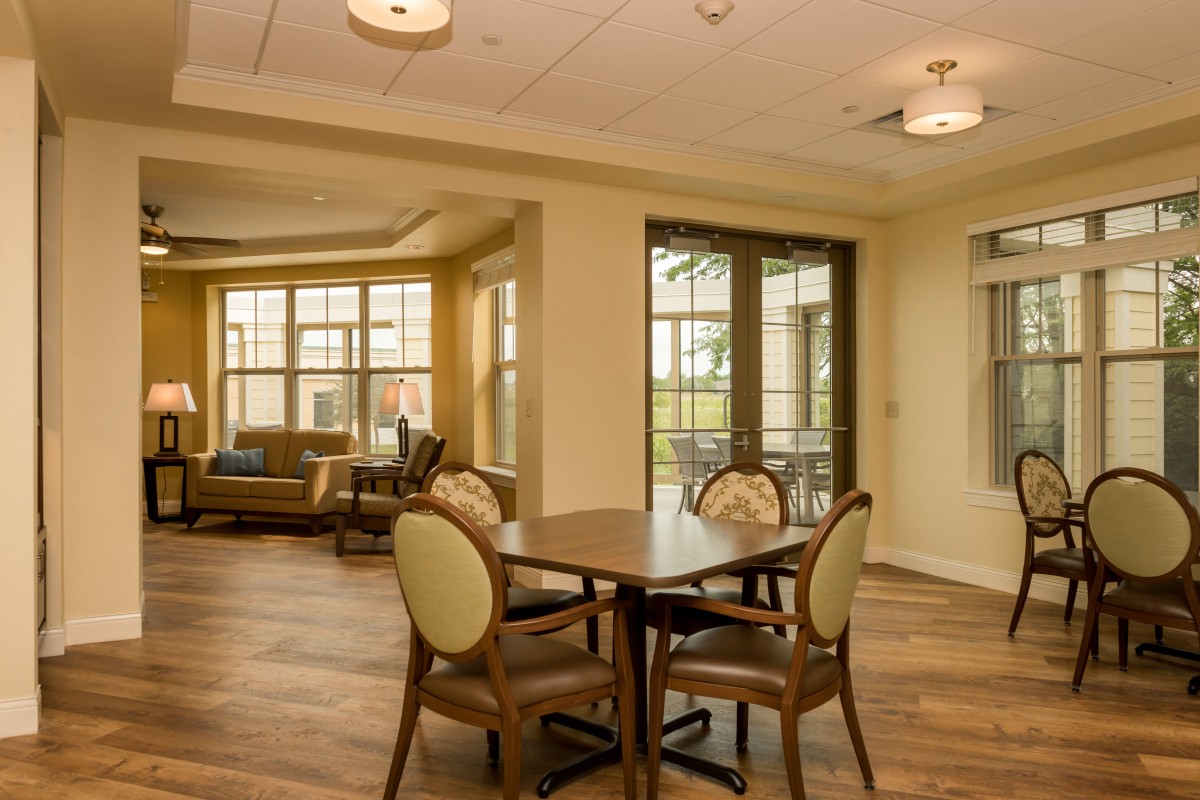
BrightStar Waunakee is best suited for families seeking a memory-care-forward setting where a resident’s dignity, social connection, and daily engagement are the core focus. It shines for seniors with dementia who benefit from a predictable routine, deep caregiver relationships, and proactive family communication. The community feel is distinctly home-like, with leadership visibly involved in day-to-day care decisions. For families navigating a dementia journey or coordinating post-hospital rehab, this campus offers a structure that supports both independence and meaningful activity, backed by a team that makes residents matter in every shift.
Those evaluating options should expect alternatives to be worth a look if weekend consistency matters or if menu quality must feel uniform every day. A recurring caveat from critics is weekend coverage can feel lean, which can disrupt routines and slow responses at crucial moments. While many praise the culinary program, some experiences suggest dining experiences may vary by day or campus tenacity. For families seeking a stricter clinical environment, a facility with higher predictability on staffing across seven days, or a more budget-conscious option, there are other paths that may align more closely with those priorities.
The strongest asset here is the staff’s warmth, competence, and cohesive teamwork. Time and again, families emphasize how the executive director, nurses, caregivers, and kitchen staff coordinate to meet residents’ needs with respect and tact. The memory care approach is distinctly person-centered: meals, activities, and daily routines are tailored to individual abilities, and social engagement, ranging from daily programs to biweekly musical entertainment and outdoor time, helps residents stay connected. Cleanliness and maintenance are consistently praised, and the willingness of staff to update families on daily happenings provides essential reassurance. The culinary program, led by a named chef, frequently earns praise for freshness, flavor, and variety, reinforcing a home-like dining experience that families value.
Two practical caveats temper the otherwise strong profile. First, the mixed messages about dining quality and the occasional weekend staffing concerns can influence a family’s sense of reliability and predictability. Second, the strongest praise comes from those who see dementia care as a long-haul partnership; for some families, consistently steady weekend staffing and a uniformly flawless dining experience across all days remain top priorities. These are legitimate considerations for anyone comparing options, test a weekend visit, ask direct questions about staffing structures, and sample meals on a Saturday or Sunday to gauge consistency.
Yet the positives largely offset these gaps. The care philosophy emphasizes building relationships, individualized dementia management, and proactive family involvement, which translates into tangible benefits: reduced risk of bed sores through careful positioning, frequent updates about daily routines, and a genuine sense of safety and belonging for residents in later stages. Leadership’s accessible presence helps resolve issues quickly, and staff turnover appears low relative to industry pressures, preserving continuity of care. For families seeking a partner that will grow with a loved one’s needs and sustain meaningful activity and connections, BrightStar Waunakee delivers a robust, resilient memory-care ecosystem.
The bottom-line guidance: BrightStar Waunakee is a strong choice for a dementia-focused pathway with active family involvement, especially when rehab needs or ongoing social programming are priorities. To decide confidently, arrange a comprehensive, multi-day tour that includes a weekend, and request candid conversations with the Executive Director about care plans and escalation processes. Insist on a live meal experience across days, and probe weekend coverage models, staffing ratios, and how personal care plans adapt as dementia progresses. If unwavering weekend reliability or uniformly consistent dining every day at a lower cost is non-negotiable, explore alternatives; otherwise, this community stands out as a principled, compassionate option for memory care with real family orientation.
 39 resident community capacity
 Assisted Living
 Memory Care
 Activities off-site
 Air-conditioning
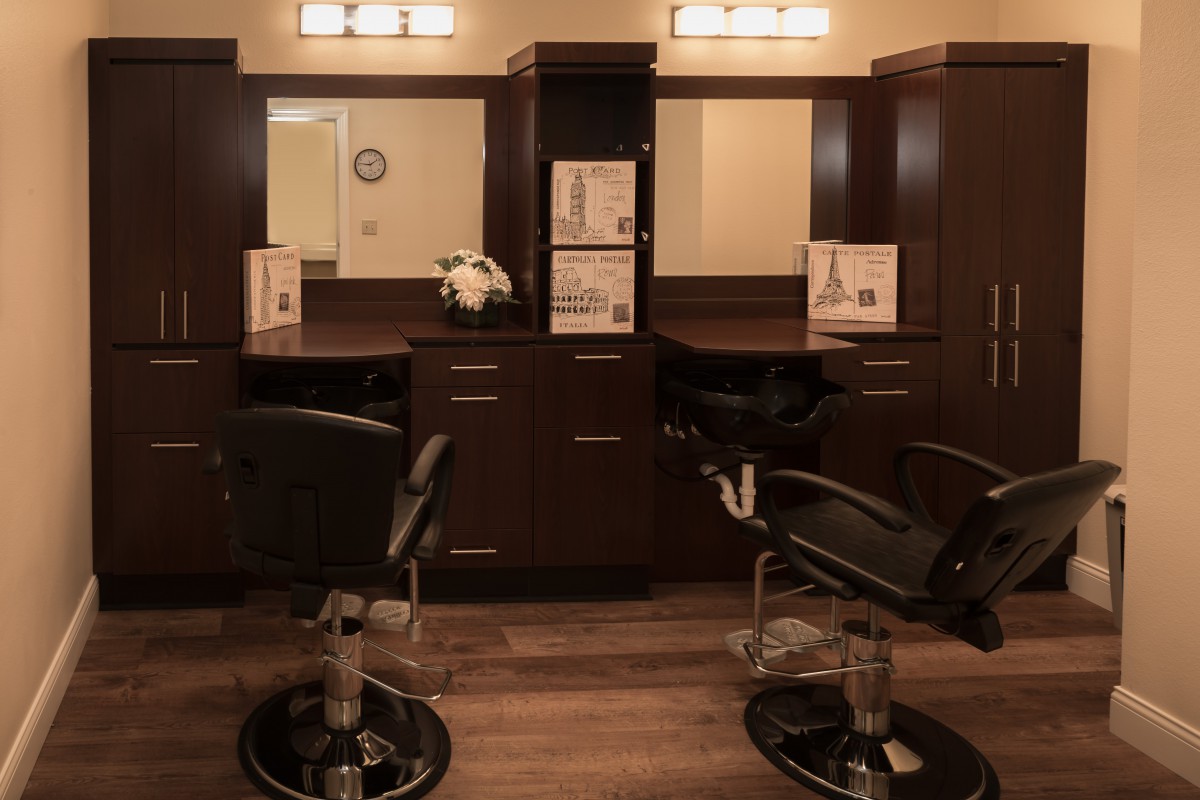
 Beautician on-site
 Cable or satellite TV
 Devotional services off-site
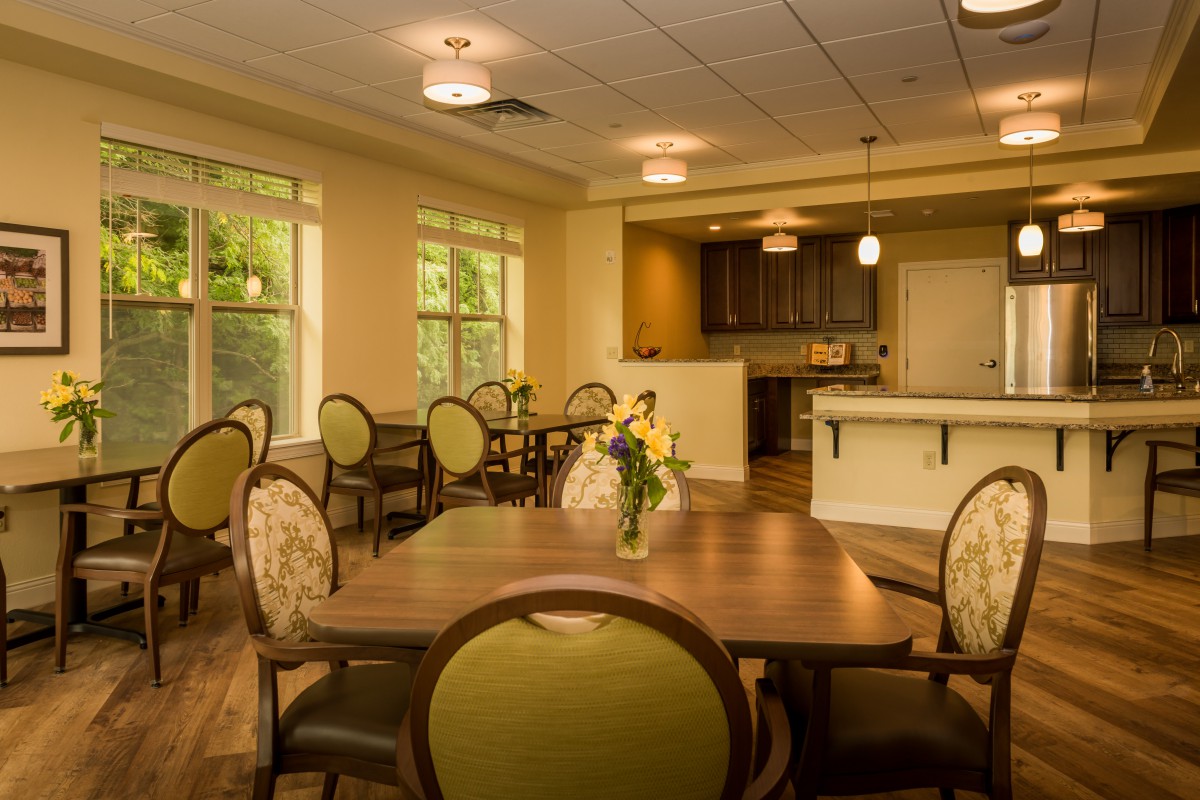
 Dining room
 Fully furnished
 Garden
 Ground floor units
 Housekeeping services
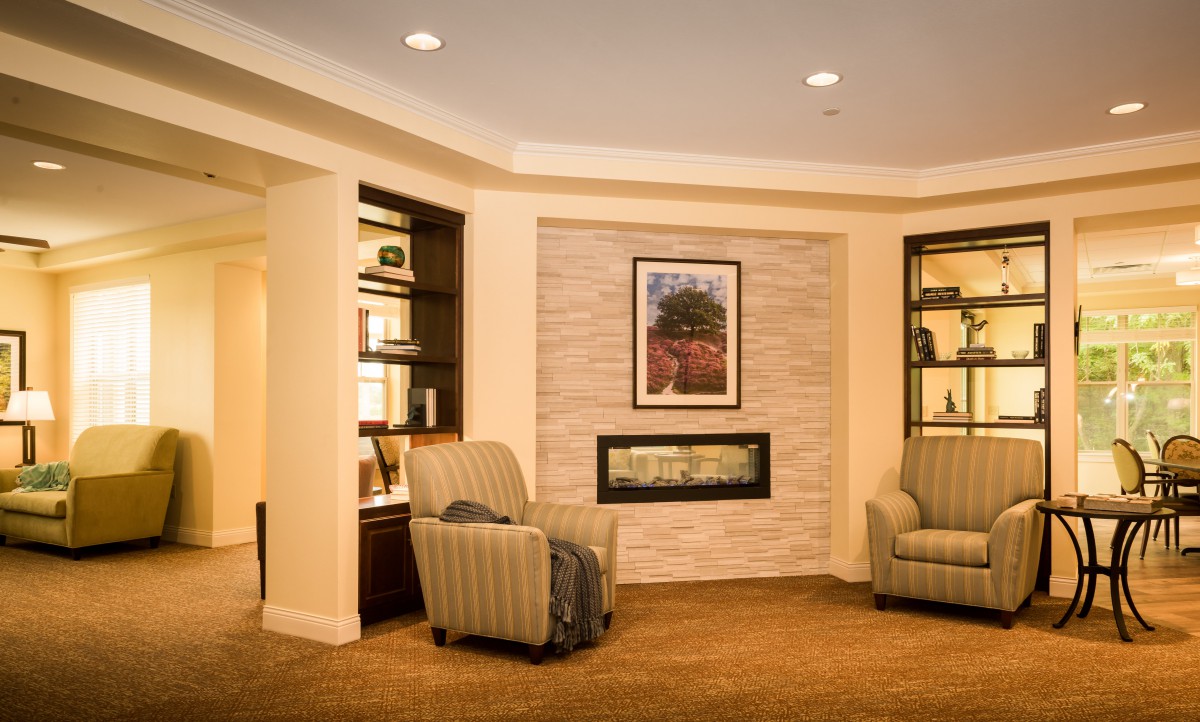
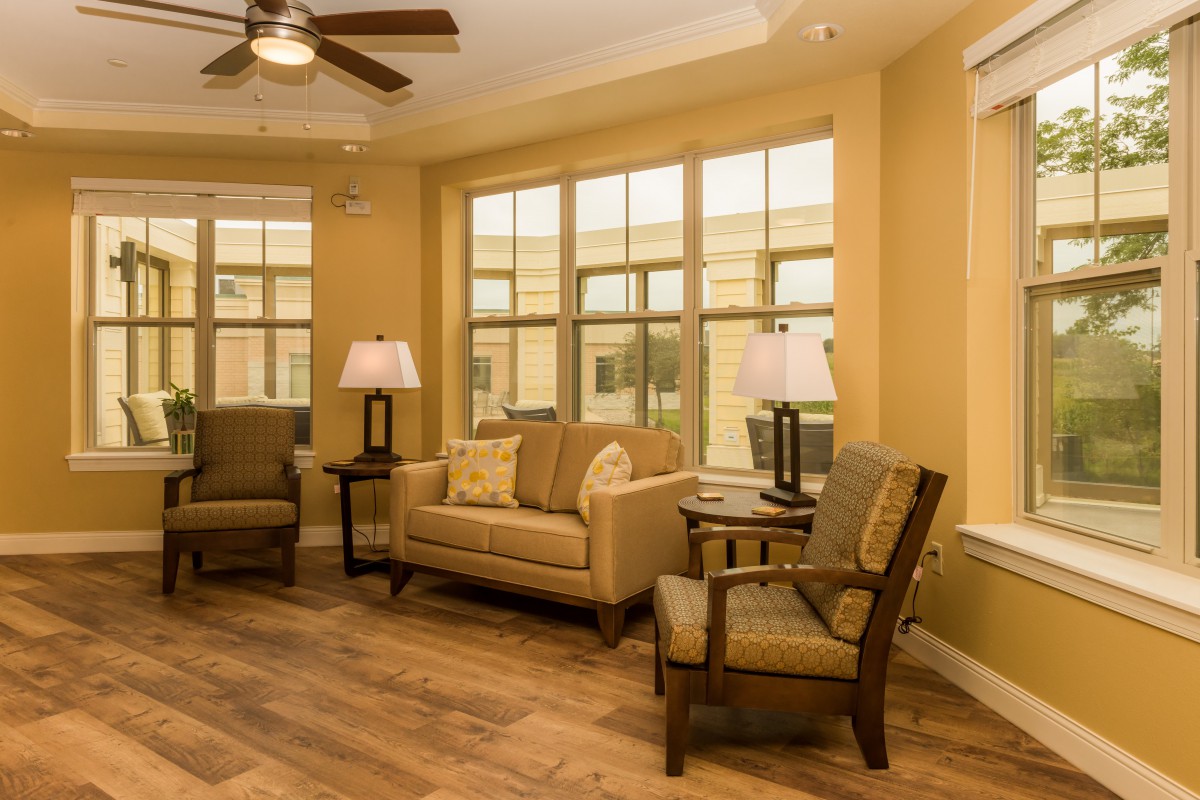
 Indoor common areas
 Kitchenette
 Move-in coordination
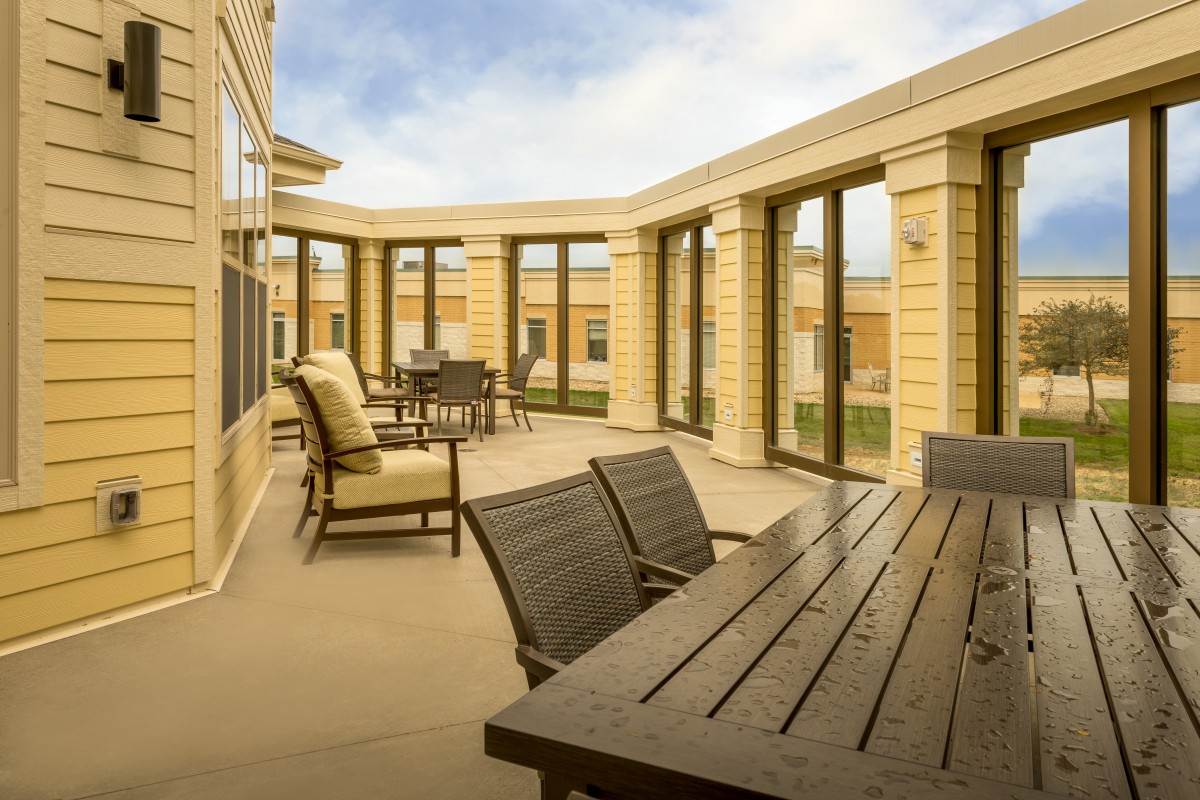
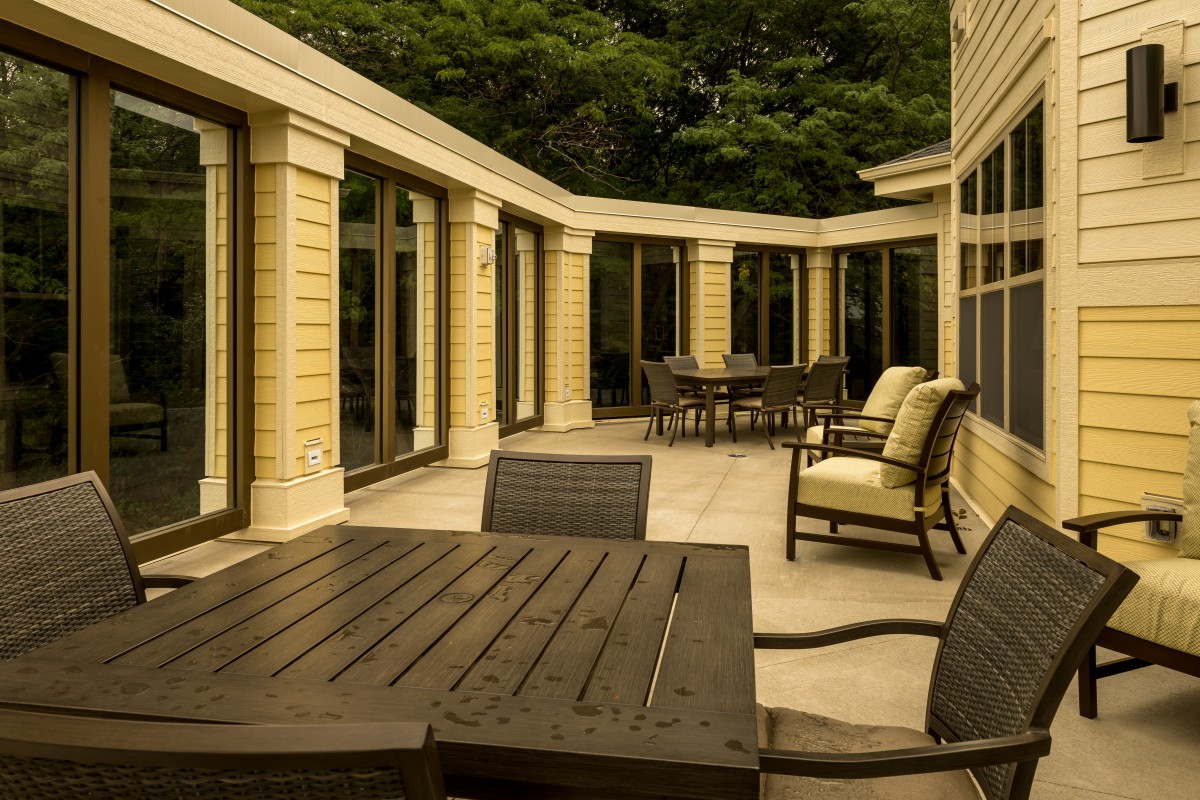
 Outdoor common areas
 Restaurant-style dining
 Small library
 Telephone
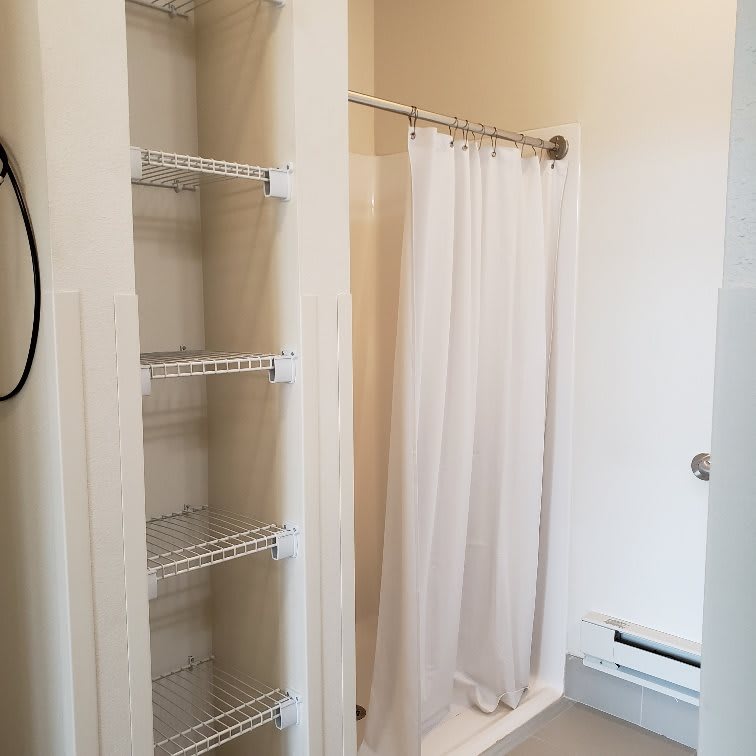
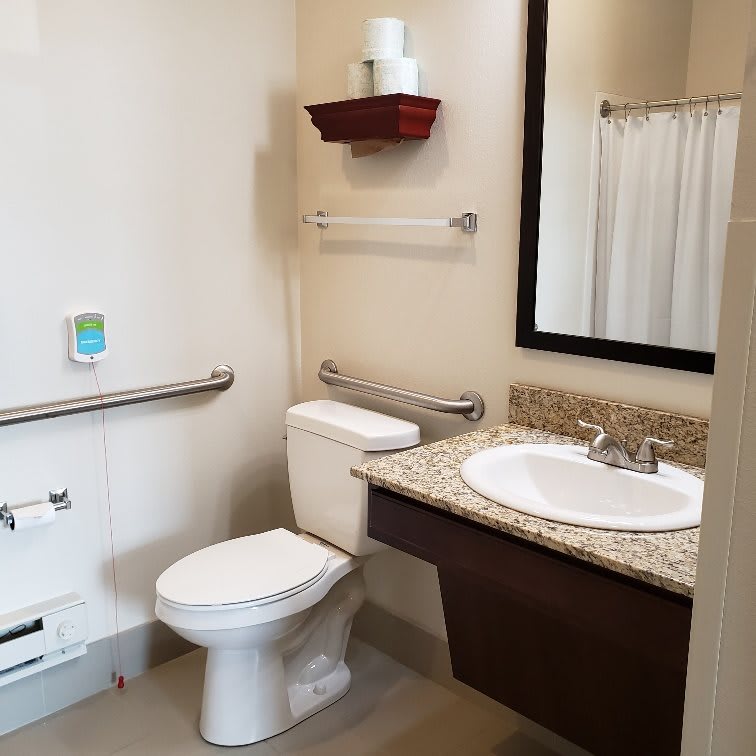
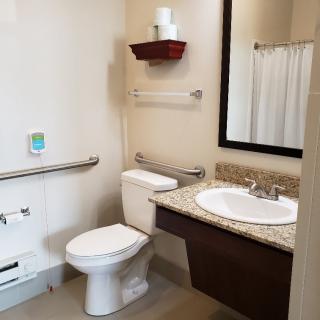
 Wheelchair accessible showers
 Wi-Fi/high-speed internet available
 Dane County Regional (5 miles away)
 24-hour call system
 Assistance with bathing
 Assistance with dressing
 Assistance with transfers
 Diabetes diet
 Diabetic care
 High acuity care
 Incontinence care
 Medication management
 Mental wellness program
 Special dietary restrictions
 Art classes
 Catholic services
 Cooking classes
 Educational speakers / life long learning
 Happy hour
 Live dance or theater performances
 Live musical performances
 Live well programs


 Comprehensive Guide to VA Nursing Homes: A Crucial Long-Term Care Resource for Veterans
 Estimating the Expenses of At-Home Dementia Care: A Detailed Exploration
 Comprehensive Insights on the Late Stages of Dementia: What to Expect and How to Provide Care