
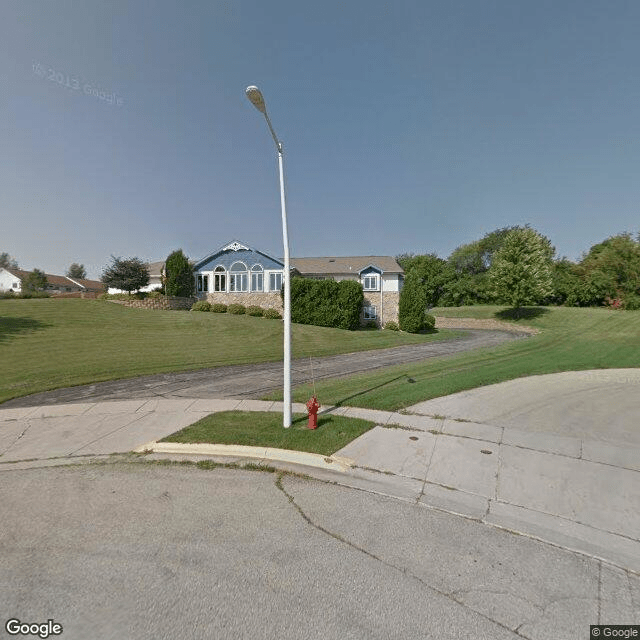
104 Lincoln Ct, Mount Horeb, WI 53572
To contact a resident: (608) 437-2778
For more information about senior living options: (866) 208-4318
Girlie's Manor Costs & Pricing
At Girlie's Manor, the monthly costs for various room types reflect a premium investment in quality care and amenities. For a one-bedroom accommodation, residents can expect to pay $4,100, which is significantly higher than the average cost in Iowa County at $2,517 but more comparable to Wisconsin's $3,412. The semi-private room option is priced at $4,510, offering a competitive alternative when compared to Iowa County's higher rate of $4,855 and Wisconsin's more affordable rate of $3,977. For those seeking privacy and exclusivity, the private room at Girlie's Manor comes with a price tag of $5,250 - this figure remains slightly below Iowa County's average of $5,745 while comfortably exceeding Wisconsin's rate of $4,339. Overall, while Girlie's Manor positions itself at the higher end of the spectrum for room costs, it reflects a commitment to providing exceptional care that may justify the investment for many families.
| Floor plans | Girlie's Manor | Iowa County | Wisconsin |
|---|---|---|---|
| 1 Bedroom | $4,100 | $2,517 | $3,412 |
| Semi-Private | $4,510 | $4,855 | $3,977 |
| Private | $5,250 | $5,745 | $4,339 |
Memory care communities with a similar price nearby
-
About the same
Timberwood Lodge Assisted Living and Memory Care
$4,000 to $4,500 / month13.9 miles away -
from -$600 / mo
Reynolds Assisted Living Home LLC
$3,500 to $3,750 / month19.9 miles away -
from -$300 / mo
Cardinal View Senior Living
$3,800 to $5,000 / month12.6 miles away -
from +$800 / mo
BeeHive Homes of Oregon 2
$4,900 / month17.9 miles away -
from +$610 / mo
All Saints Assisted Living
$4,710 / month10.9 miles away
Overall Review of Girlie's Manor
Pros
 Nucare has stepped in to manage this community and they have changed it for the better.
- Great response time, residents smiling and enjoying life.
- That’s what taking care of residents should look like.
- Great home and friendly team.
- What a great place for families facing Alzheimer’s needs.
- Girlie Manor is going good so far.
- The dining room was beautiful, and they have a screened-in porch area where you could sit outside and look around.
- The food is amazing and the staff is friendly.
Cons
 The facility ignores calls and does not respond promptly to buzzer alerts, endangering residents.
- Maintenance there is poor and does not perform tasks well.
- Management is criticized for poor communication and for not getting things done.
- The staff cannot speak English well, creating a barrier to proper care.
- There is witnessed neglect and abuse, suggesting the facility is unsafe.
- After Vitacare acquired the property, care deteriorated to almost unbearable conditions, with residents left to rot.
- The owners and company should be shut down or put out of business, and loved ones should be placed elsewhere.
Review
Girlie's Manor in Mount Horeb is best suited for seniors who want a smaller, home-like setting with a strong emphasis on social engagement, good meals, and Alzheimer’s care that feels personal. The current narrative leans toward a fresh start under Nucare management, with residents described as smiling and enjoying life, which signals real potential for turning around a difficult history. The facility’s size and layout allow for easier supervision and meaningful staff-resident interaction, and diners praise the menu and dining room atmosphere. For families prioritizing warmth, regular activities, and an approachable team, Girlie’s Manor offers a viable path forward, provided ongoing stability in leadership and staffing proves durable.
However, this community will not be the right fit for every family. Safety and reliability must remain non-negotiable: several reviews warn of ignored calls, slow responses to emergencies, and maintenance lapses, all red flags for loved ones who rely on timely assistance. Ownership changes and variable language fluency among staff add a layer of risk that can unsettle caregivers. If a resident requires constant, predictable oversight, or if a family cannot tolerate a volatile operating history, it makes sense to look at other options with steadier management and higher consistency in care.
The upside rests with tangible improvements attributed to Nucare: faster response times, a visible sense of purpose among residents, and a team that appears genuinely warm and capable in Alzheimer’s care. Positive notes about friendly interaction, a food-forward dining program, and a structured activity calendar create a lifelike, homey environment that can support mood and engagement. Yet these advantages are directly tethered to staffing and leadership stability. Reports of communication gaps between management and staff, as well as critical concerns about safety monitoring, bluntly counterbalance the positives and remind families that the current culture can flip quickly with turnover. Pros do offset some risk when the operation stays on track, but not if negligence or neglect resurfacing becomes a pattern.
Dining and activity offerings stand out as real strengths when operating smoothly: menus that emphasize appropriate meals, a well-appointed dining room, and occasional live programs or speakers create daily life that feels purposeful rather than routine. The screened porch and intimate social spaces add quality touches that support residents’ comfort and connection with family during visits. These concrete amenities translate into meaningful moments for residents who flourish on familiar routines and visible staff attention, conditions that are achievable only when staffing is reliable and communication is consistent.
Reviewers frequently point to Girlie's Manor as a suitable place for Alzheimer’s needs, underscoring patient-friendly routines and compassionate care when things are running well. But the facility’s past and ongoing ownership changes loom large: some families report a sharp decline after acquisition and even describe the operation as unsafe at times. The contrast between praise for meals, activities, and the resident-friendly atmosphere and the stark warnings about neglect or slow intervention makes the decision highly contingent on current leadership and staff stability. The best course is caution tempered with direct, up-front questions about recent management, current staffing levels, and how emergencies are handled on a minute-by-minute basis.
Families evaluating Girlie's Manor should approach with a structured due diligence plan: request a transparent tour focused on staffing, response times, and daily care routines; insist on speaking with floor staff during different shifts; verify current ownership and the stability of the management team; and observe how often the facility responds to resident needs during a brief trial period. If those signals align, consistent staffing, clear communication, reliable safety checks, and genuine warmth, the community can serve well. If not, alternatives with proven long-term stability and fewer ownership-related disruptions are preferable investments in peace of mind and ongoing quality of life.
 20 resident community capacity
 Studio apartments
 Assisted Living
 Board and Care Home
 Memory Care
 Activities on-site
 Beauty salon
 Cable or satellite TV
 Devotional services off-site
 Dining room
 Fully furnished
 Garden
 Guest parking
 Hiking trails
 Housekeeping services
 Indoor common areas
 Kitchenette
 Laundry
 Move-in coordination
 Outdoor space
 Party space
 Respite or short term stays offered
 Telephone
 Wi-Fi/high-speed internet available
 Dane County Regional (22 miles away)
 24-hour call system
 Ambulatory care
 Assistance with bathing
 Assistance with dressing
 Assistance with transfers
 Diabetes diet
 Diabetic care
 Hospice waiver
 Incontinence care
 Meal preparation and service
 Medication management
 Mental wellness program
 Special dietary restrictions
 Transportation arrangement (medical)
 Transportation to doctors appointments
 Arts and crafts
 Cooking club
 Games
Games Live musical performances

 A Thorough Discussion of Medications Potentially Linked to Dementia Risk
 Why Do Dementia Patients Sleep So Much? Understanding Oversleeping, Stages, and Care Approaches
 8 Key Indicators That Suggest It May Be Time to Transition from Assisted Living to Skilled Nursing Care