1100 East Verona Avenue, Verona, WI 53593
To contact a resident: (608) 845-6601
For more information about senior living options: (866) 208-4318
Overall Review of Badger Prairie Health Care Center
Pros
 They offer an Alzheimer’s ward within a nursing home.
- They accept Medicaid, which many memory care centers do not.
- It would be a nice place for a Medicaid resident.
- The staff are very nice and well trained to handle Alzheimer’s and dementia.
- The dining area is nice.
- They have private rooms with a bed, cable TV, and an attached bathroom.
- It’s probably one of the best places.
- The staff are genuinely caring and dedicated to the individuals in their care, and each person is treated with dignity and respect.
- They have a large, well-trained staff with excellent longevity and the ability to handle difficult situations and behaviors.
- They offer excellent activities programming.
Cons
 They cannot accept residents from outside the county.
- The admission process can be slow.
- The old building was scary, as it used to be an insane asylum.
- The facility still carries the insane-asylum stereotype for some people.
Review
Badger Prairie Health Care Center in Verona is best suited for families facing memory-care decisions who must leverage Medicaid benefits and want a skilled-nursing environment with a dedicated Alzheimer’s/memory-care pathway. The facility functions as a county-supported home with a clear emphasis on dementia care, supported by a substantial clinical staff and a campus layout that favors small-unit dynamics. For a loved one who needs ongoing medical oversight, structured activity, and specialized therapies, this community delivers a reliable, accountably managed setting with private rooms and in-room amenities that make daily living more comfortable within a hospital-like care frame.
That said, this community is not for every family. Alternatives deserve consideration if residency must fall outside Dane County, if admission needs to be accelerated, or if private-pay considerations dominate the decision. The county-centric admission structure means outsiders cannot be admitted, and even eligible applicants may face slower-than-desired intake timelines. Costs can be prohibitive for some, even with Medicaid, and families seeking a more private-pay-friendly or non-county option may prefer other providers with different payer structures or admission speeds. For those wanting a more homey, less institutional vibe or a setting with broader geographic reach, alternatives should be weighed.
The strengths of Badger Prairie align closely with what families value in dementia care. The Alzheimer’s ward ensures staff are oriented around memory impairment, with a team that includes skilled nursing and a spectrum of therapies, physical, occupational, speech, and psychosocial services. Families report dignified, compassionate treatment and proactive communication, which translates into confidence that day-to-day needs will be anticipated and addressed. Private rooms with attached baths and cable TV offer practical privacy, while the dining environment is described as pleasant, contributing to everyday quality of life alongside clinical safeguards. The care ecosystem is reinforced by a supportive culture, with specific attention to residents’ milestones and celebrations.
Administration and programming efforts further bolster the case for this center. Long-tenured staff and specialized training underpin a stable care baseline, and state survey results point to reputable quality. The facility’s size, roughly 120 beds spread across 12 units, facilitates a small-unit feel within a larger, capable system. Beyond medical care, structured activities and robust memory-care programming create daily rhythm and cognitive engagement, complemented by dedicated psychological services. This combination tends to reduce agitation and isolation, a critical factor for residents dealing with dementia and their families.
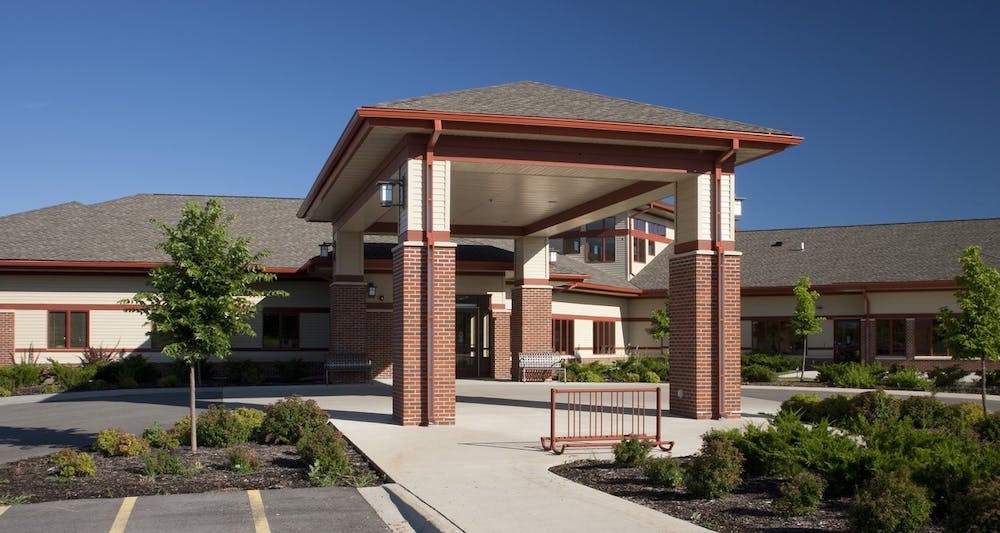
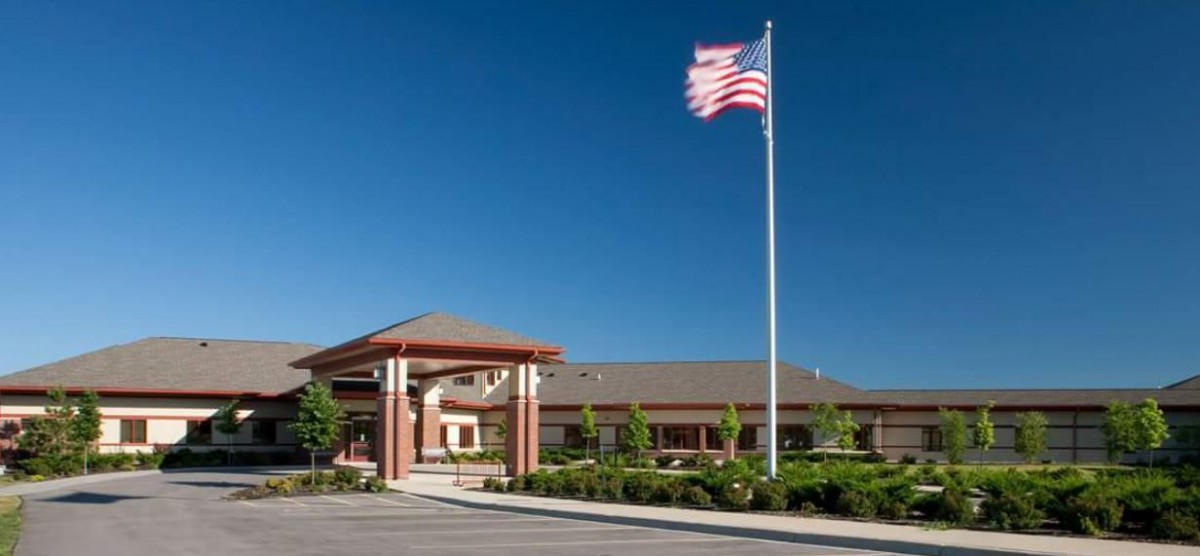
However, several practical drawbacks temper the otherwise strong profile. The most significant is cost; even with Medicaid, families often encounter substantial financial considerations that must be weighed against care quality and long-term planning. The county admission framework can constrain rapid placement, and the historic stigma of the site, rooted in its older architectural lineage, persists for some community members despite newer facilities and improved spaces. While multiple reviews describe cleanliness and friendly staff, there is a sense that the campus, though modernized, still carries the cautious aura of a county-run institution for some potential residents and families.
In the end, the decision to choose Badger Prairie hinges on Medicaid eligibility, memory-care needs, and tolerance for county-admission realities. It stands out for families seeking a clinically oriented, memory-focused environment with stable staffing, comprehensive therapy services, and a resident-centered culture that treats individuals with dignity and continuity. It is less compelling for those who require fast admission, non-county placement, or cost-limiting private-pay arrangements. The recommended next steps are clear: confirm Medicaid coverage and anticipated wait times within Dane County, arrange firsthand visits to observe unit-level interactions, and solicit candid feedback from current families about daily routines, staff responsiveness, and the perceived pace of care. When these criteria align, Badger Prairie offers a disciplined, capable home for a loved one facing dementia, with resources and routines designed to support safety, engagement, and peace of mind for families.
 120 resident community capacity
 Skilled Nursing Facility
 Air-conditioning
 Beauty salon
 Cable or satellite TV
 Computer center
 Dining room
 Fitness room
 Fully furnished
 Gaming room
 Garden
 Housekeeping services
 Kitchenette
 Move-in coordination
 Outdoor space
 Private bathrooms
 Restaurant-style dining
 Small library
 Telephone
 Wellness center
 Wi-Fi/high-speed internet available
 Dane County Regional (13 miles away)
 Community operated transportation
 12-16 hour nursing
 24-hour call system
 Activities of daily living assistance
 Assistance with bathing
 Assistance with dressing
 Assistance with transfers
 Diabetes diet
 Medication management
 Mental wellness program
 Special dietary restrictions
 Concierge services
 Planned day trips
 Understanding the Nuances of Palliative Care and Hospice: A Comprehensive Exploration
 Is In-Home Healthcare Tax Deductible? Your Comprehensive Guide
 Nurturing Well-Being Through Gardening: A Detailed Guide for Senior Enthusiasts