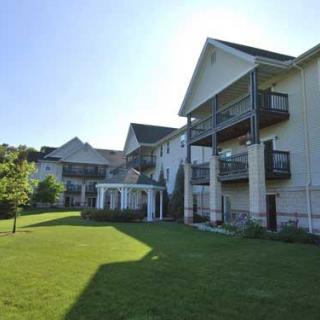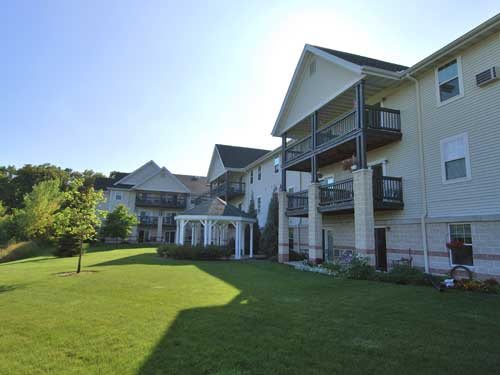
4200 S. 35th St. #105, Greenfield, WI 53221
To contact a resident: (414) 282-1188
For more information about senior living options: (866) 208-4318
White Oaks Costs & Pricing
At White Oaks, the cost of living presents a compelling alternative to the broader Milwaukee County and state averages. For those seeking a one-bedroom apartment, White Oaks offers an attractive rate of $669, significantly lower than the county's average of $3,057 and the state's average of $3,412. Similarly, two-bedroom options at White Oaks are priced at $828, which also undercuts both Milwaukee County's average of $2,654 and Wisconsin's statewide average of $3,111. These competitive pricing structures suggest that White Oaks could provide a more budget-friendly option for residents looking for quality accommodations without breaking the bank.
| Floor plans | White Oaks | Milwaukee County | Wisconsin |
|---|---|---|---|
| 1 Bedroom | $669 | $3,057 | $3,412 |
| 2 Bedrooms | $828 | $2,654 | $3,111 |
Senior living communities with a similar price nearby
-
from +$67 / mo
Quail Pointe
$736 to $893 / month16.5 miles away -
from +$108 / mo
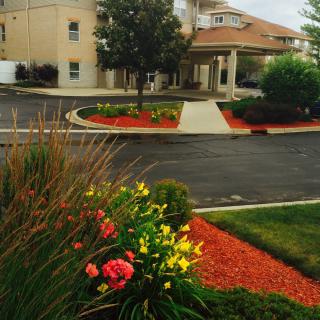
Brenwood Park
$777 to $932 / month6.4 miles away -
About the same

Clare Heights
$671 to $821 / month2.1 miles away -
from +$81 / mo
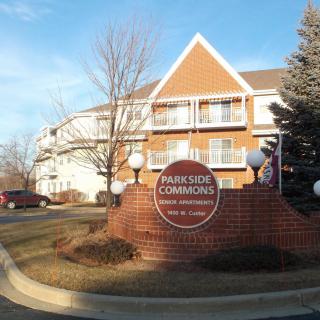
Parkside Commons Senior Apartments
$750 to $850 / month10.3 miles away -
from +$38 / mo
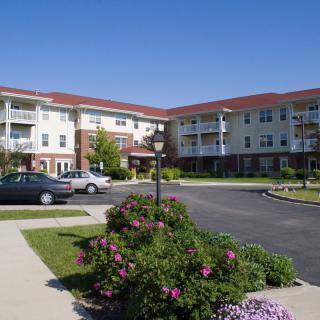
Bell Tower Place
$707 to $817 / month4.6 miles away
Overall Review of White Oaks
Pros
 Judy was extremely helpful in directing the reviewer to sister properties.
- She wasn’t dismissive about the lack of available units, which the reviewer appreciated.
- The reviewer felt at home at White Oaks even before moving in.
- The neighbors are caring and considerate.
- There is a great place to walk at the pond behind the property.
- Judy is a wonderful manager.
- Mace is on top of maintenance.
- The reviewer is glad they moved there.
Cons
 There are no units available.
- There is no longer a grocery bus service.
- The cost of using the washers and dryers has doubled.
Review
White Oaks in Greenfield, WI is best suited for seniors who prize a home-like, socially connected atmosphere where neighbors feel like a built-in support system and where a calm pondside setting invites everyday strolls. The community works best for residents who value approachable on-site management and dependable maintenance, and who can tolerate a slower path to move-in when units aren’t immediately available. In practice, this is a place where the daily texture, friendly faces, informal social ties, and a sense of belonging, matters as much as formal care services.
Those weighing alternatives should note that immediate move-in may not be feasible here. Prospective residents who must relocate quickly or who depend on structured transit to errands, including grocery trips, may want to explore sister properties within the same network. The staff’s willingness to direct inquiries to other properties shows there are comparable options, but it also signals that White Oaks itself may not always have current availability or the exact transportation benefits some residents rely on. This is a meaningful consideration for budgeting and planning.
The strongest positives offset the most tangible drawbacks. A genuine sense of community comes through in the way neighbors look out for one another and in how welcoming the environment feels well before a move-in. The walkability around the pond adds everyday practicality and a pleasant lifestyle feature that lowers the emotional barrier to settling in. Judy, the manager, is repeatedly described as wonderful, with a steady hand on operations, and maintenance is portrayed as responsive and capable under Mace’s supervision. These elements collectively create trust and reduce the friction often associated with moving into a new senior setting.
On the downside, two concrete faults stand out from the feedback. First, there is a recurring issue with unit availability; prospects may need to wait or be redirected to other properties, which can delay relocation plans. Second, the loss of the grocery bus service and the doubling of laundry costs are real budget and accessibility concerns. These factors can erode convenience and long-term affordability, especially for residents who rely on shared transportation for groceries or who watch every dollar in recurring fees. In practice, the cons are not fatal, but they are material and must be weighed against the warm community and responsive management.
In weighing the trade-offs, the prudent path is to treat White Oaks as a strong option for those who can align timing and transportation needs with its strengths. If a person can tolerate a potential wait for a unit and can absorb higher laundry costs while placing high value on neighborly support and steady on-site leadership, White Oaks offers a compelling everyday living experience. For anyone with immediate move-in requirements, or for households where grocery-stopping and transit access are non-negotiable, it is wise to survey sister properties now rather than risk a long hold or budget surprises.
The recommended approach is concrete: assess current availability not just at White Oaks but across the sister properties, and schedule a visit that prioritizes a candid discussion about transport options and fee structures. Confirm whether laundry charges have stabilized and clarify any alternative routes for grocery trips, such as partner services or community transportation programs, if applicable. Compare monthly costs against private pay plans and potential fee increases over time. In short, White Oaks delivers warmth, reliability, and a supportive environment; the decision rests on whether the timing aligns and the transportation and cost dynamics fit the resident’s budget and lifestyle priorities.
 Active Adult Communities (55+)
 Cats allowed
 Activities off-site
 Bath tubs
 Beautician on-site
 Devotional services on-site
 Indoor common areas
 Outdoor common areas
 General Mitchell International (3 miles away)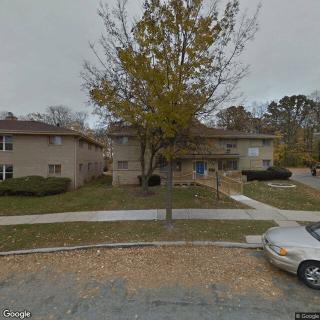

 Exploring Palliative Care in the Home: A Comprehensive Overview
 Comprehensive Insights into Palliative Home Care: What It Is and What to Expect
 Skilled Nursing Facilities vs. Nursing Homes: Making Sense of the Differences