
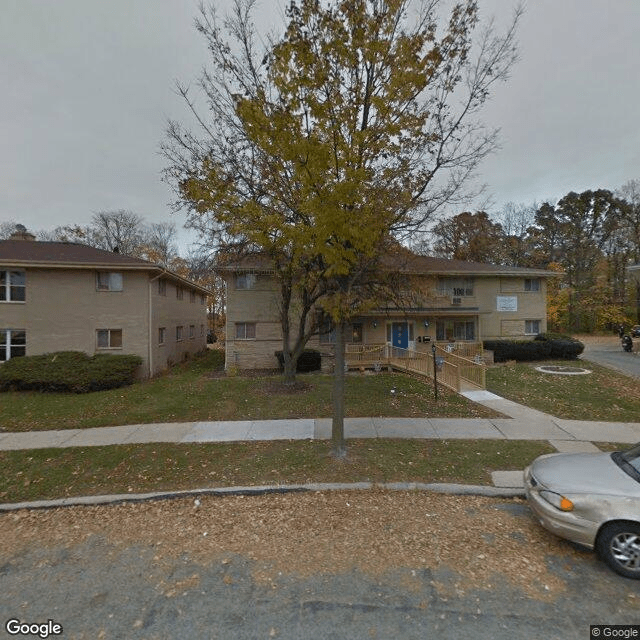
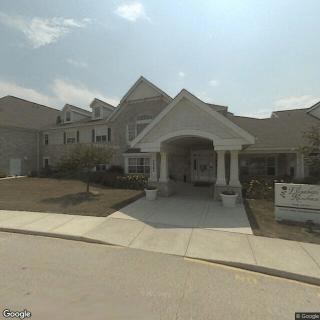
3031 W Fardale Ave, Milwaukee, WI 53221
To contact a resident: (414) 282-4123
For more information about senior living options: (866) 208-4318
Fardale Home Costs & Pricing
Fardale Home offers a competitive monthly rate for its studio accommodations at $2,900, significantly below both Milwaukee County's average of $3,841 and the state of Wisconsin's average of $3,999. This pricing not only reflects a cost-effective option for residents seeking quality care and amenities but also positions Fardale Home as an attractive choice for families considering long-term living arrangements. The lower costs associated with Fardale Home highlight its commitment to providing accessible services while maintaining a high standard of living for its residents.
| Floor plans | Fardale Home | Milwaukee County | Wisconsin |
|---|---|---|---|
| Studio | $2,900 | $3,841 | $3,999 |
Assisted Living communities with a similar price nearby
-
from -$100 / mo
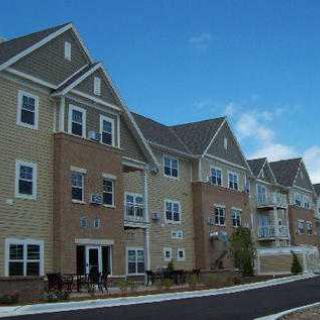
Deerwood Crossing Senior Residence
$2,800 to $3,200 / month12.9 miles away -
from +$169 / mo
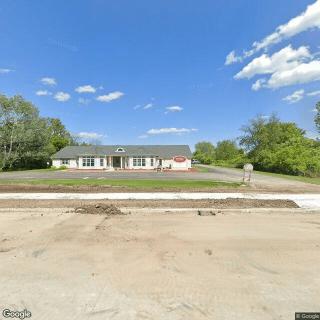
Matthews of Oak Creek
$3,069 / month4.9 miles away -
from -$280 / mo

Gall Family Care Home
$2,620 to $2,988 / month22.7 miles away -
from +$400 / mo
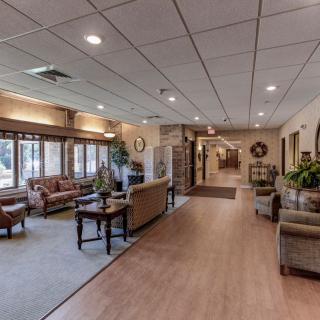
Elizabeth Gardens (Residential Care Apartment Complex)
$3,300 to $4,150 / month19.0 miles away -
from -$145 / mo
The Apartments at Elizabeth Residence
$2,755 to $3,640 / month14.5 miles away
Overall Review of Fardale Home
Pros
 The company is the best ever.
- They have great teamwork.
- The residents are awesome.
- The company truly stands behind its beliefs and values.
- They love others, tell the truth, work hard, and have fun.
- They rock at Fardale Home.
Cons
 The community wasn't suitable for her mother.
- It was a four-family building with all the residents in one unit, which felt quite crowded.
- The person she was supposed to meet with wasn't there for the scheduled time.
Review
This community is best suited for families that prize a warm, values-driven culture where teamwork and positive social energy shape daily life. Fardale Home can be a strong fit for residents who want to be part of a close-knit, optimistic community, where staff and fellow residents emphasize honesty, hard work, and having fun together. It is less appropriate for families seeking a high-privacy, highly structured environment with ample personal space or for those needing consistent, highly individualized attention from specialized care teams.
Alternatives are worth considering for those with different priorities. Families that require more private living arrangements, larger campuses, or a more predictable, appointment-driven care model may want to look at larger assisted living campuses or facilities that separate resident groups more distinctly. Those who prioritize space, clearer scheduling reliability, and a more formalized care coordination approach should compare other options in Milwaukee that offer private suites, better-defined unit layouts, and stronger systems for keeping appointments and tours timely.
The strongest pro is a clearly devoted culture. The staff and residents appear to rally around shared values, openness, teamwork, and a sense of community, producing a welcoming, energetic atmosphere. This vibe can offset some logistical rough edges because a cohesive team tends to be communicative, friendly, and motivated to create a supportive living environment. When the culture aligns with a family’s expectations, it can yield meaningful social engagement, lower stress, and a sense of belonging for residents who thrive in a lively, values-led setting.
Yet the conspicuous cons temper that warmth. The four-family building arrangement can feel cramped, with multiple households under one roof, which diminishes privacy and can amplify noise and congestion. In practice, this can undermine comfort for residents who value quiet, personal space, or more defined boundary between households. Additionally, reports of a scheduled meeting not occurring signal potential gaps in operational reliability and scheduling discipline. For families prioritizing routine, punctual communication, and predictable access to staff, these red flags warrant serious scrutiny before committing.
From a decision-making perspective, the pros and cons are not equally weighted. The compelling, community-centered culture is a meaningful differentiator that makes day-to-day life feel cohesive and uplifting. However, it does not fully neutralize the drawbacks of a crowded layout and imperfect scheduling. The combination suggests that Fardale Home excels for residents who want affiliation and camaraderie within a compact, intimate setting, while it may disappoint those who require more personal space, stronger privacy protections, and rock-solid appointment systems.
In the Milwaukee market, where families compare cost, space, and care quality, it is essential to test-drive the fit. Prospective residents should tour at multiple times, meet direct care staff, and ask for a floor plan that clarifies unit boundaries and communal areas. Inquiry should cover staff-to-resident ratios, care coordination processes, and what happens when schedules slip. Cost transparency, amenities, and meal options deserve explicit confirmation in relation to the level of care needed. If the culture resonates and space logistics are acceptable, Fardale Home can deliver a fulfilling, community-forward experience; if not, it is wise to pursue alternatives that prioritize privacy, space, and scheduling reliability.
Bottom line: Fardale Home presents a compelling option for families prioritizing character, community, and a devoted care team. For those who place privacy, space, and consistent scheduling at the top of their checklist, exploring other Milwaukee communities with stronger separation of units and more predictable operations is a prudent move. A disciplined review, tours, conversations with residents, and a clear understanding of floor plans and care coordination, will reveal whether the warmth of Fardale’s culture is the right trade-off for the individual needs of a loved one.
 Assisted Living
 Activities off-site
 Bath tubs
 Devotional services off-site
 Indoor common areas
 Outdoor common areas
 Respite or short term stays offered
 General Mitchell International (3 miles away)
 Ambulatory care
 Diabetic care
 Incontinence care
 Medication management
 Meals provided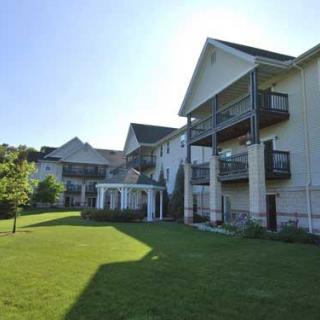


 Comprehensive Insights into Activities of Daily Living (ADLs) and Their Assessment
 Medicare Coverage for Assisted Living: An In-Depth Exploration
 Your Comprehensive Guide to Luxury Assisted Living: Elevated Facilities, Amenities, and Costs