At Clare Terrace, the monthly cost for a one-bedroom apartment is competitively priced at $2,700. This figure stands out favorably when compared to the average costs in Milwaukee County and Wisconsin as a whole, which are $3,057 and $3,412 respectively. By choosing Clare Terrace, residents can enjoy substantial savings while benefiting from a quality living environment that reflects both comfort and value. Such pricing not only positions Clare Terrace as an attractive option within the local housing market but also highlights its commitment to providing affordable yet appealing accommodations for individuals seeking a home in the area.
Floor plans
Clare Terrace
Milwaukee County
Wisconsin
1 Bedroom
$2,700
$3,057
$3,412
Assisted Living communities with a similar price nearby
Residents and families consistently describe staff as friendly, helpful, and respectful.
Many reviews highlight staff who are polite, caring, and attentive to residents and visitors. Several people also mention feeling supported through the process, including during tours and move-in conversations, and say residents are being taken care of. A few reviews contrast that positive experience with claims of neglect and poor professionalism, so impressions are not fully uniform.
common2 reviews mention this
Facility cleanliness is frequently praised
Multiple reviewers mention the community looks and feels clean.
At least some residents and workers describe the building as clean and well kept. At the same time, there are also serious negative reviews alleging bed bug issues and unsafe day-to-day practices, which directly conflicts with the cleanliness praise.
common3 reviews mention this
Activities and family feel
Reviews describe regular group activities and a family-oriented atmosphere.
Several reviewers say the community is family oriented, with people interacting during activities like coffee talks and group events. The community also offers on-site and off-site activities and devotional activities on-site, which matches the focus on scheduled engagement. One reviewer also points to residents planning fun activities regularly, reinforcing the theme.
caveat2 reviews mention this
Safety and neglect concerns recur
Some residents and family members raise serious concerns about safety and care quality.
A couple of reviews describe neglect-related incidents and claim residents were not properly monitored and assisted, including a diabetic-related concern. Those same negative reviews also allege problems like bed bugs and staff behavior issues. Because these critiques are severe and repeated, they stand out as the main downside theme despite the many positive staff and cleanliness comments.
How we summarize
Counts show how many written reviews mention each theme; a review can touch several themes, and only frequently mentioned themes are displayed.
Features
Types of Care
Assisted Living
Amenities
Activities off-site
Activities on-site
Beautician on-site
Devotional services on-site
Indoor common areas
Outdoor common areas
Transportation
General Mitchell International (4 miles away)
Care Services
Ambulatory care
Diabetic care
Incontinence care
Medication management
Dining
Meals provided
Vegetarian
Activities
Activities off-site
Activities on-site
Devotional activities on-site
Nearby Places of Interest
This area of Milwaukee, Wisconsin offers a convenient and accessible location with a variety of amenities nearby. There are several pharmacies, hospitals, physicians' offices, and parks within a short driving distance, providing easy access to healthcare services and recreational opportunities. Additionally, there is a good selection of restaurants and cafes for dining out or grabbing a coffee with friends. Transportation options include the Milwaukee Mitchell International Airport and the Milwaukee Intermodal Station for those looking to travel. Places of worship are also available nearby for spiritual enrichment. Overall, this neighborhood provides a comfortable and well-rounded environment for seniors looking to settle in Milwaukee.
At Clare Terrace, the monthly cost for a one-bedroom apartment is competitively priced at $2,700. This figure stands out favorably when compared to the average costs in Milwaukee County and Wisconsin as a whole, which are $3,057 and $3,412 respectively. By choosing Clare Terrace, residents can enjoy substantial savings while benefiting from a quality living environment that reflects both comfort and value. Such pricing not only positions Clare Terrace as an attractive option within the local housing market but also highlights its commitment to providing affordable yet appealing accommodations for individuals seeking a home in the area.
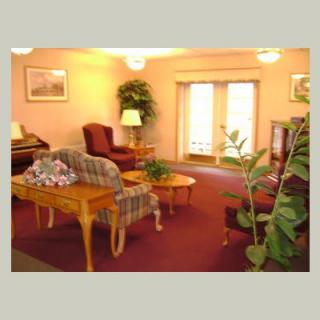
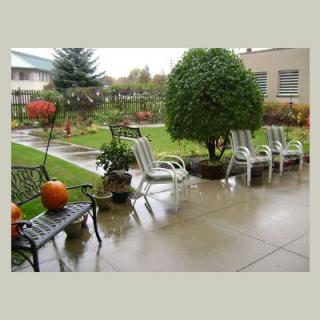
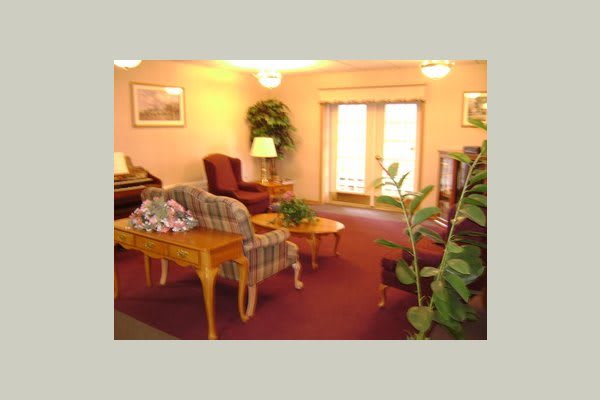
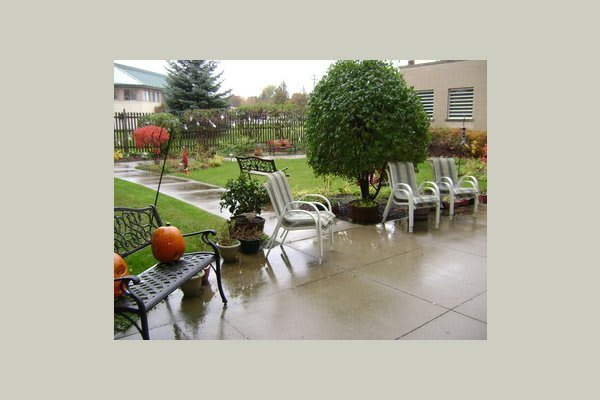
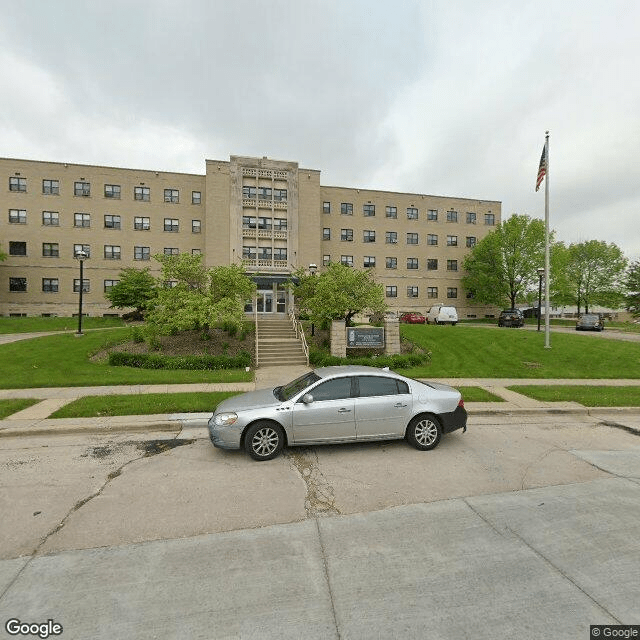
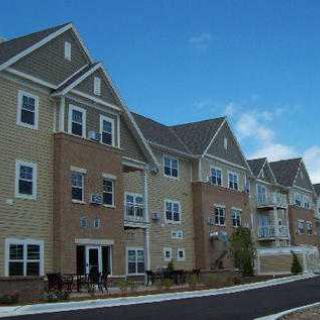
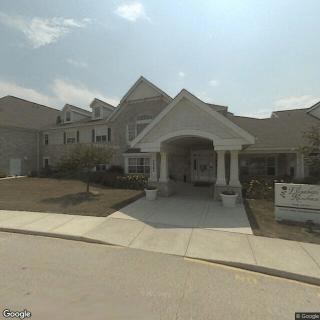
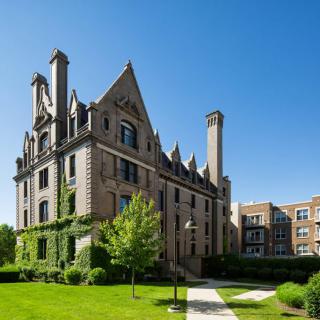
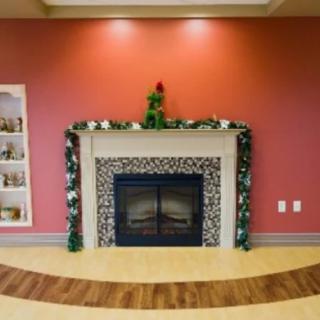
Clare Terrace on seniors.fyi includes 4 photos including images showing outdoors, landscaping, church, decor, living room, interior, plant, garden, and more.
Nearby Communities
Landmark Terrace
Milwaukee, WI
Comprehensive on-site amenities and care options (salon, dining, transportation, fitness, mental wellness).
Sunrise Health Services
Milwaukee, WI
3 from 65 reviews
Extensive on-site amenities (salon, dining, fitness, library, Wi?Fi) with 24/7 supervision and daily living assistance.
Bradley House
Milwaukee, WI
Fully furnished apartments with comprehensive care and transportation.
Tripoli House
Milwaukee, WI
Fully furnished units with 24/7 supervision, meals, medication management, and medical transportation.
35th Street Home
Greenfield, WI
Comprehensive assisted living with diabetes care, medication management, housekeeping, meals with dietary accommodations, and organized activities.
32Nd Street
Greenfield, WI
4.8 from 110 reviews
Comprehensive on-site care and amenities (24/7 supervision, meals, medication management, transportation) with activity programs.
Aria at Mitchell Manor
West Allis, WI
3.1 from 89 reviews
$3,710 to $4,400 / month
Spacious rooms with friendly staff and well-kept grounds.
St Ann Rest Home
Milwaukee, WI
3.8 from 33 reviews
Clean facility with friendly staff, good dining, and a variety of activities.
Clare Heights
Milwaukee, WI
4.7 from 38 reviews
$671 to $821 / month
Safe, clean, and well-maintained with attentive management and underground parking.
Transitioning from assisted living to memory care is driven by an individual's cognitive decline and specific needs, requiring careful evaluation of indicators like increased confusion and wandering. The process involves consulting medical professionals, researching suitable communities, considering financial and legal aspects, and ensuring effective communication for personalized care plans.
Assisted living provides moderate support for seniors seeking independence, while memory care offers specialized support for individuals with dementia or cognitive impairments through structured routines and trained staff. Key differences include care approaches, environment security measures, staff training levels, activity types, and cost considerations.
Assisted living communities offer diverse activities beyond traditional games to enhance seniors' physical health, cognitive well-being, emotional enrichment, and social connections, including fitness classes, creative expression, and intergenerational interactions. These enriching programs foster community bonds and support residents' independence and happiness.
Get PricingAsk A QuestionSchedule A TourContact Senior Advisor
By clicking submit, you agree to our Partner's Terms of Use. You
also consent to receive calls and texts, which may be autodialed, from our Partner. Your consent is not a condition to
using our Partner's service. Please visit our Partner's Privacy Policy for information about their privacy practices.




 Assisted Living
 Activities off-site
 Beautician on-site
 Devotional services on-site
 Indoor common areas
 Outdoor common areas
 General Mitchell International (4 miles away)
 Ambulatory care
 Diabetic care
 Incontinence care
 Medication management
 Meals provided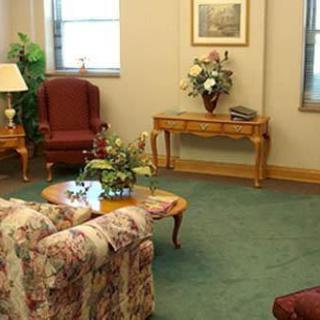
 Comprehensive on-site amenities and care options (salon, dining, transportation, fitness, mental wellness).
 When to Transition from Assisted Living to Memory Care: Key Indicators, Steps, and Finding the Right Community
 Assisted Living and Memory Care: Understanding Their Core Differences
 Beyond the Bingo Hall: 50+ Enriching Activities for Seniors in Assisted Living