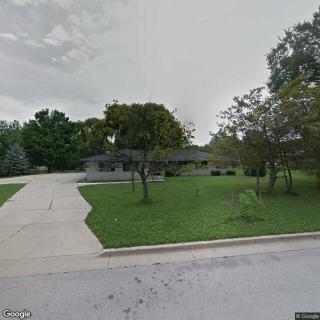
Options For Community Growth

4608 4610 South 38Th Street, Greenfield, WI 53221

For more information about senior living options: (844) 490-3973

3 from 7 reviews
5 stars
3
4 stars
0
3 stars
1
2 stars
0
1 stars
3

Assisted Living

Overall Review of Options For Community Growth

Pros

  • pro The group home manager is extremely helpful and super cool.
  • pro Jamie Hitchler keeps up the great work.
  • pro Heather Hitchler keeps up the great work.

Cons

  • pro The driver was speeding and driving aggressively through a quiet residential neighborhood.
  • pro The driver tailgated, ran red lights, and showed no regard for pedestrian safety, including children.
  • pro This kind of driving is completely unacceptable in a residential zone; safety should never be compromised.
  • pro The driver is described as a danger on the road and a hazard to other motorists.
  • pro The driver cut off another vehicle on the freeway so aggressively that it forced the other driver to brake hard and risked an accident.
  • pro The facility's extensions reportedly go to voicemail, making it hard to get help.

Review

Several residents and their caregivers have raised serious concerns about a community van operating in Greendale, describing a pattern of dangerous driving that puts families and others in the neighborhood at risk. The core complaint centers on reckless behavior behind the wheel: speeding through a quiet residential area, tailgating, running red lights, and showing little apparent regard for pedestrians. The accounts emphasize that this kind of conduct is not only inappropriate for a service vehicle but potentially life-threatening for children, seniors, and anyone in the path of the van.

One detailed account focuses on a particular family group home along West Tripoli Avenue, where Lance and Mickey reside. The writer notes that the same van that is supposed to provide safe transportation for residents has been observed driving aggressively. The description emphasizes the residential setting - where children are routinely present after school - and insists that speed and aggression in or near these zones are unacceptable. This account also foregrounds a sense of personal stake, underscoring that safety in a neighborhood with vulnerable residents must not be compromised.

In the same vein, another reviewer who does not claim intimate knowledge of the facility nonetheless echoes the sentiment that the community van driver poses a danger on the road. This person describes being cut off so egregiously on the freeway that they had to brake hard to avoid a collision, with the incident potentially causing an accident behind them. Compounding the concern is a sense of frustration with communication: attempts to reach the facility were met with extensions that simply go to voicemail, leaving them without timely guidance or reassurance about how the situation would be addressed.

A third submission adds a concrete identifier to the mix: a van with the plate number 401-WCG. This reviewer asserts that the driver needs a driving lesson, citing a moment when the vehicle cut them off and sped to get ahead at a red light, all while rain created hazardous conditions with three children in the car. The suggestion is practical and poignant - install speed monitors and dash cams to document driving behavior and deter reckless actions in the future.

Taken together, these accounts sketch a troubling pattern of aggressive driving that could undermine public safety and erode trust in the transportation service. They also highlight gaps in communication with the facility, suggesting that when incidents occur or concerns are raised, families and staff do not receive prompt or clear responses. The stories vary in detail and whether the person speaking is a resident, a staff member, or a bystander, but the throughline is consistent: there is a perceived risk to pedestrians, including school-age children, and to other drivers on busy roads and in residential neighborhoods.

Despite the alarm raised by these reviews, there is also a glimmer of appreciation for the people who work in the group homes. One portion of the messages specifically applauds Jamie Hitchler and Heather Hitchler, encouraging them to "keep up the great work." This acknowledgment suggests that while there is strong concern about vehicle safety, there are individuals within the system who are viewed positively for their efforts and commitment. It serves as a reminder that the issue is not a blanket condemnation of all staff, but a call for accountability and safety improvements within the driving operations.

Ultimately, the collective voice here calls for meaningful actions to restore confidence in the transportation service. The core requests revolve around stricter driver training, the introduction of monitoring tools such as dash cams and speed monitors, and clearer, more reliable communication channels so that families and staff can report concerns and receive timely responses. Above all, the messages emphasize that safety must come first - especially in residential zones and around facilities housing vulnerable individuals - so that all who rely on this service can feel secure while the van is in operation.

Features

Housing

  • 4 resident community capacity 4 resident community capacity

Types of Care

  • Assisted Living Assisted LivingAssisted living facilities provide crucial support and care for seniors who may need help with daily tasks such as medication management, bathing, and meal preparation. These communities offer a safe and comfortable environment where seniors can maintain their independence while receiving the assistance they need to thrive in their golden years.

Amenities

  • Cable or satellite TV Cable or satellite TVCable or satellite TV is important for seniors because it provides entertainment, news, and companionship, helping to combat loneliness and boredom. It also offers a wide range of programming options tailored to different interests and preferences.
  • Dining room Dining roomDining rooms are important for seniors as they provide a space for socialization, connection, and nutritious meals. They offer opportunities for residents to bond over shared meals, foster a sense of community, and promote healthy eating habits. Dining rooms also ensure that seniors have access to well-balanced meals tailored to their dietary needs and preferences.
  • Fully furnished Fully furnishedFully furnished senior living communities are important for seniors because they provide convenience, comfort, and a hassle-free moving experience. Seniors can easily settle into their new living space without the stress of having to buy and move furniture. This allows them to focus on enjoying their new home and community.
  • Garden GardenGardens are important for seniors as they provide a peaceful and therapeutic environment for relaxation, physical activity, and socialization. Being in nature has been shown to reduce stress, improve mood, and promote overall well-being. Gardens also offer opportunities for seniors to engage in gardening activities, which can improve mobility, flexibility, and cognitive function. Additionally, gardens create a sense of community and connection with others who share a passion for plants and outdoor spaces.
  • Housekeeping services Housekeeping servicesHousekeeping services are important for seniors because they help maintain a clean and safe living environment, promote independence, and reduce the risk of accidents or illnesses. Additionally, having assistance with household chores can alleviate physical strain and allow seniors to focus on other aspects of their well-being.
  • Move-in coordination Move-in coordinationMove-in coordination is important for seniors because it helps ease the transition into their new living environment. It ensures that all logistics, such as packing, organizing movers, and setting up utilities are taken care of, allowing seniors to focus on settling in and adjusting to their new home. Having a smooth move-in process can alleviate stress and anxiety, making the transition smoother and more enjoyable for seniors.
  • Outdoor space Outdoor spaceOutdoor spaces are important for seniors as they provide opportunities for physical activity, social interaction, exposure to natural light and fresh air, and a sense of connection to nature. Having access to outdoor spaces can improve overall well-being and quality of life for older adults living in senior communities.
  • Telephone TelephoneTelephones are important for seniors as they provide a lifeline for communication with loved ones, emergency services, and healthcare providers. They offer a sense of security and independence, enabling seniors to stay connected and access assistance when needed.
  • Wi-Fi/high-speed internet available Wi-Fi/high-speed internet availableWi-Fi/high-speed internet is important for seniors to stay connected with loved ones, access online resources, and participate in virtual activities to combat feelings of loneliness and isolation. It also allows them to easily manage healthcare needs, access entertainment, and engage in lifelong learning opportunities.

Transportation

  • General Mitchell International (3 miles away) General Mitchell International (3 miles away)

Care Services

  • 24-hour supervision 24-hour supervision24-hour supervision is important for seniors to ensure their safety, well-being, and access to immediate assistance in case of emergencies or health issues. This constant support provides peace of mind for both seniors and their loved ones, allowing them to age in place with dignity and security.
  • Activities of daily living assistance Activities of daily living assistanceActivities of daily living assistance are important for seniors because they provide essential support with tasks such as eating, bathing, dressing, and mobility. This assistance helps seniors maintain their independence, dignity, and overall quality of life as they age.
  • Assistance with bathing Assistance with bathingAssistance with bathing is crucial for seniors as it helps maintain personal hygiene, prevents infections, and ensures their overall well-being and comfort. It also provides a sense of dignity and independence for seniors who may struggle with this task on their own.
  • Assistance with dressing Assistance with dressingAssistance with dressing is important for seniors because it helps maintain their independence, promotes personal hygiene, prevents accidents and injuries, and improves overall quality of life. This service ensures that seniors can continue to dress comfortably and confidently, despite any physical limitations they may have.
  • Assistance with transfers Assistance with transfersAssistance with transfers is crucial for seniors as it helps prevent falls and injuries, maintains their independence, and ensures they can safely navigate their living environment. It also provides peace of mind for both seniors and their loved ones.
  • Coordination with health care providers Coordination with health care providersCoordination with health care providers is crucial for seniors to ensure proper medical care, medication management, and overall well-being. This collaboration helps prevent overlapping treatments, track progress more effectively, and provide comprehensive support tailored to individual needs.
  • Diabetes diet Diabetes dietA diabetes diet is crucial for seniors as it helps manage blood sugar levels, reduce risks of complications, and improve overall health and well-being. By following a balanced and nutritious diet tailored to their specific needs, seniors can better control their diabetes and enhance their quality of life.
  • Meal preparation and service Meal preparation and serviceMeal preparation and service are crucial for seniors as they may have limited mobility or energy to cook nutritious meals. Having access to healthy and convenient food options can ensure they are getting the proper nutrition needed to maintain their overall health and well-being.
  • Medication management Medication managementMedication management is crucial for seniors to ensure they are taking the right medications at the correct dosages and times. This helps prevent adverse drug interactions, reduces the risk of medication errors, and promotes overall health and well-being. Proactive management also allows for adjustments as needed based on changing health conditions or new prescriptions.
  • Special dietary restrictions Special dietary restrictionsSpecial dietary restrictions are important for seniors because age-related changes in metabolism and health conditions can make it difficult for their bodies to process certain foods. By following a diet tailored to their specific needs, seniors can maintain their overall health and well-being, manage chronic conditions, and reduce the risk of complications such as malnutrition or food interactions with medications.
  • Transportation arrangement (medical) Transportation arrangement (medical)Transportation arrangements for medical purposes are essential for seniors as they may have difficulty driving themselves to appointments or accessing public transportation. Having reliable and safe transportation options ensures that seniors can receive timely medical care and maintain their health and well-being.
  • Transportation to doctors appointments Transportation to doctors appointmentsTransportation to doctors' appointments is crucial for seniors as it ensures they have access to necessary medical care and support for their health needs. Without reliable transportation, seniors may struggle to attend important appointments, leading to potential delays in treatment and health complications. Providing transportation services helps seniors maintain their overall well-being and quality of life.

Dining

  • Diabetes diet Diabetes dietA diabetes diet is crucial for seniors as it helps manage blood sugar levels, reduce risks of complications, and improve overall health and well-being. By following a balanced and nutritious diet tailored to their specific needs, seniors can better control their diabetes and enhance their quality of life.
  • Special dietary restrictions Special dietary restrictionsSpecial dietary restrictions are important for seniors because age-related changes in metabolism and health conditions can make it difficult for their bodies to process certain foods. By following a diet tailored to their specific needs, seniors can maintain their overall health and well-being, manage chronic conditions, and reduce the risk of complications such as malnutrition or food interactions with medications.

Activities

  • Community-sponsored activities Community-sponsored activitiesCommunity-sponsored activities are important for seniors as they provide opportunities for social interaction, mental stimulation, and physical activity. These activities can help improve overall well-being, combat loneliness and isolation, and promote a sense of belonging and purpose among older adults.
  • Scheduled daily activities Scheduled daily activitiesScheduled daily activities are important for seniors because they provide structure, socialization, mental stimulation, and physical activity. Engaging in regular activities can improve overall well-being and quality of life for seniors living in a community setting.

Description

Welcome to our assisted living community in Greenfield, WI! We pride ourselves on offering a range of amenities and care services to ensure that our residents enjoy a comfortable and fulfilling lifestyle.

Our community provides fully furnished apartments with a dining room for meals and socializing. Residents can take advantage of our beautiful outdoor space, perfect for enjoying fresh air and nature. Housekeeping services are provided to keep common areas clean and well-maintained.

For convenience, we offer move-in coordination services to assist new residents in settling in seamlessly. Additionally, we provide telephone and Wi-Fi/high-speed internet access so that residents can stay connected with loved ones.

Our dedicated staff is trained to provide assistance with activities of daily living such as bathing, dressing, and transfers. We also coordinate with health care providers to ensure that residents receive the necessary medical attention. For those with specific dietary needs, our diabetes diet options and special dietary restrictions are available.

Residents can enjoy delicious meals prepared by our culinary team, accommodating any dietary restrictions they may have. Medication management services are provided to ensure that medications are taken correctly and on time.

Transportation arrangement for medical purposes is available, as well as transportation to doctors' appointments. Our community is conveniently located near five cafes, five parks, 27 pharmacies, six physicians' offices, 29 restaurants, six transportation options, one theater, and three hospitals – providing ample opportunities for recreation and healthcare access.

To promote an active lifestyle among residents, we offer scheduled daily activities designed to engage and entertain. Whether it's participating in group exercises or joining in on arts and crafts sessions, there is something for everyone.

At our assisted living community in Greenfield, WI, we strive to create an enriching environment where residents can live comfortably while receiving the care they need.

Nearby Places of Interest

Physicians

  • Sports Medicine & Orthopedic Center (0.5 miles)
  • Layton Avenue Dermatolgy Clinic (0.5 miles)
  • Greendale Health Center (2.4 miles)
  • Innovative Pain Care (3.1 miles)
  • Maplewood Center (3.6 miles)
  • Oklahoma Pediatrics-Children's Wisconsin (4.4 miles)
  • Lincoln Avenue Clinic (5.4 miles)

Pharmacies

  • Walgreens (0.5 miles)
  • Walgreens (0.7 miles)
  • CVS Pharmacy (1.2 miles)
  • Meijer Pharmacy (1.3 miles)
  • Walgreens (1.9 miles)
  • Walgreens (2.2 miles)
  • Walgreens (2.3 miles)

Restaurants

  • McDonald's (1.7 miles)
  • Culver's (2.2 miles)
  • El Beso (2.3 miles)
  • Milwaukee Burger Company (2.3 miles)
  • McDonald's (2.4 miles)
  • The Explorium Brewpub Southridge (2.4 miles)
  • Kopp's Frozen Custard (2.4 miles)

Hospitals

  • Aurora St Luke's Medical Center (2.1 miles)
  • Surgicenter - Children's Wisconsin (4.4 miles)
  • Froedert Drexel Square Clinic (4.6 miles)
  • Rogers Memorial Hospital (5.3 miles)

Cafes

  • Starbucks (2.4 miles)
  • Hawthorne Coffee Roasters (2.7 miles)
  • Starbucks (3.5 miles)
  • Colectivo Coffee (4.1 miles)
  • Starbucks (4.6 miles)
  • Starbucks (5.7 miles)

Transportation

  • Milwaukee Mitchell International Airport (MKE) (3.1 miles)
  • Security Checkpoint (3.1 miles)
  • Delta Ticket Counter (3.1 miles)
  • Concourse C (3.2 miles)
  • Concourse D (3.3 miles)
  • MKE Runway (3.7 miles)
  • Milwaukee Intermodal Station (5.6 miles)

Parks

  • West Allis West Milwaukee Recr (3.2 miles)
  • Humboldt Park (3.7 miles)
  • Runway Dog Exercise Area (4.1 miles)
  • South Shore Park (4.7 miles)
  • Paliafito Park (4.9 miles)
  • Henry Maier Festival Park (5.7 miles)

Theaters

  • South Shore Cinema Oak Creek, Wi (3.6 miles)

Frequently Asked Questions

Where is Options For Community Growth?

Nearby Communities

Related Resources

  • how to pay for assisted livingFunding and Affording Assisted Living: A Thorough Overview

    Assisted living facilities provide support for older adults needing help with daily activities without extensive medical care, but their costs can be high and vary by location and services offered. Families often seek various funding options and financial strategies to manage these expenses effectively while considering future needs and potential price increases.

  • assisted living insuranceAssisted Living Expenses and Long-Term Care Insurance: A Comprehensive Exploration

    The article discusses assisted living expenses, the importance of long-term care insurance in covering these costs, and various financing options, highlighting the need for careful policy review and early planning to address potential needs. It also clarifies common misconceptions about Medicare and private health insurance limitations regarding long-term care coverage.

  • how to pay for assisted livingSecuring Financial Support for Assisted Living: A Comprehensive Overview

    Assisted living facilities offer crucial support for older adults needing help with daily activities but come with varying and significant costs, which can be financed through personal savings, government assistance programs, long-term care insurance, and home equity options. Professional guidance from experts can aid families in navigating these financial complexities to establish a sustainable budgeting approach for assisted living services.