For more information about senior living options: (866) 208-4318
3.8 from 27 reviews
5 stars
18
4 stars
1
3 stars
0
2 stars
1
1 stars
7
Milwaukee Catholic Home, a CCRC Costs & Pricing
Milwaukee Catholic Home, a Continuing Care Retirement Community (CCRC), offers competitive pricing for its residents when compared to both Milwaukee County and the broader state of Wisconsin. For instance, a studio apartment is available at $1,838 per month, significantly lower than the county average of $3,841 and the state average of $3,999. This favorable pricing continues with one-bedroom units, priced at $2,989, which remains just slightly below Milwaukee County's average of $3,057 and substantially less than the state average of $3,412. However, it's worth noting that the cost for two-bedroom accommodations at Milwaukee Catholic Home is $4,083 per month - higher than both Milwaukee County's average of $2,654 and Wisconsin's average of $3,111. Overall, Milwaukee Catholic Home presents an appealing option for seniors seeking affordable living arrangements in a supportive community environment while still allowing for varied needs and preferences in housing options.
Floor plans
Milwaukee Catholic Home, a CCRC
Milwaukee County
Wisconsin
Studio
$1,838
$3,841
$3,999
1 Bedroom
$2,989
$3,057
$3,412
2 Bedrooms
$4,083
$2,654
$3,111
Memory care communities with a similar price nearby
Residents and families frequently describe the staff as caring and welcoming.
Many reviews say staff members are warm, patient, and attentive, from rehab through nursing. Several families describe cheerful, helpful interactions and praise nurses and CNAs for doing a good job. A few reviewers also highlight therapists and administrators as supportive during recovery and day-to-day care.
differentiator9 reviews mention this
Meals are a frequent highlight
Meals stand out in the reviews, with praise for quality and chefs.
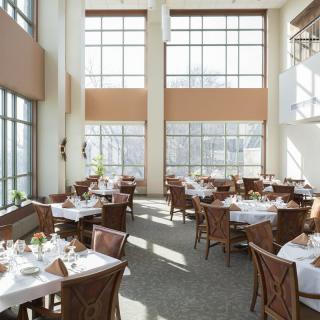
Multiple residents and families praise the food as excellent, including specific comments about therapists and kitchen service during rehab stays. Reviews also mention made-for-dining experiences, with compliments that the kitchen teams cook well and can accommodate preferences. The community also offers restaurant-style dining, which aligns with the repeated food-focused feedback.
caveat4 reviews mention this
Bug and kitchen concerns recur
Several reviewers raise recurring concerns about bugs and kitchen conditions.
A handful of reviews describe infestations, including bed bugs and mice, along with concerns that the issue was not effectively handled. Others mention fruit flies and describe kitchen practices they viewed as unsanitary. These comments cluster around health and hygiene problems rather than routine service complaints.
caveat5 reviews mention this
Staff responsiveness and falls worries
Some residents describe problems with responsiveness and safety follow-through.
Several negative reviews describe situations where residents seemed to wait too long for help or where care needs were not met promptly. There are also complaints about equipment issues and missed monitoring, including one reviewer mentioning an emergency response concern during shift changes. A few reviews tie these issues to safety outcomes like falls and resulting bruising.
common4 reviews mention this
Programs include mass, music, and more
Reviews highlight structured activities, including mass and music programs.
Several reviewers say they or their loved ones enjoyed organized programs during rehab or longer stays. Comments specifically mention attending mass and enjoying activities like music programs and themed events. This lines up with the community listing devotional offerings and a range of classes and outings.
How we summarize
Counts show how many written reviews mention each theme; a review can touch several themes, and only frequently mentioned themes are displayed.
Features
Types of Care
Assisted Living
Independent Living
Memory Care
Pets
Cats allowed
Amenities
Activities off-site
Activities on-site
Bath tubs
Beautician on-site
Cable or satellite TV
Devotional services off-site
Devotional services on-site
Indoor common areas
Outdoor common areas
Respite or short term stays offered
Swimming pool / hot tub
Wheelchair accessible showers
Wi-Fi/high-speed internet available
Transportation
General Mitchell International (8 miles away)
Care Services
Ambulatory care
Diabetic care
Incontinence care
Medication management
Dining
Gluten-free
Guest meals
International cuisine
Low / no sodium
Meals provided
No Sugar
Organic
Professional chef
Restaurant style dining
Room service
Vegan
Vegetarian
Activities
Art classes
Brain fitness
Cooking classes
Day trips and outings
Devotional activities offsite
Devotional activities on-site
Educational speakers / life long learning
Forever fit
Live well programs
Stretching classes
Tai Chi
Wine tasting
Yoga / chair yoga
Nearby Places of Interest
This part of Milwaukee, Wisconsin offers a mix of amenities and services that would be beneficial for senior living. With a variety of restaurants and cafes within close proximity, residents can easily access meals and socialize with friends. Nearby pharmacies provide convenient access to medication and healthcare needs. The area also boasts several parks for seniors to enjoy outdoor activities and nature walks. Additionally, reliable transportation options are available for easy travel around the city. For medical care, there are several hospitals and physicians' offices in the vicinity, ensuring quality healthcare services are easily accessible. Places of worship are also nearby for spiritual support. Overall, this area provides a well-rounded environment for seniors looking for a comfortable and convenient place to live.
Restaurants
Champion's Pub (0.5 miles)
McDonald's (0.5 miles)
Jamo's (0.9 miles)
Veggas Pub (1.1 miles)
The Tracks (1.1 miles)
Company Brewing (1.1 miles)
Glorioso's Italian Market (1.2 miles)
Cafes
Colectivo Lakefront (0.7 miles)
Colectivo Coffee (4.3 miles)
Starbucks (5.1 miles)
Starbucks (5.7 miles)
Starbucks (6.5 miles)
Hawthorne Coffee Roasters (6.6 miles)
Starbucks (7.1 miles)
Pharmacies
Walgreens (0.8 miles)
CVS Pharmacy (0.9 miles)
Walgreens (0.9 miles)
Metro Market Pharmacy (1.7 miles)
Walgreens (1.8 miles)
Walgreens (2 miles)
Walgreens (2.4 miles)
Parks
Kern Park (1.7 miles)
Lakeshore State Park (1.9 miles)
Atwater Park (1.9 miles)
Red Arrow Park (2 miles)
Henry Maier Festival Park (2.6 miles)
Estabrook Park (2.8 miles)
Paliafito Park (3.3 miles)
Transportation
Milwaukee Intermodal Station (2.7 miles)
Hospitals
Aurora Sinai Medical Center (2.8 miles)
Wheaton Franciscan - St. Joseph Campus (4.9 miles)
Milwaukee Catholic Home, a Continuing Care Retirement Community (CCRC), offers competitive pricing for its residents when compared to both Milwaukee County and the broader state of Wisconsin. For instance, a studio apartment is available at $1,838 per month, significantly lower than the county average of $3,841 and the state average of $3,999. This favorable pricing continues with one-bedroom units, priced at $2,989, which remains just slightly below Milwaukee County's average of $3,057 and substantially less than the state average of $3,412. However, it's worth noting that the cost for two-bedroom accommodations at Milwaukee Catholic Home is $4,083 per month - higher than both Milwaukee County's average of $2,654 and Wisconsin's average of $3,111. Overall, Milwaukee Catholic Home presents an appealing option for seniors seeking affordable living arrangements in a supportive community environment while still allowing for varied needs and preferences in housing options.
Milwaukee Catholic Home's memory care services are enhanced by several key features that cater to the specific needs of residents with dementia or Alzheimer's disease. Medication management ensures that residents receive their prescribed medications consistently and on time, reducing confusion and improving overall health outcomes. Incontinence care is thoughtfully provided, allowing residents to maintain dignity and comfort while minimizing the stress often associated with incontinence issues. Additionally, brain fitness programs are designed to engage cognitive abilities through stimulating activities, fostering mental agility and promoting social interaction, which can slow cognitive decline and enhance quality of life for those facing memory challenges. Together, these services create a supportive environment that respects the unique needs of each resident while promoting their well-being and independence.
Reminiscence therapy is a structured method for older adults, especially those with dementia, to share life stories using prompts and sensory cues, fostering emotional well-being, social engagement, and self-identity. It aims to improve quality of life by enhancing interpersonal connections and cognitive stimulation while requiring careful facilitation to avoid distressing memories.
Dementia, particularly Lewy body dementia, often involves hallucinations that can significantly distress both patients and caregivers due to disruptions in sensory processing and neurotransmitter imbalances. Effective management includes compassionate communication, environmental adjustments, and a multidisciplinary approach to care while addressing the emotional needs of caregivers.
Alzheimer’s disease is a progressive neurological disorder that significantly impacts memory and cognitive functions, accounting for 60-80% of dementia cases, with early diagnosis being crucial yet challenging. It involves brain changes like beta-amyloid plaques and tau tangles, influenced by genetic and lifestyle factors, and while there is no cure, symptom management and support for caregivers are essential.
Get PricingAsk A QuestionSchedule A TourContact Senior Advisor
By clicking submit, you agree to our Partner's Terms of Use. You
also consent to receive calls and texts, which may be autodialed, from our Partner. Your consent is not a condition to
using our Partner's service. Please visit our Partner's Privacy Policy for information about their privacy practices.

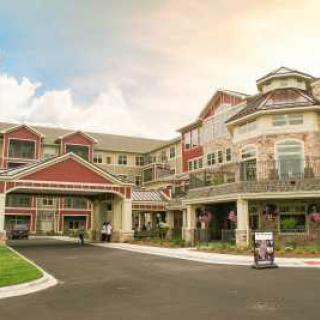

 Assisted Living
 Independent Living
 Memory Care
 Cats allowed
 Activities off-site
 Bath tubs
 Beautician on-site
 Cable or satellite TV
 Devotional services off-site
 Indoor common areas
 Outdoor common areas
 Respite or short term stays offered
 Swimming pool / hot tub
 Wheelchair accessible showers
 Wi-Fi/high-speed internet available
 General Mitchell International (8 miles away)
 Ambulatory care
 Diabetic care
 Incontinence care
 Medication management
 Gluten-free
 Art classes
 Brain fitness
 Cooking classes
 Day trips and outings
 Educational speakers / life long learning
 Forever fit
 Live well programs
 Wine tasting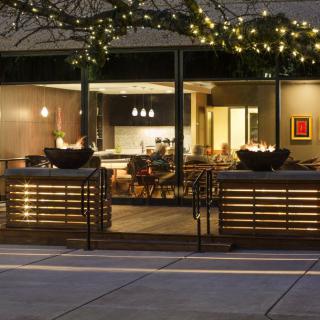
 Vibrant, amenity-rich assisted living with personalized care.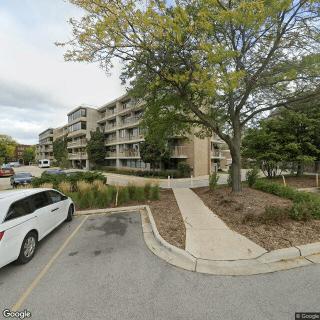

 An In-Depth Look at Reminiscence Therapy in Dementia Care
 Dementia-Related Hallucinations: Causes, Experiences, and Practical Approaches
 Illuminating Insights About Alzheimer's Disease: Ten Crucial Realities