Milwaukee Catholic Home

Save

  • Interior

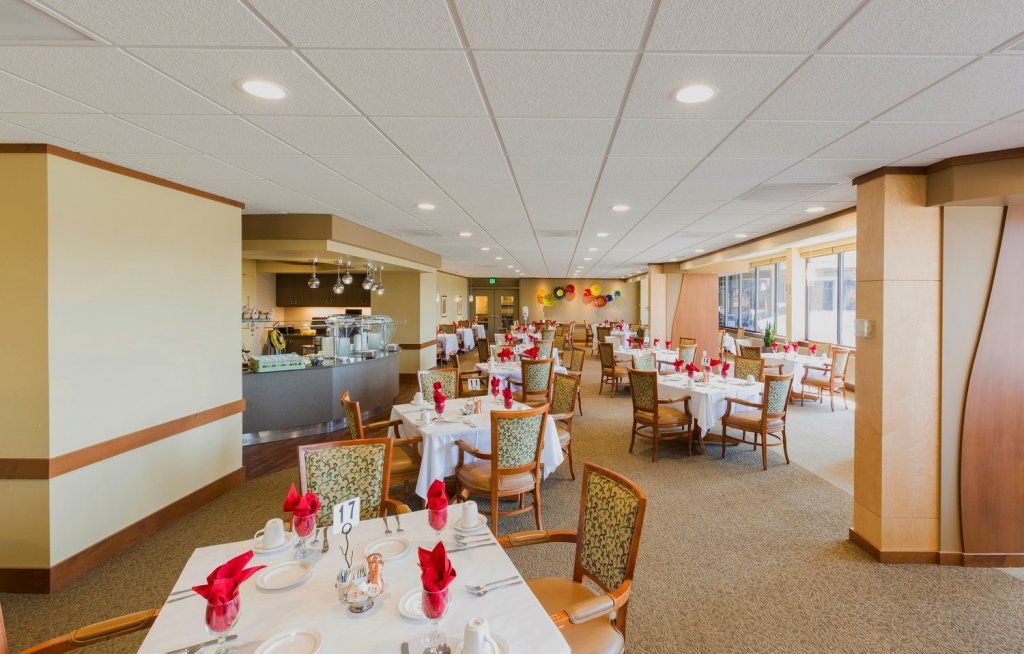
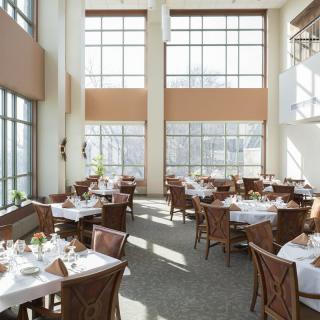
    A spacious restaurant dining area with neatly arranged tables and chairs, featuring a warm and inviting interior design.
  • Decor

    A cozy restaurant with outdoor seating and decorative lights glowing in the evening.
  • Architecture

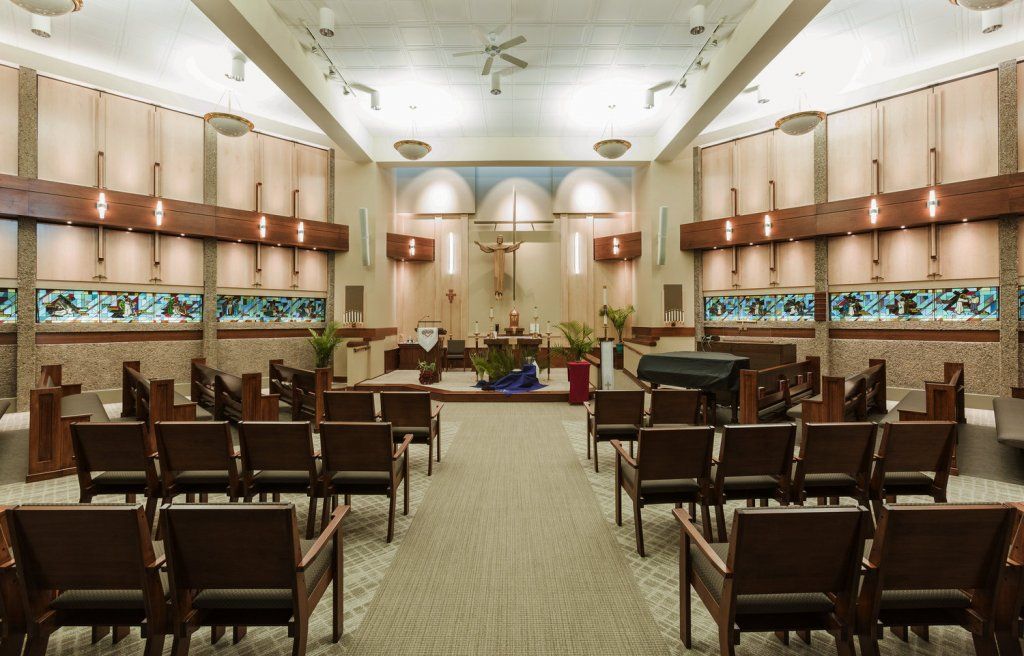
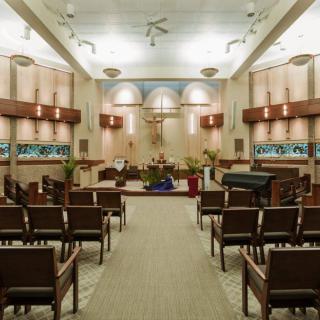
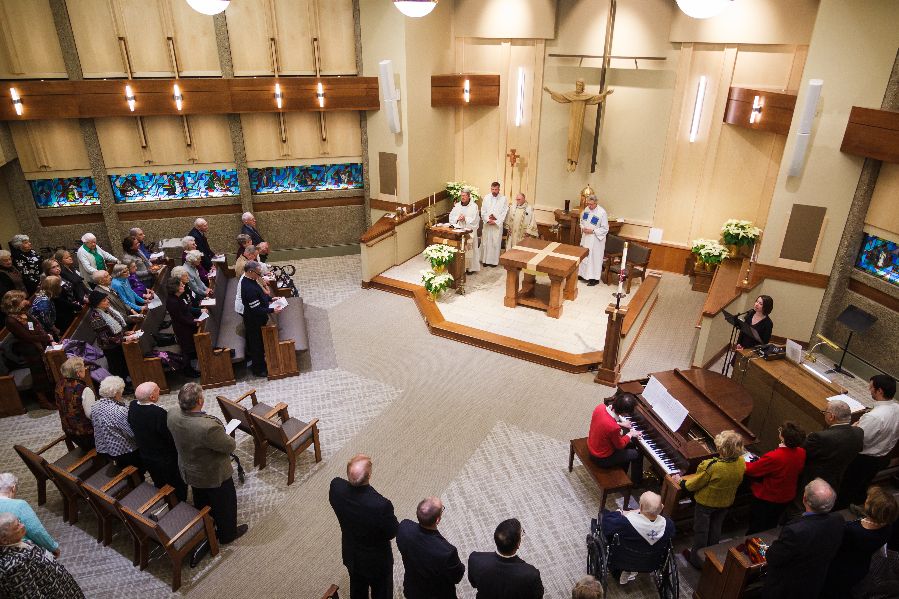
    Interior view of a church with arranged seating facing the altar.
  • Windows

    A view through the window of The Marquette, showcasing its elegant interior decor.
  • Kitchen

    A modern kitchen with a sleek bar counter and stylish seating area, complemented by contemporary lighting.
  • Seating Area

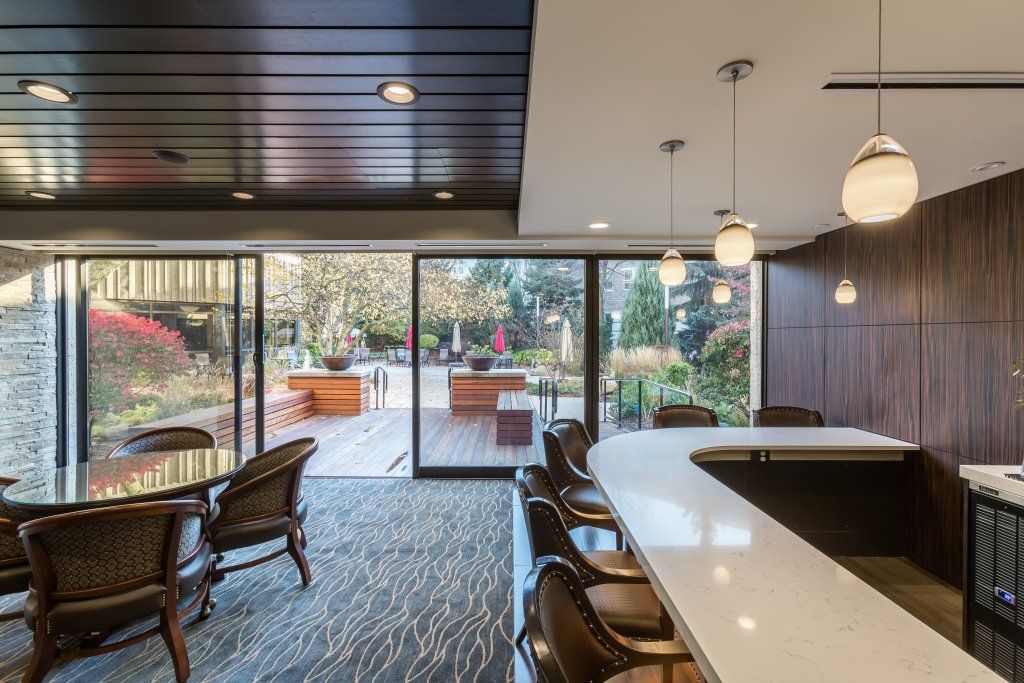
    A modern indoor lounge featuring a bar counter and sliding glass doors leading to an outdoor area.
  • Church

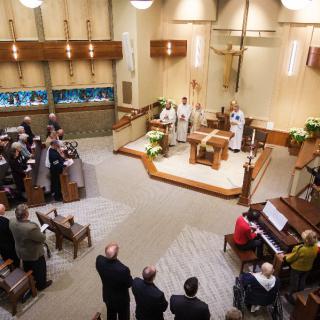
    A church service in progress with a congregation gathered and priests at the altar.

Milwaukee Catholic Home

2462 North Prospect Avenue, Milwaukee, WI 53211

For more information about senior living options: (844) 490-3973

3.7 from 24 reviews
5 stars
15
4 stars
1
3 stars
0
2 stars
1
1 stars
7

Assisted Living

Overall Review of Milwaukee Catholic Home

Pros

  • pro The Milwaukee Catholic Home is outstanding; you won't find better care.
  • pro The staff meet residents with helpful, cheerful attitudes.
  • pro The therapy department kindly pushes residents toward healing, even under difficult circumstances.
  • pro The staff and administrators are adaptable under pressure and focused on comfort and healing.
  • pro The food is terrific, with actual chefs cooking and willingness to cater off-menu requests.
  • pro Staff will sit with residents to talk and keep them company.
  • pro Residents are very well cared for.
  • pro The facility is beautiful, especially with newer renovations.
  • pro Rehab and nursing staff are wonders of energy, kindness, and efficiency.
  • pro The people at Milwaukee Catholic Home are angels of connection, joy, and calm.

Cons

  • pro The lifts reportedly use old batteries, leading to safety incidents where residents fall or get stuck.
  • pro Bed bug infestations have occurred repeatedly, with little effective action beyond spraying.
  • pro Infestations of mice and fruit flies are present, and problems are not adequately addressed or acknowledged.
  • pro Some staff are described as being under the influence on shift, with supervisors prioritizing staffing shortages over resident care.
  • pro Food from the kitchen is sometimes raw, and attempts to remake meals are met with attitude.
  • pro There are reports of mysterious bruises on residents with no proper investigations or consequences.
  • pro Emergency pendants may go unanswered during shift changes, suggesting residents are not a priority.
  • pro The front desk and communications are unreliable, with staff sometimes smelling of marijuana and a supervisor who demeans staff and residents.

Review

A wide range of experiences converge in reviews about the Milwaukee Catholic Home, painting a picture of a facility that some families praise as outstanding and compassionate, while others warn with alarming specificity about safety, cleanliness, and care concerns. On one end, several reviewers enthusiastically describe warm, attentive staff, strong rehab and therapy services, and meaningful activities that help residents feel valued and engaged. On the other end, many reviews allege serious problems that range from health code violations and infestations to neglect, staff misconduct, and communication breakdowns. The resulting portrait is undeniably mixed, with both bright spots and troubling red flags that prospective families would want to weigh carefully.

Several accounts focus on concrete safety and maintenance issues that unsettled family members and residents. Reviewers report problems with the facility's mobility equipment, noting that lifts use old batteries and faulty color coding, which allegedly led to residents falling or becoming stuck when lifters failed. Infestations are recounted in multiple units, including bed bugs and fruit flies, with some reviewers accusing staff of addressing the problems superficially - spraying bug killers and continuing with daily routines instead of pursuing thorough remediation. The kitchen and dining areas are described by some as operating under poor hygiene conditions and in violation of health codes, while others recount raw or undercooked meals that required remakes and were met with curt attitudes. Additional concerns include reports of delayed responses to emergencies and pendant alarms during shift changes, suggesting a perception that residents are not prioritized during critical moments.

Staffing and behavioral dynamics emerge as another major theme in these reviews. Commenters describe a spectrum of experiences with caregivers and administrators - from highly capable, compassionate professionals to encounters with disrespectful treatment and neglect. Several reviews allege that a substantial portion of the staff may be disengaged or under the influence on the job, and some point to supervisory gaps or communication breakdowns that leave residents and families frustrated. A few specific interactions are cited in vivid detail, including instances of demeaning or dismissive behavior by a receptionist or supervisor, and a sense that staff morale and accountability vary widely by shift. Critics also accuse the administration of not pursuing investigations into unexplained bruises or injuries, contributing to a sense of distrust about how concerns are handled.

Amid the warnings, there are repeatedly voiced commendations for rehabilitative and clinical care. A number of reviewers praise the rehab department and therapy team for their dedication, saying therapists push patients toward recovery, adapt under pressure, and maintain a focus on comfort and healing. Some reviewers describe staff as cheerful, helpful, and patient, emphasizing that caregivers do what they can within challenging circumstances. The presence of programming and activities - mass offerings, music programs, social interactions - receives positive notes, with several accounts highlighting friendly, attentive aides and nurses who treat residents with kindness and respect.

Food quality and facility atmosphere are points of both praise and complaint, reflecting an inconsistent experience across visits. Several reviews celebrate meals prepared by actual chefs who are willing to accommodate personal tastes and preferences, praising the taste and variety of menu options. In contrast, others recount raw or poorly prepared meals, coupled with negative experiences in the kitchen or front-of-house areas. Yet even within the negative stories, some reviewers acknowledge improvements brought by renovations and newer spaces, calling the environment beautiful and noting features like a courtyard that offers safe outdoor access. The contrast extends to the living environment: some comments describe warm, family-like care and accessible spaces, while others describe rooms in need of maintenance, odor or cleanliness concerns, and a sense that the building's appearance masks deeper care issues.

Ultimately, the narratives present Milwaukee Catholic Home as a facility of contradictions. For every reviewer who confesses gratitude and relief - emphasizing improved mobility, recovered health, or a sense of being treated like family - there is another who warns prospective families to look elsewhere due to serious risks. Some families report life-changing positive outcomes: personal attention from staff, meaningful social engagement for residents, notable improvements in rehabilitation, and experiences that leave them confident in their loved one's care. Others describe experiences of fear, distrust, or sorrow - the fear of infestations, the distress of not receiving timely help, the pain of watching a loved one suffer avoidable bruises or discomfort, and the perception that organizational priorities may be misaligned with resident well-being.

For anyone evaluating Milwaukee Catholic Home, the message from these reviews is that the facility carries potential for genuine, high-quality care in certain contexts and circumstances, but also harbors substantial concerns that cannot be ignored. Prospective families are encouraged to conduct thorough, on-site assessments, ask pointed questions about safety protocols, staffing levels, and response times; review recent inspection reports; and speak directly with current residents and staff to gauge whether the care culture aligns with their expectations and needs. The best choice may hinge on the specific unit, the care plan required, and the individual staff dynamics at any given time, rather than broad impressions of the facility as a whole.

Features

Housing

  • 118 resident community capacity 118 resident community capacity

Types of Care

  • Assisted Living Assisted LivingAssisted living facilities provide crucial support and care for seniors who may need help with daily tasks such as medication management, bathing, and meal preparation. These communities offer a safe and comfortable environment where seniors can maintain their independence while receiving the assistance they need to thrive in their golden years.

Amenities

  • Air-conditioning Air-conditioningAir conditioning is important for seniors as they are more vulnerable to heat-related illnesses and may have underlying health conditions that make it difficult for them to regulate their body temperature. It helps to keep them comfortable, safe, and healthy in hot weather.
  • Beauty salon Beauty salonBeauty salons are important for seniors because they provide a space for them to feel pampered, socialize, and maintain their personal grooming and hygiene. Regular visits to a beauty salon can help boost seniors' self-esteem and overall well-being.
  • Cable or satellite TV Cable or satellite TVCable or satellite TV is important for seniors because it provides entertainment, news, and companionship, helping to combat loneliness and boredom. It also offers a wide range of programming options tailored to different interests and preferences.
  • Computer center Computer centerA computer center is essential for seniors as it provides access to technology, communication tools, and resources that can enhance their daily lives. It allows them to stay connected with loved ones, engage in online activities, and learn new skills, ultimately promoting socialization and mental stimulation.
  • Dining room Dining roomDining rooms are important for seniors as they provide a space for socialization, connection, and nutritious meals. They offer opportunities for residents to bond over shared meals, foster a sense of community, and promote healthy eating habits. Dining rooms also ensure that seniors have access to well-balanced meals tailored to their dietary needs and preferences.
  • Fitness room Fitness roomHaving a fitness room in a senior living community is essential for seniors to stay active, maintain their physical health, and improve their overall well-being. Regular exercise can help prevent falls, reduce the risk of chronic diseases, and promote mental sharpness. It also provides social opportunities for residents to connect with others and enjoy a sense of community.
  • Fully furnished Fully furnishedFully furnished senior living communities are important for seniors because they provide convenience, comfort, and a hassle-free moving experience. Seniors can easily settle into their new living space without the stress of having to buy and move furniture. This allows them to focus on enjoying their new home and community.
  • Gaming room Gaming roomGaming rooms are important for seniors as they provide a fun and engaging environment for socializing, cognitive stimulation, and physical activity. Games can improve memory, problem-solving skills, and overall mental well-being while fostering friendships and reducing feelings of isolation.
  • Garden GardenGardens are important for seniors as they provide a peaceful and therapeutic environment for relaxation, physical activity, and socialization. Being in nature has been shown to reduce stress, improve mood, and promote overall well-being. Gardens also offer opportunities for seniors to engage in gardening activities, which can improve mobility, flexibility, and cognitive function. Additionally, gardens create a sense of community and connection with others who share a passion for plants and outdoor spaces.
  • Housekeeping services Housekeeping servicesHousekeeping services are important for seniors because they help maintain a clean and safe living environment, promote independence, and reduce the risk of accidents or illnesses. Additionally, having assistance with household chores can alleviate physical strain and allow seniors to focus on other aspects of their well-being.
  • Kitchenette KitchenetteKitchenettes are important for seniors living in senior living communities because they provide the convenience and independence of being able to prepare simple meals and snacks in the comfort of their own living space. This can help promote a sense of autonomy and well-being for seniors, allowing them to maintain some level of control over their dietary choices and daily routines.
  • Move-in coordination Move-in coordinationMove-in coordination is important for seniors because it helps ease the transition into their new living environment. It ensures that all logistics, such as packing, organizing movers, and setting up utilities are taken care of, allowing seniors to focus on settling in and adjusting to their new home. Having a smooth move-in process can alleviate stress and anxiety, making the transition smoother and more enjoyable for seniors.
  • Outdoor space Outdoor spaceOutdoor spaces are important for seniors as they provide opportunities for physical activity, social interaction, exposure to natural light and fresh air, and a sense of connection to nature. Having access to outdoor spaces can improve overall well-being and quality of life for older adults living in senior communities.
  • Private bathrooms Private bathroomsPrivate bathrooms are important for seniors in senior living communities because they provide independence, dignity, and comfort. Having a private bathroom allows seniors to maintain their personal hygiene routines without the need for assistance, promoting a sense of autonomy and privacy. Additionally, private bathrooms help prevent the spread of infections and provide a safe and clean environment for seniors to navigate safely.
  • Restaurant-style dining Restaurant-style diningRestaurant-style dining is important for seniors because it allows them to enjoy delicious, nutritious meals in a social and upscale setting. This enhances their dining experience, promotes healthy eating habits, and fosters socialization with fellow residents, ultimately contributing to their overall well-being and quality of life.
  • Small library Small librarySmall libraries are important for seniors as they provide access to a variety of reading materials, including books, newspapers, and magazines. This can help stimulate their minds, keep them engaged, and provide a sense of community through book clubs and other social activities. Additionally, reading has been shown to improve cognitive function and overall mental well-being in older adults.
  • Telephone TelephoneTelephones are important for seniors as they provide a lifeline for communication with loved ones, emergency services, and healthcare providers. They offer a sense of security and independence, enabling seniors to stay connected and access assistance when needed.
  • Wellness center Wellness centerWellness centers are important for seniors because they offer a variety of programs and services that promote physical, mental, and emotional well-being. These centers provide opportunities for exercise, socialization, education, and relaxation, helping seniors maintain their overall health and quality of life.
  • Wi-Fi/high-speed internet available Wi-Fi/high-speed internet availableWi-Fi/high-speed internet is important for seniors to stay connected with loved ones, access online resources, and participate in virtual activities to combat feelings of loneliness and isolation. It also allows them to easily manage healthcare needs, access entertainment, and engage in lifelong learning opportunities.

Transportation

  • General Mitchell International (8 miles away) General Mitchell International (8 miles away)
  • Community operated transportation Community operated transportationCommunity operated transportation is crucial for seniors as it provides them with the means to access essential services, social activities, and medical appointments. It allows seniors to maintain their independence and quality of life by ensuring they can participate in activities outside of their homes. Additionally, community-operated transportation services offer a safe and reliable way for seniors to travel without having to rely on family or friends for assistance.
  • Transportation arrangement Transportation arrangementTransportation arrangements are crucial for seniors as they may face challenges with driving, mobility, or access to public transportation. Having reliable transportation services ensures that seniors can easily attend appointments, social activities, and maintain their independence and quality of life.

Care Services

  • 24-hour call system 24-hour call system24-hour call systems are important for seniors because they provide peace of mind and immediate assistance in case of emergencies. This technology ensures that help is always available, promoting safety and security for elderly individuals living alone or in assisted living facilities.
  • 24-hour supervision 24-hour supervision24-hour supervision is important for seniors to ensure their safety, well-being, and access to immediate assistance in case of emergencies or health issues. This constant support provides peace of mind for both seniors and their loved ones, allowing them to age in place with dignity and security.
  • Activities of daily living assistance Activities of daily living assistanceActivities of daily living assistance are important for seniors because they provide essential support with tasks such as eating, bathing, dressing, and mobility. This assistance helps seniors maintain their independence, dignity, and overall quality of life as they age.
  • Assistance with bathing Assistance with bathingAssistance with bathing is crucial for seniors as it helps maintain personal hygiene, prevents infections, and ensures their overall well-being and comfort. It also provides a sense of dignity and independence for seniors who may struggle with this task on their own.
  • Assistance with dressing Assistance with dressingAssistance with dressing is important for seniors because it helps maintain their independence, promotes personal hygiene, prevents accidents and injuries, and improves overall quality of life. This service ensures that seniors can continue to dress comfortably and confidently, despite any physical limitations they may have.
  • Assistance with transfers Assistance with transfersAssistance with transfers is crucial for seniors as it helps prevent falls and injuries, maintains their independence, and ensures they can safely navigate their living environment. It also provides peace of mind for both seniors and their loved ones.
  • Diabetes diet Diabetes dietA diabetes diet is crucial for seniors as it helps manage blood sugar levels, reduce risks of complications, and improve overall health and well-being. By following a balanced and nutritious diet tailored to their specific needs, seniors can better control their diabetes and enhance their quality of life.
  • Meal preparation and service Meal preparation and serviceMeal preparation and service are crucial for seniors as they may have limited mobility or energy to cook nutritious meals. Having access to healthy and convenient food options can ensure they are getting the proper nutrition needed to maintain their overall health and well-being.
  • Medication management Medication managementMedication management is crucial for seniors to ensure they are taking the right medications at the correct dosages and times. This helps prevent adverse drug interactions, reduces the risk of medication errors, and promotes overall health and well-being. Proactive management also allows for adjustments as needed based on changing health conditions or new prescriptions.
  • Special dietary restrictions Special dietary restrictionsSpecial dietary restrictions are important for seniors because age-related changes in metabolism and health conditions can make it difficult for their bodies to process certain foods. By following a diet tailored to their specific needs, seniors can maintain their overall health and well-being, manage chronic conditions, and reduce the risk of complications such as malnutrition or food interactions with medications.

Dining

  • Diabetes diet Diabetes dietA diabetes diet is crucial for seniors as it helps manage blood sugar levels, reduce risks of complications, and improve overall health and well-being. By following a balanced and nutritious diet tailored to their specific needs, seniors can better control their diabetes and enhance their quality of life.
  • Special dietary restrictions Special dietary restrictionsSpecial dietary restrictions are important for seniors because age-related changes in metabolism and health conditions can make it difficult for their bodies to process certain foods. By following a diet tailored to their specific needs, seniors can maintain their overall health and well-being, manage chronic conditions, and reduce the risk of complications such as malnutrition or food interactions with medications.

Activities

  • Community-sponsored activities Community-sponsored activitiesCommunity-sponsored activities are important for seniors as they provide opportunities for social interaction, mental stimulation, and physical activity. These activities can help improve overall well-being, combat loneliness and isolation, and promote a sense of belonging and purpose among older adults.
  • Concierge services Concierge servicesConcierge services are essential for seniors as they provide assistance with daily tasks and errands, enhance their quality of life by offering convenience and personalized care, and promote a sense of safety and security.
  • Fitness programs Fitness programsFitness programs are crucial for seniors as they help improve strength, flexibility, balance, and overall well-being. Staying active can reduce the risk of chronic diseases, improve mental health, and enhance quality of life in older adults.
  • Planned day trips Planned day tripsPlanned day trips are important for seniors because they offer opportunities for socialization, mental stimulation, and physical activity. They provide a change of scenery and help seniors stay engaged and connected to their community, promoting overall well-being and quality of life.
  • Resident-run activities Resident-run activitiesResident-run activities are important for seniors as they encourage social interaction, creativity, and a sense of autonomy. These activities empower seniors to stay engaged and active in their community while fostering meaningful connections with their peers.
  • Scheduled daily activities Scheduled daily activitiesScheduled daily activities are important for seniors because they provide structure, socialization, mental stimulation, and physical activity. Engaging in regular activities can improve overall well-being and quality of life for seniors living in a community setting.

Description

Milwaukee Catholic Home, located in Milwaukee, WI, is a vibrant and welcoming assisted living community offering a range of amenities and care services to ensure the comfort and well-being of its residents. The community boasts a variety of amenities designed to enhance the quality of life for its residents. These include a beauty salon where residents can pamper themselves, cable or satellite TV for entertainment, a computer center for those who wish to stay connected digitally, and a fully furnished living space for convenience.

Residents can enjoy delicious meals in the elegant dining room with restaurant-style dining, where special dietary restrictions are accommodated. For recreation and relaxation, there is a fitness room to keep residents active and healthy, a gaming room for some friendly competition, and a small library for book lovers. The beautifully landscaped garden provides an inviting outdoor space where residents can relax or engage in outdoor activities.

The staff at Milwaukee Catholic Home offers 24-hour supervision and assistance with activities of daily living such as bathing, dressing, transfers, and medication management. Special dietary restrictions are carefully followed to meet each resident's unique needs. Transportation arrangement services are available to help residents get around conveniently.

In addition to these amenities and care services, the community organizes various activities to keep residents engaged and entertained. These include concierge services to assist with any requests or arrangements needed by the residents, fitness programs to promote physical well-being, planned day trips to explore local attractions, resident-run activities that encourage socialization among peers, and scheduled daily activities designed to cater to various interests.

Milwaukee Catholic Home is ideally situated near cafes, parks, pharmacies, restaurants, transportation options,and hospitals. This enables easy access for residents who may wish to explore nearby cultural attractions or have their healthcare needs addressed promptly.

Overall,Milwaukee Catholic Home provides a warm and supportive environment where seniors can maintain their independence while receiving personalized care in an engaging community setting.

Nearby Places of Interest

Restaurants

  • Champion's Pub (0.5 miles)
  • McDonald's (0.5 miles)
  • Jamo's (0.9 miles)
  • Veggas Pub (1.1 miles)
  • The Tracks (1.1 miles)
  • Company Brewing (1.1 miles)
  • Glorioso's Italian Market (1.2 miles)

Cafes

  • Colectivo Lakefront (0.7 miles)
  • Colectivo Coffee (4.3 miles)
  • Starbucks (5.1 miles)
  • Starbucks (5.7 miles)
  • Starbucks (6.5 miles)
  • Hawthorne Coffee Roasters (6.6 miles)
  • Starbucks (7.1 miles)

Pharmacies

  • Walgreens (0.8 miles)
  • CVS Pharmacy (0.9 miles)
  • Walgreens (0.9 miles)
  • Metro Market Pharmacy (1.7 miles)
  • Walgreens (1.8 miles)
  • Walgreens (2 miles)
  • Walgreens (2.4 miles)

Parks

  • Kern Park (1.7 miles)
  • Lakeshore State Park (1.9 miles)
  • Atwater Park (1.9 miles)
  • Red Arrow Park (2 miles)
  • Henry Maier Festival Park (2.6 miles)
  • Estabrook Park (2.8 miles)
  • Paliafito Park (3.3 miles)

Transportation

  • Milwaukee Intermodal Station (2.7 miles)

Hospitals

  • Aurora Sinai Medical Center (2.8 miles)
  • Wheaton Franciscan - St. Joseph Campus (4.9 miles)
  • Aurora St Luke's Medical Center (6.1 miles)
  • Aurora Psychiatric Hospital (6.6 miles)
  • Froedtert Pavilion (7.3 miles)

Physicians

  • Rheumatic Disease Center (5.9 miles)
  • Aurora Nephrology (6.8 miles)

Places of Worship

  • Honey Creek Church (7.1 miles)
  • Redemption Lutheran Church (7.1 miles)

Frequently Asked Questions

Where is Milwaukee Catholic Home?
What photos are available for Milwaukee Catholic Home in Milwaukee, Wisconsin?

Nearby Communities

  • Milwaukee Catholic Home,  a CCRC

    Milwaukee Catholic Home, a CCRC

    Milwaukee, WI

    3.8 from 27 reviews
    $1,838 to $4,083 / month

    pro Caring staff with engaging programs and a strong sense of community.

  • Milwaukee Protestant Home

    Milwaukee Protestant Home

    Milwaukee, WI

    3.7 from 24 reviews
     

    pro Great access to cafes, parks, pharmacies, restaurants, transit, and hospitals.

  • Milwaukee Catholic Home

    Milwaukee Catholic Home

    Milwaukee, WI


    pro Specialized memory care with 24/7 supervision and tailored programming.

  • Eastcastle Place

    Eastcastle Place

    Milwaukee, WI

    4.5 from 84 reviews
     

    pro Comprehensive care with memory support, 24-hour supervision, transportation coordination, and multiple housing options plus robust on-site amenities.

  • Watertower Assisted Living

    Watertower Assisted Living

    Milwaukee, WI

    4.6 from 73 reviews
     

    pro Extensive on-site amenities and care services.

  • Eastcastle Place

    Eastcastle Place

    Milwaukee, WI

    4.6 from 111 reviews
     

    pro Friendly, compassionate staff and engaging activities.

  • Ovation Chai Point

    Ovation Chai Point

    Milwaukee, WI

    4.7 from 3 reviews
    $3,952 to $5,510 / month

    pro Bright, well-maintained apartments with diverse dining and engaging activities.

  • HarborChase Of Shorewood

    HarborChase Of Shorewood

    Shorewood, WI

    4.1 from 57 reviews
    $6,000 to $8,500 / month

    pro Friendly, caring staff in a modern, well-kept, intimate memory-care focused community with strong dining and engaging activities.

  • St Ann Rest Home

    St Ann Rest Home

    Milwaukee, WI

    3.7 from 31 reviews
     

    pro Clean facility with friendly staff, good dining, and a variety of activities.

Related Resources

  • activities of daily livingComprehensive Insights into Activities of Daily Living (ADLs) and Their Assessment

    Activities of Daily Living (ADLs) are fundamental tasks vital for an individual's independence, particularly in older adults over 85, and include functions like bathing and dressing; assessing ADLs alongside Instrumental Activities of Daily Living (IADLs) helps determine the level of required assistance due to age-related health challenges. Tailored support plans, involving family and community resources, are essential for maintaining dignity and autonomy in assisted living environments.

  • does medicare pay for assisted livingMedicare Coverage for Assisted Living: An In-Depth Exploration

    Medicare does not cover assisted living costs, as it focuses on acute medical needs and short-term care, with exceptions for certain medically necessary services like physical therapy. Individuals must explore other options such as Medicaid, veterans' benefits, or long-term care insurance to manage these expenses effectively.

  • assisted living vs nursing homeChoosing the Right Senior Care: A Detailed Exploration of Assisted Living and Nursing Homes

    Choosing between assisted living and nursing homes involves evaluating emotional and financial factors, with assisted living offering independence and support for daily activities at a lower cost, while nursing homes provide intensive medical care for individuals with significant health needs. The decision is influenced by personal preferences, health status, cognitive function, and varying Medicaid coverage across states.