Residents frequently highlight the quality and variety of meals.
Dining is one of the most consistently positive parts of resident and family experiences, with multiple mentions of the food tasting good and being a standout feature. Some reviewers also specifically call out menu variety and desserts, and others describe the dining experience in the community’s dining areas. A few critical comments contrast that with concerns about meal quality, including one mention of food described as terrible.
common
Staff responsiveness and care matter
Residents and families describe staff as attentive and respectful.
Across reviews, people describe staff who take time to get to know residents, provide reassurance, and respond when needs come up. Several comments also mention the role of nursing and therapy teams during assisted living or rehab, with families saying care was kind and effective. There are also a small number of negative experiences tied to communication and phone handling, including complaints about not being helped or a call being repeatedly ended.
common
Activities and fitness keep days full
Many residents say the community helps fill their days.
Residents describe a steady stream of scheduled activities, fitness programs, and opportunities to stay engaged, including things like fitness classes, planned events, and social gatherings. Several reviews emphasize how busy and active life feels after moving in, with people looking forward to weekly routines. Some families also mention specialized programming or wellness-focused options, while one reviewer notes a desire for better communication in a care setting rather than activity planning.
differentiator
Care support spans needs
Families describe care that adapts as needs change.
Reviewers describe support that can extend beyond daily assistance, including rehab and transitions within the same campus. Families mention nursing and CNA involvement, medication management in care contexts, and therapy experiences such as physical and occupational therapy. Some comments also focus on customizing care to a resident’s current status. A few negative reviews raise concerns about bathing, medication timing, and medication being missed or reported inconsistently.
common
Neighborhood location is walkable
Residents appreciate being able to walk to nearby spots.
Multiple reviews mention the convenience of the surrounding neighborhood and the ability to get out for walks, shops, and entertainment. People also describe nearby parks and Lake Park as part of the day-to-day experience. The community’s proximity to common destinations is reflected in nearby options such as pharmacies, restaurants, and a park within about a mile.
caveat
Communication issues show up in a few reviews
Some families report problems with communication and follow-through.
While most reviews describe responsive support, a few take issue with communication. One reviewer complains about repeated phone handling at the front desk, saying they were not given help and calls were ended. Other critical reviews point to concerns like understaffing, incorrect names on discharge papers, and medication or bathing not being completed as ordered.
How we summarize
We summarize when many written reviews mention each theme; a review can touch several themes, and only frequently mentioned themes are displayed.
Assisted living provides moderate support for seniors seeking independence, while memory care offers specialized support for individuals with dementia or cognitive impairments through structured routines and trained staff. Key differences include care approaches, environment security measures, staff training levels, activity types, and cost considerations.
Assisted living communities offer diverse activities beyond traditional games to enhance seniors' physical health, cognitive well-being, emotional enrichment, and social connections, including fitness classes, creative expression, and intergenerational interactions. These enriching programs foster community bonds and support residents' independence and happiness.
The article differentiates between assisted living and memory care, explaining that assisted living supports seniors with daily activities while promoting independence, whereas memory care provides specialized services for individuals with dementia, focusing on secure environments and cognitive support. It also addresses staff training, safety considerations, costs, family involvement, and transition strategies for families navigating these care options.
Get PricingAsk A QuestionSchedule A TourContact Senior Advisor
By clicking submit, you agree to our Partner's Terms of Use. You
also consent to receive calls and texts, which may be autodialed, from our Partner. Your consent is not a condition to
using our Partner's service. Please visit our Partner's Privacy Policy for information about their privacy practices.




 52 resident community capacity
 Assisted Living
 Air-conditioning
 Beauty salon
 Cable or satellite TV
 Computer center
 Dining room
 Fitness room
 Fully furnished
 Gaming room
 Garden
 Housekeeping services
 Kitchenette
 Move-in coordination
 Outdoor space
 Private bathrooms
 Restaurant-style dining
 Small library
 Telephone
 Wellness center
 Wi-Fi/high-speed internet available
 General Mitchell International (8 miles away)
 Community operated transportation
 12-16 hour nursing
 24-hour call system
 Activities of daily living assistance
 Assistance with bathing
 Assistance with dressing
 Assistance with transfers
 Diabetes diet
 Medication management
 Mental wellness program
 Special dietary restrictions
 Concierge services
 Planned day trips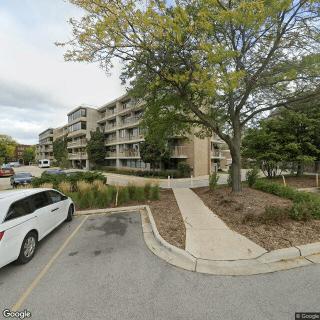
 Great access to cafes, parks, pharmacies, restaurants, transit, and hospitals.





 Assisted Living and Memory Care: Understanding Their Core Differences
 Beyond the Bingo Hall: 50+ Enriching Activities for Seniors in Assisted Living
 Understanding the Distinctions: Assisted Living and Memory Care Explained