
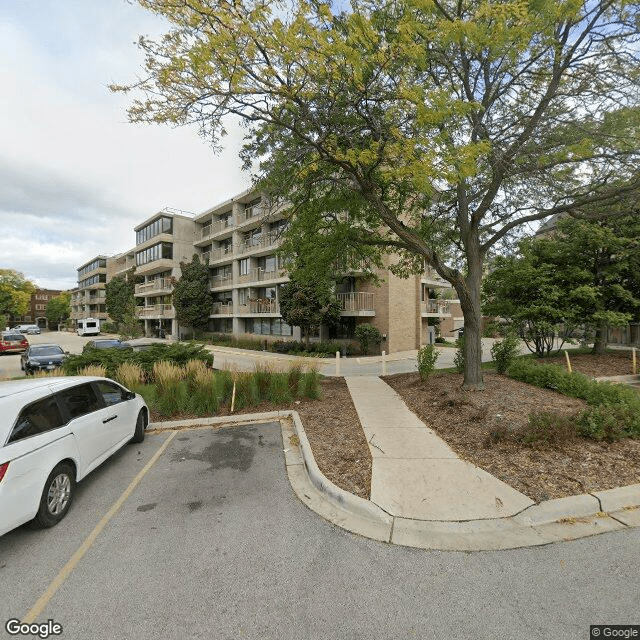
2449 N Downer Ave, Milwaukee, WI 53211
To contact a resident: (414) 332-8610
For more information about senior living options: (866) 208-4318
Overall Review of Milwaukee Protestant Home
Pros
 Milwaukee Catholic Home is outstanding and provides exceptional care.
- The staff are helpful, cheerful, and patient.
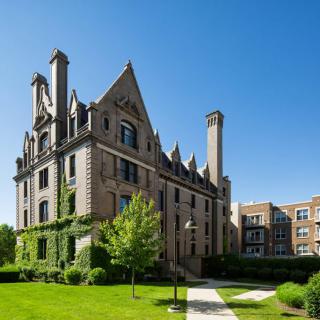
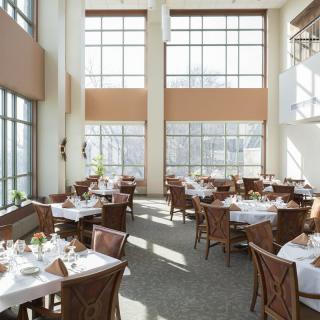
- The facility is beautiful, especially after renovations, and residents are well cared for.
- The CNAs and nurses are wonderful and do a good job.
- The therapy department actively promotes healing even under challenging circumstances.
- The food is terrific and is prepared by actual chefs.
- The people at Milwaukee Catholic Home are angels of connection, joy, and calm.
- The courtyard offers safe access to fresh air and flowers.
Cons
 The lifts use old batteries and the wrong colored batteries, creating safety risks.
- Residents have fallen from lifts due to battery shortages or been stuck in the air for 30+ minutes.
- There have been repeated bed bug infestations on 3East with little effective action.
- Half of the staff are frequently high on the job, and supervisors ignore the problem due to staffing shortages.
- Kitchen food is sometimes raw and remakes are met with attitude.
- Employees seem to be there only for a paycheck, not for resident care.
- Some residents arrived with mysterious bruises, and there were no proper investigations or consequences.
- The facility is described as a joke and not trustworthy.
- Emergency pendants are not consistently responded to during shift changes.
Review
Milwaukee Protestant Home is best suited for families who prioritize a faith-based, community-oriented atmosphere and are willing to actively vet the specific unit and care team before committing. The strongest appeal lies in a campus that can deliver compassionate rehab and nursing support when the unit operates smoothly, with staff who are patient, attentive, and engaged. It is not a one-size-fits-all option: the quality of care hinges on the particular building, the on-shift team, and how well housekeeping, food service, and clinical oversight are functioning at any given time. For families seeking a serene, spiritually integrated setting with access to rehab services, this campus can be a fit, provided due diligence confirms solid performance at the unit level.
There is a notable caveat: several reviews paint a troubling picture of infestations, hygiene lapses, and inconsistent safety oversight in different parts of the campus. Bed bugs, fruit flies, and subpar kitchen conditions have been recurring concerns in some units, and they are not trivial failures. Food service and sanitation issues recur in multiple accounts, with complaints about health-code violations and meals that miss the mark. These factors are not minor annoyances; they touch daily life, resident comfort, and infection-control standards. Families who cannot accept repeated sanitation failures or who require strict cleanliness and pest control should strongly consider other options.
On the flip side, the campus catalog includes consistently positive narratives about compassionate staff, effective rehabilitation, and meaningful social programming in certain units. When the rehab and nursing teams are operating well, residents report genuine warmth, helpful therapists who push toward recovery, and staff who treat residents with kindness and respect. Some reviewers highlight high-quality meals prepared by capable cooks, engaging activities, and a palpable sense of “being cared for” in the strongest units. In short, there is credible evidence that, beneath the campus-wide mix, there are pockets of excellence where residents thrive.
The core tension for decision-makers is whether the strong points can be counted on despite the serious drawbacks. The pros, competent rehab services, attentive caregivers, meaningful programming, and a comforting, familiar environment, can offset some risk if verification shows a consistently well-run unit with stable staffing and rigorous hygiene protocols. However, when infestations, safety concerns, and staffing inconsistencies dominate multiple accounts, those positives lose their leverage. This gap between potential and performance means outcomes are highly contingent on choosing the right building and maintaining active oversight.
Families evaluating this community should pursue concrete steps before making a commitment. Insist on meeting the specific unit’s leadership and frontline staff, and request recent inspection or survey findings for that unit. Ask about turnover rates, incident logs, and any corrective actions taken after safety or hygiene concerns. Tour the dining and kitchen areas, observe meal service timing, and check for evidence of routine housekeeping, pest control, and cleanliness. Inquire about call-button responsiveness, shift-change communication, and how quickly emergencies are addressed during off-peak hours. If possible, speak with current residents and families about their day-to-day experiences across different shifts.
In conclusion, Milwaukee Protestant Home presents a mixed proposition. For families willing to devote careful, ongoing scrutiny to a chosen unit and prepared to intervene when problems arise, the campus can deliver meaningful rehab outcomes, companionship, and a faith-centered environment. For those unable to tolerate recurring pest issues, hygiene lapses, safety gaps, or inconsistent service levels, alternatives with a more uniform track record are strongly advised. The decision should hinge on unit-level performance, transparent communication, and a clear plan to maintain the highest standards of resident safety and well-being.
 Board and Care Home
 General Mitchell International (8 miles away)




 Home Health Care Demystified: A Comprehensive Guide for Families and Caregivers
 Seniors and Modern Transportation: Exploring Uber, Lyft, and Other Ride-Hailing Options
 Comprehensive Guide to Qualifying for Home Health Care Services