Eastcastle Place in Milwaukee, WI

Save

  • Interior

    An elegant dining room setup with tables and chairs ready for guests.
  • Decor

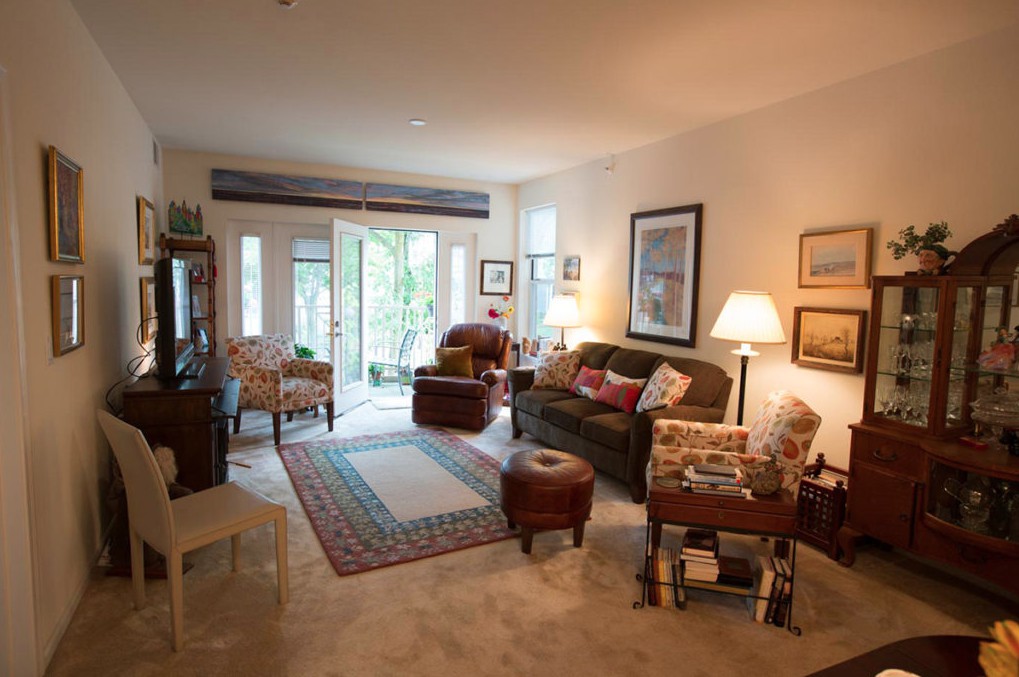
    Cozy living room with comfortable seating and natural light.
  • Living Room

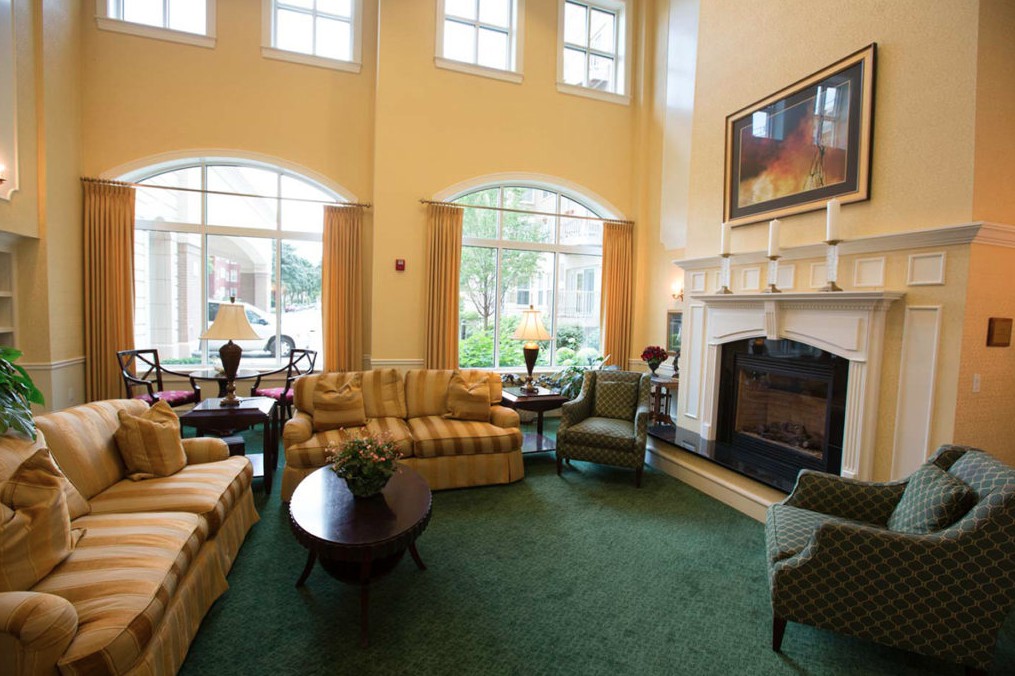
    A cozy living room with comfortable seating and a warm fireplace.
  • Building

    A landscaped garden pathway beside a brick building with shrubs and flowers.
  • Architecture

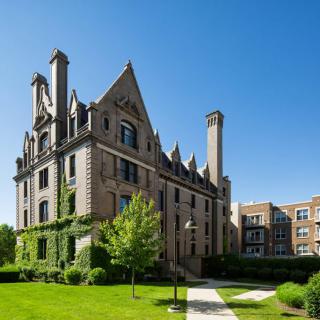
    A historic, castle-style building with pointed towers and a colorful garden on a sunny day.
  • Landscaping

    A historic building entrance with columns and greenery.
  • Artwork

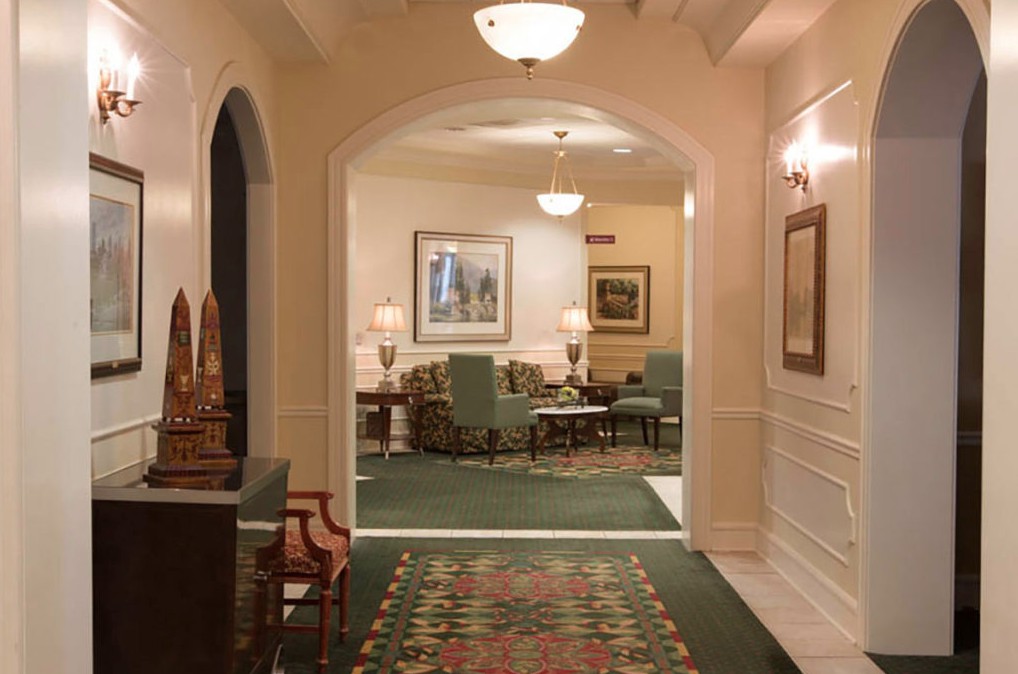
    A warmly lit hallway leads into a traditionally decorated sitting area with green carpet and classic furniture.
  • Seating Area

    A cozy lobby featuring an archway entrance with a seating area and fireplace.
  • Bookshelves

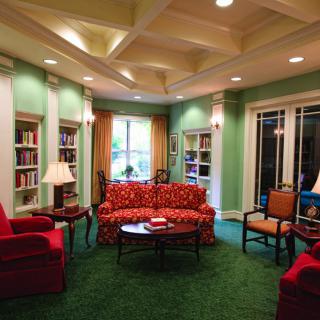
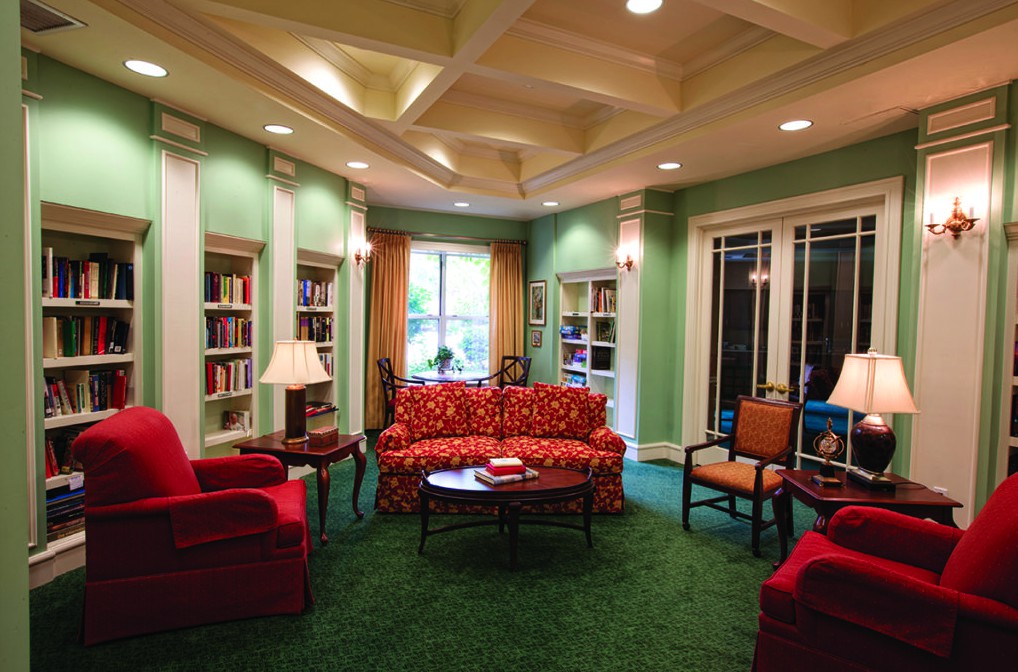
    A cozy library living room with colorful furniture and bookshelves.
  • Lights

    A majestic castle-like historic building illuminated against a vibrant sunset with a snowy foreground.
  • Apartment Building

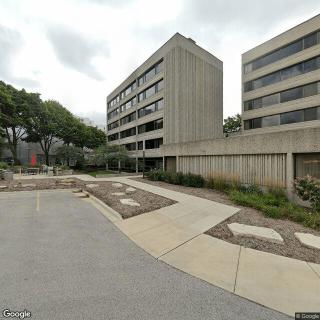
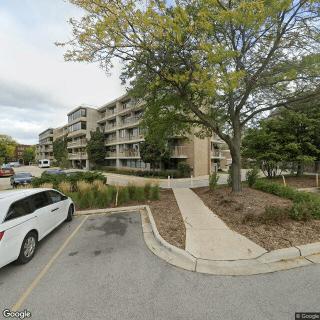
    A modern apartment building with a parking lot in front.

Eastcastle Place in Milwaukee, WI

2429 East Bradford Avenue, Milwaukee, WI 53211

For more information about senior living options: (844) 490-3973

4.5 from 84 reviews
5 stars
70
4 stars
4
3 stars
1
2 stars
2
1 stars
7

Assisted Living Board and Care Home Memory Care

Overall Review of Eastcastle Place

Pros

  • pro The staff and specialists provide compassionate and capable care that helps residents recover and return home when appropriate.
  • pro Eastcastle Place is described as a warm and welcoming community.
  • pro Its fitness program includes personal training and improves residents' strength, agility, and independence.
  • pro The dining program offers exceptional food and service in a restaurant-like setting.
  • pro The location is walkable with convenient access to Lake Park, shops, theaters, and dining.
  • pro Maintenance and support staff are incredible, quickly assisting with repairs and other needs.
  • pro Residents enjoy a rich schedule of activities, educational programs, arts, field trips, and volunteering opportunities.
  • pro The community feels safe, secure, and well-maintained, with beautifully decorated, comfortable apartments.
  • pro Eastcastle Place provides a continuum of care (independent living, assisted living, memory care, rehab) with a caring, capable team.

Cons

  • pro The front desk staff were described as rude, hanging up on callers and not helping when asked.
  • pro A policy requiring renters to move out within three months was called underhanded and forceful.
  • pro The facility was criticized for being understaffed, leading to long delays in care, missed showers, and safety concerns.
  • pro The dining room food was described as terrible despite the appealing dining setting.
  • pro Some reviewers found private rooms to be very small and not feel like a home, with too much emphasis on common-area activities.
  • pro A resident was left on the toilet for 1.5 hours due to staff delays, highlighting care-related neglect.

Review

Eastcastle Place is best suited for energetic seniors who want a true continuum-of-care environment in a walkable, east-side Milwaukee setting. It serves independent living residents who value abundant programs and social opportunities, plus easy access to on-site health services should needs change. This community shines for those who want a vibrant, resort-like atmosphere with frequent outings, a strong fitness culture, meaningful volunteering and educational options, and ready access to Lake Park, shops, theaters, and restaurants. It is particularly compelling for individuals seeking seamless transitions between independent living, assisted living, memory care, and rehab, without the upheaval of moving to a new campus.

That said, some families may want to consider alternatives. For anyone whose primary priority is ultra-reliable, highly mediated medical oversight around the clock, Eastcastle's staffing realities on specific shifts can be a concern in rare cases. Those who require large in-unit living space, or homes with in-suite laundry and multiple private rooms, may find the standard floor plans and service cores less than ideal. Families who fear inconsistent front-desk communication, delayed med passes, or staffing shortages on certain floors will want to compare other providers with longer-term staffing stability and clearer accountability. The environment also tilts toward social engagement; if a quieter, more solitary routine is preferred, look elsewhere.

The strongest positives revolve around people and programming. Staff compassion and expertise show up in recovery stories where residents return home after a fall or surgery, backed by a broad array of specialists and rehabilitative services. Dining stands out for taste, variety, and service, with menus that feel restaurant-worthy and meals that entice activity and appetite alike. A robust fitness program - personal training, water aerobics, chair yoga, and accessible equipment - helps residents maintain independence, while programming ranges from field trips to music, arts, and volunteer opportunities. The campus culture emphasizes warmth and neighborliness, making companionship and everyday assistance feel like part of a supportive family experience rather than a transactional transfer of care.

Where the reviews converge on caution is in the real-world execution of operations on occasion. Some accounts point to specific rough patches: front-desk communication gaps, late medication administration, and periods of understaffing on certain shifts or floors. Instances of care lapses in rehab or memory-care settings have been reported, alongside anecdotes about aging rooms or spaces that feel more hotel-like than home-like. Yet these moments are not universal; many residents describe a consistently high level of attentiveness and a strong sense of safety, with staff who know residents by name and families who feel their loved ones are cherished. The contrast between standout care moments and occasional service hiccups underscores the importance of asking targeted questions during tours and arranging firsthand exposure to the exact unit and floor under consideration.

Taken together, the pros - continuum-of-care access, engaged staff, rich programming, exceptional dining, and a location that integrates culture, outdoors, and everyday conveniences - often outweigh the cons. Eastcastle's ability to keep residents connected to the broader Milwaukee community, while offering a secure, vibrant campus with on-site health resources, minimizes disruption as needs evolve. A demonstrated focus on resident well-being - through chaplain-led programs, arts and crafts, woodworking, and community events - helps residents sustain purpose, social belonging, and physical health. For families prioritizing a comprehensive, socially active environment with long-term care flexibility, Eastcastle Place represents a compelling, well-rounded option.

Decision-ready guidance: Eastcastle Place suits families who want a premier, activity-rich setting with reliable access to independent living, assisted living, memory care, and rehabilitation under one roof. It is especially appropriate when the priority is proximity to neighborhoods, cultural amenities, and Lake Michigan views, paired with a strong sense of community and a high level of staff engagement. Those who require consistently flawless frontline service at every hour, or who want significantly larger, apartment-heavy layouts with in-unit laundry, should compare alternatives and verify floor plans and staffing models in person. Prospective residents should tour multiple floors, meet the care leaders, and inquire about current staff ratios, med-pass processes, and the specific routines on the floor of interest to ensure alignment with expectations. In short, for families seeking a dignified, socially rich, continuum-care home that feels like a true community, Eastcastle Place is a well-founded recommendation.

Features

Housing

  • 18 resident community capacity 18 resident community capacity
  • 1-bedroom apartments 1-bedroom apartments1-bedroom apartments are important for seniors because they provide a sense of independence, privacy, and autonomy while still offering the necessary space for comfortable living. These apartments allow seniors to maintain their own personal space and lifestyle preferences in a supportive community setting.
  • 2-bedroom apartments 2-bedroom apartments2-bedroom apartments are important for seniors because they provide extra space for guests, hobbies, and caregivers, as well as potential for additional income through roommates or rental.
  • Studio apartments Studio apartmentsStudio apartments are important for seniors because they offer a smaller, more manageable living space that is easier to navigate and maintain as physical abilities decline. Additionally, studio apartments provide seniors with independence and privacy while still being part of a community that offers support and social opportunities.

Types of Care

  • Assisted Living Assisted LivingAssisted living facilities provide crucial support and care for seniors who may need help with daily tasks such as medication management, bathing, and meal preparation. These communities offer a safe and comfortable environment where seniors can maintain their independence while receiving the assistance they need to thrive in their golden years.
  • Board and Care Home Board and Care HomeBoard and care homes provide a smaller, more intimate setting for seniors who require assistance with daily tasks but do not need the level of care offered by a nursing home. They offer personalized care, meals, and social activities in a homelike environment, ensuring that seniors receive individualized attention and support in their golden years.
  • Memory Care Memory CareMemory care is crucial for seniors as it provides specialized support and services for individuals with dementia or Alzheimer's disease. These programs offer a safe and secure environment where residents receive personalized care, cognitive stimulation, and help with daily activities. Memory care helps seniors maintain their independence, quality of life, and dignity while also providing peace of mind for their families.

Amenities

  • Cable or satellite TV Cable or satellite TVCable or satellite TV is important for seniors because it provides entertainment, news, and companionship, helping to combat loneliness and boredom. It also offers a wide range of programming options tailored to different interests and preferences.
  • Dining room Dining roomDining rooms are important for seniors as they provide a space for socialization, connection, and nutritious meals. They offer opportunities for residents to bond over shared meals, foster a sense of community, and promote healthy eating habits. Dining rooms also ensure that seniors have access to well-balanced meals tailored to their dietary needs and preferences.
  • Fully furnished Fully furnishedFully furnished senior living communities are important for seniors because they provide convenience, comfort, and a hassle-free moving experience. Seniors can easily settle into their new living space without the stress of having to buy and move furniture. This allows them to focus on enjoying their new home and community.
  • Garden GardenGardens are important for seniors as they provide a peaceful and therapeutic environment for relaxation, physical activity, and socialization. Being in nature has been shown to reduce stress, improve mood, and promote overall well-being. Gardens also offer opportunities for seniors to engage in gardening activities, which can improve mobility, flexibility, and cognitive function. Additionally, gardens create a sense of community and connection with others who share a passion for plants and outdoor spaces.
  • Housekeeping services Housekeeping servicesHousekeeping services are important for seniors because they help maintain a clean and safe living environment, promote independence, and reduce the risk of accidents or illnesses. Additionally, having assistance with household chores can alleviate physical strain and allow seniors to focus on other aspects of their well-being.
  • Move-in coordination Move-in coordinationMove-in coordination is important for seniors because it helps ease the transition into their new living environment. It ensures that all logistics, such as packing, organizing movers, and setting up utilities are taken care of, allowing seniors to focus on settling in and adjusting to their new home. Having a smooth move-in process can alleviate stress and anxiety, making the transition smoother and more enjoyable for seniors.
  • Outdoor space Outdoor spaceOutdoor spaces are important for seniors as they provide opportunities for physical activity, social interaction, exposure to natural light and fresh air, and a sense of connection to nature. Having access to outdoor spaces can improve overall well-being and quality of life for older adults living in senior communities.
  • Telephone TelephoneTelephones are important for seniors as they provide a lifeline for communication with loved ones, emergency services, and healthcare providers. They offer a sense of security and independence, enabling seniors to stay connected and access assistance when needed.
  • Wi-Fi/high-speed internet available Wi-Fi/high-speed internet availableWi-Fi/high-speed internet is important for seniors to stay connected with loved ones, access online resources, and participate in virtual activities to combat feelings of loneliness and isolation. It also allows them to easily manage healthcare needs, access entertainment, and engage in lifelong learning opportunities.

Transportation

  • General Mitchell International (8 miles away) General Mitchell International (8 miles away)

Care Services

  • 24-hour supervision 24-hour supervision24-hour supervision is important for seniors to ensure their safety, well-being, and access to immediate assistance in case of emergencies or health issues. This constant support provides peace of mind for both seniors and their loved ones, allowing them to age in place with dignity and security.
  • Activities of daily living assistance Activities of daily living assistanceActivities of daily living assistance are important for seniors because they provide essential support with tasks such as eating, bathing, dressing, and mobility. This assistance helps seniors maintain their independence, dignity, and overall quality of life as they age.
  • Assistance with bathing Assistance with bathingAssistance with bathing is crucial for seniors as it helps maintain personal hygiene, prevents infections, and ensures their overall well-being and comfort. It also provides a sense of dignity and independence for seniors who may struggle with this task on their own.
  • Assistance with dressing Assistance with dressingAssistance with dressing is important for seniors because it helps maintain their independence, promotes personal hygiene, prevents accidents and injuries, and improves overall quality of life. This service ensures that seniors can continue to dress comfortably and confidently, despite any physical limitations they may have.
  • Assistance with transfers Assistance with transfersAssistance with transfers is crucial for seniors as it helps prevent falls and injuries, maintains their independence, and ensures they can safely navigate their living environment. It also provides peace of mind for both seniors and their loved ones.
  • Coordination with health care providers Coordination with health care providersCoordination with health care providers is crucial for seniors to ensure proper medical care, medication management, and overall well-being. This collaboration helps prevent overlapping treatments, track progress more effectively, and provide comprehensive support tailored to individual needs.
  • Dementia waiver Dementia waiverDementia waivers are essential for seniors as they provide critical protections and accommodations for those experiencing cognitive decline. These waivers ensure individuals with dementia receive appropriate care, support, and resources to maintain their quality of life and dignity as they navigate the challenges of this progressive condition.
  • Diabetes diet Diabetes dietA diabetes diet is crucial for seniors as it helps manage blood sugar levels, reduce risks of complications, and improve overall health and well-being. By following a balanced and nutritious diet tailored to their specific needs, seniors can better control their diabetes and enhance their quality of life.
  • Hospice waiver Hospice waiverHospice waivers are important for seniors because they allow individuals to receive specialized end-of-life care and support at home or in a hospice facility. This waiver ensures that seniors can access the necessary resources and services to maintain comfort and dignity during their final days.
  • Meal preparation and service Meal preparation and serviceMeal preparation and service are crucial for seniors as they may have limited mobility or energy to cook nutritious meals. Having access to healthy and convenient food options can ensure they are getting the proper nutrition needed to maintain their overall health and well-being.
  • Medication management Medication managementMedication management is crucial for seniors to ensure they are taking the right medications at the correct dosages and times. This helps prevent adverse drug interactions, reduces the risk of medication errors, and promotes overall health and well-being. Proactive management also allows for adjustments as needed based on changing health conditions or new prescriptions.
  • Mental wellness program Mental wellness programMental wellness programs are essential for seniors as they promote cognitive stimulation, emotional support, and social engagement. These programs help prevent isolation, depression, and cognitive decline, ultimately enhancing the overall quality of life for older adults.
  • Mild cognitive impairment Mild cognitive impairment"Mild cognitive impairment" is important for seniors because it is an early stage of cognitive decline that can potentially progress to more severe conditions such as dementia. Recognizing and addressing mild cognitive impairment can help seniors receive appropriate care and support to maintain their quality of life and independence for as long as possible.
  • Special dietary restrictions Special dietary restrictionsSpecial dietary restrictions are important for seniors because age-related changes in metabolism and health conditions can make it difficult for their bodies to process certain foods. By following a diet tailored to their specific needs, seniors can maintain their overall health and well-being, manage chronic conditions, and reduce the risk of complications such as malnutrition or food interactions with medications.
  • Specialized memory care programming Specialized memory care programmingSpecialized memory care programming is crucial for seniors with cognitive impairments such as dementia or Alzheimer's disease. These programs provide a safe and supportive environment tailored to the unique needs of individuals with memory loss, helping them maintain their independence, dignity, and quality of life.
  • Transportation arrangement (medical) Transportation arrangement (medical)Transportation arrangements for medical purposes are essential for seniors as they may have difficulty driving themselves to appointments or accessing public transportation. Having reliable and safe transportation options ensures that seniors can receive timely medical care and maintain their health and well-being.
  • Transportation to doctors appointments Transportation to doctors appointmentsTransportation to doctors' appointments is crucial for seniors as it ensures they have access to necessary medical care and support for their health needs. Without reliable transportation, seniors may struggle to attend important appointments, leading to potential delays in treatment and health complications. Providing transportation services helps seniors maintain their overall well-being and quality of life.

Dining

  • Diabetes diet Diabetes dietA diabetes diet is crucial for seniors as it helps manage blood sugar levels, reduce risks of complications, and improve overall health and well-being. By following a balanced and nutritious diet tailored to their specific needs, seniors can better control their diabetes and enhance their quality of life.
  • Special dietary restrictions Special dietary restrictionsSpecial dietary restrictions are important for seniors because age-related changes in metabolism and health conditions can make it difficult for their bodies to process certain foods. By following a diet tailored to their specific needs, seniors can maintain their overall health and well-being, manage chronic conditions, and reduce the risk of complications such as malnutrition or food interactions with medications.

Activities

  • Community-sponsored activities Community-sponsored activitiesCommunity-sponsored activities are important for seniors as they provide opportunities for social interaction, mental stimulation, and physical activity. These activities can help improve overall well-being, combat loneliness and isolation, and promote a sense of belonging and purpose among older adults.
  • Scheduled daily activities Scheduled daily activitiesScheduled daily activities are important for seniors because they provide structure, socialization, mental stimulation, and physical activity. Engaging in regular activities can improve overall well-being and quality of life for seniors living in a community setting.

Description

Eastcastle Place in Milwaukee, WI is a vibrant and welcoming assisted living community offering various housing options such as 2-bedroom apartments and studio apartments. With a focus on providing exceptional care, we offer board and care home services as well as specialized memory care for those with dementia.

Our community boasts an array of amenities to ensure our residents' comfort and convenience. Residents can enjoy delicious meals served in our dining room, which accommodates special dietary restrictions. Each apartment is fully furnished, and housekeeping services are provided to maintain a clean living environment. Our outdoor spaces and garden offer relaxing areas to enjoy the fresh air, while Wi-Fi/high-speed internet and telephone services keep residents connected.

At Eastcastle Place, we prioritize meeting the individual needs of our residents through comprehensive care services. Our dedicated staff assists with activities of daily living, including bathing, dressing, and transfers. We coordinate with healthcare providers to ensure seamless communication and continuity of care. With our dementia waiver and specialized memory care programming, we provide tailored support for individuals living with memory impairments.

Our community understands the importance of managing health conditions effectively. We offer diabetes diet management, hospice waivers, meal preparation and service, medication management, mental wellness programs, as well as assistance for those with mild cognitive impairment. Transportation arrangements are available for medical purposes or transportation to doctors' appointments.

Residents at Eastcastle Place benefit from a rich social life enhanced by scheduled daily activities. Additionally, there are two cafes nearby where residents can indulge in their favorite beverages or snacks. The community is surrounded by eight parks where residents can enjoy nature walks or recreational activities. For healthcare needs or access to medications, there are 12 pharmacies conveniently located nearby. Residents also have a variety of dining options with 35 restaurants in close proximity.

Eastcastle Place truly prioritizes the well-being of its residents by providing excellent care services along with an abundance of amenities within the community and nearby surroundings.

Nearby Places of Interest

Restaurants

  • Champion's Pub (0.5 miles)
  • McDonald's (0.5 miles)
  • Jamo's (1 miles)
  • The Tracks (1.1 miles)
  • Veggas Pub (1.1 miles)
  • Company Brewing (1.1 miles)
  • Glorioso's Italian Market (1.2 miles)

Pharmacies

  • Walgreens (0.7 miles)
  • CVS Pharmacy (1 miles)
  • Walgreens (1 miles)
  • Walgreens (1.8 miles)
  • Metro Market Pharmacy (1.8 miles)
  • Walgreens (1.9 miles)
  • Walgreens (2.4 miles)

Cafes

  • Colectivo Lakefront (0.8 miles)
  • Colectivo Coffee (4.4 miles)
  • Starbucks (5.2 miles)
  • Starbucks (5.6 miles)
  • Starbucks (6.5 miles)
  • Hawthorne Coffee Roasters (6.7 miles)
  • Starbucks (7.1 miles)

Parks

  • Kern Park (1.6 miles)
  • Atwater Park (1.9 miles)
  • Lakeshore State Park (2 miles)
  • Red Arrow Park (2.1 miles)
  • Henry Maier Festival Park (2.7 miles)
  • Estabrook Park (2.7 miles)
  • Paliafito Park (3.4 miles)

Transportation

  • Milwaukee Intermodal Station (2.8 miles)

Hospitals

  • Aurora Sinai Medical Center (2.8 miles)
  • Wheaton Franciscan - St. Joseph Campus (4.9 miles)
  • Aurora St Luke's Medical Center (6.2 miles)
  • Aurora Psychiatric Hospital (6.6 miles)
  • Froedtert Pavilion (7.3 miles)

Physicians

  • Rheumatic Disease Center (5.9 miles)
  • Aurora Nephrology (6.8 miles)

Places of Worship

  • Redemption Lutheran Church (7.1 miles)
  • Honey Creek Church (7.1 miles)

Frequently Asked Questions

What floor plans and room types does Eastcastle Place offer?
Where is Eastcastle Place?
Does Eastcastle Place provide care for residents with dementia or Alzheimer's disease?
What photos are available for Eastcastle Place in Milwaukee, Wisconsin?

Nearby Communities

  • Eastcastle Place

    Eastcastle Place

    Milwaukee, WI

    4.6 from 111 reviews
     

    pro Friendly, compassionate staff and engaging activities.
  • Eastcastle Place,  a CCRC

    Eastcastle Place, a CCRC

    Milwaukee, WI

    4.6 from 94 reviews
    $3,008 to $6,810 / month

    pro Well-run, clean facility with friendly staff and good dining options.

  • Milwaukee Protestant Home

    Milwaukee Protestant Home

    Milwaukee, WI

    3.7 from 24 reviews
     

    pro Great access to cafes, parks, pharmacies, restaurants, transit, and hospitals.

  • Milwaukee Catholic Home

    Milwaukee Catholic Home

    Milwaukee, WI

    3.7 from 24 reviews
     

    pro Vibrant, amenity-rich assisted living with personalized care.

  • Milwaukee Catholic Home,  a CCRC

    Milwaukee Catholic Home, a CCRC

    Milwaukee, WI

    3.8 from 27 reviews
    $1,838 to $4,083 / month

    pro Caring staff with engaging programs and a strong sense of community.

  • Watertower Assisted Living

    Watertower Assisted Living

    Milwaukee, WI

    4.6 from 73 reviews
     

    pro Extensive on-site amenities and care services.

  • Ovation Chai Point

    Ovation Chai Point

    Milwaukee, WI

    4.7 from 3 reviews
    $3,952 to $5,510 / month

    pro Bright, well-maintained apartments with diverse dining and engaging activities.

  • HarborChase Of Shorewood

    HarborChase Of Shorewood

    Shorewood, WI

    4.1 from 57 reviews
    $6,000 to $8,500 / month

    pro Friendly, caring staff in a modern, well-kept, intimate memory-care focused community with strong dining and engaging activities.

  • St Ann Rest Home

    St Ann Rest Home

    Milwaukee, WI

    3.7 from 31 reviews
     

    pro Clean facility with friendly staff, good dining, and a variety of activities.

Related Resources

  • does medicaid pay for assisted livingUnderstanding Medicaid Coverage for Assisted Living: A Comprehensive Guide

    The guide outlines the complexities of Medicaid coverage for assisted living, highlighting significant state-to-state variations, limited coverage often restricted to personal care services, and the existence of specialized waivers for certain needs like memory care. It advises families to consult local Medicaid offices for options while emphasizing the importance of understanding state-specific regulations and facility policies.

  • does medicaid pay for assisted livingHow and When Medicaid May Cover Assisted Living Costs

    Medicaid coverage for assisted living varies by state and is primarily available to low-income individuals, with eligibility dependent on strict income and asset limits. Some states offer HCBS waivers for specific services in assisted living, but families must generally cover room and board costs, and should verify facility acceptance of Medicaid while considering potential waiting lists.

  • assisted living waiver programA Detailed Exploration of Assisted Living Medicaid Waivers Across the United States

    Medicaid waivers for assisted living services provide vital support for seniors and individuals with disabilities in need of long-term care, with varying state-specific eligibility criteria and benefits. These waivers cover personal care and case management but often do not fully cover room and board, leading to waiting lists for many applicants.