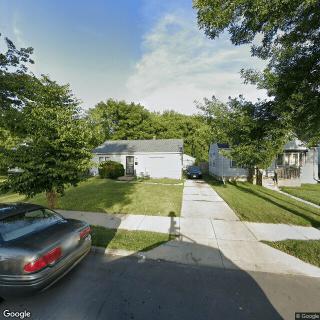
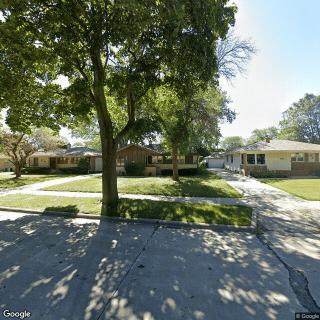
Fostering Care Adult Family Home in Milwaukee, WI

5080 North 50 Th Street, Milwaukee, WI 53218

For more information about senior living options: (844) 490-3973

5 from 8 reviews
5 stars
8
4 stars
0
3 stars
0
2 stars
0
1 stars
0

Assisted Living Board and Care Home

Overall Review of Fostering Care Adult Family Home

Pros

  • pro The owner of Caring For You AFH consistently demonstrated exceptional care, support, and patience in her interactions with residents.
  • pro She shows great concern for residents' well-being, treating them with the same dedication and affection as she would her own family.
  • pro Beyond her compassionate approach, she is remarkably thorough and organized in managing the home.
  • pro The group home manager did more to engage and move residents forward than other formalized organizations.
  • pro Any resident would feel comfortable, safe, and have their needs met.
  • pro The facility has a wonderful staff who are great with residents.
  • pro The staff at Caring For You AFH are awesome and treat residents like family.

Review

This community is best suited for families seeking a warm, intimate setting where residents are treated like family and care is delivered with exceptional patience and hands-on involvement. Fostering Care Adult Family Home operates with a clear, owner-led emphasis on personal connection, thorough oversight, and a calm, home-like atmosphere. The leadership translates into a consistently well-run environment where residents appear comfortable, engaged, and well cared for, not merely attended to. It's the kind of setting that thrives on steady routines, close observation, and a culture of responsiveness, making it a natural fit for elders who value daily presence, predictability, and a caregiver team that acts as an extended family.

Those who may want to consider alternatives include families with high medical acuity or those seeking extensive on-site clinical resources. If a loved one requires 24/7 nursing supervision, frequent on-site medical interventions, or access to specialized memory care programs, larger assisted living communities or dedicated memory care facilities may offer the required depth of medical oversight and structured clinical support. Additionally, households that prioritize a wide-ranging activities calendar, campus-style amenities, or highly programmatic rehabilitative services might find a bigger operation more aligned with those expectations. In short, when medical complexity or specialized care is central, it's prudent to compare options with greater clinical capacity.

The core strengths here - exceptional care, compassionate leadership, and meticulous administration - produce outcomes that largely offset the trade-offs inherent in a small-family setting. The owner consistently demonstrates care and patience, and staff respond in kind, treating residents with warmth and respect. This translates into residents who are consistently well cared for, happy, and engaged, with communications from the facility described as clear and proactive. The intimate scale supports meaningful interactions, quick problem-solving, and a sense of safety that families often crave. Cleanliness, a calm atmosphere, and a focus on resident well-being provide a solid counterbalance to the more limited array of services found in larger facilities.

From a care-delivery standpoint, the environment supports practical daily living: residents are cared for with attention to comfort, safety, and personal dignity, and families note the staff's ability to engage residents in activities that promote movement and meaningful interaction. The ethos of treating residents like family permeates all levels of operation, which strengthens trust and reduces the anxiety families often feel when placing a loved one outside the home. The downside, inherent to any small-format home, is that access to a broad spectrum of medical professionals and on-site specialists may be more constrained than at larger centers. This is not a shortfall so much as a characteristic to align with expectations: the sacrifice is more formal programming for a more intimate, hands-on caregiving dynamic.

Practical decision factors emerge clearly when weighing choice. For Milwaukee-area families, the facility's local footprint means straightforward coordination with outside providers, easier family visitation, and a sense of community continuity for residents who value familiarity. If a loved one thrives on predictable routines, consistent staffing, and a sense of being "seen," this AFH delivers in spades. Prospective residents should verify care plans, medication management approaches, meal routines, and the cadence of activities, while also assessing the facility's readiness to collaborate with outside clinicians. Visiting the home, meeting the owner, and observing daily interactions offer indispensable clarity before committing.

In sum, this community stands out for families prioritizing warmth, reliability, and a strong, familial caregiver bond. It is exceptionally well-suited for residents who respond positively to dedicated, organized leadership and a tight-knit, communicative team that treats each person as an individual. Alternatives become compelling when clinical complexity or memory-care needs demand more extensive on-site medical resources or a broader, programmatic activity slate. For suitable candidates, the advantages - trustworthy caregiving, a clean, safe home-like setting, and proactive family communication - are compelling enough to outweigh the typical limitations of smaller facilities.

Features

Housing

  • 3 resident community capacity 3 resident community capacity

Types of Care

  • Assisted Living Assisted LivingAssisted living facilities provide crucial support and care for seniors who may need help with daily tasks such as medication management, bathing, and meal preparation. These communities offer a safe and comfortable environment where seniors can maintain their independence while receiving the assistance they need to thrive in their golden years.
  • Board and Care Home Board and Care HomeBoard and care homes provide a smaller, more intimate setting for seniors who require assistance with daily tasks but do not need the level of care offered by a nursing home. They offer personalized care, meals, and social activities in a homelike environment, ensuring that seniors receive individualized attention and support in their golden years.

Amenities

  • Cable or satellite TV Cable or satellite TVCable or satellite TV is important for seniors because it provides entertainment, news, and companionship, helping to combat loneliness and boredom. It also offers a wide range of programming options tailored to different interests and preferences.
  • Dining room Dining roomDining rooms are important for seniors as they provide a space for socialization, connection, and nutritious meals. They offer opportunities for residents to bond over shared meals, foster a sense of community, and promote healthy eating habits. Dining rooms also ensure that seniors have access to well-balanced meals tailored to their dietary needs and preferences.
  • Fully furnished Fully furnishedFully furnished senior living communities are important for seniors because they provide convenience, comfort, and a hassle-free moving experience. Seniors can easily settle into their new living space without the stress of having to buy and move furniture. This allows them to focus on enjoying their new home and community.
  • Garden GardenGardens are important for seniors as they provide a peaceful and therapeutic environment for relaxation, physical activity, and socialization. Being in nature has been shown to reduce stress, improve mood, and promote overall well-being. Gardens also offer opportunities for seniors to engage in gardening activities, which can improve mobility, flexibility, and cognitive function. Additionally, gardens create a sense of community and connection with others who share a passion for plants and outdoor spaces.
  • Housekeeping services Housekeeping servicesHousekeeping services are important for seniors because they help maintain a clean and safe living environment, promote independence, and reduce the risk of accidents or illnesses. Additionally, having assistance with household chores can alleviate physical strain and allow seniors to focus on other aspects of their well-being.
  • Move-in coordination Move-in coordinationMove-in coordination is important for seniors because it helps ease the transition into their new living environment. It ensures that all logistics, such as packing, organizing movers, and setting up utilities are taken care of, allowing seniors to focus on settling in and adjusting to their new home. Having a smooth move-in process can alleviate stress and anxiety, making the transition smoother and more enjoyable for seniors.
  • Outdoor space Outdoor spaceOutdoor spaces are important for seniors as they provide opportunities for physical activity, social interaction, exposure to natural light and fresh air, and a sense of connection to nature. Having access to outdoor spaces can improve overall well-being and quality of life for older adults living in senior communities.
  • Telephone TelephoneTelephones are important for seniors as they provide a lifeline for communication with loved ones, emergency services, and healthcare providers. They offer a sense of security and independence, enabling seniors to stay connected and access assistance when needed.
  • Wi-Fi/high-speed internet available Wi-Fi/high-speed internet availableWi-Fi/high-speed internet is important for seniors to stay connected with loved ones, access online resources, and participate in virtual activities to combat feelings of loneliness and isolation. It also allows them to easily manage healthcare needs, access entertainment, and engage in lifelong learning opportunities.

Transportation

  • General Mitchell International (12 miles away) General Mitchell International (12 miles away)

Care Services

  • 24-hour supervision 24-hour supervision24-hour supervision is important for seniors to ensure their safety, well-being, and access to immediate assistance in case of emergencies or health issues. This constant support provides peace of mind for both seniors and their loved ones, allowing them to age in place with dignity and security.
  • Activities of daily living assistance Activities of daily living assistanceActivities of daily living assistance are important for seniors because they provide essential support with tasks such as eating, bathing, dressing, and mobility. This assistance helps seniors maintain their independence, dignity, and overall quality of life as they age.
  • Assistance with bathing Assistance with bathingAssistance with bathing is crucial for seniors as it helps maintain personal hygiene, prevents infections, and ensures their overall well-being and comfort. It also provides a sense of dignity and independence for seniors who may struggle with this task on their own.
  • Assistance with dressing Assistance with dressingAssistance with dressing is important for seniors because it helps maintain their independence, promotes personal hygiene, prevents accidents and injuries, and improves overall quality of life. This service ensures that seniors can continue to dress comfortably and confidently, despite any physical limitations they may have.
  • Assistance with transfers Assistance with transfersAssistance with transfers is crucial for seniors as it helps prevent falls and injuries, maintains their independence, and ensures they can safely navigate their living environment. It also provides peace of mind for both seniors and their loved ones.
  • Coordination with health care providers Coordination with health care providersCoordination with health care providers is crucial for seniors to ensure proper medical care, medication management, and overall well-being. This collaboration helps prevent overlapping treatments, track progress more effectively, and provide comprehensive support tailored to individual needs.
  • Diabetes diet Diabetes dietA diabetes diet is crucial for seniors as it helps manage blood sugar levels, reduce risks of complications, and improve overall health and well-being. By following a balanced and nutritious diet tailored to their specific needs, seniors can better control their diabetes and enhance their quality of life.
  • Meal preparation and service Meal preparation and serviceMeal preparation and service are crucial for seniors as they may have limited mobility or energy to cook nutritious meals. Having access to healthy and convenient food options can ensure they are getting the proper nutrition needed to maintain their overall health and well-being.
  • Medication management Medication managementMedication management is crucial for seniors to ensure they are taking the right medications at the correct dosages and times. This helps prevent adverse drug interactions, reduces the risk of medication errors, and promotes overall health and well-being. Proactive management also allows for adjustments as needed based on changing health conditions or new prescriptions.
  • Special dietary restrictions Special dietary restrictionsSpecial dietary restrictions are important for seniors because age-related changes in metabolism and health conditions can make it difficult for their bodies to process certain foods. By following a diet tailored to their specific needs, seniors can maintain their overall health and well-being, manage chronic conditions, and reduce the risk of complications such as malnutrition or food interactions with medications.
  • Transportation arrangement (medical) Transportation arrangement (medical)Transportation arrangements for medical purposes are essential for seniors as they may have difficulty driving themselves to appointments or accessing public transportation. Having reliable and safe transportation options ensures that seniors can receive timely medical care and maintain their health and well-being.
  • Transportation to doctors appointments Transportation to doctors appointmentsTransportation to doctors' appointments is crucial for seniors as it ensures they have access to necessary medical care and support for their health needs. Without reliable transportation, seniors may struggle to attend important appointments, leading to potential delays in treatment and health complications. Providing transportation services helps seniors maintain their overall well-being and quality of life.

Dining

  • Diabetes diet Diabetes dietA diabetes diet is crucial for seniors as it helps manage blood sugar levels, reduce risks of complications, and improve overall health and well-being. By following a balanced and nutritious diet tailored to their specific needs, seniors can better control their diabetes and enhance their quality of life.
  • Special dietary restrictions Special dietary restrictionsSpecial dietary restrictions are important for seniors because age-related changes in metabolism and health conditions can make it difficult for their bodies to process certain foods. By following a diet tailored to their specific needs, seniors can maintain their overall health and well-being, manage chronic conditions, and reduce the risk of complications such as malnutrition or food interactions with medications.

Activities

  • Community-sponsored activities Community-sponsored activitiesCommunity-sponsored activities are important for seniors as they provide opportunities for social interaction, mental stimulation, and physical activity. These activities can help improve overall well-being, combat loneliness and isolation, and promote a sense of belonging and purpose among older adults.
  • Scheduled daily activities Scheduled daily activitiesScheduled daily activities are important for seniors because they provide structure, socialization, mental stimulation, and physical activity. Engaging in regular activities can improve overall well-being and quality of life for seniors living in a community setting.

Description

The Fostering Care Adult Family Home in Milwaukee, WI is an exceptional assisted living community that offers a range of care services and amenities to provide a comfortable and supportive environment for its residents. With a focus on board and care home services, this community ensures that each individual receives personalized attention and assistance with their daily activities.

Residents can enjoy the fully furnished accommodations, which include spacious rooms and common areas for relaxation and socialization. The dining room provides nutritious meals prepared by professional staff to accommodate special dietary restrictions or preferences. Housekeeping services ensure that the living spaces are kept clean and tidy.

The outdoor space is beautifully maintained, offering opportunities for residents to enjoy the fresh air and engage in gardening activities if desired. Wi-Fi/high-speed internet access is available throughout the community, allowing residents to stay connected with their loved ones or pursue personal interests online. Telephone services are also provided for convenient communication.

The caring staff at Fostering Care Adult Family Home assists with activities of daily living such as bathing, dressing, transfers, and medication management. They work closely with health care providers to coordinate medical appointments and ensure that residents receive the necessary care they require. Diabetes diets are accommodated as needed.

To enhance social engagement, scheduled daily activities are organized, providing opportunities for residents to participate in stimulating exercises or enjoyable leisure pursuits. Additionally, nearby cafes, parks, pharmacies, restaurants, places of worship, hospitals and transportation options provide convenience and accessibility for residents' needs.

Overall, Fostering Care Adult Family Home prides itself on creating a warm and inclusive environment where individuals receive personalized care while being surrounded by a supportive community.

Nearby Places of Interest

Restaurants

  • Shark's Fish & Chicken (0.6 miles)
  • Checkers (2.1 miles)
  • The Brick Pub & Grill (2.6 miles)
  • McDonald's (2.8 miles)
  • KFC (2.9 miles)
  • Kopp's Frozen Custard (2.9 miles)
  • McDonald's (3 miles)

Pharmacies

  • CVS Pharmacy (1.2 miles)
  • Walgreens (1.4 miles)
  • Walgreens (2.1 miles)
  • Walgreens (2.3 miles)
  • Walgreens (2.6 miles)
  • Walgreens (2.8 miles)
  • Walgreens (3 miles)

Places of Worship

  • Redemption Lutheran Church (1.3 miles)
  • Northwest Baptist Church (2.8 miles)
  • Honey Creek Church (5.5 miles)

Hospitals

  • Wheaton Franciscan - St. Joseph Campus (2.5 miles)
  • Ambulatory EEG Recordings (4.6 miles)
  • Aurora Psychiatric Hospital (4.7 miles)
  • Aurora Sinai Medical Center (5.3 miles)
  • Froedtert Pavilion (5.3 miles)
  • Rogers Memorial Hospital (5.3 miles)

Transportation

  • U-Haul Moving & Storage (2.7 miles)
  • Milwaukee Intermodal Station (6 miles)

Physicians

  • Aurora Nephrology (2.9 miles)
  • Rheumatic Disease Center (4 miles)
  • Aurora Advanced Healthcare (4.3 miles)
  • Froedtert Clinical Cancer Center (5.4 miles)
  • Froedtert Hospital (5.4 miles)
  • Wheaton Franciscan Medical Group (5.7 miles)
  • Aurora Health Center (5.9 miles)

Cafes

  • Starbucks (3 miles)
  • Starbucks (3.8 miles)
  • Starbucks (4.4 miles)
  • Starbucks (5.5 miles)
  • Colectivo Lakefront (5.9 miles)

Parks

  • Algonquin Park (3.5 miles)
  • Estabrook Park (3.6 miles)
  • Brown Deer Park (3.7 miles)
  • Kern Park (4.4 miles)
  • Hoyt Park (4.6 miles)
  • Wil-O-Way Underwood Park (5.1 miles)
  • A C Hanson Park (5.2 miles)

Frequently Asked Questions

Where is Fostering Care Adult Family Home?

Nearby Communities

  • Progressive Caring

    Progressive Caring

    Milwaukee, WI

     
    $3,650 to $4,450 / month

    pro Small, personalized 3-resident community offering board & care and memory care with comprehensive services.

  • Progressive Caring,  LLC

    Progressive Caring, LLC

    Milwaukee, WI

    5 from 1 review
    $4,400 / month

    pro Specialized memory care with private bathrooms and ample on-site/off-site activities.

  • Stone Brick Residential Living Facility

    Stone Brick Residential Living Facility

    Milwaukee, WI

    4.5 from 26 reviews
     

    pro Small, personalized care with memory care options.

  • The Right Way Family Home 3

    The Right Way Family Home 3

    Milwaukee, WI

    5 from 3 reviews
     

    pro Small, homelike setting with 24/7 supervision and memory care programming.

  • Welshs Therapeutic Facility Site 2

    Welshs Therapeutic Facility Site 2

    Milwaukee, WI


    pro Fully furnished accommodations with 24/7 supervision, daily activities, diabetes-friendly meals, and transportation coordination.

  • The Right Way Family Home

    The Right Way Family Home

    Milwaukee, WI


    pro Homelike environment with memory care, 24/7 supervision, and wellness programs.

  • Jefferson Crest III Yellow Rose

    Jefferson Crest III Yellow Rose

    Milwaukee, WI

    2.3 from 3 reviews
     

    pro Diabetes-focused assisted living with devotional services and comfortable social spaces.

  • Laurel Oaks Senior Living

    Laurel Oaks Senior Living

    Glendale, WI

    4.6 from 53 reviews
     

    pro Friendly, attentive staff in a clean, home-like setting with engaging activities and well-maintained grounds.

  • Algonquin Manor

    Algonquin Manor

    Brown Deer, WI

    2.4 from 11 reviews
    $850 to $995 / month

    pro Friendly staff (e.g., Cathryn) and attentive maintenance; active social events.

Related Resources

  • assisted living insuranceAssisted Living Expenses and Long-Term Care Insurance: A Comprehensive Exploration

    The article discusses assisted living expenses, the importance of long-term care insurance in covering these costs, and various financing options, highlighting the need for careful policy review and early planning to address potential needs. It also clarifies common misconceptions about Medicare and private health insurance limitations regarding long-term care coverage.

  • how to pay for assisted livingSecuring Financial Support for Assisted Living: A Comprehensive Overview

    Assisted living facilities offer crucial support for older adults needing help with daily activities but come with varying and significant costs, which can be financed through personal savings, government assistance programs, long-term care insurance, and home equity options. Professional guidance from experts can aid families in navigating these financial complexities to establish a sustainable budgeting approach for assisted living services.

  • assisted living for seniors on social securitySocial Security Benefits and Assisted Living: Navigating Options Across the U.S.

    Assisted living costs often exceed Social Security benefits, necessitating a combination of funding sources like state aid and Medicaid. Understanding the interaction between Social Security programs and available financial support is essential for affording such care.