
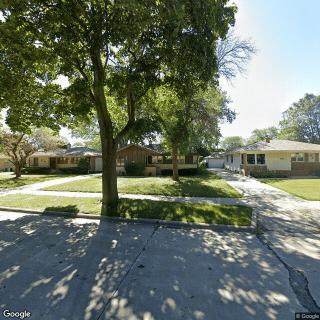
5151 North 45 Th Street, Milwaukee, WI 53218
For more information about senior living options: (866) 208-4318
Overall Review of The Right Way Family Home 3
Pros
 Ben is an exceptional therapist.
- He is kind and knowledgeable.
- He always goes above and beyond to support his patients.
- He helped my mother regain her confidence and mobility.
- He is highly recommended.
Review
The Right Way Family Home 3 is best suited for seniors who want a small, home-like setting where rehabilitative therapy sits at the center of daily life. Milwaukee residents who prioritize personal attention, a gentle, one-on-one approach, and a environment that feels less clinical than a traditional facility will find this community appealing. The standout element is the therapy program, anchored by an exceptionally capable therapist whose sessions emphasize rebuilding confidence and mobility. This is not a large, flashy campus; it’s a tight-knit space where focused, individualized care can make a measurable difference in independence and day-to-day functioning.
There are clear reasons to consider alternatives. For residents who require round-the-clock nursing oversight, complex medical management, or a wide array of on-site amenities and social programs, a larger assisted living or skilled nursing community may deliver more comprehensive coverage. Those who value a robust activities calendar, extensive transportation options, or specialized services for multiple chronic conditions might find the smaller home setting feels too limited. For families seeking a facility with formalized hospital-level care or broader staff coverage around the clock, other options will likely be more suitable.
The strongest pro is the therapy-driven approach, particularly the presence of a therapist who stands out for kindness, knowledge, and a willingness to go beyond the call of duty. The review highlights how therapy helped a resident regain mobility and rebuilt confidence, with sessions that feel personalized and goal-oriented rather than generic routines. That one-on-one focus fosters trust and accelerates progress, especially for individuals recovering from injury or dealing with gradual mobility challenges. In practical terms, this translates into greater functional independence and a more hopeful outlook for daily activities, making it an attractive fit for families prioritizing rehabilitation outcomes over conventional social programming alone.
On the other hand, the main cons tether to the realities of a small, family-style setting. While the therapeutic quality is a standout, the intimate model can limit staffing depth during busy periods and may not provide the level of constant medical oversight some residents require. The absence of a broad network of on-site amenities means less variety in daily programming and fewer opportunities for residents to engage in a wide range of experiences without leaving the community. For seniors with high-acuity needs or those who depend on continuous skilled nursing, these limitations can tip the balance toward alternatives that offer more buffering in emergencies and more diverse wellness options.
To make a sound decision, focus on how therapy fits into overall care goals and what happens if medical needs evolve. Ask specifically about Ben’s availability, the cadence of therapy sessions, and how therapy plans integrate with rest periods, nutrition, and daily routines. Clarify what medical staff coverage looks like on evenings and weekends, and whether there is a partner facility for higher-acuity care if needed. Request a candid tour that includes a chance to observe therapy in action, talk with current residents and families, and review a sample care plan and pricing structure to gauge value over time.
In sum, The Right Way Family Home 3 excels for families seeking a warm, home-like setting where rehabilitative therapy is expertly delivered and personalized. It is a compelling option for seniors aiming to regain or maintain independence through focused therapy, especially when a gentle, individualized touch matters most. Pros offset by the realities of a small-scale operation: superb therapy and supportive staff against the potential need for more comprehensive medical oversight and broader programming. For those who can align expectations with a modest, intimate environment, this community offers a concrete path to improved function, preserved autonomy, and a more confident daily life.
 4 resident community capacity
 Assisted Living
 Board and Care Home
 Memory Care
 Cable or satellite TV
 Dining room
 Fully furnished
 Garden
 Housekeeping services
 Move-in coordination
 Outdoor space
 Telephone
 Wi-Fi/high-speed internet available
 General Mitchell International (12 miles away)
 24-hour supervision
 Activities of daily living assistance
 Assistance with bathing
 Assistance with dressing
 Assistance with transfers
 Diabetes diet
 Hospice waiver
 Meal preparation and service
 Medication management
 Mental wellness program
 Special dietary restrictions
 Transportation arrangement (medical)
 Transportation to doctors appointments

 5 Early Indicators of Dementia and What You Can Do
 8 Important Indicators That Memory Care May Be Necessary
 Delving into the Inner World of Dementia: Insights into Thoughts and Awareness