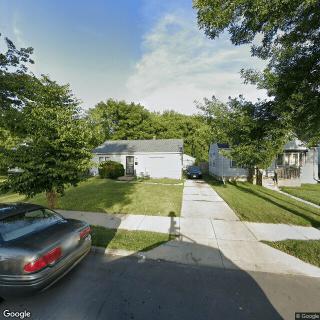
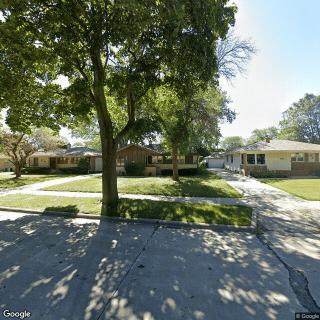
Stone Brick Residential Living Facility

4703 West Villard Avenue, Milwaukee, WI 53218

For more information about senior living options: (844) 490-3973

4.5 from 26 reviews
5 stars
21
4 stars
2
3 stars
1
2 stars
0
1 stars
2

Assisted Living Board and Care Home Memory Care

Overall Review of Stone Brick Residential Living Facility

Pros

  • pro Villa St. Francis is warm and inviting, feeling like a true home for residents.
  • pro The staff are friendly, caring, and helpful, consistently treating residents with kindness.
  • pro Families feel supported and can easily communicate with administrators and caregivers.
  • pro The dining room offers great food and opportunities for residents to socialize.
  • pro A wide range of activities and guest entertainment keep residents engaged and joyful.
  • pro Residents form friendships and enjoy meaningful interactions with others.
  • pro The facility is clean, well maintained, and welcoming to visitors.
  • pro Nurses and aides are described as compassionate, patient, and dedicated to high-quality care.
  • pro On-site services, such as dental visits, simplify appointments and ongoing care.
  • pro Many reviewers view Villa St. Francis as a true home and a "forever home" for their loved ones.

Cons

  • pro Monique is barely there and is condescending and dismissive when she is present.
  • pro Monique and her assistant/sister Ashley are often gone from the building together.
  • pro The care staff seem to have little to no support, despite their best efforts.
  • pro Most of the positive reviews come from family members, implying possible bias.

Review

The collection of experiences surrounding Villa St. Francis and Ascension Living St. Francis Place paints a picture of a warm, home-like community that many families genuinely value, while at the same time highlighting some real concerns about leadership presence and consistency. Across the reviews, residents and their families frequently describe a welcoming atmosphere where the environment itself feels comfortable and inviting. Several reviewers emphasize that the staff create a sense of belonging, with statements about staff who are friendly, attentive, and dedicated to the well-being of residents. The places are described as clean and well-maintained, with a tone of care that makes both residents and visiting family members feel at ease as soon as they walk in.

A strong thread in the feedback praises the daily life and routines within the community. Families frequently note delicious meals and an appealing dining room experience, with the food receiving particular mention for quality. Beyond meals, there are abundant activities and opportunities for social engagement, which many residents embrace with enthusiasm. Reviewers consistently point to a lively calendar of events and the sense that staff go above and beyond to organize activities that keep residents mentally and socially engaged. The feeling of independence is also highlighted; residents can maintain a sense of autonomy, and services like on-site dentistry and convenient access to errands - such as shopping or hair appointments - make life feel manageable and less disruptive to daily routines. The overall sentiment is that this is a place that can truly feel like home for both residents and their families.

Families repeatedly commend the accessibility and responsiveness of the caregiving team. In several notes, administrators and caregivers are described as hands-on, approachable, and communicative, which helps families feel supported throughout the care journey. One reviewer recounts a smooth transition into care with clear communication from Monique, noting that the process was made easy by prompt updates and reassurance. Across several accounts, caregivers - nurses, CNAs, and activities staff - are described as kind, patient, and respectful in their treatment of residents. The sense of partnership between staff and families is emphasized, with families appreciating transparency about a loved one's status and the reassurance that their loved one is being well cared for.

However, not all experiences align with the overwhelmingly positive tone. A portion of the feedback singles out concerns about leadership presence and staff support. In particular, one reviewer describes Monique as "barely there," with Ashley as her sister and assistant, suggesting that they are often away from the building together. This perception of limited access to senior staff and a sense that management and support are inconsistent has left some families feeling that vitally important communication and leadership support are lacking. The accompanying concern is that care staff may feel under-supported themselves, which can impact the perceived quality of care and the overall experience for families and residents alike.

Despite the mixed notes on leadership, many families express a deep appreciation for what the facility offers. For them, the positives - compassionate care, a warm and welcoming atmosphere, nutritious meals, engaging activities, and a strong sense of community - far outweigh the drawbacks. Phrases like "a blessing for the family," "the best medical care," and "highly recommend" recur in the praise, underscoring that for many, Villa St. Francis serves as a truly supportive and nurturing home. Some reviewers even describe the site as a "forever home" for their loved ones, reflecting the lasting peace and stability they feel their family members receive there.

In sum, Villa St. Francis and Ascension Living St. Francis Place appear to be places where genuine care, community, and a home-like atmosphere are the norm for many residents and families. The strongest advocacy comes from those who have experienced timely communication, accessible staff, and a platform for meaningful activity and independence. At the same time, there are concerns worth considering for prospective families: ensure you have a clear line of sight to leadership availability and staff support, and visit with an eye toward how these factors might influence your daily experience and your loved one's comfort and safety. If you're weighing options, taking time to meet with the administrator and frontline caregivers, and asking pointed questions about consistency of leadership presence, could be particularly valuable steps in making an informed choice.

Features

Housing

  • 4 resident community capacity 4 resident community capacity

Types of Care

  • Assisted Living Assisted LivingAssisted living facilities provide crucial support and care for seniors who may need help with daily tasks such as medication management, bathing, and meal preparation. These communities offer a safe and comfortable environment where seniors can maintain their independence while receiving the assistance they need to thrive in their golden years.
  • Board and Care Home Board and Care HomeBoard and care homes provide a smaller, more intimate setting for seniors who require assistance with daily tasks but do not need the level of care offered by a nursing home. They offer personalized care, meals, and social activities in a homelike environment, ensuring that seniors receive individualized attention and support in their golden years.
  • Memory Care Memory CareMemory care is crucial for seniors as it provides specialized support and services for individuals with dementia or Alzheimer's disease. These programs offer a safe and secure environment where residents receive personalized care, cognitive stimulation, and help with daily activities. Memory care helps seniors maintain their independence, quality of life, and dignity while also providing peace of mind for their families.

Amenities

  • Cable or satellite TV Cable or satellite TVCable or satellite TV is important for seniors because it provides entertainment, news, and companionship, helping to combat loneliness and boredom. It also offers a wide range of programming options tailored to different interests and preferences.
  • Dining room Dining roomDining rooms are important for seniors as they provide a space for socialization, connection, and nutritious meals. They offer opportunities for residents to bond over shared meals, foster a sense of community, and promote healthy eating habits. Dining rooms also ensure that seniors have access to well-balanced meals tailored to their dietary needs and preferences.
  • Fully furnished Fully furnishedFully furnished senior living communities are important for seniors because they provide convenience, comfort, and a hassle-free moving experience. Seniors can easily settle into their new living space without the stress of having to buy and move furniture. This allows them to focus on enjoying their new home and community.
  • Garden GardenGardens are important for seniors as they provide a peaceful and therapeutic environment for relaxation, physical activity, and socialization. Being in nature has been shown to reduce stress, improve mood, and promote overall well-being. Gardens also offer opportunities for seniors to engage in gardening activities, which can improve mobility, flexibility, and cognitive function. Additionally, gardens create a sense of community and connection with others who share a passion for plants and outdoor spaces.
  • Housekeeping services Housekeeping servicesHousekeeping services are important for seniors because they help maintain a clean and safe living environment, promote independence, and reduce the risk of accidents or illnesses. Additionally, having assistance with household chores can alleviate physical strain and allow seniors to focus on other aspects of their well-being.
  • Move-in coordination Move-in coordinationMove-in coordination is important for seniors because it helps ease the transition into their new living environment. It ensures that all logistics, such as packing, organizing movers, and setting up utilities are taken care of, allowing seniors to focus on settling in and adjusting to their new home. Having a smooth move-in process can alleviate stress and anxiety, making the transition smoother and more enjoyable for seniors.
  • Outdoor space Outdoor spaceOutdoor spaces are important for seniors as they provide opportunities for physical activity, social interaction, exposure to natural light and fresh air, and a sense of connection to nature. Having access to outdoor spaces can improve overall well-being and quality of life for older adults living in senior communities.
  • Telephone TelephoneTelephones are important for seniors as they provide a lifeline for communication with loved ones, emergency services, and healthcare providers. They offer a sense of security and independence, enabling seniors to stay connected and access assistance when needed.
  • Wi-Fi/high-speed internet available Wi-Fi/high-speed internet availableWi-Fi/high-speed internet is important for seniors to stay connected with loved ones, access online resources, and participate in virtual activities to combat feelings of loneliness and isolation. It also allows them to easily manage healthcare needs, access entertainment, and engage in lifelong learning opportunities.

Transportation

  • General Mitchell International (12 miles away) General Mitchell International (12 miles away)

Care Services

  • 24-hour supervision 24-hour supervision24-hour supervision is important for seniors to ensure their safety, well-being, and access to immediate assistance in case of emergencies or health issues. This constant support provides peace of mind for both seniors and their loved ones, allowing them to age in place with dignity and security.
  • Activities of daily living assistance Activities of daily living assistanceActivities of daily living assistance are important for seniors because they provide essential support with tasks such as eating, bathing, dressing, and mobility. This assistance helps seniors maintain their independence, dignity, and overall quality of life as they age.
  • Assistance with bathing Assistance with bathingAssistance with bathing is crucial for seniors as it helps maintain personal hygiene, prevents infections, and ensures their overall well-being and comfort. It also provides a sense of dignity and independence for seniors who may struggle with this task on their own.
  • Assistance with dressing Assistance with dressingAssistance with dressing is important for seniors because it helps maintain their independence, promotes personal hygiene, prevents accidents and injuries, and improves overall quality of life. This service ensures that seniors can continue to dress comfortably and confidently, despite any physical limitations they may have.
  • Assistance with transfers Assistance with transfersAssistance with transfers is crucial for seniors as it helps prevent falls and injuries, maintains their independence, and ensures they can safely navigate their living environment. It also provides peace of mind for both seniors and their loved ones.
  • Coordination with health care providers Coordination with health care providersCoordination with health care providers is crucial for seniors to ensure proper medical care, medication management, and overall well-being. This collaboration helps prevent overlapping treatments, track progress more effectively, and provide comprehensive support tailored to individual needs.
  • Dementia waiver Dementia waiverDementia waivers are essential for seniors as they provide critical protections and accommodations for those experiencing cognitive decline. These waivers ensure individuals with dementia receive appropriate care, support, and resources to maintain their quality of life and dignity as they navigate the challenges of this progressive condition.
  • Diabetes diet Diabetes dietA diabetes diet is crucial for seniors as it helps manage blood sugar levels, reduce risks of complications, and improve overall health and well-being. By following a balanced and nutritious diet tailored to their specific needs, seniors can better control their diabetes and enhance their quality of life.
  • Hospice waiver Hospice waiverHospice waivers are important for seniors because they allow individuals to receive specialized end-of-life care and support at home or in a hospice facility. This waiver ensures that seniors can access the necessary resources and services to maintain comfort and dignity during their final days.
  • Meal preparation and service Meal preparation and serviceMeal preparation and service are crucial for seniors as they may have limited mobility or energy to cook nutritious meals. Having access to healthy and convenient food options can ensure they are getting the proper nutrition needed to maintain their overall health and well-being.
  • Medication management Medication managementMedication management is crucial for seniors to ensure they are taking the right medications at the correct dosages and times. This helps prevent adverse drug interactions, reduces the risk of medication errors, and promotes overall health and well-being. Proactive management also allows for adjustments as needed based on changing health conditions or new prescriptions.
  • Mental wellness program Mental wellness programMental wellness programs are essential for seniors as they promote cognitive stimulation, emotional support, and social engagement. These programs help prevent isolation, depression, and cognitive decline, ultimately enhancing the overall quality of life for older adults.
  • Mild cognitive impairment Mild cognitive impairment"Mild cognitive impairment" is important for seniors because it is an early stage of cognitive decline that can potentially progress to more severe conditions such as dementia. Recognizing and addressing mild cognitive impairment can help seniors receive appropriate care and support to maintain their quality of life and independence for as long as possible.
  • Special dietary restrictions Special dietary restrictionsSpecial dietary restrictions are important for seniors because age-related changes in metabolism and health conditions can make it difficult for their bodies to process certain foods. By following a diet tailored to their specific needs, seniors can maintain their overall health and well-being, manage chronic conditions, and reduce the risk of complications such as malnutrition or food interactions with medications.
  • Specialized memory care programming Specialized memory care programmingSpecialized memory care programming is crucial for seniors with cognitive impairments such as dementia or Alzheimer's disease. These programs provide a safe and supportive environment tailored to the unique needs of individuals with memory loss, helping them maintain their independence, dignity, and quality of life.
  • Transportation arrangement (medical) Transportation arrangement (medical)Transportation arrangements for medical purposes are essential for seniors as they may have difficulty driving themselves to appointments or accessing public transportation. Having reliable and safe transportation options ensures that seniors can receive timely medical care and maintain their health and well-being.
  • Transportation to doctors appointments Transportation to doctors appointmentsTransportation to doctors' appointments is crucial for seniors as it ensures they have access to necessary medical care and support for their health needs. Without reliable transportation, seniors may struggle to attend important appointments, leading to potential delays in treatment and health complications. Providing transportation services helps seniors maintain their overall well-being and quality of life.

Dining

  • Diabetes diet Diabetes dietA diabetes diet is crucial for seniors as it helps manage blood sugar levels, reduce risks of complications, and improve overall health and well-being. By following a balanced and nutritious diet tailored to their specific needs, seniors can better control their diabetes and enhance their quality of life.
  • Special dietary restrictions Special dietary restrictionsSpecial dietary restrictions are important for seniors because age-related changes in metabolism and health conditions can make it difficult for their bodies to process certain foods. By following a diet tailored to their specific needs, seniors can maintain their overall health and well-being, manage chronic conditions, and reduce the risk of complications such as malnutrition or food interactions with medications.

Activities

  • Community-sponsored activities Community-sponsored activitiesCommunity-sponsored activities are important for seniors as they provide opportunities for social interaction, mental stimulation, and physical activity. These activities can help improve overall well-being, combat loneliness and isolation, and promote a sense of belonging and purpose among older adults.
  • Scheduled daily activities Scheduled daily activitiesScheduled daily activities are important for seniors because they provide structure, socialization, mental stimulation, and physical activity. Engaging in regular activities can improve overall well-being and quality of life for seniors living in a community setting.

Description

Located in Milwaukee, WI, the Stone Brick Residential Living Facility is a premier assisted living community that offers a variety of care options to meet the individual needs of its residents. With a focus on providing high-quality support and personalized care, this facility is ideal for individuals seeking a comfortable and nurturing environment.

The community offers both board and care home services as well as specialized memory care for those who require additional support. Residents can enjoy a range of amenities designed to enhance their quality of life, including a spacious dining room where delicious meals are served, fully furnished accommodations for convenience, and access to an outdoor garden for relaxation and enjoyment.

Housekeeping services ensure that the living spaces are always clean and organized, allowing residents to focus on enjoying their retirement years. Move-in coordination services provide assistance with the transition process, making it seamless and hassle-free. Additionally, residents have access to telephone services as well as Wi-Fi/high-speed internet connectivity to stay connected with loved ones or engage in online activities.

The professional staff at Stone Brick Residential Living Facility are dedicated to meeting the personal care needs of each resident. They provide assistance with activities of daily living such as bathing, dressing, and transfers. Coordination with healthcare providers ensures that residents receive comprehensive medical care tailored to their specific needs. The facility also offers specialized programs for mental wellness and mild cognitive impairment.

Residents with dietary restrictions or special dietary needs will find their requirements catered to at every mealtime. The dining staff can accommodate special diets such as diabetic or hospice waivers. Moreover, there are scheduled daily activities designed to promote social interaction and engagement among residents.

The community's prime location in Milwaukee provides easy access to nearby amenities. With several cafes, parks, pharmacies, restaurants, places of worship, hospitals, and transport options close by, residents can enjoy convenience and easy access to essential services.

Stone Brick Residential Living Facility is committed to providing exceptional care in a warm and compassionate setting. Whether individuals require assistance with daily tasks or specialized memory care, this community offers a supportive environment and a range of services to meet their unique needs.

Nearby Places of Interest

Restaurants

  • Shark's Fish & Chicken (0.7 miles)
  • Checkers (2.3 miles)
  • The Brick Pub & Grill (2.4 miles)
  • McDonald's (2.6 miles)
  • KFC (2.7 miles)
  • Kopp's Frozen Custard (2.8 miles)
  • The Cheesecake Factory (3 miles)

Pharmacies

  • CVS Pharmacy (1.1 miles)
  • Walgreens (1.6 miles)
  • Walgreens (2.3 miles)
  • Walgreens (2.4 miles)
  • Walgreens (2.6 miles)
  • Walgreens (2.8 miles)
  • Walgreens (2.8 miles)

Places of Worship

  • Redemption Lutheran Church (1.4 miles)
  • Northwest Baptist Church (3 miles)
  • Honey Creek Church (5.7 miles)

Hospitals

  • Wheaton Franciscan - St. Joseph Campus (2.6 miles)
  • Ambulatory EEG Recordings (4.7 miles)
  • Aurora Psychiatric Hospital (4.9 miles)
  • Rogers Memorial Hospital (5.2 miles)
  • Aurora Sinai Medical Center (5.3 miles)
  • Froedtert Pavilion (5.5 miles)

Transportation

  • U-Haul Moving & Storage (2.6 miles)
  • Milwaukee Intermodal Station (6 miles)

Physicians

  • Aurora Nephrology (2.7 miles)
  • Rheumatic Disease Center (3.8 miles)
  • Aurora Advanced Healthcare (4.5 miles)
  • Froedtert Clinical Cancer Center (5.6 miles)
  • Froedtert Hospital (5.6 miles)
  • Wheaton Franciscan Medical Group (5.9 miles)
  • Aurora Health Center (6.1 miles)

Cafes

  • Starbucks (3 miles)
  • Starbucks (3.6 miles)
  • Starbucks (4.6 miles)
  • Starbucks (5.7 miles)
  • Colectivo Lakefront (5.9 miles)

Parks

  • Algonquin Park (3.4 miles)
  • Estabrook Park (3.4 miles)
  • Brown Deer Park (3.5 miles)
  • Kern Park (4.3 miles)
  • Hoyt Park (4.7 miles)
  • A C Hanson Park (5.1 miles)
  • Atwater Park (5.2 miles)

Frequently Asked Questions

Where is Stone Brick Residential Living Facility?
Does Stone Brick Residential Living Facility provide care for residents with dementia or Alzheimer's disease?

Nearby Communities

Related Resources

  • assisted living waiver programA Detailed Exploration of Assisted Living Medicaid Waivers Across the United States

    Medicaid waivers for assisted living services provide vital support for seniors and individuals with disabilities in need of long-term care, with varying state-specific eligibility criteria and benefits. These waivers cover personal care and case management but often do not fully cover room and board, leading to waiting lists for many applicants.

  • assisted living vs skilled nursingExploring the Contrasts Between Assisted Living and Skilled Nursing

    The article compares assisted living and skilled nursing facilities, detailing their differing levels of assistance, medical support, cost structures, and day-to-day experiences. It emphasizes that assisted living is for those needing help with daily activities while maintaining independence, whereas skilled nursing facilities provide intensive medical care with 24-hour staff supervision.

  • active senior livingVibrant Senior Living: A Comprehensive Guide for Active Older Adults

    Vibrant Senior Living emphasizes active senior living communities that promote independence and engagement through diverse amenities and activities, fostering wellness and social interaction among older adults. These communities range from independent to assisted living, with a focus on personal growth, family involvement, financial planning, and leveraging technology to enhance residents' experiences.