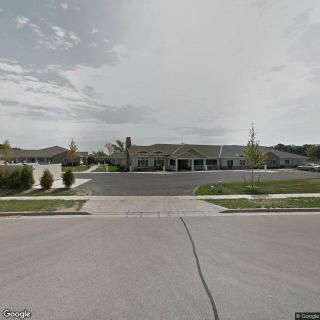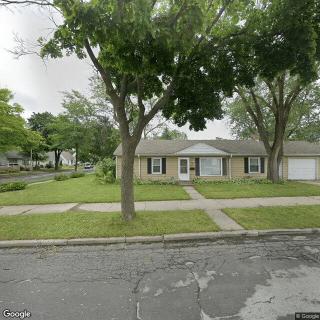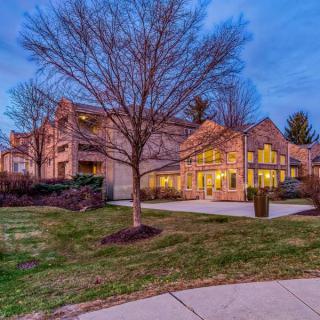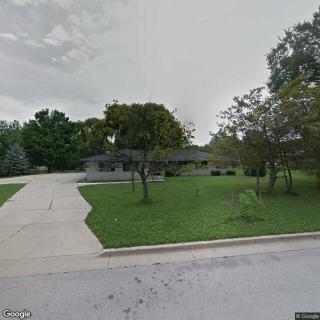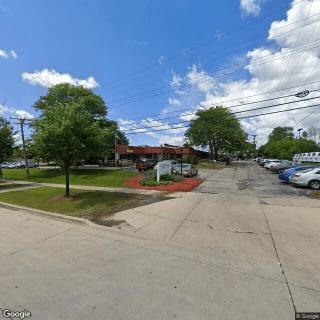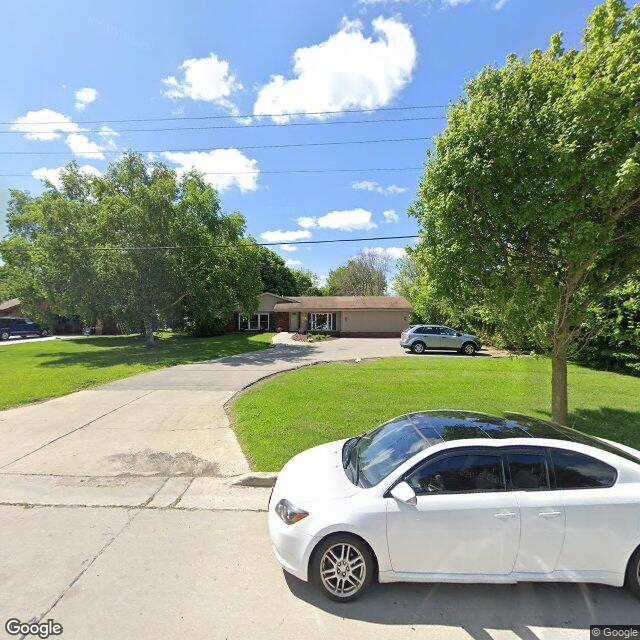
Cambridge Castle in Milwaukee, WI

Save
Cambridge Castle

Cambridge Castle in Milwaukee, WI

3531 West Grange Avenue, Milwaukee, WI 53221

For more information about senior living options: (844) 490-3973

3.7 from 3 reviews
5 stars
2
4 stars
0
3 stars
0
2 stars
0
1 stars
1

Assisted Living Board and Care Home Memory Care

Cambridge Castle Costs & Pricing

Cambridge Castle offers competitive pricing for its accommodations compared to both Milwaukee County and the broader Wisconsin state averages. For semi-private rooms, residents will find a cost of $4,000 per month, which is notably more economical than the county's average of $4,341, yet slightly higher than the state average of $3,977. Studio apartments are available at a monthly rate of $4,250, positioned between Milwaukee County's more affordable rate of $3,841 and Wisconsin's state average of $3,999. Finally, private rooms also reflect a similar trend; at $4,250 per month, this option is more appealing than the county's higher cost of $4,513 while remaining below the state average of $4,339. Overall, Cambridge Castle presents an attractive value proposition for prospective residents looking for quality living arrangements in a competitive market.

Floor plansCambridge CastleMilwaukee CountyWisconsin
Semi-Private$4,000$4,341$3,977
Studio$4,250$3,841$3,999
Private$4,250$4,513$4,339

Overall Review of Cambridge Castle

Pros

  • pro The staff at Castle Senior Living was excellent.
  • pro They were very compassionate and attentive to her needs.
  • pro The small setting was ideal.
  • pro The reviewer would recommend Castle Senior Living to everyone.

Cons

  • pro The facility was very poorly managed.

Review

Cambridge Castle in Milwaukee is best suited for families seeking a memory-care focused, intimate living option. The setting operates like a small group home, which lends itself to close, hands-on attention for residents with Alzheimer's or other forms of dementia. The most compelling fit is for those who prize a homelike atmosphere and highly responsive caregivers over larger, more institution-like environments. Families that want to be actively involved in daily care and communication tend to find this model reassuring, as staff are described as compassionate, attentive, and clearly engaged with residents' needs.

Those who may want to consider alternatives are families prioritizing strong, consistent management and systematic operations. The facility's strongest selling points - its small size and individualized care - can be undermined if governance and oversight are inconsistent. Prospective residents whose loved ones require rigorous care coordination, robust clinical resources, or highly predictable administrative processes may be better served by facilities with more documented management structures, standardized procedures, and broader ancillary services. In short, if reliability and formal program strength are non-negotiables, explore options with a longer track record of stable leadership.

The primary advantages are clear: a small, home-like setting paired with staff who are described as exceptionally caring and attentive. For residents with memory impairment, this kind of environment can reduce agitation and confusion, promote sense of security, and enable personalized care plans that reflect daily routines and preferences. When families observe staff who take the time to understand individual histories and needs, the resulting continuity of care often translates into calmer days for residents and easier family involvement. In memory care, that level of individualized attention can meaningfully offset the limitations that come with a smaller operation.

However, the most significant risk centers on management. One review bluntly characterizes Cambridge Castle as "very poorly managed," a stark contrast to the warm, caregiving emphasis highlighted elsewhere. That concern suggests potential issues with consistency, communication, or responsiveness at the administrative level. In a memory-care setting, where care plans, staffing assignments, and emergency responses hinge on reliable leadership, such governance questions can translate into fluctuating quality of care, scheduling gaps, or slower execution of resident requests. The absence of detail in the critique means families must test these areas directly during visits and conversations with current residents' families.

For families weighing the decision, there are concrete steps to take that align with a practical, outcomes-focused approach. First, demand transparent, written information about staffing patterns, including day and night ratios, staff training, and who oversees care plans. Second, seek a walk-through focused on memory-care programming: daily routines, cognitive activities, and how behavioral changes are monitored and addressed. Third, insist on clear channels for family communication, including how concerns are tracked and resolved. Fourth, request real-world examples of how emergencies are handled and how quickly leadership responds to issues. Finally, compare Cambridge Castle to other Milwaukee-area options in terms of governance stability, program breadth, and long-term care planning.

Ultimately, Cambridge Castle offers a compelling option for families seeking a warm, intimate memory-care home with deeply engaged staff. It can deliver exceptionally meaningful daily experiences for residents who flourish in a small-community model. The caveat is management reliability: without assurances of strong, consistent oversight, the same strengths that make the community attractive - personalized attention, a homelike feel - may be undermined. For families who can verify solid administrative leadership and transparent operations, Cambridge Castle represents a practical, compassionate choice. For those where governance certainty is non-negotiable, exploring alternatives with more clearly demonstrated infrastructure and oversight is advisable.

Features

Housing

  • 8 resident community capacity 8 resident community capacity

Types of Care

  • Assisted Living Assisted LivingAssisted living facilities provide crucial support and care for seniors who may need help with daily tasks such as medication management, bathing, and meal preparation. These communities offer a safe and comfortable environment where seniors can maintain their independence while receiving the assistance they need to thrive in their golden years.
  • Board and Care Home Board and Care HomeBoard and care homes provide a smaller, more intimate setting for seniors who require assistance with daily tasks but do not need the level of care offered by a nursing home. They offer personalized care, meals, and social activities in a homelike environment, ensuring that seniors receive individualized attention and support in their golden years.
  • Memory Care Memory CareMemory care is crucial for seniors as it provides specialized support and services for individuals with dementia or Alzheimer's disease. These programs offer a safe and secure environment where residents receive personalized care, cognitive stimulation, and help with daily activities. Memory care helps seniors maintain their independence, quality of life, and dignity while also providing peace of mind for their families.

Amenities

  • Beautician on-site Beautician on-siteHaving a beautician on-site at a senior living community is important for seniors as it allows them to easily access grooming and personal care services, boosting their self-esteem and overall well-being. It also provides convenience and helps seniors maintain their sense of independence and personal style.
  • Cable or satellite TV Cable or satellite TVCable or satellite TV is important for seniors because it provides entertainment, news, and companionship, helping to combat loneliness and boredom. It also offers a wide range of programming options tailored to different interests and preferences.
  • Dining room Dining roomDining rooms are important for seniors as they provide a space for socialization, connection, and nutritious meals. They offer opportunities for residents to bond over shared meals, foster a sense of community, and promote healthy eating habits. Dining rooms also ensure that seniors have access to well-balanced meals tailored to their dietary needs and preferences.
  • Fully furnished Fully furnishedFully furnished senior living communities are important for seniors because they provide convenience, comfort, and a hassle-free moving experience. Seniors can easily settle into their new living space without the stress of having to buy and move furniture. This allows them to focus on enjoying their new home and community.
  • Garden GardenGardens are important for seniors as they provide a peaceful and therapeutic environment for relaxation, physical activity, and socialization. Being in nature has been shown to reduce stress, improve mood, and promote overall well-being. Gardens also offer opportunities for seniors to engage in gardening activities, which can improve mobility, flexibility, and cognitive function. Additionally, gardens create a sense of community and connection with others who share a passion for plants and outdoor spaces.
  • Housekeeping services Housekeeping servicesHousekeeping services are important for seniors because they help maintain a clean and safe living environment, promote independence, and reduce the risk of accidents or illnesses. Additionally, having assistance with household chores can alleviate physical strain and allow seniors to focus on other aspects of their well-being.
  • Move-in coordination Move-in coordinationMove-in coordination is important for seniors because it helps ease the transition into their new living environment. It ensures that all logistics, such as packing, organizing movers, and setting up utilities are taken care of, allowing seniors to focus on settling in and adjusting to their new home. Having a smooth move-in process can alleviate stress and anxiety, making the transition smoother and more enjoyable for seniors.
  • Outdoor space Outdoor spaceOutdoor spaces are important for seniors as they provide opportunities for physical activity, social interaction, exposure to natural light and fresh air, and a sense of connection to nature. Having access to outdoor spaces can improve overall well-being and quality of life for older adults living in senior communities.
  • Telephone TelephoneTelephones are important for seniors as they provide a lifeline for communication with loved ones, emergency services, and healthcare providers. They offer a sense of security and independence, enabling seniors to stay connected and access assistance when needed.
  • Wi-Fi/high-speed internet available Wi-Fi/high-speed internet availableWi-Fi/high-speed internet is important for seniors to stay connected with loved ones, access online resources, and participate in virtual activities to combat feelings of loneliness and isolation. It also allows them to easily manage healthcare needs, access entertainment, and engage in lifelong learning opportunities.

Transportation

  • General Mitchell International (3 miles away) General Mitchell International (3 miles away)

Care Services

  • 24-hour supervision 24-hour supervision24-hour supervision is important for seniors to ensure their safety, well-being, and access to immediate assistance in case of emergencies or health issues. This constant support provides peace of mind for both seniors and their loved ones, allowing them to age in place with dignity and security.
  • Activities of daily living assistance Activities of daily living assistanceActivities of daily living assistance are important for seniors because they provide essential support with tasks such as eating, bathing, dressing, and mobility. This assistance helps seniors maintain their independence, dignity, and overall quality of life as they age.
  • Ambulatory care Ambulatory care"Ambulatory care services provide essential medical support and treatment to seniors without requiring hospitalization, allowing them to maintain their independence and quality of life while managing chronic conditions or receiving routine medical care."
  • Assistance with bathing Assistance with bathingAssistance with bathing is crucial for seniors as it helps maintain personal hygiene, prevents infections, and ensures their overall well-being and comfort. It also provides a sense of dignity and independence for seniors who may struggle with this task on their own.
  • Assistance with dressing Assistance with dressingAssistance with dressing is important for seniors because it helps maintain their independence, promotes personal hygiene, prevents accidents and injuries, and improves overall quality of life. This service ensures that seniors can continue to dress comfortably and confidently, despite any physical limitations they may have.
  • Assistance with transfers Assistance with transfersAssistance with transfers is crucial for seniors as it helps prevent falls and injuries, maintains their independence, and ensures they can safely navigate their living environment. It also provides peace of mind for both seniors and their loved ones.
  • Coordination with health care providers Coordination with health care providersCoordination with health care providers is crucial for seniors to ensure proper medical care, medication management, and overall well-being. This collaboration helps prevent overlapping treatments, track progress more effectively, and provide comprehensive support tailored to individual needs.
  • Dementia waiver Dementia waiverDementia waivers are essential for seniors as they provide critical protections and accommodations for those experiencing cognitive decline. These waivers ensure individuals with dementia receive appropriate care, support, and resources to maintain their quality of life and dignity as they navigate the challenges of this progressive condition.
  • Diabetes diet Diabetes dietA diabetes diet is crucial for seniors as it helps manage blood sugar levels, reduce risks of complications, and improve overall health and well-being. By following a balanced and nutritious diet tailored to their specific needs, seniors can better control their diabetes and enhance their quality of life.
  • Hospice waiver Hospice waiverHospice waivers are important for seniors because they allow individuals to receive specialized end-of-life care and support at home or in a hospice facility. This waiver ensures that seniors can access the necessary resources and services to maintain comfort and dignity during their final days.
  • Incontinence care Incontinence careIncontinence care is essential for seniors to maintain their dignity, hygiene, and overall quality of life. By addressing incontinence issues promptly and effectively, seniors can enjoy a sense of independence and comfort in their daily activities.
  • Meal preparation and service Meal preparation and serviceMeal preparation and service are crucial for seniors as they may have limited mobility or energy to cook nutritious meals. Having access to healthy and convenient food options can ensure they are getting the proper nutrition needed to maintain their overall health and well-being.
  • Medication management Medication managementMedication management is crucial for seniors to ensure they are taking the right medications at the correct dosages and times. This helps prevent adverse drug interactions, reduces the risk of medication errors, and promotes overall health and well-being. Proactive management also allows for adjustments as needed based on changing health conditions or new prescriptions.
  • Mental wellness program Mental wellness programMental wellness programs are essential for seniors as they promote cognitive stimulation, emotional support, and social engagement. These programs help prevent isolation, depression, and cognitive decline, ultimately enhancing the overall quality of life for older adults.
  • Mild cognitive impairment Mild cognitive impairment"Mild cognitive impairment" is important for seniors because it is an early stage of cognitive decline that can potentially progress to more severe conditions such as dementia. Recognizing and addressing mild cognitive impairment can help seniors receive appropriate care and support to maintain their quality of life and independence for as long as possible.
  • Special dietary restrictions Special dietary restrictionsSpecial dietary restrictions are important for seniors because age-related changes in metabolism and health conditions can make it difficult for their bodies to process certain foods. By following a diet tailored to their specific needs, seniors can maintain their overall health and well-being, manage chronic conditions, and reduce the risk of complications such as malnutrition or food interactions with medications.
  • Specialized memory care programming Specialized memory care programmingSpecialized memory care programming is crucial for seniors with cognitive impairments such as dementia or Alzheimer's disease. These programs provide a safe and supportive environment tailored to the unique needs of individuals with memory loss, helping them maintain their independence, dignity, and quality of life.
  • Transportation arrangement (medical) Transportation arrangement (medical)Transportation arrangements for medical purposes are essential for seniors as they may have difficulty driving themselves to appointments or accessing public transportation. Having reliable and safe transportation options ensures that seniors can receive timely medical care and maintain their health and well-being.
  • Transportation to doctors appointments Transportation to doctors appointmentsTransportation to doctors' appointments is crucial for seniors as it ensures they have access to necessary medical care and support for their health needs. Without reliable transportation, seniors may struggle to attend important appointments, leading to potential delays in treatment and health complications. Providing transportation services helps seniors maintain their overall well-being and quality of life.
Dining

  • Diabetes diet Diabetes dietA diabetes diet is crucial for seniors as it helps manage blood sugar levels, reduce risks of complications, and improve overall health and well-being. By following a balanced and nutritious diet tailored to their specific needs, seniors can better control their diabetes and enhance their quality of life.
  • Special dietary restrictions Special dietary restrictionsSpecial dietary restrictions are important for seniors because age-related changes in metabolism and health conditions can make it difficult for their bodies to process certain foods. By following a diet tailored to their specific needs, seniors can maintain their overall health and well-being, manage chronic conditions, and reduce the risk of complications such as malnutrition or food interactions with medications.

Activities

  • Community-sponsored activities Community-sponsored activitiesCommunity-sponsored activities are important for seniors as they provide opportunities for social interaction, mental stimulation, and physical activity. These activities can help improve overall well-being, combat loneliness and isolation, and promote a sense of belonging and purpose among older adults.
  • Scheduled daily activities Scheduled daily activitiesScheduled daily activities are important for seniors because they provide structure, socialization, mental stimulation, and physical activity. Engaging in regular activities can improve overall well-being and quality of life for seniors living in a community setting.

Description

Cambridge Castle in Milwaukee, WI is an exceptional assisted living community that provides high-quality care for individuals in need of board and memory care services. Our warm and inviting environment coupled with our extensive range of amenities ensures that residents feel comfortable and at home.

At Cambridge Castle, we offer fully furnished accommodations with cable or satellite TV, telephone service, and Wi-Fi/high-speed internet access. Residents can enjoy delicious meals in our dining room, which caters to special dietary restrictions. Housekeeping services are provided to maintain a clean and tidy living space for our residents.

Our community features beautiful outdoor spaces and gardens where residents can relax and enjoy the fresh air. We also offer move-in coordination services to make the transition as seamless as possible. Additionally, our staff can assist with transportation arrangements for medical appointments.

We prioritize the well-being of our residents by providing comprehensive care services tailored to their individual needs. Our dedicated team offers assistance with activities of daily living such as bathing, dressing, and transfers. We also coordinate with healthcare providers to ensure optimum care management.

For individuals requiring memory care, we have specialized programming designed to support those with dementia or mild cognitive impairment. Our mental wellness program focuses on promoting cognitive abilities and enhancing overall quality of life. Incontinence care is provided with compassion and dignity.

Medication management is a vital aspect of our care services to ensure proper administration and adherence to medications. Our staff is trained in providing support for diabetes diets as well as hospice waivers when needed. Meal preparation and service are available to meet individual dietary requirements.

Residents at Cambridge Castle can engage in scheduled daily activities that foster socialization, mental stimulation, and physical fitness. Nearby cafes, parks, pharmacies, restaurants, theaters, hospitals, physicians' offices, and transportation options further enhance convenience and accessibility for our residents.

In summary, Cambridge Castle offers a compassionate community where individuals receive personalized care in a safe and comfortable setting. With a wide range of amenities, supportive care services, and convenient nearby facilities, our assisted living community is an ideal choice for those seeking quality care in Milwaukee, WI.

Nearby Places of Interest

This area of Milwaukee, Wisconsin offers a variety of amenities and services that may be attractive to seniors looking for a convenient and comfortable living environment. With several restaurants nearby such as McDonald's, Culver's, and Milwaukee Burger Company, there are plenty of dining options to choose from. The area also provides easy access to healthcare facilities including the Sports Medicine & Orthopedic Center and Greendale Health Center, ensuring quality medical care is readily available. In terms of recreation, there are options such as South Shore Cinema for entertainment and parks like Humboldt Park and South Shore Park for outdoor activities. Additionally, transportation is easily accessible with Milwaukee Mitchell International Airport nearby. Overall, this area provides a mix of conveniences that could make it a desirable location for seniors looking to live in Milwaukee.

Restaurants

  • McDonald's (0.7 miles)
  • Milwaukee Burger Company (1.3 miles)
  • Oscar's Frozen Custard (1.9 miles)
  • Culver's (2.3 miles)
  • The Explorium Brewpub Southridge (2.3 miles)
  • El Beso (2.4 miles)
  • McDonald's (2.5 miles)

Physicians

  • Sports Medicine & Orthopedic Center (1.1 miles)
  • Layton Avenue Dermatolgy Clinic (1.1 miles)
  • Greendale Health Center (1.8 miles)
  • Innovative Pain Care (2 miles)
  • Maplewood Center (4.4 miles)
  • Oklahoma Pediatrics-Children's Wisconsin (5 miles)
  • Rheumatology & Immunotherapy (5.1 miles)

Pharmacies

  • Walgreens (1.1 miles)
  • Walgreens (1.1 miles)
  • Walgreens (1.1 miles)
  • Meijer Pharmacy (1.8 miles)
  • Walgreens (1.8 miles)
  • CVS Pharmacy (2.2 miles)
  • CVS Pharmacy (2.3 miles)

Theaters

  • South Shore Cinema Oak Creek, Wi (2.5 miles)

Cafes

  • Starbucks (2.7 miles)
  • Hawthorne Coffee Roasters (3 miles)
  • Starbucks (4.2 miles)
  • Starbucks (4.5 miles)
  • Colectivo Coffee (4.9 miles)

Transportation

  • Milwaukee Mitchell International Airport (MKE) (2.9 miles)
  • Delta Ticket Counter (2.9 miles)
  • Security Checkpoint (3 miles)
  • Concourse C (3 miles)
  • Concourse D (3.1 miles)
  • MKE Runway (3.5 miles)

Hospitals

  • Aurora St Luke's Medical Center (3.1 miles)
  • Froedert Drexel Square Clinic (3.6 miles)
  • Surgicenter - Children's Wisconsin (5 miles)
  • Aurora St Luke's South Shore (5.5 miles)
  • Rogers Memorial Hospital (6.1 miles)

Parks

  • Runway Dog Exercise Area (3.4 miles)
  • West Allis West Milwaukee Recr (4.2 miles)
  • Humboldt Park (4.4 miles)
  • South Shore Park (5.2 miles)
  • Paliafito Park (5.8 miles)

Frequently Asked Questions

How much does it cost to live at Cambridge Castle in Milwaukee, WI?
Where is Cambridge Castle?
Does Cambridge Castle provide care for residents with dementia or Alzheimer's disease?

Nearby Communities

  • Maple Ridge Health Services

    Maple Ridge Health Services

    Milwaukee, WI

    3.5 from 41 reviews
     

    pro Extensive amenities and 24/7 care support

  • Hillcrest Home East

    Hillcrest Home East

    Milwaukee, WI

    5 from 2 reviews
     

    pro Extensive nearby amenities (cafes, parks, pharmacies, restaurants, transit, theater, hospitals) support an active lifestyle.

  • Hillcrest Homes 44Th

    Hillcrest Homes 44Th

    Greenfield, WI

    5 from 2 reviews
     

    pro Intimate small-capacity community with comprehensive assisted living and daily activities.

  • Maple Ridge

    Maple Ridge

    Milwaukee, WI

    3.5 from 41 reviews
    $6,150 / month

    pro Convenient Milwaukee location with plentiful nearby amenities.

  • Cameo Court

    Cameo Court

    Milwaukee, WI

    3.6 from 5 reviews
    $5,500 / month

    pro Specialized memory care with 24/7 supervision and comprehensive services.

  • The Suites at Greenfield Assisted Living

    The Suites at Greenfield Assisted Living

    Milwaukee, WI

    3.7 from 106 reviews
    $4,000 to $5,500 / month

    pro Comprehensive amenities and broad care services (on-site care, devotional services, dining, activities, beauty, gardens, transportation, Wi?Fi, rehab and medical support).

  • Harbour Village

    Harbour Village

    Greendale, WI

    4.5 from 201 reviews
    $3,295 to $7,012 / month

    pro Friendly, attentive staff with engaging activities and a strong sense of community; meals are homemade.

  • Clare Terrace

    Clare Terrace

    Milwaukee, WI

    4.2 from 43 reviews
    $2,700 / month

    pro Beautiful chapel, caring staff, and good value.

  • SYNERGY Home Care - Greenfield,  WI

    SYNERGY Home Care - Greenfield, WI

    Greenfield, WI

    4.4 from 81 reviews
     

    pro Dedicated caregivers and client-focused management; responsive and easy to work with.

Related Resources

  • dementia behaviorsDementia Behaviors: In-Depth Understanding and Effective Coping Strategies

    Dementia causes cognitive decline and challenging behaviors that caregivers must manage, necessitating an understanding of the neurological basis of these issues. Effective strategies and self-care for caregivers can enhance support for those with dementia and improve their daily lives.

  • does my mom have dementia quiz5 Early Indicators of Dementia and What You Can Do

    The content outlines five key early indicators of dementia, including significant memory loss and confusion about time and place, while emphasizing the need for professional evaluation and emotional support for both individuals showing symptoms and their caregivers. It encourages family members to monitor these signs closely and use online quizzes for initial awareness.

  • when should someone with dementia go into a care home8 Important Indicators That Memory Care May Be Necessary

    The article highlights eight indicators that a loved one with dementia may require specialized memory care, emphasizing the emotional and logistical challenges families encounter in this decision. It discusses signs such as difficulties with daily tasks, safety concerns, and caregiver burnout, suggesting that memory care facilities can provide the necessary support and structured environments for those experiencing cognitive decline.