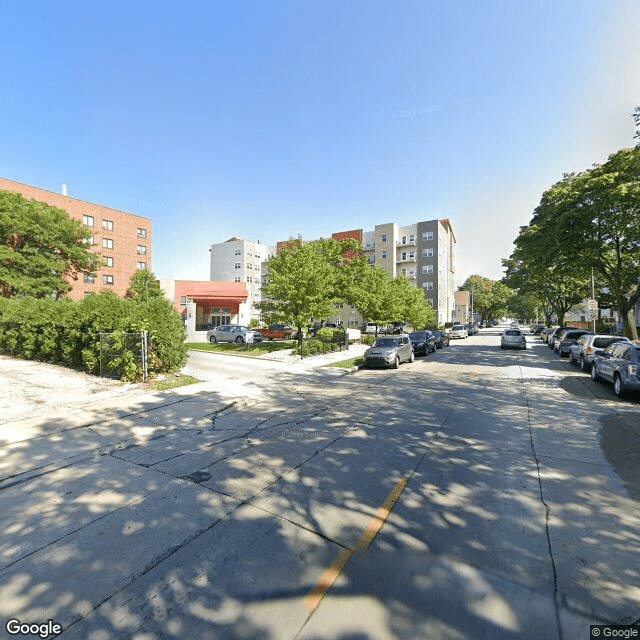
Becher Terrace

Save
Becher Terrace Becher Terrace

Becher Terrace

1800 West Becher Street, Milwaukee, WI 53215

For more information about senior living options: (844) 490-3973

2.3 from 20 reviews
5 stars
4
4 stars
1
3 stars
2
2 stars
3
1 stars
10

Active Adult Communities (55+) Assisted Living

Overall Review of Becher Terrace

Pros

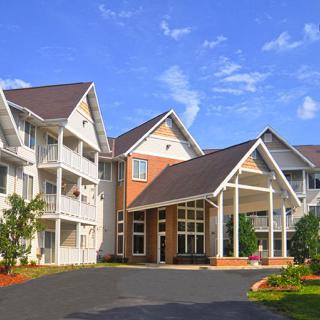
  • pro The facility is beautiful.
  • pro The food is okay.
  • pro One reviewer notes that their father lives there and that the living environment is clean and safe.

Cons

  • pro The reviews describe the management as uncaring about resident safety and cleanliness.
  • pro The on-site team is portrayed as rude, disorganized, and involved in gossip.
  • pro The building is seen as unsafe, with residents fearing robbery or assault due to lack of security and night checks.
  • pro There are reports of drug users and homeless individuals in and around the building, with no effective enforcement.
  • pro Residents feel that management and owners ignore repeated safety complaints and take no action.
  • pro The property is labeled a "slum lord" and criticized for neglect and poor maintenance.
  • pro A cited incident describes a resident dying after staff did not check on her for hours, raising serious safety concerns.
  • pro Communication issues are reported, such as not receiving appointment notifications.
  • pro Food service is criticized for long wait times and slow delivery.

Review

A cluster of input from residents paints a troubling picture of Becher Terrace apartments, particularly the on-site management and the safety and upkeep of the building. Across many voices, there's a consistent thread: residents feel unsafe, unheard, and living in a building that struggles with cleanliness and proper security. Several contributors explicitly say the property is poorly managed, with on-site staff who appear indifferent to resident welfare and to basic safety concerns. One reviewer bluntly calls it a "slum lord" situation, while others point to repeated incidents and a lack of accountability from management.

Safety and security emerge as the most urgent and persistent concerns. Multiple accounts describe outsiders - drug users, homeless individuals, and noisy visitors - entering the building and even using common spaces and stairwells for sleeping or loitering. Residents claim there is no reliable security presence, especially at night, which leaves elderly residents and families feeling exposed to theft, break-ins, and unsettling disturbances. A particularly stark claim recounts a grandmother's death after staff did not check on her for an extended period, highlighting fears that emergencies may go unattended. Several residents claim that despite reporting these issues, no meaningful action is taken, leaving the community feeling targeted by neglect rather than protected by the property's management.

On-site management and staff behavior are repeatedly criticized. Specific names surface in the complaints, with Sherri described as impolite, messy, and entangled in day-to-day gossip, allegedly gossiping about her boss and about residents. A second manager, Melissa, is also depicted as ineffective or unresponsive to concerns. The overall impression is that the management team is not seen as trustworthy or capable of ensuring resident safety, addressing security breaches, or maintaining a clean and orderly building. One reviewer even describes the team as "DONT CARE" about safety, suggesting a broader culture of indifference perceived by residents. Beyond safety, there are complaints about communication and scheduling mishaps - residents report missing notifications for showings or appointments, which compounds the feeling of being ignored or de-prioritized by the management.

Cleanliness and condition of the property are closely tied to the safety concerns. Several comments imply that the building is not well maintained and not kept clean, which can amplify hazards in shared spaces like basements, laundry rooms, and stairwells. The bottom line for many reviewers is that a poorly maintained environment correlates with higher risks for residents, especially the elderly and those with health issues. The sense conveyed is that the physical state of the building reflects the perceived lack of care from those who are supposed to keep it safe and habitable.

Human stories within these reviews reveal the tangible impact of the situation on families and individuals. One person describes being in an urgent position, with eviction looming in three days and having nowhere to turn for help, highlighting the broader consequences of management failures for vulnerable households. The stress of finding safe housing, securing deadlines with landlords, and confronting the possibility of homelessness is juxtaposed with accusations that money is prioritized over people's safety. This thread underlines how housing instability compounds health and family risk when the property's leadership does not appear to respond adequately to crises.

There are, however, a few mentions that present a more mixed or nuanced picture. A couple of reviewers acknowledge positive or neutral aspects, such as a resident who notes that a parent lived there and was able to have reasonably clean and safe living conditions, or a reviewer who says a meeting occurred in a small community room with several resident complaints discussed. Still, these appear to be in the minority, and they're often framed as not negating the larger concerns about safety, communication, and maintenance. Another comment reduces the evaluation to a simple judgment about the facility itself being a housing authority type environment, implying that the issues may be systemic beyond a single management team.

In the end, the sentiment across the collected observations is urgent and alarming. Many residents fear for their safety, worry about their families, and feel compelled to consider external remedies - whether legal avenues, media attention, or formal complaints - because they see little action from property staff. The distress is amplified by accusations of mismanagement, gossip, and a perceived disconnect between what residents need and what the management is delivering. For anyone contemplating moving into Becher Terrace, these reviews convey a strong warning about security risks, maintenance shortcomings, and a management culture that some residents feel does not prioritize resident welfare or safety. The overall impression is that improvements in security, communication, cleanliness, and accountability would be essential to restore trust and provide a safer, more livable environment for current and prospective residents alike.

Features

Housing

  • 45 resident community capacity 45 resident community capacity

Types of Care

  • Active Adult Communities (55+) Active Adult Communities (55+)Active Adult Communities provide seniors with opportunities for socialization, activities, and wellness programs tailored to their needs. These communities offer a sense of belonging and security while promoting an active and independent lifestyle for those aged 55 and older.
  • Assisted Living Assisted LivingAssisted living facilities provide crucial support and care for seniors who may need help with daily tasks such as medication management, bathing, and meal preparation. These communities offer a safe and comfortable environment where seniors can maintain their independence while receiving the assistance they need to thrive in their golden years.

Amenities

  • Activities on-site Activities on-siteActivities on-site are important for seniors because they provide opportunities for socialization, mental stimulation, physical activity, and overall well-being. Engaging in activities can help seniors stay active, maintain their independence, and improve their quality of life.
  • Beauty salon Beauty salonBeauty salons are important for seniors because they provide a space for them to feel pampered, socialize, and maintain their personal grooming and hygiene. Regular visits to a beauty salon can help boost seniors' self-esteem and overall well-being.
  • Cable or satellite TV Cable or satellite TVCable or satellite TV is important for seniors because it provides entertainment, news, and companionship, helping to combat loneliness and boredom. It also offers a wide range of programming options tailored to different interests and preferences.
  • Devotional services off-site Devotional services off-siteDevotional services off-site are important for seniors as they provide spiritual nourishment, social engagement, and a sense of community outside of the senior living facility. This can enhance overall well-being and help combat feelings of isolation and loneliness often experienced by older adults.
  • Dining room Dining roomDining rooms are important for seniors as they provide a space for socialization, connection, and nutritious meals. They offer opportunities for residents to bond over shared meals, foster a sense of community, and promote healthy eating habits. Dining rooms also ensure that seniors have access to well-balanced meals tailored to their dietary needs and preferences.
  • Fully furnished Fully furnishedFully furnished senior living communities are important for seniors because they provide convenience, comfort, and a hassle-free moving experience. Seniors can easily settle into their new living space without the stress of having to buy and move furniture. This allows them to focus on enjoying their new home and community.
  • Garden GardenGardens are important for seniors as they provide a peaceful and therapeutic environment for relaxation, physical activity, and socialization. Being in nature has been shown to reduce stress, improve mood, and promote overall well-being. Gardens also offer opportunities for seniors to engage in gardening activities, which can improve mobility, flexibility, and cognitive function. Additionally, gardens create a sense of community and connection with others who share a passion for plants and outdoor spaces.
  • Housekeeping services Housekeeping servicesHousekeeping services are important for seniors because they help maintain a clean and safe living environment, promote independence, and reduce the risk of accidents or illnesses. Additionally, having assistance with household chores can alleviate physical strain and allow seniors to focus on other aspects of their well-being.
  • Indoor common areas Indoor common areasIndoor common areas are crucial for seniors as they provide a space for socialization, recreation, and community engagement, promoting overall well-being and reducing feelings of isolation and loneliness.
  • Kitchenette KitchenetteKitchenettes are important for seniors living in senior living communities because they provide the convenience and independence of being able to prepare simple meals and snacks in the comfort of their own living space. This can help promote a sense of autonomy and well-being for seniors, allowing them to maintain some level of control over their dietary choices and daily routines.
  • Move-in coordination Move-in coordinationMove-in coordination is important for seniors because it helps ease the transition into their new living environment. It ensures that all logistics, such as packing, organizing movers, and setting up utilities are taken care of, allowing seniors to focus on settling in and adjusting to their new home. Having a smooth move-in process can alleviate stress and anxiety, making the transition smoother and more enjoyable for seniors.
  • Outdoor space Outdoor spaceOutdoor spaces are important for seniors as they provide opportunities for physical activity, social interaction, exposure to natural light and fresh air, and a sense of connection to nature. Having access to outdoor spaces can improve overall well-being and quality of life for older adults living in senior communities.
  • Restaurant-style dining Restaurant-style diningRestaurant-style dining is important for seniors because it allows them to enjoy delicious, nutritious meals in a social and upscale setting. This enhances their dining experience, promotes healthy eating habits, and fosters socialization with fellow residents, ultimately contributing to their overall well-being and quality of life.
  • Small library Small librarySmall libraries are important for seniors as they provide access to a variety of reading materials, including books, newspapers, and magazines. This can help stimulate their minds, keep them engaged, and provide a sense of community through book clubs and other social activities. Additionally, reading has been shown to improve cognitive function and overall mental well-being in older adults.
  • Telephone TelephoneTelephones are important for seniors as they provide a lifeline for communication with loved ones, emergency services, and healthcare providers. They offer a sense of security and independence, enabling seniors to stay connected and access assistance when needed.
  • Wi-Fi/high-speed internet available Wi-Fi/high-speed internet availableWi-Fi/high-speed internet is important for seniors to stay connected with loved ones, access online resources, and participate in virtual activities to combat feelings of loneliness and isolation. It also allows them to easily manage healthcare needs, access entertainment, and engage in lifelong learning opportunities.

Transportation

  • General Mitchell International (5 miles away) General Mitchell International (5 miles away)

Care Services

  • 24-hour call system 24-hour call system24-hour call systems are important for seniors because they provide peace of mind and immediate assistance in case of emergencies. This technology ensures that help is always available, promoting safety and security for elderly individuals living alone or in assisted living facilities.
  • 24-hour supervision 24-hour supervision24-hour supervision is important for seniors to ensure their safety, well-being, and access to immediate assistance in case of emergencies or health issues. This constant support provides peace of mind for both seniors and their loved ones, allowing them to age in place with dignity and security.
  • Activities of daily living assistance Activities of daily living assistanceActivities of daily living assistance are important for seniors because they provide essential support with tasks such as eating, bathing, dressing, and mobility. This assistance helps seniors maintain their independence, dignity, and overall quality of life as they age.
  • Ambulatory care Ambulatory care"Ambulatory care services provide essential medical support and treatment to seniors without requiring hospitalization, allowing them to maintain their independence and quality of life while managing chronic conditions or receiving routine medical care."
  • Assistance with bathing Assistance with bathingAssistance with bathing is crucial for seniors as it helps maintain personal hygiene, prevents infections, and ensures their overall well-being and comfort. It also provides a sense of dignity and independence for seniors who may struggle with this task on their own.
  • Assistance with dressing Assistance with dressingAssistance with dressing is important for seniors because it helps maintain their independence, promotes personal hygiene, prevents accidents and injuries, and improves overall quality of life. This service ensures that seniors can continue to dress comfortably and confidently, despite any physical limitations they may have.
  • Assistance with transfers Assistance with transfersAssistance with transfers is crucial for seniors as it helps prevent falls and injuries, maintains their independence, and ensures they can safely navigate their living environment. It also provides peace of mind for both seniors and their loved ones.
  • Diabetes diet Diabetes dietA diabetes diet is crucial for seniors as it helps manage blood sugar levels, reduce risks of complications, and improve overall health and well-being. By following a balanced and nutritious diet tailored to their specific needs, seniors can better control their diabetes and enhance their quality of life.
  • Diabetic care Diabetic careDiabetic care is crucial for seniors as they are more susceptible to developing diabetes due to aging and other health conditions. Proper management of diabetes can help prevent complications such as heart disease, vision loss, and nerve damage, improving the overall quality of life for seniors in senior living communities.
  • Meal preparation and service Meal preparation and serviceMeal preparation and service are crucial for seniors as they may have limited mobility or energy to cook nutritious meals. Having access to healthy and convenient food options can ensure they are getting the proper nutrition needed to maintain their overall health and well-being.
  • Medication management Medication managementMedication management is crucial for seniors to ensure they are taking the right medications at the correct dosages and times. This helps prevent adverse drug interactions, reduces the risk of medication errors, and promotes overall health and well-being. Proactive management also allows for adjustments as needed based on changing health conditions or new prescriptions.
  • Mental wellness program Mental wellness programMental wellness programs are essential for seniors as they promote cognitive stimulation, emotional support, and social engagement. These programs help prevent isolation, depression, and cognitive decline, ultimately enhancing the overall quality of life for older adults.
  • Special dietary restrictions Special dietary restrictionsSpecial dietary restrictions are important for seniors because age-related changes in metabolism and health conditions can make it difficult for their bodies to process certain foods. By following a diet tailored to their specific needs, seniors can maintain their overall health and well-being, manage chronic conditions, and reduce the risk of complications such as malnutrition or food interactions with medications.

Dining

  • Diabetes diet Diabetes dietA diabetes diet is crucial for seniors as it helps manage blood sugar levels, reduce risks of complications, and improve overall health and well-being. By following a balanced and nutritious diet tailored to their specific needs, seniors can better control their diabetes and enhance their quality of life.
  • Meals provided Meals provided"Meals provided" are crucial for seniors in assisted living communities as it ensures they have access to nutritious, balanced meals without the stress of meal planning and preparation. This can help promote overall health and well-being for seniors who may have limited mobility or cognitive abilities.
  • Special dietary restrictions Special dietary restrictionsSpecial dietary restrictions are important for seniors because age-related changes in metabolism and health conditions can make it difficult for their bodies to process certain foods. By following a diet tailored to their specific needs, seniors can maintain their overall health and well-being, manage chronic conditions, and reduce the risk of complications such as malnutrition or food interactions with medications.

Activities

  • Activities on-site Activities on-siteActivities on-site are important for seniors because they provide opportunities for socialization, mental stimulation, physical activity, and overall well-being. Engaging in activities can help seniors stay active, maintain their independence, and improve their quality of life.
  • Community-sponsored activities Community-sponsored activitiesCommunity-sponsored activities are important for seniors as they provide opportunities for social interaction, mental stimulation, and physical activity. These activities can help improve overall well-being, combat loneliness and isolation, and promote a sense of belonging and purpose among older adults.
  • Devotional activities offsite Devotional activities offsiteDevotional activities offsite are important for seniors because they provide social engagement, spiritual growth, and a sense of community outside of their living environment. This can improve overall well-being, mental health, and combat feelings of isolation or loneliness.
  • Resident-run activities Resident-run activitiesResident-run activities are important for seniors as they encourage social interaction, creativity, and a sense of autonomy. These activities empower seniors to stay engaged and active in their community while fostering meaningful connections with their peers.
  • Scheduled daily activities Scheduled daily activitiesScheduled daily activities are important for seniors because they provide structure, socialization, mental stimulation, and physical activity. Engaging in regular activities can improve overall well-being and quality of life for seniors living in a community setting.

Description

Becher Terrace is a vibrant assisted living community located in Milwaukee, WI. Our community offers a wide range of amenities and care services to ensure that our residents have a comfortable and fulfilling lifestyle.

Our beautifully decorated facility provides a warm and welcoming environment for our residents. Each apartment is fully furnished and equipped with cable or satellite TV, telephone, and Wi-Fi/high-speed internet access. Residents can enjoy the convenience of a kitchenette in their apartment as well as access to our restaurant-style dining room where delicious meals are provided, including special dietary restrictions.

At Becher Terrace, we prioritize the well-being of our residents. Our caring staff members are available 24/7 to provide assistance with activities of daily living, such as bathing, dressing, and transfers. We also offer medication management and diabetes care to ensure the health and safety of our residents. Mental wellness programs are in place to support emotional well-being.

Our community encourages an active and engaging lifestyle. Residents can participate in various community-sponsored activities and scheduled daily activities that cater to different interests. Devotional activities offsite and resident-run activities allow for spiritual growth and social interaction.

Conveniently located near cafes, parks, pharmacies, physicians' offices, restaurants, transportation options, places of worship, and hospitals, Becher Terrace offers easy access to essential services for our residents' convenience.

Choose Becher Terrace for a comfortable assisted living experience where you can enjoy the companionship of your peers while receiving high-quality care in a nurturing environment.

Nearby Places of Interest

This part of Milwaukee, Wisconsin offers convenient access to several pharmacies, hospitals, parks, restaurants, cafes, transportation hubs, physicians' offices, and a place of worship. With multiple Walgreens locations within a few miles, easy access to medical care at Aurora St Luke's Medical Center and other hospitals nearby, as well as various dining options and recreational spaces like Paliafito Park and Lakeshore State Park in close proximity, seniors can enjoy a comfortable and active lifestyle in this area. Additionally, the availability of public transportation at the Milwaukee Intermodal Station and Milwaukee Mitchell International Airport ensures easy travel options for seniors looking to explore beyond the neighborhood.

Pharmacies

  • Walgreens (1.2 miles)
  • Walgreens (1.5 miles)
  • Walgreens (1.6 miles)
  • Target Pharmacy (1.7 miles)
  • CVS Pharmacy (2.3 miles)
  • Walgreens (2.4 miles)
  • Walgreens (2.4 miles)

Hospitals

  • Aurora St Luke's Medical Center (1.4 miles)
  • Aurora Sinai Medical Center (2.5 miles)
  • Aurora Psychiatric Hospital (4.6 miles)
  • Froedtert Pavilion (5 miles)

Parks

  • Paliafito Park (1.5 miles)
  • Humboldt Park (2.1 miles)
  • Henry Maier Festival Park (2.4 miles)
  • Red Arrow Park (2.8 miles)
  • Lakeshore State Park (2.9 miles)
  • South Shore Park (2.9 miles)
  • West Allis West Milwaukee Recr (3.1 miles)

Restaurants

  • Barnacle Bud's (1.5 miles)
  • Fluid (1.6 miles)
  • Centraal Grand Café & Tappery (1.6 miles)
  • McDonald's (1.7 miles)
  • Ash (1.7 miles)
  • Boone and Crockett (1.8 miles)
  • Wendy's (1.8 miles)

Cafes

  • Colectivo Coffee (1.6 miles)
  • Starbucks (1.7 miles)
  • Hawthorne Coffee Roasters (2.9 miles)
  • Colectivo Lakefront (4.1 miles)
  • Starbucks (4.5 miles)
  • Starbucks (4.7 miles)
  • Starbucks (5 miles)

Transportation

  • Milwaukee Intermodal Station (2.1 miles)
  • Concourse C (4.3 miles)
  • Security Checkpoint (4.4 miles)
  • Milwaukee Mitchell International Airport (MKE) (4.4 miles)
  • Delta Ticket Counter (4.4 miles)
  • Concourse D (4.5 miles)
  • MKE Runway (4.7 miles)

Physicians

  • Layton Avenue Dermatolgy Clinic (3.4 miles)
  • Sports Medicine & Orthopedic Center (3.4 miles)
  • Maplewood Center (4.5 miles)
  • Froedtert Clinical Cancer Center (4.9 miles)
  • Froedtert Hospital (5.1 miles)

Places of Worship

  • Honey Creek Church (4.5 miles)

Frequently Asked Questions

Where is Becher Terrace?

Nearby Communities

Related Resources

  • when to move from assisted living to memory careWhen to Transition from Assisted Living to Memory Care: Key Indicators, Steps, and Finding the Right Community

    Transitioning from assisted living to memory care is driven by an individual's cognitive decline and specific needs, requiring careful evaluation of indicators like increased confusion and wandering. The process involves consulting medical professionals, researching suitable communities, considering financial and legal aspects, and ensuring effective communication for personalized care plans.

  • assisted living vs memory careAssisted Living and Memory Care: Understanding Their Core Differences

    Assisted living provides moderate support for seniors seeking independence, while memory care offers specialized support for individuals with dementia or cognitive impairments through structured routines and trained staff. Key differences include care approaches, environment security measures, staff training levels, activity types, and cost considerations.

  • assisted living activitiesBeyond the Bingo Hall: 50+ Enriching Activities for Seniors in Assisted Living

    Assisted living communities offer diverse activities beyond traditional games to enhance seniors' physical health, cognitive well-being, emotional enrichment, and social connections, including fitness classes, creative expression, and intergenerational interactions. These enriching programs foster community bonds and support residents' independence and happiness.