
2057 South 14Th Street, Milwaukee, WI 53204
For more information about senior living options: (866) 208-4318
Overall Review of Crisis Resource Center
Pros
 The staff are caring and helpful.
- It is a nice place with wonderful workers.
- The facility provides a good opportunity to get back on one’s feet.
- The place feels like home and the staff are supportive.
- It is an amazing place.
- The staff treat guests with respect, and the facility is clean and well kept.
- The staff are professional and genuinely caring.
- The place offers great resources and a supportive environment.
- Insurance coverage makes the stay rent-free.
- Art therapy has been a huge help.
Cons
 They discharged him for "uncompliance," which seems wrongful.
 - The overnight staffer was not very nice.
- They refused to let him return after a car trouble incident, citing money as the reason.
- They failed to communicate properly and gave conflicting stories to the guest and his supporters.
- They prioritized money over guests' health and well-being.
- They placed a guest with a roommate who was worse off than living with a crack head.
- They would not allow a guest to return after missing one night due to an accident, calling it a stupid rule.
Review
This Milwaukee-based Crisis Resource Center is best suited for adults in acute crisis who need a short-term, supportive bridge back toward independent living. It functions like a structured, group-home style shelter with on-site meals, laundry, and round-the-clock staff, intended to stabilize individuals before they move on to more permanent arrangements. The setting can feel homey and the staff are frequently described as caring, which matters when emotions run high and a person needs practical help with appointments, housing referrals, or medication management. Most stays are brief, often a week or two, with official guidelines allowing up to four weeks if the situation warrants, making this a focused, transitional option rather than a long-term residence.
Those considering alternatives should note this center does not guarantee a seamless, ongoing housing solution for everyone. Individuals who require prolonged, stable housing beyond a few weeks, or who must maintain a strict, predictable work schedule, may be better served elsewhere. The policy framework around bed availability and return eligibility can produce abrupt barriers after transportation hiccups or single-night absences. For someone with complex, ongoing needs or a strong preference for continuous, error-free communication, the risk of conflicting explanations or sudden discharge decisions makes alternatives prudent to explore.
The strongest pros lift the center above most crisis options in the area: genuinely responsive staff, a clean and welcoming environment, and a broad menu of resources, all with 24/7 coverage. The availability of private rooms, shared common spaces, and provided meals creates a tangible sense of safety and routine at a vulnerable time. The inclusion of tangible supports, case management, mental health resources, group activities, and even therapeutic art programs, helps clients stabilize, regain footing, and lay out a concrete path to remaining independent. Insurance coverage is frequently cited as a major budget relief, a critical factor for anyone facing financial uncertainty during a crisis.
However, the main drawbacks are not minor. Several reviews point to discharge decisions that feel punitive or misaligned with personal circumstances, including automations around “uncompliance,” car trouble, or a missed night away from a bed. Communication gaps and shifting narratives among staff reinforce a sense that rules trump individualized care, eroding trust. The perception that bed availability and revenue considerations drive access to the program can intensify anxiety about whether return to the center will ever be guaranteed after a setback. These dynamics can overshadow the center’s core strengths and leave residents feeling unsettled once they leave.
The facility’s structure, short-term, group-home style with tiered spaces, meals, and on-site services, creates a practical, accessible safety net for crisis stabilization. The first-floor communal areas and private rooms, along with second-floor sleeping quarters and separate bathrooms, offer a balance of privacy and social interaction. The availability of activities like art therapy and the promise of ongoing resource connections add value beyond shelter, especially for those ready to re-engage with housing, employment, or outpatient treatment. Still, consistency in how policies are applied and how case managers communicate can be the difference between a smooth transition and another setback.
For families evaluating Crisis Resource Center, key questions should center on return policies, bed stability, and the cadence of communication with case managers. Seek explicit clarity on what triggers discharge, how exceptions are handled, and what supports follow-up care will look like if housing alternatives must be pursued. Confirm whether a preferred unit or roommate can be requested and how long preferences are honored. Consider whether the four-week cap is truly sufficient for the individual’s plan, or if a backup option is necessary in case of delays. In the end, this center serves as a practical, compassionate stopgap for those in immediate need; for longer-term stability, it should be paired with a clear, reliable housing plan and better-aligned expectations around accountability and continuity.
 15 resident community capacity
 Assisted Living
 Cable or satellite TV
 Dining room
 Fully furnished
 Garden
 Housekeeping services
 Move-in coordination
 Outdoor space
 Telephone
 Wi-Fi/high-speed internet available
 General Mitchell International (4 miles away)
 24-hour supervision
 Activities of daily living assistance
 Assistance with bathing
 Assistance with dressing
 Assistance with transfers
 Diabetes diet
 Meal preparation and service
 Medication management
 Special dietary restrictions
 Transportation arrangement (medical)
 Transportation to doctors appointments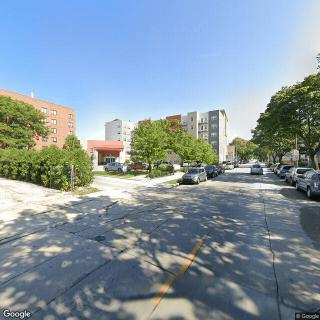





 Assisted Living Expenses and Long-Term Care Insurance: A Comprehensive Exploration
 Securing Financial Support for Assisted Living: A Comprehensive Overview
 Social Security Benefits and Assisted Living: Navigating Options Across the U.S.