










2727 W Mitchell St, Milwaukee, WI 53215
To contact a resident: (414) 383-3699
For more information about senior living options: (866) 208-4318
Mercy Residential & Rehab Ctr Costs & Pricing
At Mercy Residential & Rehab Center, the cost for a private room is $7,140 per month, which significantly exceeds both the average rates in Milwaukee County and across Wisconsin. In comparison, Milwaukee County's average monthly cost for similar accommodations is approximately $4,513, while the statewide average stands at around $4,339. This pricing position suggests that Mercy Residential & Rehab Center may offer specialized services or amenities that justify the higher expense; however, potential residents and their families should carefully consider this financial investment in relation to the care quality and facilities provided.
| Floor plans | Mercy Residential & Rehab Ctr | Milwaukee County | Wisconsin |
|---|---|---|---|
| Private | $7,140 | $4,513 | $4,339 |
Skilled Nursing Facilities with a similar price nearby
-
from -$640 / mo

Lakewood Transitional Assisted Living and Memory Care
$6,500 to $7,600 / month10.5 miles away -
from -$842 / mo

Newcastle Place, a CCRC
$6,298 to $8,724 / month16.4 miles away -
from -$1348 / mo

Dycora Transitional Health - Glendale
$5,792 / month7.5 miles away -
from -$990 / mo

Maple Ridge
$6,150 / month5.1 miles away -
from +$560 / mo

Elizabeth Residence Oak Creek
$7,700 / month11.2 miles away
Overall Review of Mercy Residential & Rehab Ctr
Pros
 Mercy Rehab staff have provided compassionate and supportive care for over 20 years.
- The relief on the resident's face when he returned to Mercy was priceless.
- The staff at Mercy and North Shore Hospice have shown wonderful care over the past weeks.
- Mercy Rehab is recommended for outstanding care and compassion.
- Margaret is an angel.
- Some nurses and other staff members are nice and do care about the people there.
- The employees are friendly and informative.
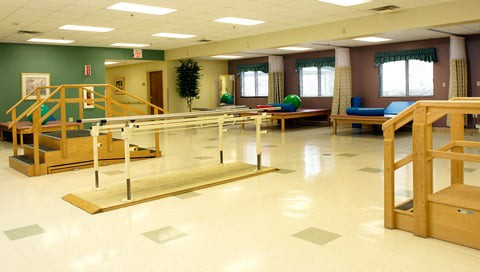
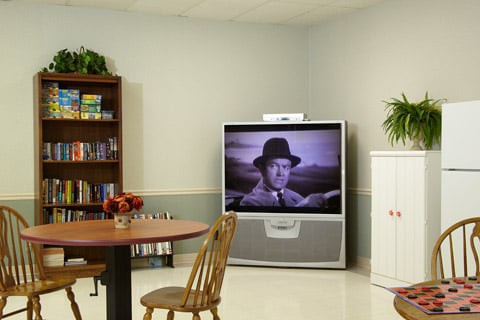
- The facility is clean and the decor is pleasing to the eyes.
- The food smells wonderful.
Cons
 They warn not to bring a loved one there, calling Mercy Rehab disrespectful and unsanitary and alleging third-shift staff fail to do their jobs, risking bedsores.
 - They describe the facility as horrible, noting scarce rehabilitation therapy, missing clothing, and overall inadequate care due to staff shortages.
- They claim neglect and unsafe conditions, recounting a resident who contracted an infection and required emergency care.
- They report there are too many patients and not enough staff, leading to delays in basic care and meals.
- They note that the state has investigated and fined the facility for its conduct, yet problems allegedly continued.
- They call the place the worst facility ever and express strong disappointment, wishing they could give zero stars.
- They describe clothing being taken and not returned unless reclaimed by the resident, leaving them without proper attire.
Review
Mercy Residential & Rehab Center in Milwaukee is best suited for families that value a relationship-driven care approach and want the option of on-site hospice or stroke- or general rehab pathways guided by caregivers with long tenure. The strongest credential in these reviews is the presence of staff who have stayed with residents for many years, delivering steady, compassionate support through difficult transitions. When a loved one needs complex rehab and eventual hospice in a familiar environment, Mercy’s continuity can be a meaningful asset, especially for families that can stay actively involved and hold the care team accountable day to day.
That said, this community is not universally suitable. Families should consider alternatives if reliability and uniform quality across all shifts are non-negotiable. Several reviews flag serious concerns about staffing levels, responsiveness, and cleanliness on certain shifts, with reports of bedsores, infections, and delays in basic needs like meals and clothing. For a loved one who requires constant, predictable attention, or for households seeking consistently high sanitation standards and tightly controlled routines, Mercy may fall short. In short, if steady, transparent, and uniformly high-quality care is the top priority, explore other options before committing.
On the positive side, the long-tenured staff and the willingness of some caregivers to go the extra mile can offset some day-to-day gaps. The facility is described as clean and welcoming in places, with decent responsiveness when family members call and a nexus for meaningful rehab or end-of-life support. The combination of compassionate bedside care and the possibility of hospice coordination under one roof can amplify comfort for residents and reduce hospital readmission anxiety. For stroke survivors or rehabilitation patients who respond well to personal attention and steady routines, Mercy can provide a solid pathway back to everyday life when the care team operates reliably.
However, the troubling experiences documented by several families cannot be ignored. Reports of under-staffed shifts, neglect on certain days, clothing being misplaced or mishandled, and infection-related health scares point to inconsistent execution. Instances of delayed therapy, food quality questions, and disputes over ownership of personal items further undermine confidence in daily operations. When such issues recur, they escalate caregiver stress and family worry, and they erode the trust essential to a successful rehab or long-term stay. The presence of state-level actions and fines in some accounts also signals structural gaps that must be scrutinized before admission.
Prospective residents should pursue a disciplined due-diligence plan. Schedule multi-visit tours at different times of day, including weekends, to observe staffing levels and caregiver response. Request detailed, recent performance data: staff-to-resident ratios by shift, therapy hours, and meal service schedules; ask for the facility’s laundry procedures and policy on returning personal items; review any recent survey findings and the corrective actions taken. Interview the director and frontline supervisors about infection control practices, bedding and clothing handling, and how care plans are updated as needs change. Speak with multiple families or residents in the building to get a representative read of everyday life.
In the end, Mercy can be a strong fit for families who value a relationship-focused care model and want integrated rehab and hospice options, provided oversight is constant and expectations aligned with what the facility can consistently deliver. For those who require unwavering staffing reliability, scrupulous sanitation, and uniformly timely care, alternatives with a demonstrably higher level of day-to-day consistency are advisable. The decision should hinge on whether the anticipated benefits of long-term, compassionate staff relationships and on-site hospice outweigh the real risks of shift variability, medical oversights, and care gaps that appear in multiple reviews.
 Skilled Nursing Facility
 Private
 General Mitchell International (5 miles away)





 Effective Strategies for Keeping Seniors' Minds Active: A Deep Dive into Brain Games and Apps
 In-Depth Look at the VA Aid and Attendance Program
 Nurturing Our Loved Ones: A Daughter's Journey in Caring for Her Mother