Sullivan Park Assisted Living Community Costs & Pricing
Sullivan Park Assisted Living Community offers competitive pricing for its residents, particularly when compared to both Spokane County and the broader state of Washington. For a one-bedroom unit, Sullivan Park's monthly rate of $2,695 is significantly lower than the county average of $3,852 and the state average of $4,632. Similarly, their two-bedroom option at $3,095 is also more affordable than Spokane County's rate of $3,350 and Washington's average of $4,301. However, it is worth noting that the studio apartments at Sullivan Park are priced at $4,450, which exceeds both the county average of $3,609 and the state's average of $4,126. Overall, Sullivan Park provides a compelling choice for those seeking assisted living in an environment that balances quality care with cost-efficiency.
Floor plans
Sullivan Park Assisted Living Community
Spokane County
Washington
1 Bedroom
$2,695
$3,852
$4,634
2 Bedrooms
$3,095
$3,350
$4,301
Studio
$4,450
$3,609
$4,128
Assisted Living communities with a similar price nearby
Overall Review of Sullivan Park Assisted Living Community
common22 reviews mention this
Staff kindness and responsiveness stand out
Residents and families repeatedly describe staff as kind and responsive to needs.
A large number of reviews highlight staff who are welcoming, caring, and quick to respond when families call or when needs come up. Multiple people mention medication help, room cleaning, and day-to-day support as part of their experience. There are also notes praising supervisors and nurses for being proficient and attentive, alongside communication that helps families feel supported.
common10 reviews mention this
Dining quality gets mixed feedback
Dining is a frequent topic, with many positive notes and some complaints.
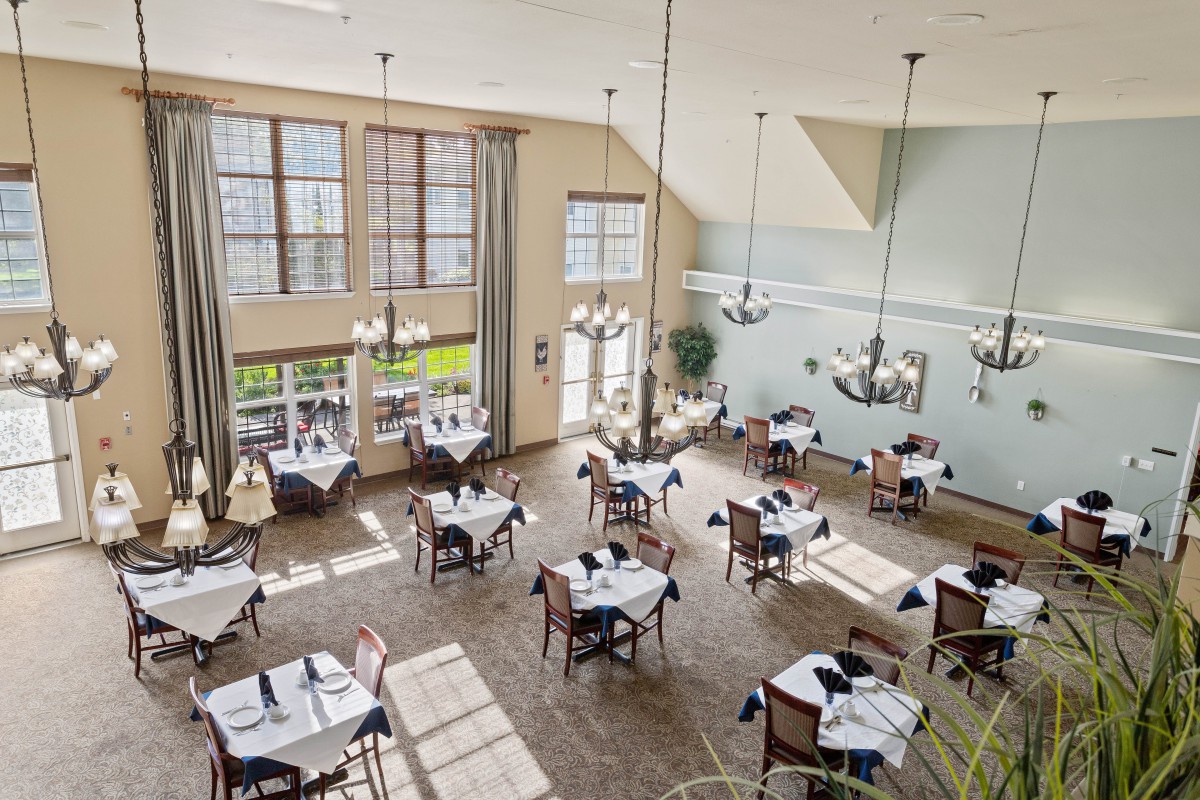
Several reviews say the food is fantastic or good, with meals described as varied and enjoyable. Others want improvements, including calls for a better chef or menu and concerns about portions or carbohydrate-heavy meals. A few people also mention that residents can receive meals in their rooms when needed, while still keeping a dining area for social time.
common10 reviews mention this
Activities help residents feel engaged
Many reviews mention community activities that keep residents involved.
Reviews frequently describe fun events and scheduled activities that residents can join, including games like bingo. Some families mention religious services and groups, along with daily programming and day trips. A few reviews also say there are gaps—like wanting more activities for certain wings or wishing for options such as movie night or more group TV space.
caveat6 reviews mention this
Cleanliness and upkeep are inconsistent
Some reviews praise cleanliness, but others report maintenance and cleaning problems.
Several residents and families describe the facility as clean, well kept, and pleasant to visit, including comments about stained carpets and good overall condition. Other reviews raise concerns about areas needing cleaning, dated or poorly maintained spaces, and understaffing that affects meeting service expectations. There are also mentions that common areas, especially in assisted living, could be cleaner or better maintained over time.
differentiator3 reviews mention this
Pricing looks cheaper than benchmarks
Pricing is positioned below county and state benchmarks, though some reviewers call it expensive.
When talking about cost, the listing’s pricing ranges are shown as meaningfully below county and state levels across unit types. Even so, a couple reviews use “overpriced” language or say the community was out of reach, so value may depend on the specific care setup and unit choice. One review also notes that assisted living could feel expensive if needed, while independent living is described as more reasonable given what’s included.
How we summarize
Counts show how many written reviews mention each theme; a review can touch several themes, and only frequently mentioned themes are displayed.
Features
Housing
53 resident community capacity
1-bedroom apartments
2-bedroom apartments
Studio apartments
Types of Care
Assisted Living
Independent Living
Memory Care
Skilled Nursing Facility
Pets
Cats allowed
Dogs allowed
Amenities
Activities off-site
Activities on-site
Air-conditioning
Beautician on-site
Beauty salon
Cable or satellite TV
Computer center
Devotional services off-site
Devotional services on-site
Dining room
Financing advice
Fireplaces
Fitness room
Full kitchen
Fully furnished
Gaming room
Garden
Ground floor units
Guasts at mealtime
Guest parking
Handicap accessible
Housekeeping services
Indoor common areas
Kitchenette
Laundry
Move-in coordination
Outdoor common areas
Outdoor space
Overnight guests
Party space
Private bathrooms
Private cleaning services
Resident parking
Respite or short term stays offered
Restaurant-style dining
Small library
TV room
Telephone
Wellness center
Wheelchair accessible showers
Wi-Fi/high-speed internet available
Transportation
Spokane International (15 miles away)
Community operated transportation
Transportation & parking
Transportation arrangement
Transportation arrangement (non-medical)
Transportation to doctors appointments
Care Services
12-16 hour nursing
24-hour call system
24-hour supervision
Activities of daily living assistance
Ambulatory care
Assistance with bathing
Assistance with dressing
Assistance with transfers
Diabetes diet
Diabetic care
High acuity care
Incontinence care
Meal preparation and service
Medication management
Mental wellness program
Mild cognitive impairment
Special dietary restrictions
Specialized memory care programming
Dining
Anytime dining
Diabetes diet
Gluten-free
Guest meals
International cuisine
Kosher
Low / no sodium
Meals provided
No Sugar
Professional chef
Restaurant style dining
Room service
Special dietary restrictions
Vegan
Vegetarian
Activities
Activities off-site
Arts and crafts
Bible study group
Book club
Catholic services
Community-sponsored activities
Concierge services
Cooking club
Devotional activities offsite
Devotional activities on-site
Educational speakers / life long learning
Fitness programs
Games
Gardening club
Jewish services
Mormon/LDS services
Other religious services
Planned day trips
Protestant services
Religious services
Resident-run activities
Scheduled daily activities
Stories
Visiting Rabbi
Visiting chaplain or priest
Wii bowling
Yoga / chair yoga
Languages Spoken
English
Nearby Places of Interest
Located in Spokane Valley, Washington, this part of town offers a variety of amenities and services that may be appealing to seniors looking for a comfortable and convenient living environment. With multiple physicians' offices nearby, including the MultiCare Rockwood Valley Clinic, individuals can easily access healthcare services. Pharmacies such as Yoke's Foods and Safeway Pharmacy are within close proximity for medication needs. For dining options, there are fast food restaurants like Taco Bell and McDonald's, as well as sit-down eateries such as Denny's and Hong Kong Buffet. Additionally, there are cafes like Whistle Stop Coffee Shop and Dutch Bros Coffee for socializing with friends. The area also offers entertainment options with Regal Spokane Valley theater just a short drive away. For outdoor recreation, parks like Brown's Park and Mirabeau Park provide opportunities for leisurely strolls or picnics. Overall, this neighborhood provides a mix of conveniences and attractions that may make it a desirable location for seniors considering senior living in the Spokane area.
Sullivan Park Assisted Living Community offers competitive pricing for its residents, particularly when compared to both Spokane County and the broader state of Washington. For a one-bedroom unit, Sullivan Park's monthly rate of $2,695 is significantly lower than the county average of $3,852 and the state average of $4,632. Similarly, their two-bedroom option at $3,095 is also more affordable than Spokane County's rate of $3,350 and Washington's average of $4,301. However, it is worth noting that the studio apartments at Sullivan Park are priced at $4,450, which exceeds both the county average of $3,609 and the state's average of $4,126. Overall, Sullivan Park provides a compelling choice for those seeking assisted living in an environment that balances quality care with cost-efficiency.
The 24-hour supervision at Sullivan Park ensures that residents receive constant oversight, which is crucial for their safety and well-being, especially those with advanced dementia who may be prone to wandering or other risky behaviors. Assistance with activities of daily living--including bathing, dressing, and transfers--provides essential support that promotes dignity while addressing the challenges faced by individuals with cognitive decline. Incontinence care allows for comfort and hygiene, reducing anxiety related to such personal matters. Meal preparation and service tailored to dietary needs not only ensures proper nutrition but also fosters a sense of normalcy during mealtimes. Medication management helps prevent potential complications arising from missed doses or incorrect medications, thereby directly impacting health outcomes. The mental wellness program alongside specialized memory care programming engages residents in meaningful activities designed to stimulate cognitive function and emotional well-being, which are vital components in managing conditions like mild cognitive impairment and advanced Alzheimer's disease. Collectively, these features create a nurturing environment that supports both physical health and mental engagement for residents navigating the complexities of memory loss.
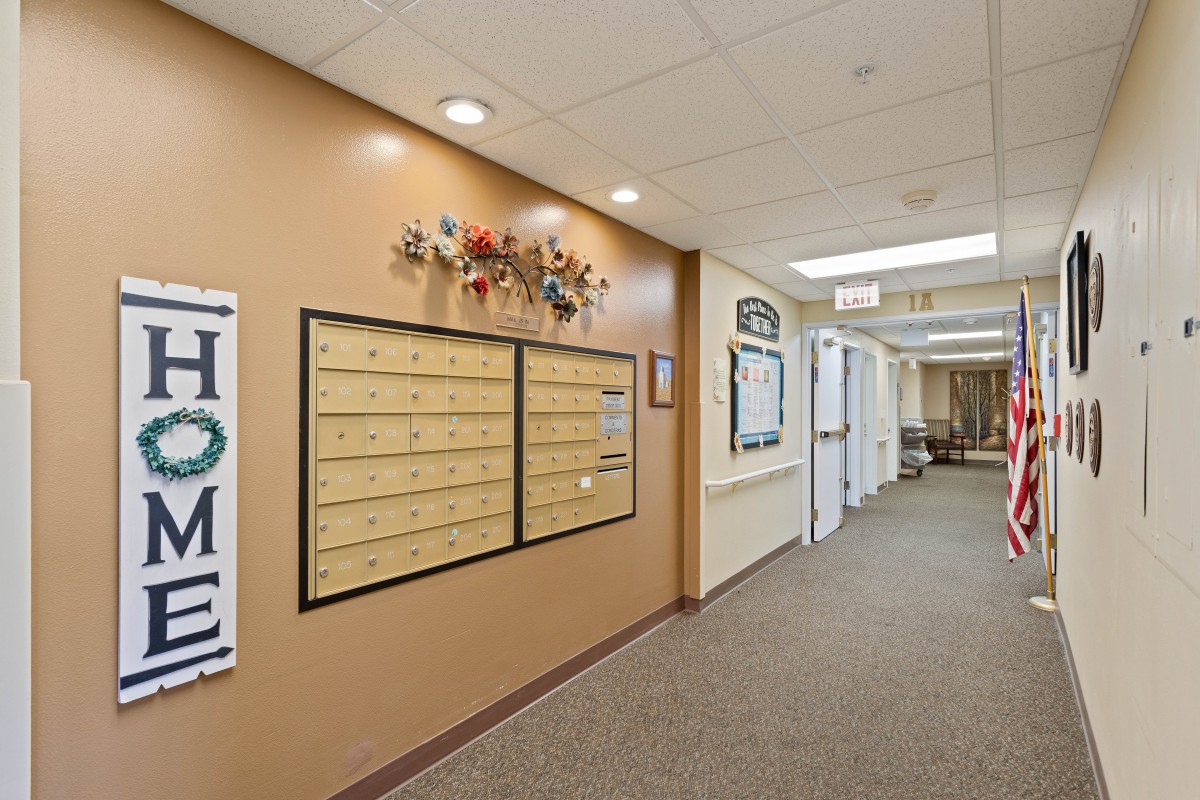
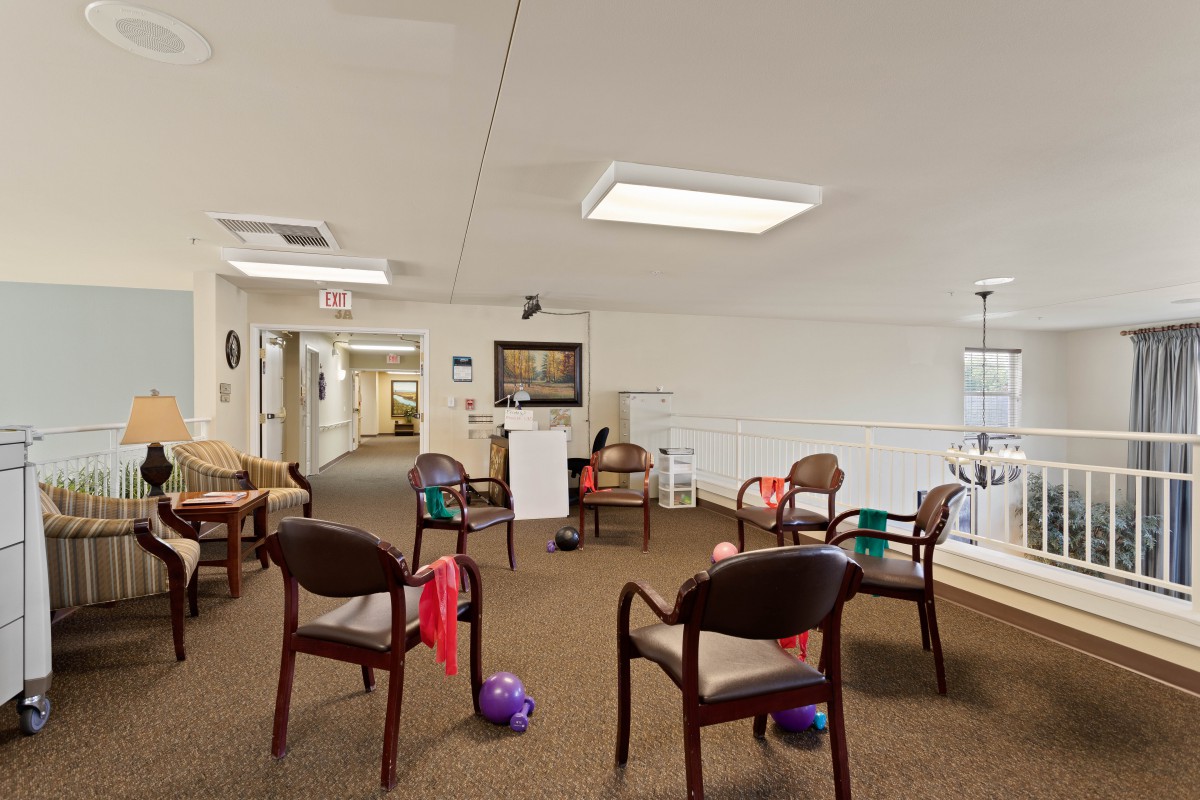
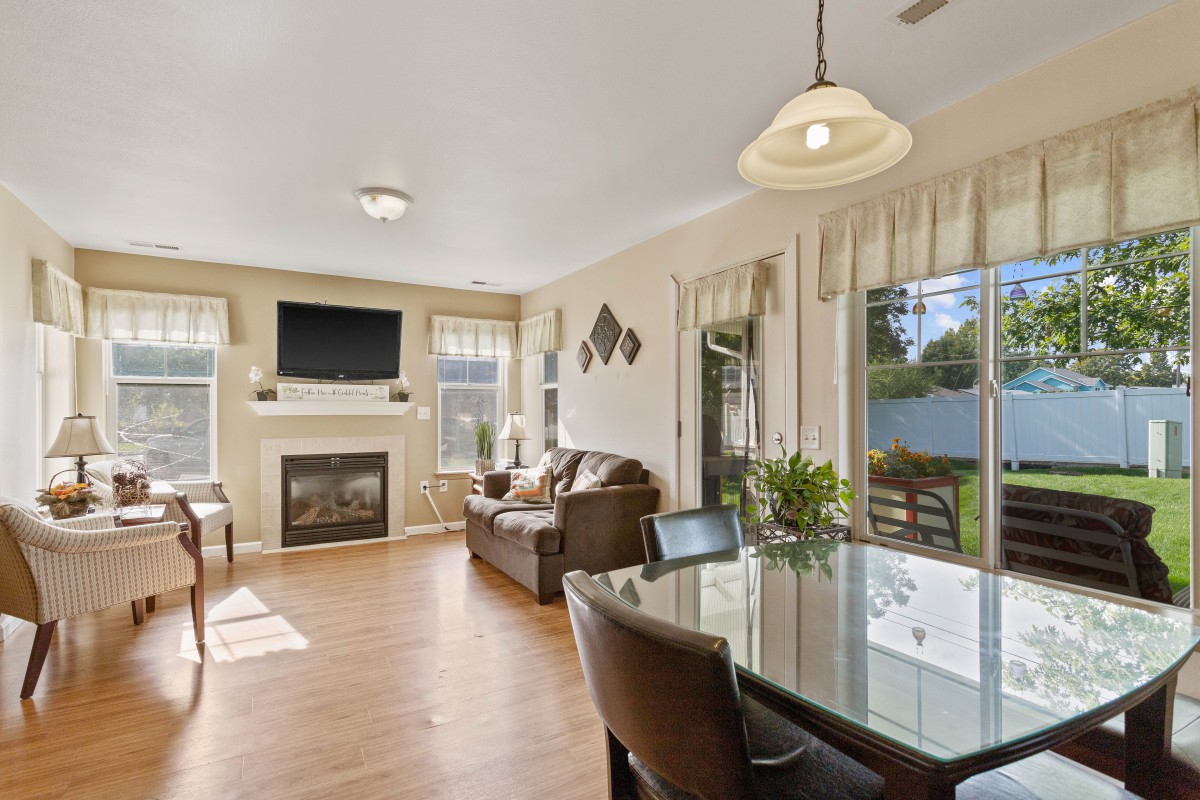
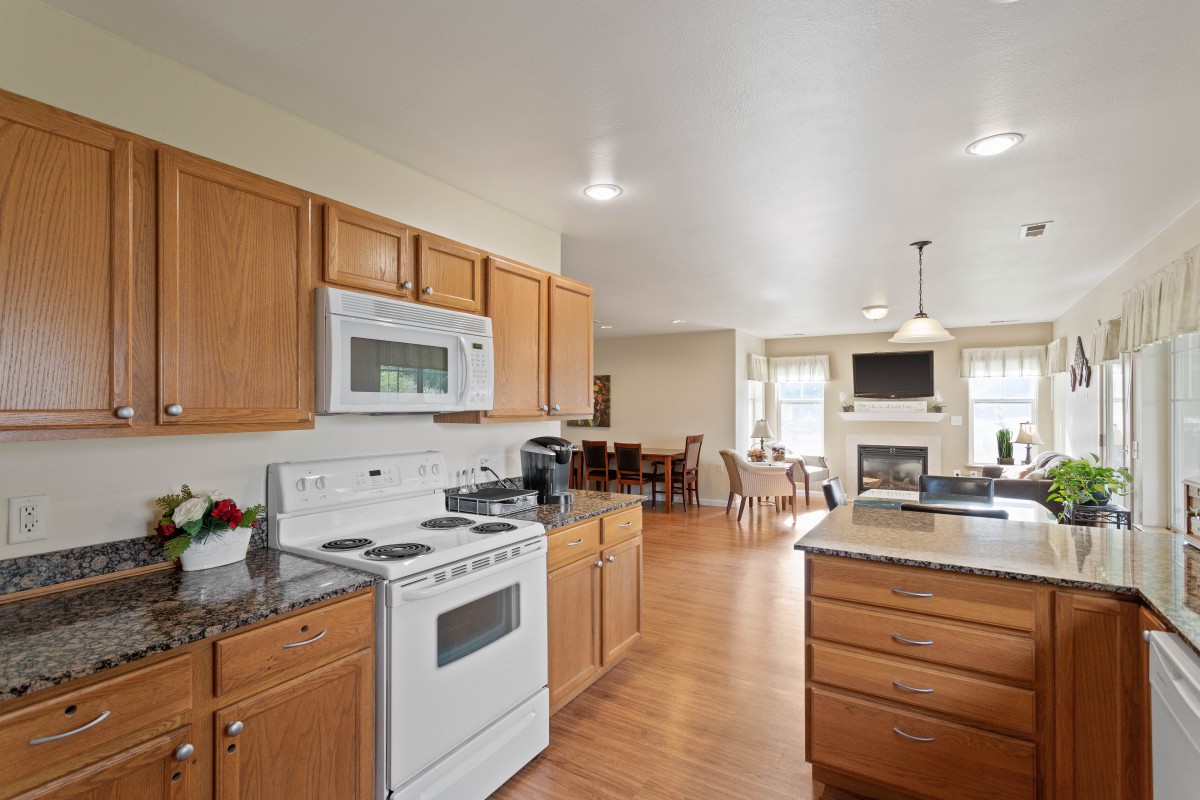
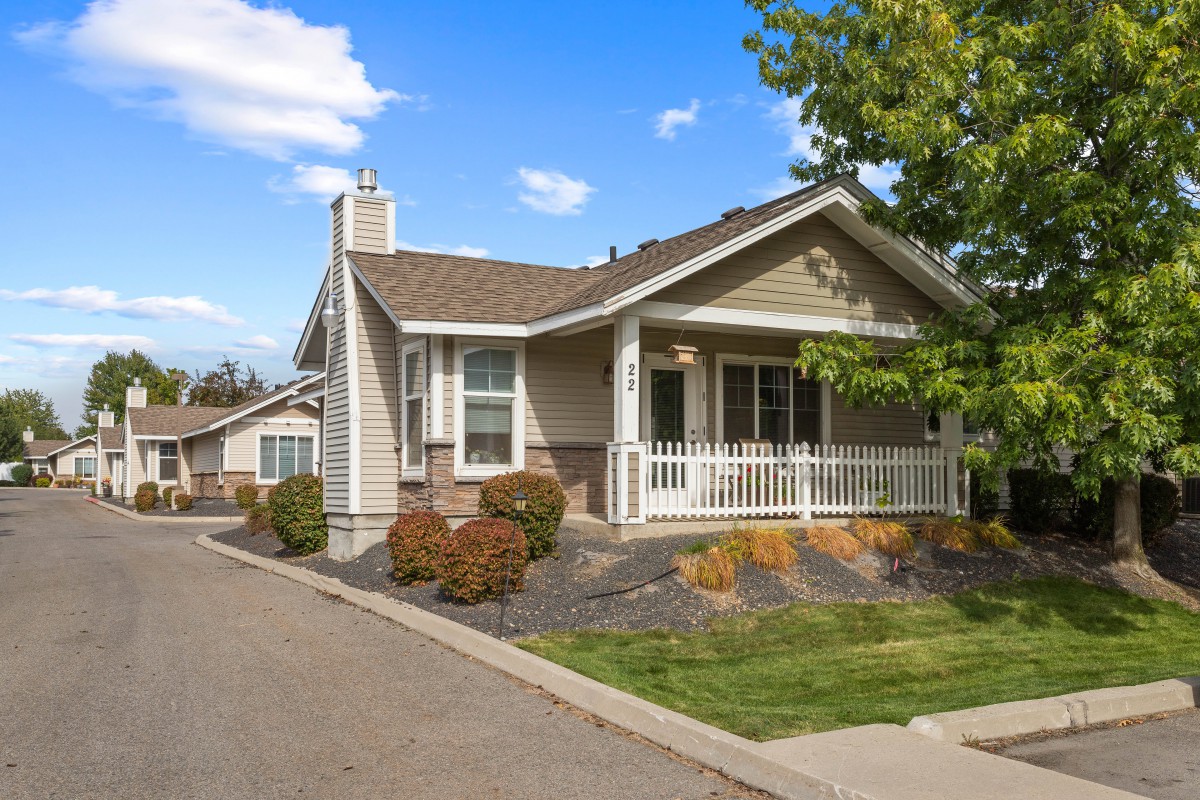
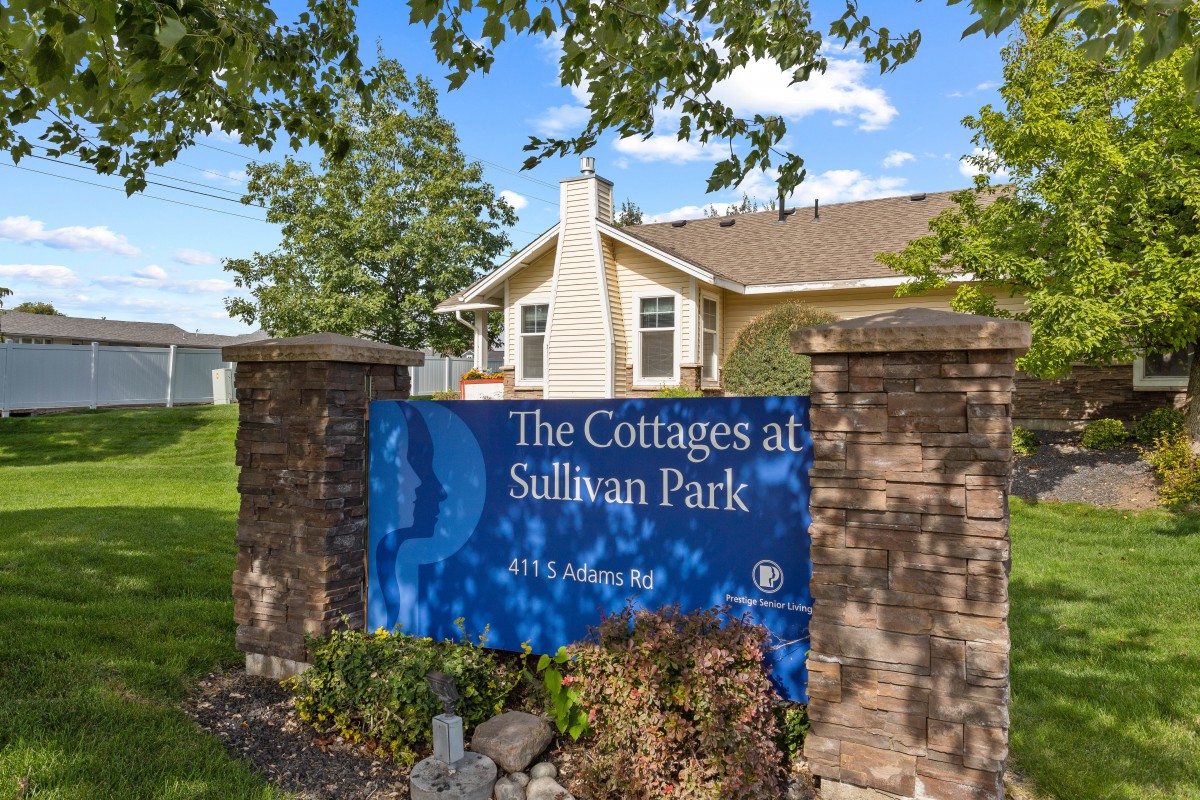
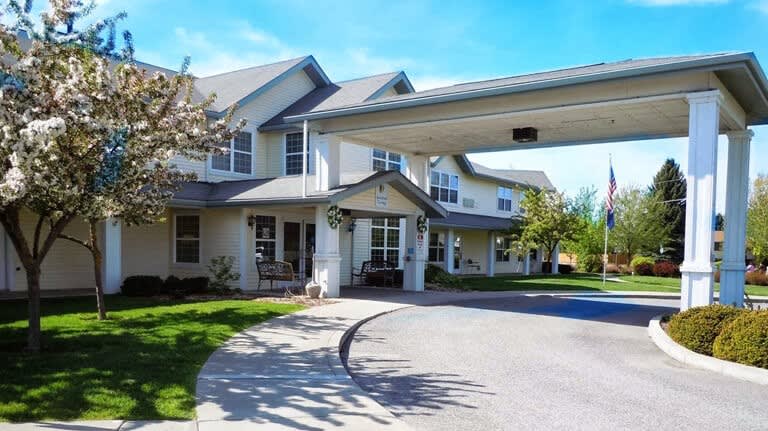
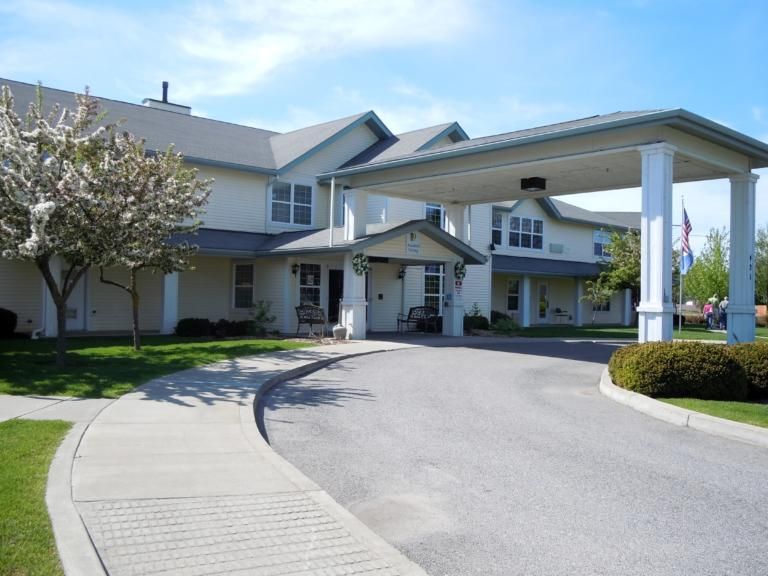
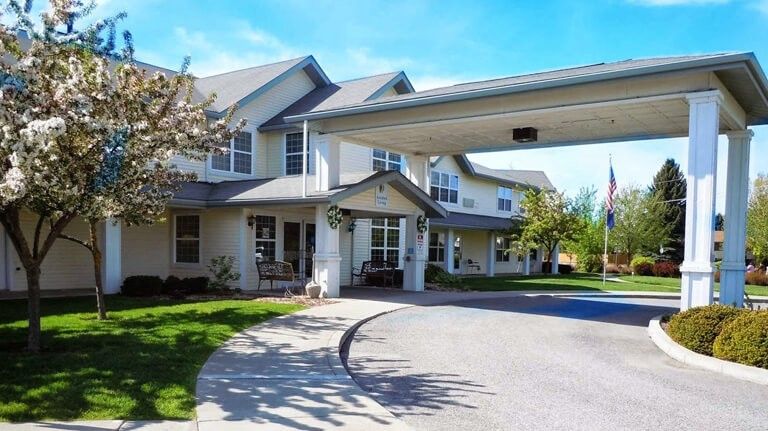
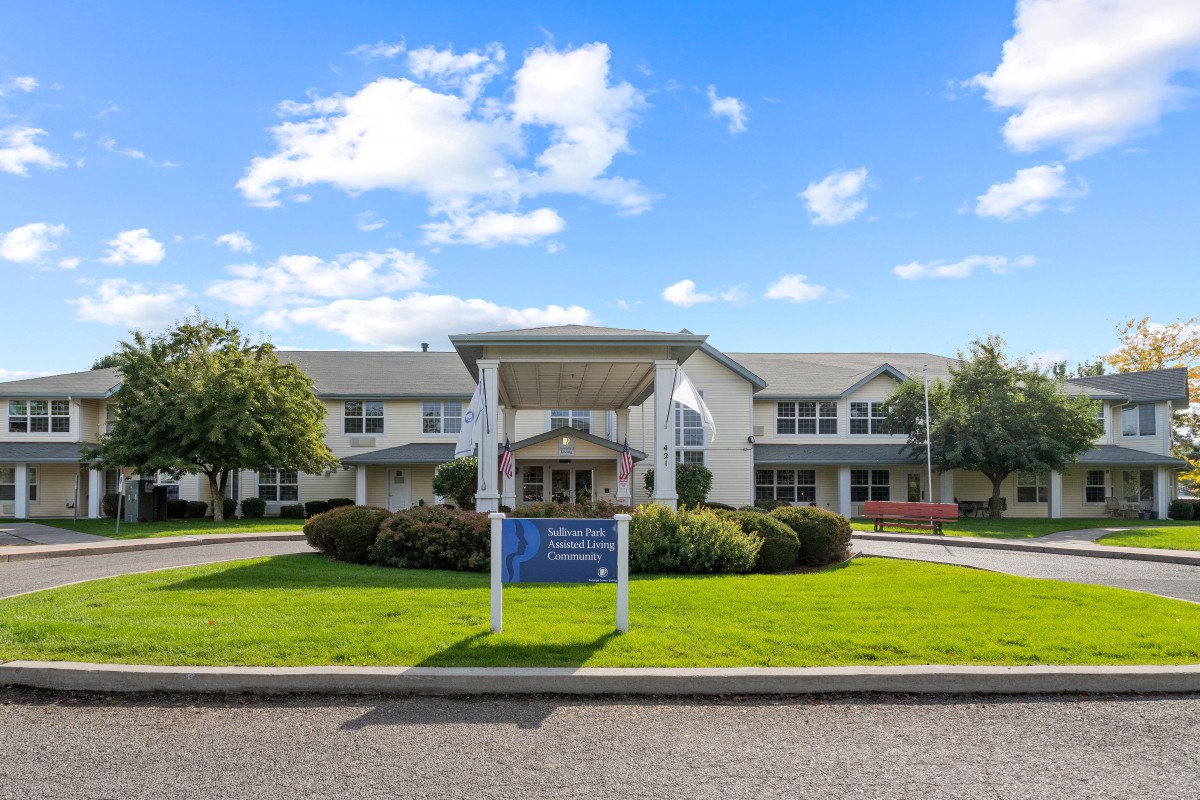
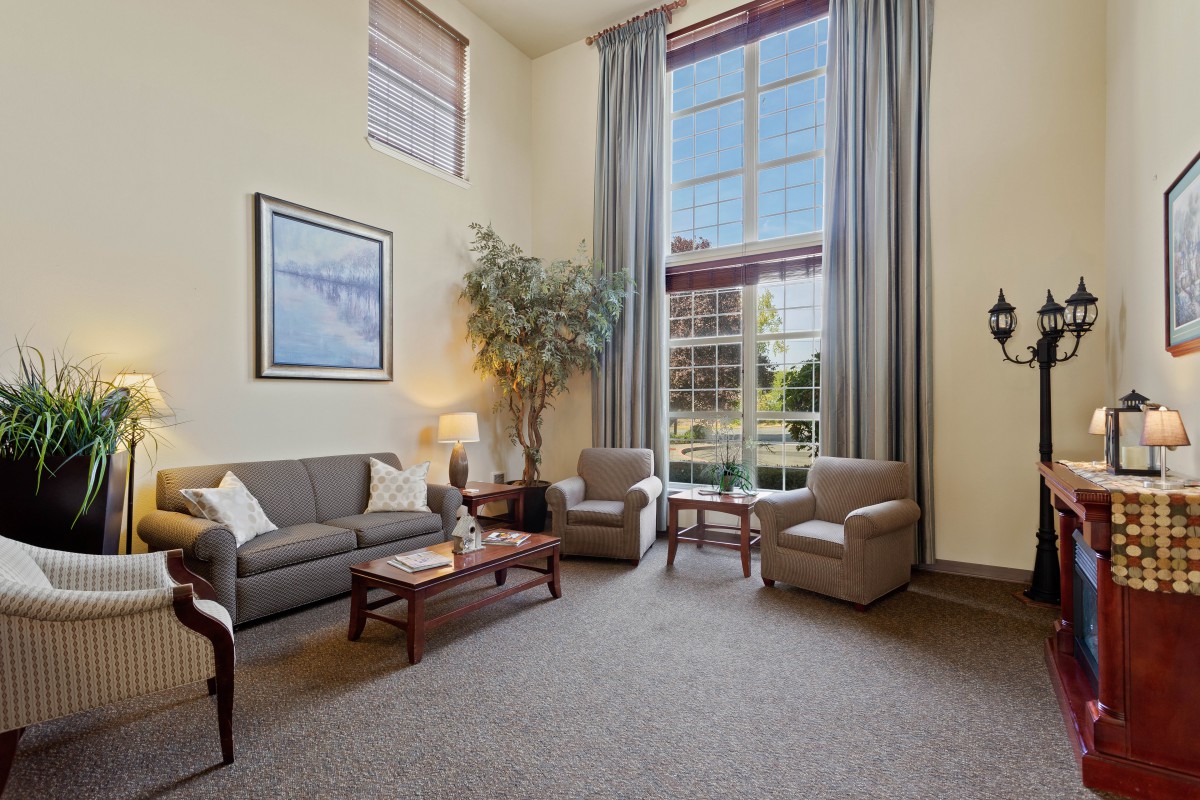
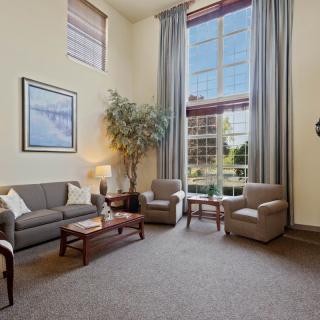
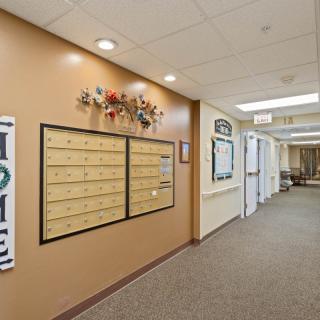
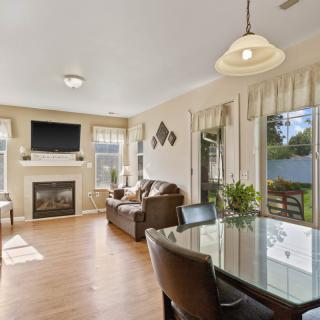
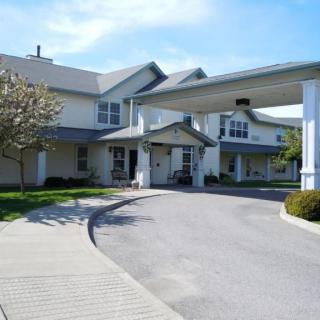
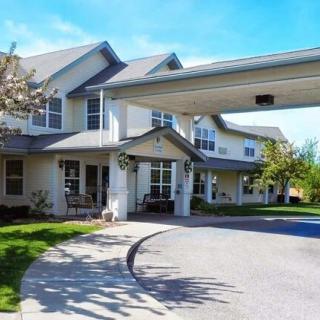
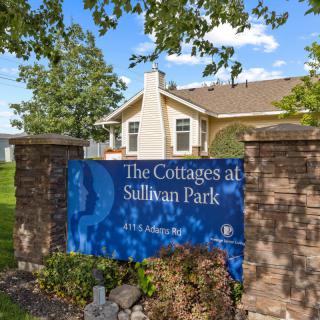
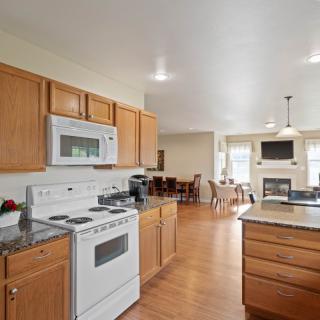
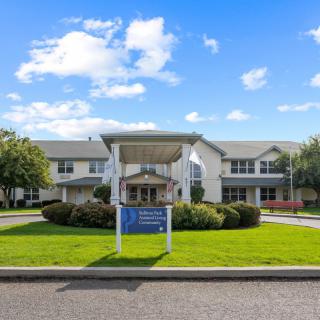
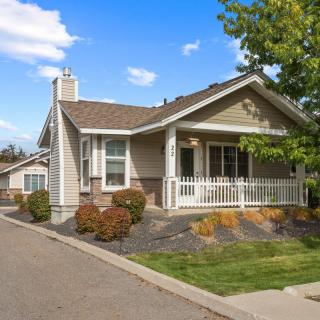
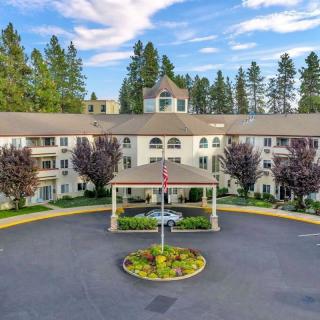
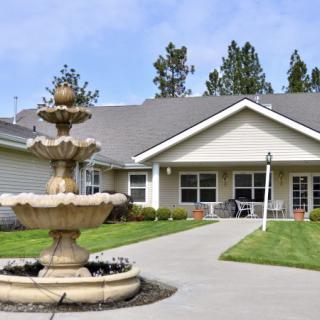
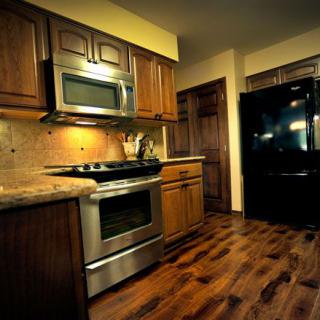
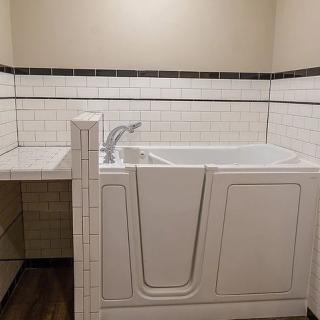
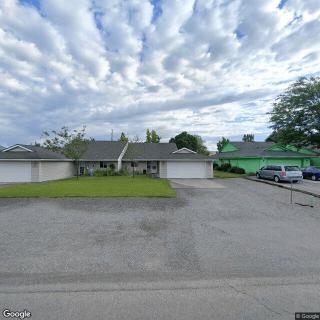
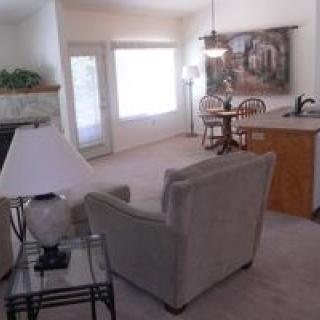
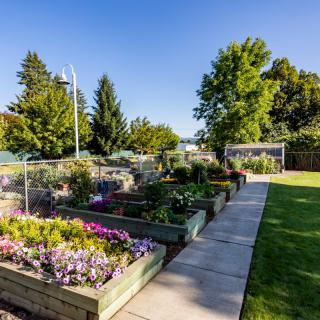
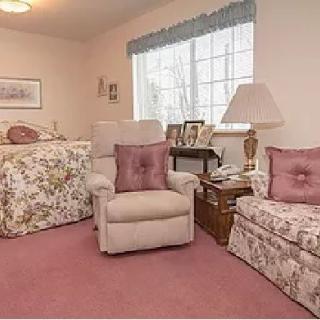
Sullivan Park Assisted Living Community on seniors.fyi includes 13 photos including images showing landscaping, interior, building, architecture, trees, dining, living room, tree, and more.
Nearby Communities
Sullivan Park Cottages
Spokane, WA
3.7 from 3 reviews
Continuum of care (IL to SNF) in cottage homes with dining and transport services.
Sullivan Park Care Center
Spokane Valley, WA
3.5 from 99 reviews
Caring staff and clean, well-maintained facility
Evergreen Residential Care
Veradale, WA
3.4 from 5 reviews
Fully furnished apartments with restaurant-style dining and 24-hour supervision.
Sessions Residential Care
Spokane, WA
4 from 3 reviews
Fully furnished rooms with kitchenette, restaurant-style dining, and 24/7 supervision with ADL and medication support.
Valley Residential Care
Spokane, WA
5 from 2 reviews
24/7 supervision with comprehensive care and on-site dining
Still Waters AFH
Spokane Valley, WA
4 from 13 reviews
$4,200 to $4,340 / month
Compassionate, attentive care in a warm, home-like environment.
Orchard Crest Retirement Community
Spokane, WA
3.4 from 48 reviews
$1,850 to $3,170 / month
Spacious, well-maintained apartments with friendly staff.
Broadway Court Estates
Spokane Valley, WA
4.8 from 89 reviews
$2,195 to $3,395 / month
Friendly, caring staff with an active, social community and well-maintained facilities.
Colonial Court
Spokane, WA
4.5 from 46 reviews
$5,195 / month
Caring, dedicated staff with personalized attention in a clean, home-like setting.
The article highlights eight indicators that a loved one with dementia may require specialized memory care, emphasizing the emotional and logistical challenges families encounter in this decision. It discusses signs such as difficulties with daily tasks, safety concerns, and caregiver burnout, suggesting that memory care facilities can provide the necessary support and structured environments for those experiencing cognitive decline.
Dementia, primarily caused by Alzheimer's disease but also linked to other conditions, leads to cognitive decline impacting memory and daily functioning, with individuals experiencing varied awareness of their impairments. Despite memory loss, emotional connections persist, enabling responses to familiar stimuli, highlighting the need for caregivers to provide compassionate support that recognizes both limitations and retained emotional depth.
The article presents five subtle indicators of dementia, such as memory lapses and mood swings, to help families assess cognitive decline in loved ones. It emphasizes early detection, open communication, and seeking professional help while providing practical support steps.
Get PricingAsk A QuestionSchedule A TourContact Senior Advisor
By clicking submit, you agree to our Partner's Terms of Use. You
also consent to receive calls and texts, which may be autodialed, from our Partner. Your consent is not a condition to
using our Partner's service. Please visit our Partner's Privacy Policy for information about their privacy practices.



 53 resident community capacity
 1-bedroom apartments
 Assisted Living
 Independent Living
 Memory Care
 Skilled Nursing Facility
 Cats allowed
 Dogs allowed
 Activities off-site
 Air-conditioning
 Beautician on-site
 Cable or satellite TV
 Computer center
 Devotional services off-site
 Dining room
 Financing advice
 Fireplaces
 Fitness room
 Full kitchen
 Fully furnished
 Gaming room
 Garden
 Ground floor units
 Guest parking
 Handicap accessible
 Housekeeping services
 Indoor common areas
 Laundry
 Move-in coordination
 Outdoor common areas
 Overnight guests
 Party space
 Private bathrooms
 Respite or short term stays offered
 Restaurant-style dining
 Small library
 Telephone
 Wellness center
 Wheelchair accessible showers
 Wi-Fi/high-speed internet available
 Spokane International (15 miles away)
 Community operated transportation
 12-16 hour nursing
 24-hour call system
 Ambulatory care
 Assistance with bathing
 Assistance with dressing
 Assistance with transfers
 Diabetes diet
 Diabetic care
 High acuity care
 Incontinence care
 Medication management
 Mental wellness program
 Special dietary restrictions
 Arts and crafts
 Bible study group
 Book club
 Concierge services
 Cooking club
 Educational speakers / life long learning
 Games
Games Jewish services
 Planned day trips
 Wii bowling
 English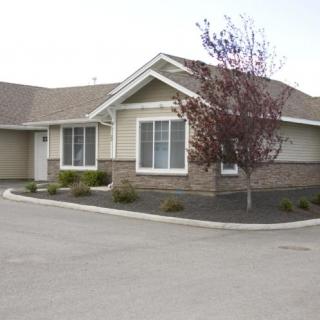
 Continuum of care (IL to SNF) in cottage homes with dining and transport services.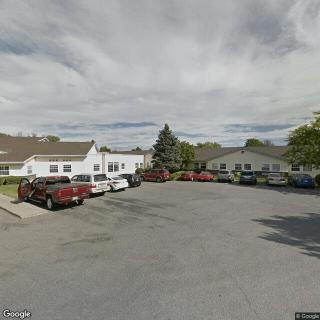

 8 Important Indicators That Memory Care May Be Necessary
 Delving into the Inner World of Dementia: Insights into Thoughts and Awareness
 Five Subtle Dementia Indicators to Observe: An In-Depth Guide to Understanding “Does My Mom Have Dementia?”