
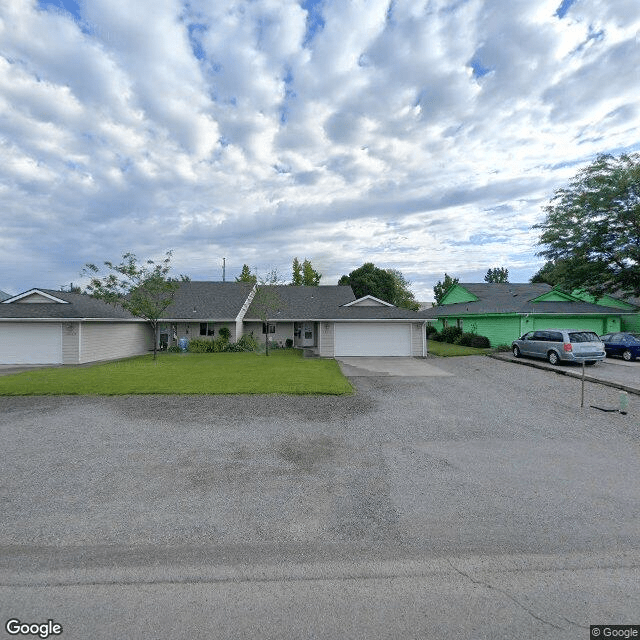
14111 East 3rd Avenue, Spokane Valley, WA 99216
To contact a resident: (509) 230-7476
For more information about senior living options: (866) 208-4318
Still Waters AFH Costs & Pricing
Still Waters AFH offers competitive pricing for its accommodations, with a 1-bedroom unit priced at $4,200 per month, which is slightly above the average for Spokane County at $3,852 but remains more affordable compared to the state average of $4,632. For those seeking private living arrangements, Still Waters AFH charges $4,340 per month, which positions it just above Spokane County's median cost of $4,111 while also being below the broader state rate of $4,772. This pricing structure suggests that Still Waters AFH provides quality care and comfortable living environments that are reasonably aligned with local market trends, ensuring residents receive value in their housing options within the region.
| Floor plans | Still Waters AFH | Spokane County | Washington |
|---|---|---|---|
| 1 Bedroom | $4,200 | $3,852 | $4,634 |
| Private | $4,340 | $4,111 | $4,774 |
Memory care communities with a similar price nearby
-
About the same

The Gallery at Spokane
$4,245 to $5,850 / month7.3 miles away -
About the same
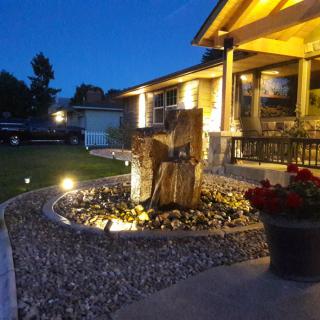
Valley Pines Retirement Home
$4,300 / month1.7 miles away -
from -$700 / mo
Mary Ann's Home Care
$3,500 to $4,000 / month11.6 miles away -
from -$600 / mo
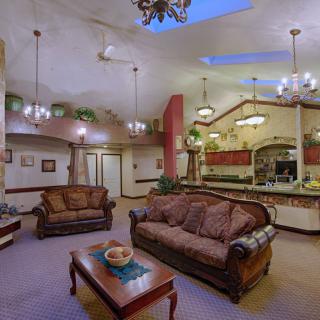
Courtyard At Coeur d'Alene
$3,600 / month21.4 miles away -
About the same

South Hill Village
$4,325 to $5,900 / month7.9 miles away
Overall Review of Still Waters AFH
Pros
 It is a family-owned and operated facility with 24/7 availability to answer questions and assist during crises.
- The staff are described as caring, compassionate, and hardworking, always prioritizing residents.
- The care team provides loving, supportive, and thorough care, especially for residents with dementia and those in hospice.
- The environment is warm, welcoming, calm, and peaceful, creating a true home atmosphere.
- The owners and caregivers are hands-on, dedicated, and responsive, often going above and beyond for families.
- The staff respond quickly to safety needs and maintain strong safety measures like motion alarms.
- The facility rescued a resident from another setting and provided excellent care, improving quality of life.
- Meals are well-regarded, and residents seem to enjoy the food.
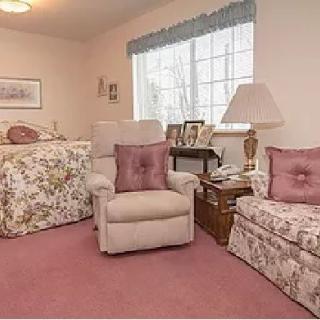
- The space offers comfortable, roomier accommodations and thoughtful room adjustments for residents.
- End-of-life care is described as supportive and compassionate, with timely hospice coordination and medication handling.
Cons
 They describe the place as bad news, citing overworked staff and neglectful care that does not meet the care plan.
- They allege false advertising and a bait-and-switch on pricing, along with illegal practices and prior investigations.
- They report dirty adult diapers found on the bathroom floor and not cleaned up.
- They claim employees were watching soap operas and not tending to residents.
- They recount that after mentioning installing a nanny cam, MaryEllen ended the meeting and ordered the family out, with their loved one to be removed within 72 hours.
- They say the facility billed beyond the move-out date and refused to refund overages, and requests for records were ignored; they were told to subpoena staff and MaryEllen hung up on them.
Review
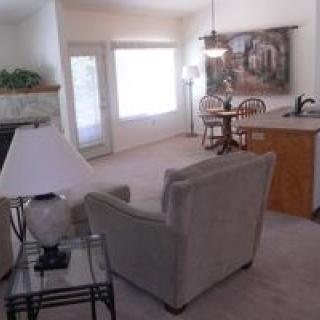
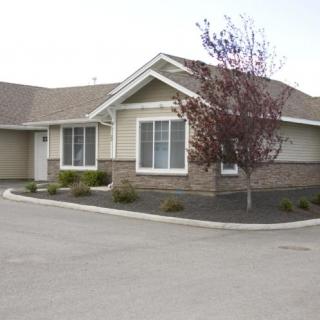
Still Waters AFH in Spokane Valley is best suited for families seeking a warm, home-like living environment with highly visible, hands-on ownership and a dementia- and hospice-centric approach. This community tends to shine when a loved one benefits from attentive supervision, rapid access to owners, and care that feels personal rather than institutional. For families navigating end-of-life planning or late-stage dementia, Still Waters can deliver reassurance through a front-rline, family-operated culture where the owners and core caregivers are frequently on site and engaged with residents day and night. The setting, two duplexes forming a spacious, apartment-like layout with private suites, also appeals to those who want a markedly intimate, small-house atmosphere with the convenience of a larger, organized operation behind the scenes.
However, there are clear cautions that warrant close consideration before placing a loved one here. Several reviews report overworked staff at times, billing disputes, and coaching that some families interpret as misalignment between promised services and actual care. Allegations range from pricing bait-and-switch and improper background checks to concerns about record-keeping and responsiveness after a family raises issues. A few family experiences describe friction with management, including abrupt meetings and questions about refunds or access to records. These accounts, while not universal, signal the need for thorough upfront verification and a careful read on how concerns are resolved in real time.
On the positive side, the owners’ direct involvement stands out as a defining strength. Mary Ellen and Merlin are repeatedly portrayed as hands-on, accessible, and committed to solving problems quickly, sometimes stepping in within minutes for urgent needs. Families repeatedly praise the warmth of the staff, the practicality of the care plans, and the sense that residents are treated with genuine kindness and respect. The facility’s strength in dementia care and hospice support is a recurring theme, with residents benefiting from structured routines, motion alarms, and attentive monitoring that minimize falls and injuries. Numerous testimonials describe excellent meals and a welcoming atmosphere that makes visits feel like entering a comforting home rather than a clinical space.
These strengths do not fully neutralize the concerns raised by some reviewers. The most troubling questions involve consistency and transparency: if care plans are not delivered as promised or if families experience delays in obtaining records or refunds, even superb daily interactions can fail to reassure. Additionally, the cost appears to be a significant consideration for some families, with one note labeling the service as “very expensive,” which magnifies the impact of any perceived gaps in value or accountability. In sum, the pros, personal leadership, devoted staff, and specialized end-of-life and dementia care, can offset many everyday needs, but they may not fully offset risks related to billing, communication, and perceived misalignment between advertised services and actual practice.
Practically, families considering Still Waters should approach with a structured due-diligence plan. Schedule an extended in-person tour focused not only on decor and routines but on meeting the owners and frontline caregivers who will work with the loved one. Review a current, written care plan and ask to see documentation of recent assessments, medications, and emergency protocols. Inquire about staffing ratios per shift, the availability of a dedicated caregiver, and how falls or medical issues are escalated. Request a detailed, written pricing sheet with all potential add-ons and a clear refund policy, and confirm how records are provided on request. Finally, contact multiple families for direct references to gauge consistency of experience over time.
The bottom line is that Still Waters AFH represents a compelling option for families who prize a responsive, intimate, family-led environment, especially for dementia and hospice scenarios where relational warmth and rapid access to leadership matter most. It is less suitable for those who require ironclad guarantees around pricing, highly standardized medical oversight, or flawless consistency in care delivery without ongoing, proactive family involvement. For families willing to dig into the details, verify promises in writing, and build a collaborative relationship with the owners, this AFH can be a near-ideal fit. For others, exploring additional options with stronger public-facing processes, more transparent pricing, and documented quality controls may be the prudent path.
 Board and Care Home
 Memory Care
 Activities on-site
 Beautician on-site
 Devotional services off-site
 Indoor common areas
 Outdoor common areas
 Private
 Private bathrooms
 Respite or short term stays offered
 Wheelchair accessible showers
 Spokane International (15 miles away)
 Diabetic care
 High acuity care
 Incontinence care
 Medication management
 Meals provided
 Christian services


 A Thorough Discussion of Medications Potentially Linked to Dementia Risk
 Why Do Dementia Patients Sleep So Much? Understanding Oversleeping, Stages, and Care Approaches
 8 Key Indicators That Suggest It May Be Time to Transition from Assisted Living to Skilled Nursing Care