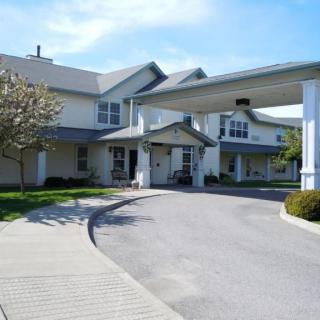
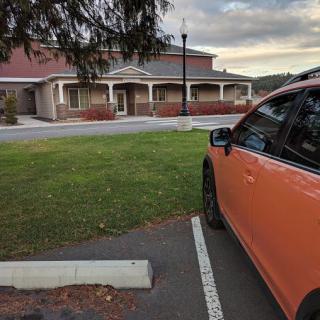
Valley Residential Care in Spokane, WA

Information last verified:

14106 East 3rd Avenue, Spokane, WA 99216

For more information about senior living options: (844) 490-3973

5 from 2 reviews

Overall Review of Valley Residential Care

Pros

  • pro The facility’s staff are incredible, thoughtful, and care about every individual resident.
  • pro Residents have their own space and can thrive there.
  • pro The care is highly recommended for any loved one.
  • pro Amy is an absolute angel who cares for every resident with understanding, respect, and care.

Review

Valley Residential Care in Spokane is best suited for seniors who want a highly personalized, home-like setting where caregiving feels intimate and genuinely attentive. This community shines for residents who value having their own space and a consistent, familiar caregiving team that knows their routines, preferences, and histories. It is particularly well-matched for individuals whose needs are managed with steady daily support rather than those requiring intensive medical oversight or specialized memory care. In short, it serves as a practical, welcoming home for seniors who thrive on stability, individual attention, and a tight-knit, people-centered environment.

Those considering alternatives should closely assess the level of medical supervision and specialized programming they will require. If memory care, 24/7 clinical oversight, or a robust calendar of structured activities and outings are essential, this setting may not meet every need. Family members seeking a larger community with more formal nursing coverage, broader ancillary services, or dementia-specific options should compare with facilities that explicitly advertise those capabilities. For residents who benefit from a bigger social scene or more diverse therapeutic offerings, a different model could offer more peace of mind.

The strongest pros here lie in the human touch. Staff are described as incredible, thoughtful, and consistently respectful, with the kind of care that feels both professional and heartfelt. When a caregiver is understood as a partner in daily life, someone who takes time to know a resident’s idiosyncrasies, preferences, and history, the result is a durable quality of life: fewer disruptions, smoother routines, and a sense of security. The continuity of care matters as well; a resident who has their own space and remains in place for years signals genuine stability that often translates into emotional well-being and comfort in the living environment.

Another clear advantage is the culture depicted by the caretaking team. Mention of Amy as an “absolute angel” highlights not just competence but warmth, empathy, and a personal commitment to each resident. When staff members can blend competency with compassionate temperament, families gain confidence that the day-to-day experience will feel individualized and dignified. This kind of staffing ethos supports meaningful engagement, quiet reassurance during routine activities, and a sense that the care plan is alive and responsive rather than procedural.

Even with these strengths, it is prudent to acknowledge the absence of explicit details about certain services and programs within the community. The reviews do not publicly enumerate on-site medical oversight, memory-care design, or the breadth of activities and rehabilitative options. For families running a careful checklist, nursing supervision, medication management, therapy availability, and dementia-specific care, these items require direct confirmation. The lack of public emphasis on these elements does not imply deficiency, but it does mean due diligence is essential to ensure the facility aligns with the full spectrum of individual health needs.

Ultimately, the decision comes down to what matters most in daily life. If the objective is a stable, respectful, and person-centered household where a resident can maintain autonomy and feel truly cared for by a devoted team, Valley Residential Care delivers with credibility and heart. The long-tenured staff, the emphasis on individual space, and the visible warmth from caregivers create a foundation that can sustain emotional well-being and reduce the stress often associated with moving into assisted living. For families prioritizing continuity of relationships, minimal disruption to routines, and a supportive, home-like atmosphere, this community stands out as a thoughtful, practical choice.

Conversely, for those whose criteria include robust clinical services, memory-care specialization, or a bustling activity spectrum driven by a larger staff and facility footprint, exploring alternatives is sensible. A sharper focus on on-site nursing coverage, medicated management, dementia-friendly programming, or a wide array of daily therapeutic options may tip the balance toward another option that promises more extensive medical oversight. In such cases, Valley Residential Care remains a strong contender only if the emphasis stays squarely on consistent, compassionate, individualized care within a simple, intimate setting. The right fit will align the resident’s care needs with the community’s proven strengths in staff engagement, personal attention, and a home-based lifestyle.

Features

Housing

  • 25 resident community capacity 25 resident community capacity

Types of Care

  • Assisted Living Assisted LivingAssisted living facilities provide crucial support and care for seniors who may need help with daily tasks such as medication management, bathing, and meal preparation. These communities offer a safe and comfortable environment where seniors can maintain their independence while receiving the assistance they need to thrive in their golden years.

Amenities

  • Beauty salon Beauty salonBeauty salons are important for seniors because they provide a space for them to feel pampered, socialize, and maintain their personal grooming and hygiene. Regular visits to a beauty salon can help boost seniors' self-esteem and overall well-being.
  • Cable or satellite TV Cable or satellite TVCable or satellite TV is important for seniors because it provides entertainment, news, and companionship, helping to combat loneliness and boredom. It also offers a wide range of programming options tailored to different interests and preferences.
  • Dining room Dining roomDining rooms are important for seniors as they provide a space for socialization, connection, and nutritious meals. They offer opportunities for residents to bond over shared meals, foster a sense of community, and promote healthy eating habits. Dining rooms also ensure that seniors have access to well-balanced meals tailored to their dietary needs and preferences.
  • Fully furnished Fully furnishedFully furnished senior living communities are important for seniors because they provide convenience, comfort, and a hassle-free moving experience. Seniors can easily settle into their new living space without the stress of having to buy and move furniture. This allows them to focus on enjoying their new home and community.
  • Garden GardenGardens are important for seniors as they provide a peaceful and therapeutic environment for relaxation, physical activity, and socialization. Being in nature has been shown to reduce stress, improve mood, and promote overall well-being. Gardens also offer opportunities for seniors to engage in gardening activities, which can improve mobility, flexibility, and cognitive function. Additionally, gardens create a sense of community and connection with others who share a passion for plants and outdoor spaces.
  • Housekeeping services Housekeeping servicesHousekeeping services are important for seniors because they help maintain a clean and safe living environment, promote independence, and reduce the risk of accidents or illnesses. Additionally, having assistance with household chores can alleviate physical strain and allow seniors to focus on other aspects of their well-being.
  • Kitchenette KitchenetteKitchenettes are important for seniors living in senior living communities because they provide the convenience and independence of being able to prepare simple meals and snacks in the comfort of their own living space. This can help promote a sense of autonomy and well-being for seniors, allowing them to maintain some level of control over their dietary choices and daily routines.
  • Move-in coordination Move-in coordinationMove-in coordination is important for seniors because it helps ease the transition into their new living environment. It ensures that all logistics, such as packing, organizing movers, and setting up utilities are taken care of, allowing seniors to focus on settling in and adjusting to their new home. Having a smooth move-in process can alleviate stress and anxiety, making the transition smoother and more enjoyable for seniors.
  • Outdoor space Outdoor spaceOutdoor spaces are important for seniors as they provide opportunities for physical activity, social interaction, exposure to natural light and fresh air, and a sense of connection to nature. Having access to outdoor spaces can improve overall well-being and quality of life for older adults living in senior communities.
  • Restaurant-style dining Restaurant-style diningRestaurant-style dining is important for seniors because it allows them to enjoy delicious, nutritious meals in a social and upscale setting. This enhances their dining experience, promotes healthy eating habits, and fosters socialization with fellow residents, ultimately contributing to their overall well-being and quality of life.
  • Small library Small librarySmall libraries are important for seniors as they provide access to a variety of reading materials, including books, newspapers, and magazines. This can help stimulate their minds, keep them engaged, and provide a sense of community through book clubs and other social activities. Additionally, reading has been shown to improve cognitive function and overall mental well-being in older adults.
  • Telephone TelephoneTelephones are important for seniors as they provide a lifeline for communication with loved ones, emergency services, and healthcare providers. They offer a sense of security and independence, enabling seniors to stay connected and access assistance when needed.
  • Wi-Fi/high-speed internet available Wi-Fi/high-speed internet availableWi-Fi/high-speed internet is important for seniors to stay connected with loved ones, access online resources, and participate in virtual activities to combat feelings of loneliness and isolation. It also allows them to easily manage healthcare needs, access entertainment, and engage in lifelong learning opportunities.

Transportation

  • Spokane International (15 miles away) Spokane International (15 miles away)

Care Services

  • 24-hour call system 24-hour call system24-hour call systems are important for seniors because they provide peace of mind and immediate assistance in case of emergencies. This technology ensures that help is always available, promoting safety and security for elderly individuals living alone or in assisted living facilities.
  • 24-hour supervision 24-hour supervision24-hour supervision is important for seniors to ensure their safety, well-being, and access to immediate assistance in case of emergencies or health issues. This constant support provides peace of mind for both seniors and their loved ones, allowing them to age in place with dignity and security.
  • Activities of daily living assistance Activities of daily living assistanceActivities of daily living assistance are important for seniors because they provide essential support with tasks such as eating, bathing, dressing, and mobility. This assistance helps seniors maintain their independence, dignity, and overall quality of life as they age.
  • Assistance with bathing Assistance with bathingAssistance with bathing is crucial for seniors as it helps maintain personal hygiene, prevents infections, and ensures their overall well-being and comfort. It also provides a sense of dignity and independence for seniors who may struggle with this task on their own.
  • Assistance with dressing Assistance with dressingAssistance with dressing is important for seniors because it helps maintain their independence, promotes personal hygiene, prevents accidents and injuries, and improves overall quality of life. This service ensures that seniors can continue to dress comfortably and confidently, despite any physical limitations they may have.
  • Assistance with transfers Assistance with transfersAssistance with transfers is crucial for seniors as it helps prevent falls and injuries, maintains their independence, and ensures they can safely navigate their living environment. It also provides peace of mind for both seniors and their loved ones.
  • Diabetes diet Diabetes dietA diabetes diet is crucial for seniors as it helps manage blood sugar levels, reduce risks of complications, and improve overall health and well-being. By following a balanced and nutritious diet tailored to their specific needs, seniors can better control their diabetes and enhance their quality of life.
  • Meal preparation and service Meal preparation and serviceMeal preparation and service are crucial for seniors as they may have limited mobility or energy to cook nutritious meals. Having access to healthy and convenient food options can ensure they are getting the proper nutrition needed to maintain their overall health and well-being.
  • Medication management Medication managementMedication management is crucial for seniors to ensure they are taking the right medications at the correct dosages and times. This helps prevent adverse drug interactions, reduces the risk of medication errors, and promotes overall health and well-being. Proactive management also allows for adjustments as needed based on changing health conditions or new prescriptions.
  • Mental wellness program Mental wellness programMental wellness programs are essential for seniors as they promote cognitive stimulation, emotional support, and social engagement. These programs help prevent isolation, depression, and cognitive decline, ultimately enhancing the overall quality of life for older adults.
  • Special dietary restrictions Special dietary restrictionsSpecial dietary restrictions are important for seniors because age-related changes in metabolism and health conditions can make it difficult for their bodies to process certain foods. By following a diet tailored to their specific needs, seniors can maintain their overall health and well-being, manage chronic conditions, and reduce the risk of complications such as malnutrition or food interactions with medications.

Dining

  • Diabetes diet Diabetes dietA diabetes diet is crucial for seniors as it helps manage blood sugar levels, reduce risks of complications, and improve overall health and well-being. By following a balanced and nutritious diet tailored to their specific needs, seniors can better control their diabetes and enhance their quality of life.
  • Special dietary restrictions Special dietary restrictionsSpecial dietary restrictions are important for seniors because age-related changes in metabolism and health conditions can make it difficult for their bodies to process certain foods. By following a diet tailored to their specific needs, seniors can maintain their overall health and well-being, manage chronic conditions, and reduce the risk of complications such as malnutrition or food interactions with medications.

Activities

  • Community-sponsored activities Community-sponsored activitiesCommunity-sponsored activities are important for seniors as they provide opportunities for social interaction, mental stimulation, and physical activity. These activities can help improve overall well-being, combat loneliness and isolation, and promote a sense of belonging and purpose among older adults.
  • Resident-run activities Resident-run activitiesResident-run activities are important for seniors as they encourage social interaction, creativity, and a sense of autonomy. These activities empower seniors to stay engaged and active in their community while fostering meaningful connections with their peers.
  • Scheduled daily activities Scheduled daily activitiesScheduled daily activities are important for seniors because they provide structure, socialization, mental stimulation, and physical activity. Engaging in regular activities can improve overall well-being and quality of life for seniors living in a community setting.

Description

Valley Residential Care in Spokane, WA is a well-equipped and comfortable assisted living community that offers a range of amenities and care services to meet the needs of its residents. The community provides cable or satellite TV for entertainment, a dining room for communal meals, and fully furnished apartments for a hassle-free living experience. Residents can enjoy spending time in the garden or outdoor spaces, as well as access Wi-Fi/high-speed internet throughout the premises.

Housekeeping services are provided to ensure a clean and tidy living environment, and move-in coordination is available to assist new residents with settling into their new homes. The community also offers restaurant-style dining where residents can indulge in delicious meals prepared by professional chefs. For residents who enjoy reading, there is a small library on-site.

Valley Residential Care provides round-the-clock supervision by trained staff members to ensure the safety and wellbeing of its residents. Assistance with activities of daily living such as bathing, dressing, and transfers is readily available. The community also caters to individuals with special dietary restrictions including diabetes diet through meal preparation and service.

Medication management is offered to assist residents in taking their medications appropriately. Additionally, Valley Residential Care has implemented a mental wellness program to support the emotional and psychological health of its residents.

Residents can engage in resident-run activities that are tailored to their interests, as well as participate in scheduled daily activities organized by the community. Outside the community, there are numerous amenities conveniently located nearby including cafes, parks, pharmacies, physicians' offices, restaurants, transportation options, places of worship, theaters, and hospitals.

Valley Residential Care strives to provide a comfortable living environment backed by comprehensive care services for seniors looking for assistance in their day-to-day lives while enjoying access to nearby amenities within the vibrant Spokane area.

Nearby Places of Interest

Pharmacies

  • Safeway Pharmacy (0.1 miles)
  • Yoke's Foods (0.7 miles)
  • Yoke's Fresh Markets (0.7 miles)
  • Welllife Pharmacy (0.7 miles)
  • Walgreens (1.1 miles)
  • Rite Aid (1.2 miles)
  • Chas-Valley Pharmacy (1.2 miles)

Physicians

  • Premier Body And Laser Spokane Valley (0.2 miles)
  • Philip M. Dooley, MD (0.2 miles)
  • MultiCare Rockwood Valley Clinic (0.3 miles)
  • Spokane Internal Medicine (1.2 miles)
  • Freedom Health Group (1.4 miles)
  • Providence Valley Young People's Clinic - Spokane (1.4 miles)
  • Empire Eye Physicians PS (1.4 miles)

Restaurants

  • Taco Bell (0.9 miles)
  • Zip's Drive In (1.1 miles)
  • McDonald's (1.1 miles)
  • Denny's (1.1 miles)
  • Hong Kong Buffet (1.4 miles)
  • Brother's Office Pizzeria (1.7 miles)
  • Taco Bell (2.2 miles)

Cafes

  • Dutch Bros Coffee (1.1 miles)
  • Whistle Stop Coffee Shop (1.5 miles)
  • Fueled Coffee Company (2.3 miles)
  • Dutch Bros Coffee (3.1 miles)
  • Higher Ground Espresso (4.1 miles)
  • Daily Habit (5.3 miles)
  • Starbucks (5.6 miles)

Theaters

  • Regal Spokane Valley (1.3 miles)

Hospitals

  • Valley Hospital (1.5 miles)
  • Providence Holy Family Hospital (8 miles)
  • Spokane Kidney Center (8.7 miles)

Transportation

  • Mirabeau Park & Ride (1.6 miles)
  • STA Pence-Cole Valley Transit Center (2.2 miles)

Places of Worship

  • Holy Trinity Lutheran Church (1.8 miles)
  • Victory Faith Fellowship (3.4 miles)
  • Journey Church (6.2 miles)

Parks

  • Brown's Park (2.1 miles)
  • Mirabeau Park (2.2 miles)

Frequently Asked Questions

Where is Valley Residential Care?

Nearby Communities

  • Still Waters AFH

    Still Waters AFH

    Spokane Valley, WA

    4 from 13 reviews
    $4,200 to $4,340 / month

    pro Compassionate, attentive care in a warm, home-like environment.

  • Evergreen Residential Care

    Evergreen Residential Care

    Veradale, WA

    3.4 from 5 reviews
     

    pro Fully furnished apartments with restaurant-style dining and 24-hour supervision.

  • Orchard Crest Retirement Community

    Orchard Crest Retirement Community

    Spokane, WA

    3.2 from 42 reviews
    $1,850 to $3,170 / month

    pro Spacious, well-maintained apartments with friendly staff.

  • Sprague Crossing

    Sprague Crossing

    Spokane Valley, WA

    4.5 from 2 reviews
     

    pro Vibrant, well-connected location with abundant nearby amenities (cafes, parks, healthcare, dining, theater, hospital).

  • Sullivan Park Cottages

    Sullivan Park Cottages

    Spokane, WA

    3.7 from 3 reviews
     

    pro Continuum of care (IL to SNF) in cottage homes with dining and transport services.

  • Sullivan Park Assisted Living Community

    Sullivan Park Assisted Living Community

    Spokane, WA

    4.5 from 97 reviews
    $2,695 to $4,450 / month

    pro Friendly, attentive staff; independent cottages and a broad range of on-site amenities.

  • Broadway Court Estates

    Broadway Court Estates

    Spokane Valley, WA

    4.8 from 89 reviews
    $2,195 to $3,395 / month

    pro Friendly, caring staff with an active, social community and well-maintained facilities.

  • Colonial Court

    Colonial Court

    Spokane, WA

    4.4 from 42 reviews
    $5,195 / month

    pro Caring, dedicated staff with personalized attention in a clean, home-like setting.

  • Bethany Place

    Bethany Place

    Spokane, WA

    3.4 from 52 reviews
     

    pro Caring, dedicated staff in a clean, welcoming environment.

Assisted Living in Nearby Cities

Related Resources

  • assisted living for disabled adultsComprehensive Supportive Living Arrangements for Adults with Disabilities

    Assisted living for adults with disabilities has transformed to provide personalized care and support services aimed at improving residents' quality of life while balancing independence and assistance. However, low-income individuals often face challenges in affording these services, requiring navigation of various financial resources and advocacy for better policies and solutions.

  • how to pay for assisted livingFunding and Affording Assisted Living: A Thorough Overview

    Assisted living facilities provide support for older adults needing help with daily activities without extensive medical care, but their costs can be high and vary by location and services offered. Families often seek various funding options and financial strategies to manage these expenses effectively while considering future needs and potential price increases.

  • assisted living insuranceAssisted Living Expenses and Long-Term Care Insurance: A Comprehensive Exploration

    The article discusses assisted living expenses, the importance of long-term care insurance in covering these costs, and various financing options, highlighting the need for careful policy review and early planning to address potential needs. It also clarifies common misconceptions about Medicare and private health insurance limitations regarding long-term care coverage.