
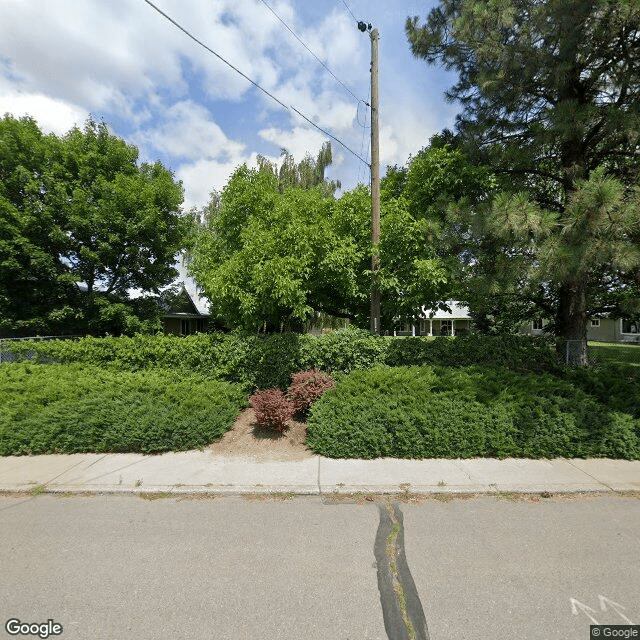
1707 E ROWAN, SPOKANE, WA 99207
To contact a resident: (509) 482-6290
For more information about senior living options: (866) 208-4318
Overall Review of Magnolia Care Enhanced Living-DD- MH
Pros
 The staff are nice enough for the most part.
- It is a great place to live.
- They loved it for their grandma.
Cons
 They won't give any meds, including aspirin, without a prescription from a doctor.
- There is no confidentiality here because many staff are related and rumors spread quickly.
- Some might be a good fit for the facility, but the reviewer was not.
Review
Magnolia Care Enhanced Living-DD- MH in Spokane is best suited for adults with developmental disabilities or mental-health needs who want a small, homelike setting and can rely on outside medical oversight rather than on-site, highly clinical management. It serves residents who thrive on routine, personal connections with staff, and a sense of community where family involvement remains a practical, ongoing part of care. For those requiring strong privacy protections, or for families that expect seamless, on-site medication administration and tightly professional boundaries, this community may not be the ideal match. Alternatives to consider include larger assisted-living options with centralized med-pass programs, stricter confidentiality practices, and facilities that emphasize more formal clinical oversight.
The strongest positives center on warmth and approachability. The staff are described as pleasant for the most part, and the setting can feel like a true home rather than a sterile, impersonal place. Positive anecdotes, such as “great place to live” and favorable sentiments about care for a loved one, underline that certain residents experience meaningful daily life: social engagement, familiar faces, and predictable routines that support comfort and stability. For families who prize visible, day-to-day continuity and a non-institutional atmosphere, these elements translate into genuine peace of mind and a sense that the resident is at ease.
Yet the best aspects do not erase notable drawbacks. A core concern is practical medication management: the facility will not dispense over-the-counter meds like aspirin without a doctor-prescribed order. That rule can slow relief for minor aches or quick symptom control and places more reliance on external medical workflows, which may be burdensome for some families and residents who prefer easier access to basic remedies. Another red flag from the reviews is a privacy dynamic that can feel compromised: staff members are related, and word tends to travel, creating a sense that confidential information could circulate more readily than in more formally separated environments. For residents with sensitive medical histories or a strong emphasis on discretion, this arrangement can be disconcerting.
These cons are not merely logistical annoyances; they intersect with the core resident experience. The same intimate setting that supports connection can, in practice, hamper privacy and independence if casual familiarity crosses professional boundaries. This reality means that the facility can work beautifully for individuals who rely on consistent, affectionate interactions and who can tolerate external coordination for medications, but it can alienate those who demand strict professional separation and immediate access to simple medications on site. Families should assess whether the living environment, the level of staff warmth, and the opportunity for ongoing family involvement outweigh the potential compromises around privacy and med management.
From a decision-making standpoint, the pros partially offset the cons for a specific profile: a resident who benefits from a home-like culture, who does not require frequent on-site medical interventions, and whose family is prepared to stay actively involved in coordinating care. The key to success here lies in a clear care plan that documents medication responsibilities, privacy expectations, and the degree of staff-resident familiarity that is tolerable. Prospective residents should schedule detailed conversations with the management team about med policies, confidentiality practices, and staff turnover, and should request to speak with current families about their lived experience. A trial stay or extended visit can illuminate whether the intimate setting translates into real, daily comfort.
In the end, Magnolia Care Enhanced Living-DD- MH offers a practical, compassionate option for a defined subset of seniors and adults with developmental or mental-health needs: those who value a neighborly, engaged staff and a home-like rhythm, and who can tolerate, or even welcome, a model where family involvement is integral and on-site medical spontaneity is tempered by outside oversight. For families prioritizing strict privacy, seamless on-site medication handling, or more formal clinical protocols, alternatives that emphasize professional boundaries and higher-medication autonomy should be pursued. The choice hinges on aligning resident needs and family expectations with the facility’s relational strengths and its record on discreet, medically integrated care.
 Activities on-site
 Devotional services off-site
 Indoor common areas
 Spokane International (9 miles away)
 Ambulatory care
 Diabetic care
 Meals provided





 Navigating the Financial Road to Nursing Home Care: In-Depth Guidance and Resources
 Supportive Employee Benefits That Help Caregivers Attain Better Work-Life Harmony
 Top Cars for Senior Drivers and Essential Safety Innovations