

1724 West Mallon Avenue, Spokane, WA 99201
For more information about senior living options: (866) 208-4318
Overall Review of Mallon Place
Pros
 The reviewer loved this place.
- The Mallon Place usually has good food and enough to eat.
- It has a warm atmosphere and is not a bad place overall.
- The facility provides daily meals, snacks, and activities for residents.
- It allows residents to leave between 6am and 11pm.
Cons
 They describe Mallon Place as toxic and emotionally brutal for residents.
- They say residents are not properly cared for, with showers left undone.
- They view the facility as a cash cow that prioritizes profit over residents’ welfare.
- They report chronic understaffing, leading to breakdowns and unsafe conditions.
- They allege abuse and neglect, including incidents where residents were harmed and staff did not intervene.
- They feel unsafe due to unprofessional behavior and unmedicated residents around them.
- They characterize the place as a nightmare, or even a joke, with poor care and staffing issues.
Review
Mallon Place in Spokane is best suited for seniors who are largely independent, want a low-cost housing option, and are comfortable with a home-like setting that prioritizes social contact and flexibility over rigorous, consistent care. This community may appeal to those who can navigate a lean operation and are not relying on dependable daily assistance with personal care, medical needs, or transportation. It is not the right fit for residents who require steady supervision, robust clinical support, or strong safeguarding, and families should consider stronger care-focused alternatives if those needs exist.
On the upside, the most consistent positives revolve around atmosphere and affordability. Several accounts describe a generally warm, social environment with a familiar, if imperfect, staff presence and meals that are typically adequate. The facility’s “open campus” vibe, with freedom to come and go for long hours, appeals to residents who value independence and a sense of autonomy. A few long-tenured staffers and caregivers are highlighted as reliable and friendly, which can translate into small moments of stability amid more volatile operations. For SSI residents, the price point is a major factor, since the model often consumes most of the income, leaving little discretionary funds but delivering a predictable fixed cost.
Yet the magnitude of the drawbacks far outweighs these upsides for most long-term needs. A chorus of reviews portrays chronic understaffing, with aides overwhelmed by demand and med administration duties competing with basic hygiene tasks like showers. Reports of residents not receiving showers, or being underserved because staff are stretched thin, point to a care quality gap that cannot be ignored. Episodes of disrespect or neglect, ranging from poor response to safety concerns to inadequate supervision for vulnerable individuals, underscore a pattern of inconsistent accountability. Management and HR interactions are described as punitive or dismissive at times, and incidents of resident conflict or mistreatment are not isolated anecdotes in these narratives. The combination of under-resourcing and reports of safety risks creates a foundation where serious care gaps can emerge quickly.
When weighing pros against cons, the core tension is clear: affordability and independence versus reliability and safety. The favorable elements, some decent meals, a few kind staff members, a social, home-like feel, and flexible hours, do not reliably compensate for the systemic issues that appear to pervade daily operations. The risk of neglected care, inadequate supervision, and troubling staff behavior creates a hazardous environment for residents who depend on consistent routines, timely assistance, and protective oversight. Families must view these trade-offs soberly and prioritize whether a facility’s possible social richness and low price truly offset the potential for dangerous lapses in care.
Alternatives deserve serious consideration for anyone with significant care needs, behavioral challenges, or medical conditions requiring steady management. If memory care, behavioral health, regular medication administration, or transportation to medical appointments is essential, other Spokane options with stronger staffing, better oversight, and proven care protocols should be pursued. Similarly, families facing safety concerns, especially those who have observed or experienced disrespect, retaliation for raising issues, or power imbalances, will likely find more reliable partners elsewhere. The risk profile at Mallon Place is simply not aligned with expectations for durable, safety-focused senior living.
For families proceeding with Mallon Place, a disciplined, targeted due diligence plan is essential. Schedule in-depth, in-person visits and speak with multiple staff members and residents about daily routines, meal quality, and how emergencies are handled. Request specifics on staffing ratios by shift, medication administration procedures, and how transfers to medical services are coordinated. Examine the contract closely for hidden fees and appeal processes, and verify licensing and any state oversight records. Finally, demand transparency about transportation options, activity programming, and how concerns are addressed when residents or families raise them. A thoughtful, evidence-based approach will illuminate whether Mallon Place can meet practical needs or if another option better serves safety, dignity, and long-term quality of life.
 73 resident community capacity
 Assisted Living
 Activities on-site
 Air-conditioning
 Beauty salon
 Cable or satellite TV
 Computer center
 Devotional services off-site
 Dining room
 Fitness room
 Fully furnished
 Gaming room
 Garden
 Housekeeping services
 Indoor common areas
 Kitchenette
 Move-in coordination
 Outdoor space
 Private bathrooms
 Restaurant-style dining
 Small library
 Telephone
 Wellness center
 Wi-Fi/high-speed internet available
 Spokane International (5 miles away)
 Community operated transportation
 12-16 hour nursing
 24-hour call system
 Ambulatory care
 Assistance with bathing
 Assistance with dressing
 Assistance with transfers
 Diabetes diet
 Diabetic care
 Medication management
 Mental wellness program
 Special dietary restrictions
 Concierge services
 Planned day trips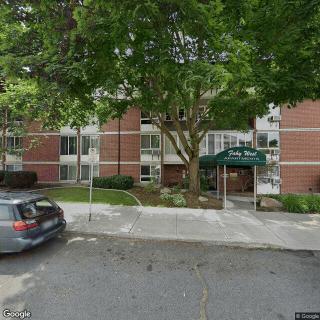








 An Extensive Exploration of the VA Aid and Attendance Benefit
 Senior Transition Services: Understanding Their Role, Cost, and Importance
 Exploring the Path to Senior Living: A Comprehensive Look at Independent Living and Assisted Living