Royal Park Retirement Center offers competitive pricing for its residents compared to the broader Spokane County and Washington state averages. For instance, a studio apartment at Royal Park is priced at $2,418 per month, significantly lower than the county's average of $3,609 and the state average of $4,126. One-bedroom units are also attractively priced at $2,821, well below both Spokane County's average of $3,852 and Washington state's average of $4,632. Even in the two-bedroom category, where Royal Park charges $3,441, it remains slightly higher than the county's average of $3,350 but is still more affordable than the state's average of $4,301. This cost structure positions Royal Park as a favorable option for individuals seeking quality retirement living without straining their budgets too heavily.
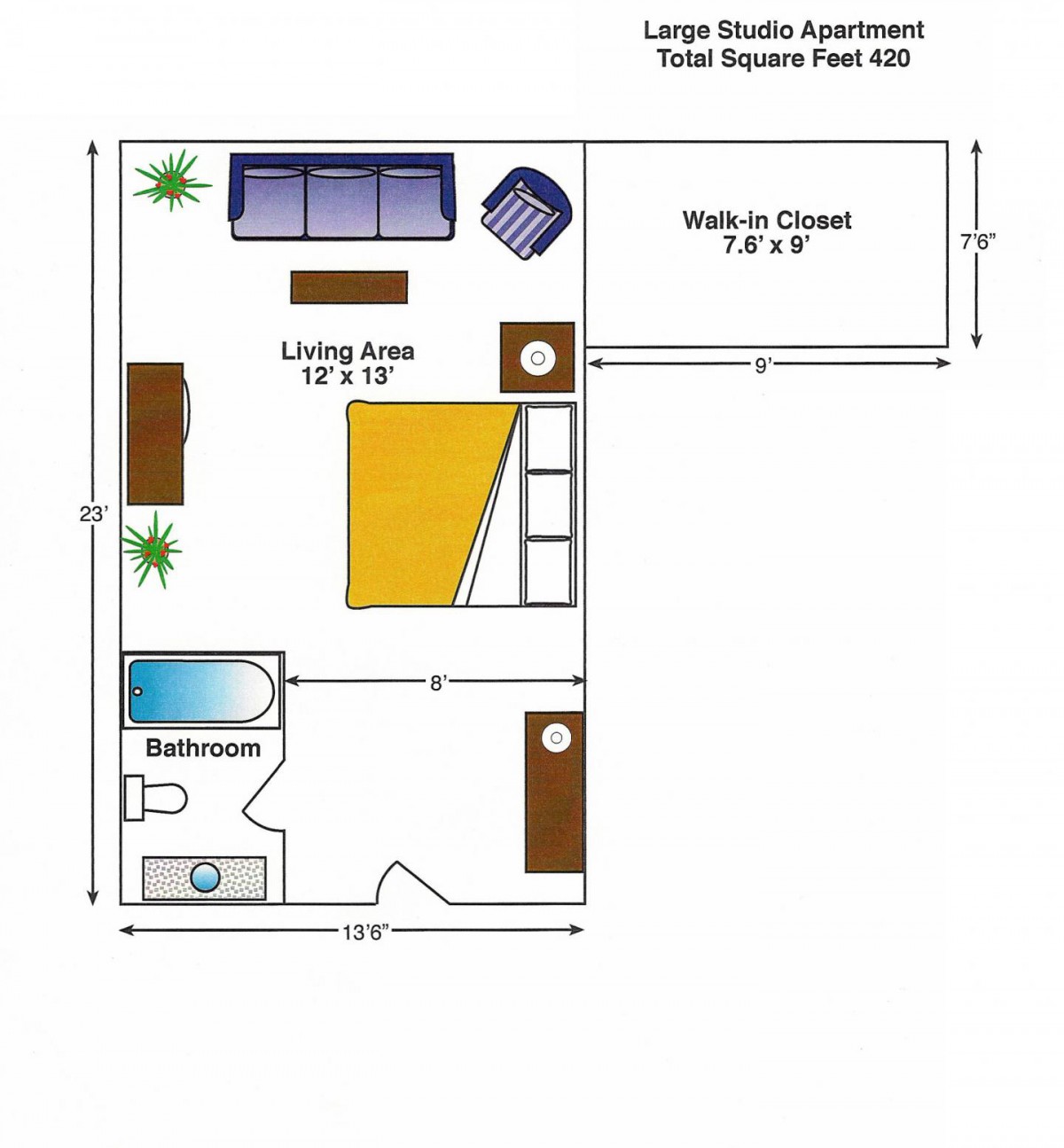
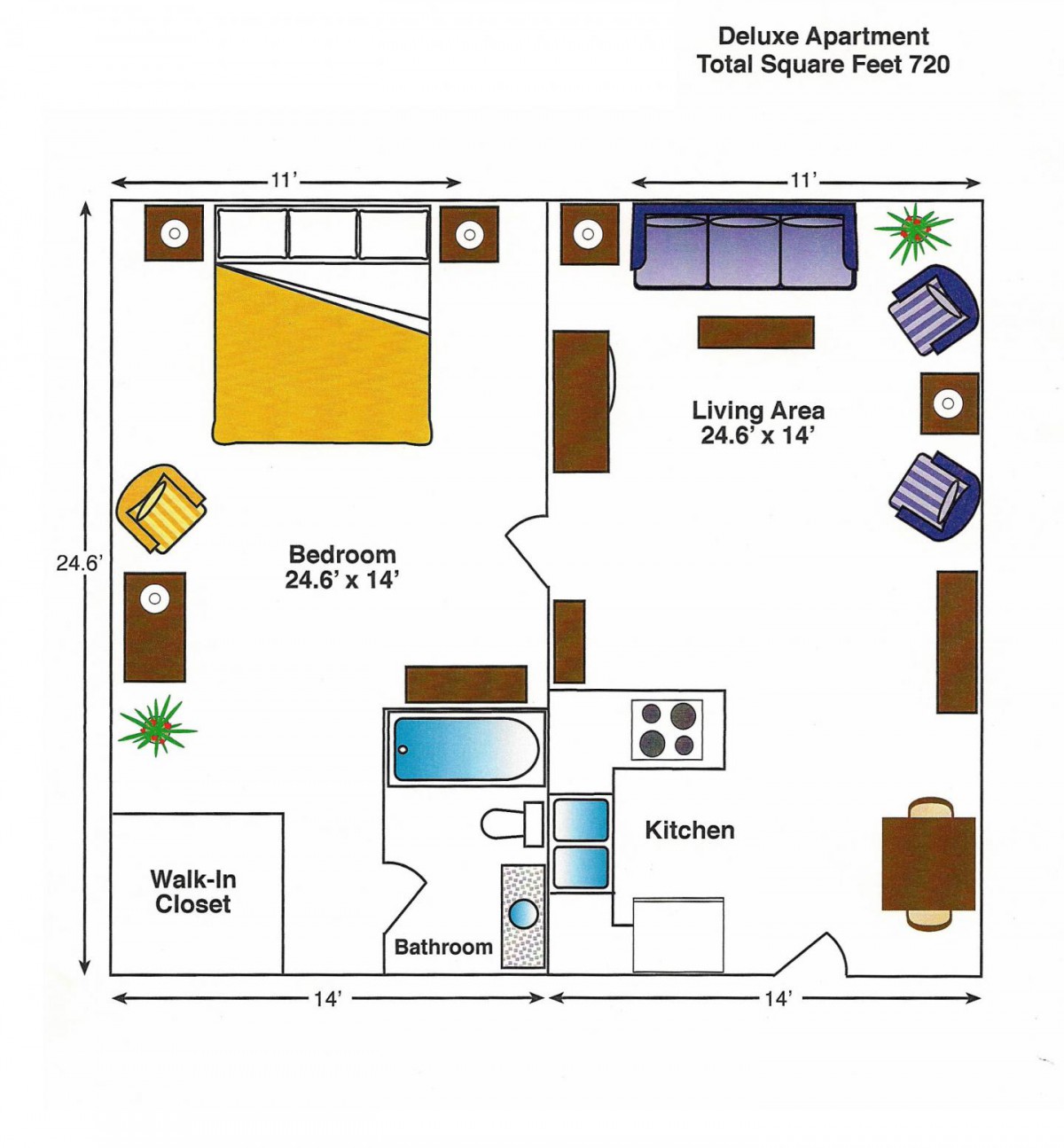
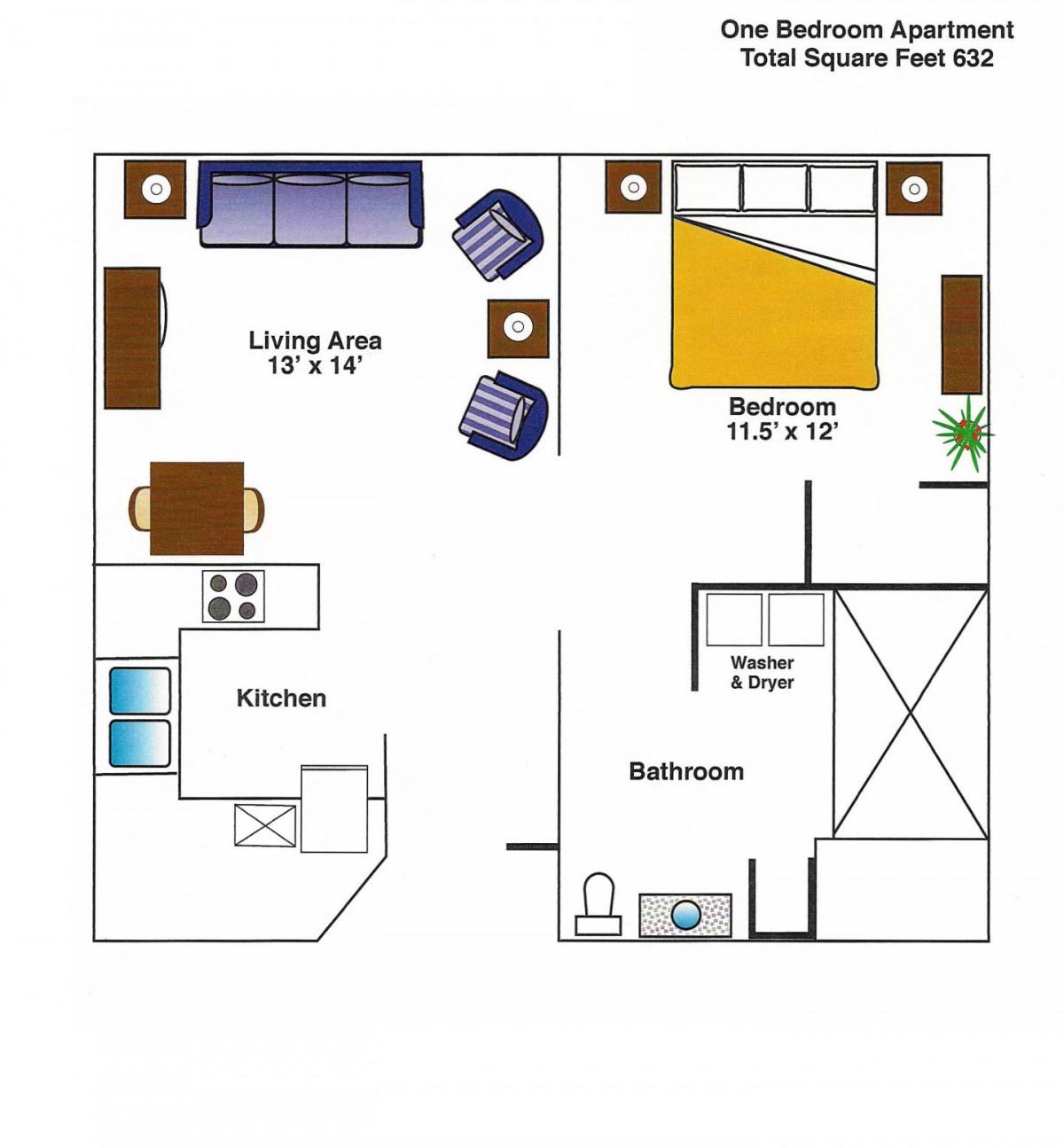
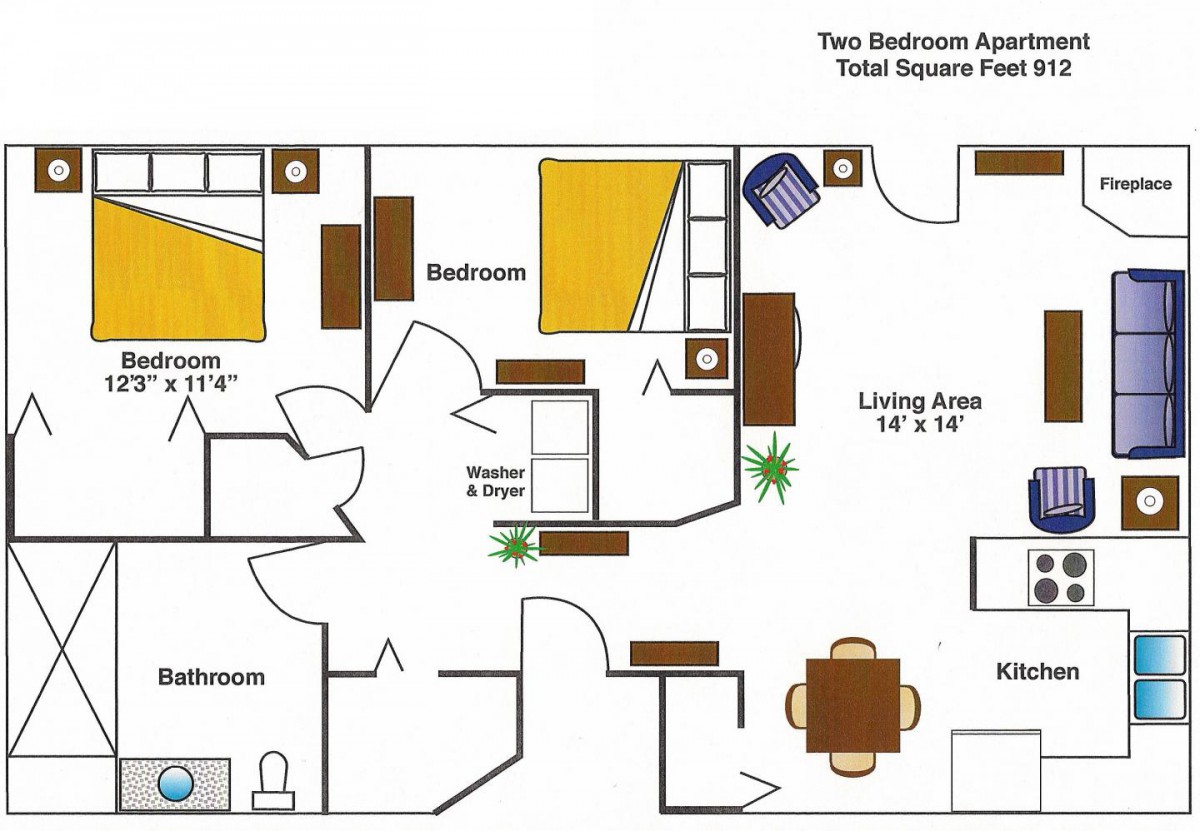
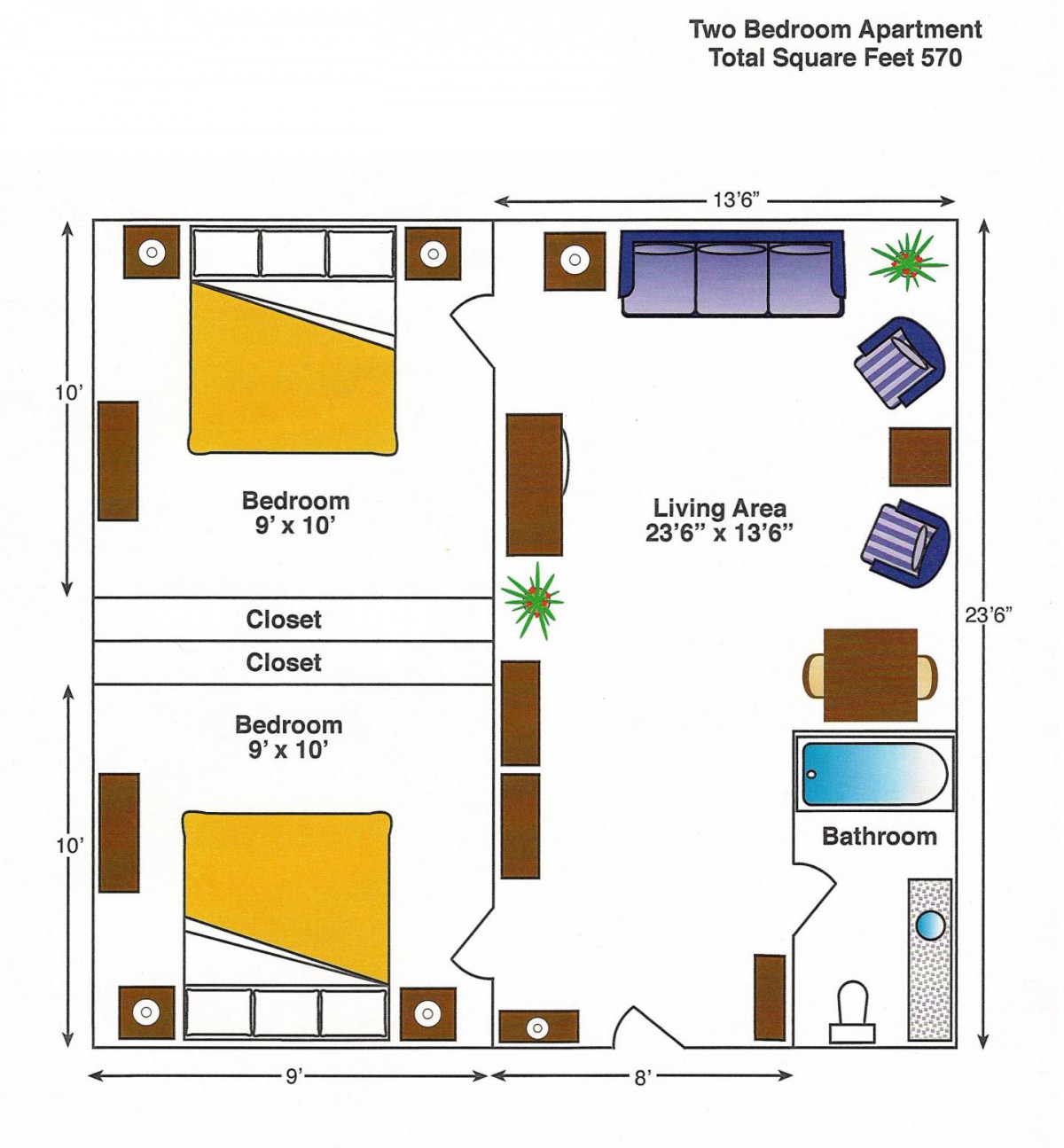
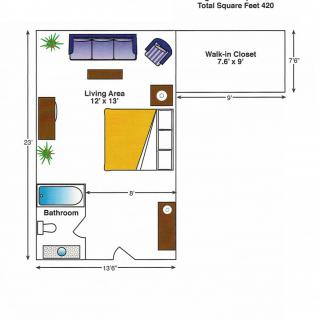
Floor plans
Royal Park Retirement Center
Spokane County
Washington
Studio
$2,418
$3,609
$4,128
1 Bedroom
$2,821
$3,852
$4,634
2 Bedrooms
$3,441
$3,350
$4,301
Assisted Living communities with a similar price nearby
Residents describe hands-on support with medications and diabetic needs.
Several reviews mention attentive nursing or med techs helping with insulin and medication routines, including support for a resident who was 100% blind and relied on staff for meals. One review specifically describes work around diabetic diet and blood glucose checks, while another reports serious safety failures in medication-related protocol. The community also lists care services that include diabetic care, medication management, and incontinence and high acuity care.
differentiator4 reviews mention this
Value pricing is a selling point
Pricing is frequently described as a reasonable value.
Multiple reviews say the cost felt reasonable, and one family appreciated how thoroughly they were walked through financial details. Others point to overall value for the money and note that the community is conveniently located. Price ranges also come in well below county and state benchmarks across unit types.
common24 reviews mention this
Staff are consistently described
Reviews repeatedly describe staff as caring, kind, and responsive.
Across many reviews, families and visitors describe staff greeting residents warmly, keeping things running smoothly, and showing patience during challenging days. Several also mention regular check-ins and good communication, including keeping families informed about what is happening. There are also negative reviews about the tone and professionalism of staff interactions and concerns about care protocol.
common7 reviews mention this
Dining quality is a focal point
Food quality is a frequent highlight, with some tasting complaints.
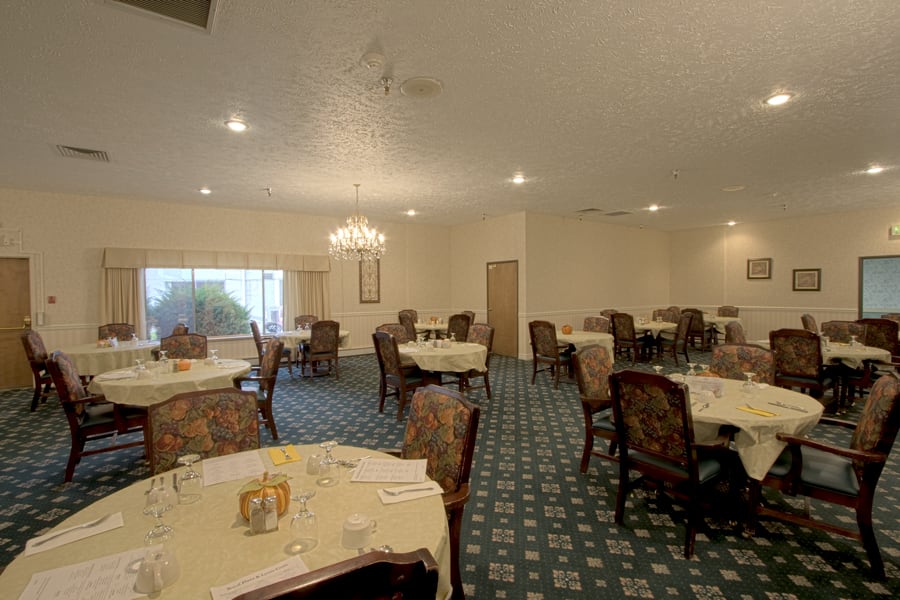
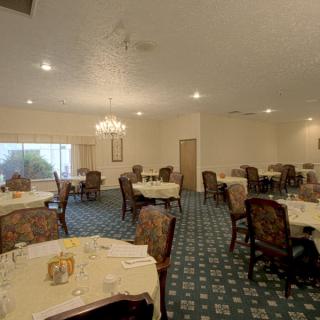
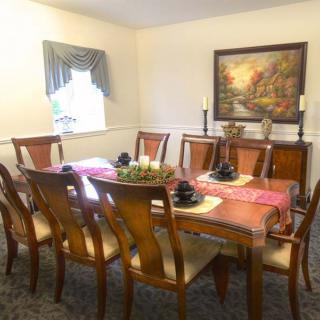
A number of reviews call the meals delicious or a highlight, and others describe having alternate choices available. One review says the menu is good but that many residents found the food bland, and another review points to both food enjoyment and ongoing billing or communication issues. The community also offers restaurant style dining and a variety of dietary options, including gluten-free, low/no sodium, kosher, vegan, and vegetarian choices.
common7 reviews mention this
Activities keep residents engaged
Residents and families describe an active schedule of activities.
Reviews commonly mention residents staying engaged through planned activities and social opportunities, including music and group events. Some families describe themed days and outings, and others note that activities had been reduced at times, such as during staffing or COVID-related disruptions. The community also lists on-site and off-site activities and devotional programming, along with live well programs and religious services.
common5 reviews mention this
Cleanliness and fresh-smelling spaces
Multiple reviews emphasize cleanliness and pleasant common areas.
Several reviews describe the community as clean, bright, and without noticeable odors, often mentioning how it feels upon entering. Others add that the building is maintained well and that the environment supports day-to-day comfort. These comments appear alongside frequent praise for staff attention and communication.
How we summarize
Counts show how many written reviews mention each theme; a review can touch several themes, and only frequently mentioned themes are displayed.
Features
Types of Care
Assisted Living
Independent Living
Pets
Cats allowed
Dogs allowed
Amenities
Activities off-site
Activities on-site
Air-conditioning
Bath tubs
Beautician on-site
Devotional services off-site
Devotional services on-site
Fireplaces
Full kitchen
Ground floor units
Handicap accessible
Indoor common areas
Outdoor common areas
Wheelchair accessible showers
Transportation
Spokane International (9 miles away)
Care Services
Ambulatory care
Diabetic care
High acuity care
Incontinence care
Medication management
Dining
Gluten-free
Guest meals
International cuisine
Kosher
Low / no sodium
Meals provided
No Sugar
Organic
Professional chef
Restaurant style dining
Vegan
Vegetarian
Activities
Art classes
Catholic services
Cooking classes
Devotional activities offsite
Devotional activities on-site
Jewish services
Live well programs
Mormon/LDS services
Other religious services
Protestant services
Visiting Rabbi
Visiting chaplain or priest
Nearby Places of Interest
Located in Spokane, Washington, this area offers a variety of amenities and services that cater to senior living. With several physicians and pharmacies in close proximity, medical care is easily accessible. Additionally, there are restaurants offering different dining options such as Firehouse Subs and Shari's Cafe and Pies. For leisure activities, there are parks like Franklin Park and Corbin Park nearby for outdoor enjoyment. The Regal Northtown Mall theater provides entertainment options, while cafes like Starbucks offer a cozy spot for socializing. Places of worship such as Whitworth Chapel and Prince of Peace Lutheran are also within reach for spiritual fulfillment. Overall, this area provides a convenient and diverse environment for seniors looking to settle down.
Physicians
Medical Oncology Associates PS (0.5 miles)
Turner Elizabeth A MD (0.5 miles)
Dr David T Hudon (0.7 miles)
Providence Orthopedics & Sports Medicine - North Spokane (0.7 miles)
Holy Family Medical Building (0.7 miles)
Eye Consultants (0.7 miles)
Holy Family Emergency Center (0.7 miles)
Pharmacies
Sav-On Pharmacy (0.5 miles)
Professional Center Pharmacy (0.6 miles)
Rite Aid (0.8 miles)
Rite Aid (1.5 miles)
Rosauers Supermarkets (1.5 miles)
Rosauers Supermarkets (1.6 miles)
Shopko Pharmacy (1.8 miles)
Restaurants
Firehouse Subs (0.7 miles)
Shari's Cafe and Pies (0.8 miles)
Thai Bamboo Restaurant (0.9 miles)
McDonald's (1 miles)
The Swinging Doors (1 miles)
China Dragon Restaurant (1.1 miles)
Zip's Drive In (1.4 miles)
Hospitals
Providence Holy Family Hospital Anti Coag Unit (0.9 miles)
Royal Park Retirement Center offers competitive pricing for its residents compared to the broader Spokane County and Washington state averages. For instance, a studio apartment at Royal Park is priced at $2,418 per month, significantly lower than the county's average of $3,609 and the state average of $4,126. One-bedroom units are also attractively priced at $2,821, well below both Spokane County's average of $3,852 and Washington state's average of $4,632. Even in the two-bedroom category, where Royal Park charges $3,441, it remains slightly higher than the county's average of $3,350 but is still more affordable than the state's average of $4,301. This cost structure positions Royal Park as a favorable option for individuals seeking quality retirement living without straining their budgets too heavily.
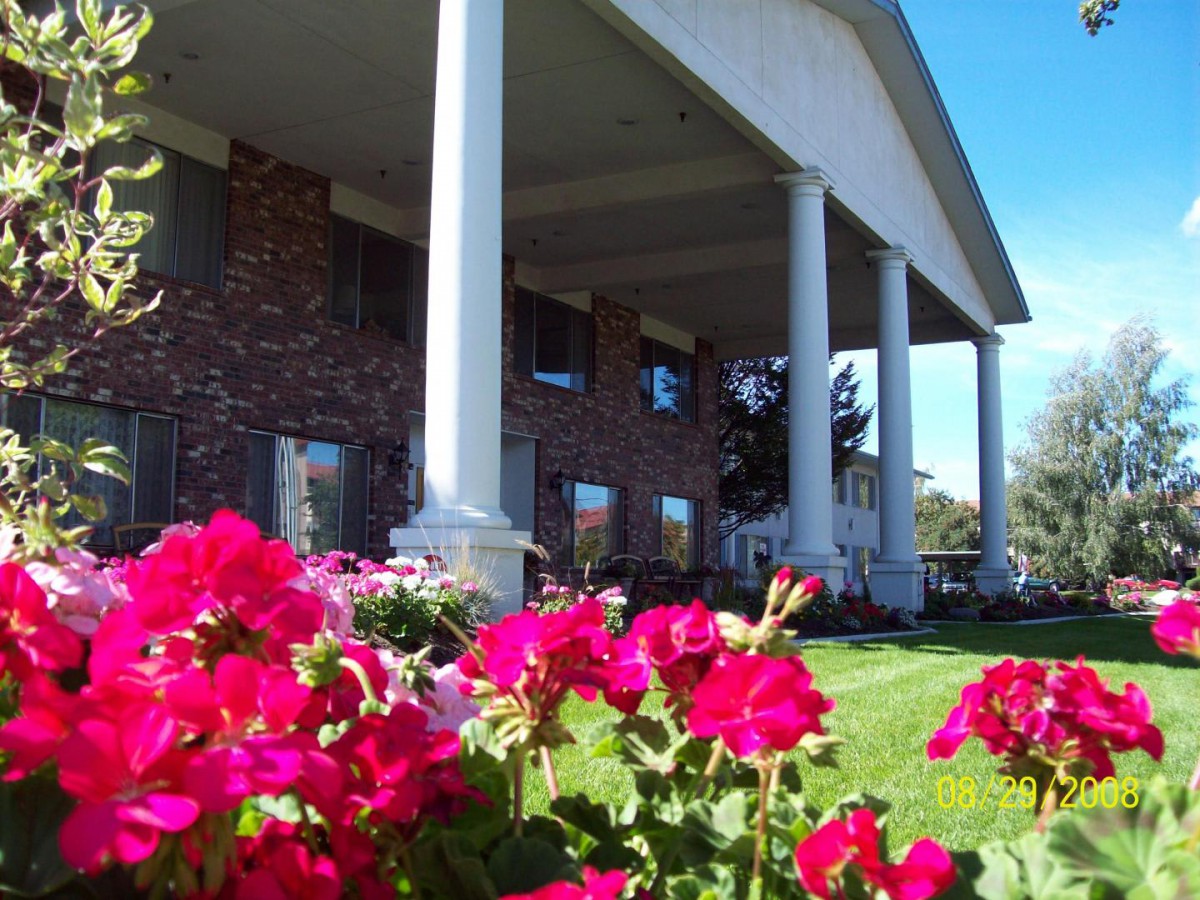
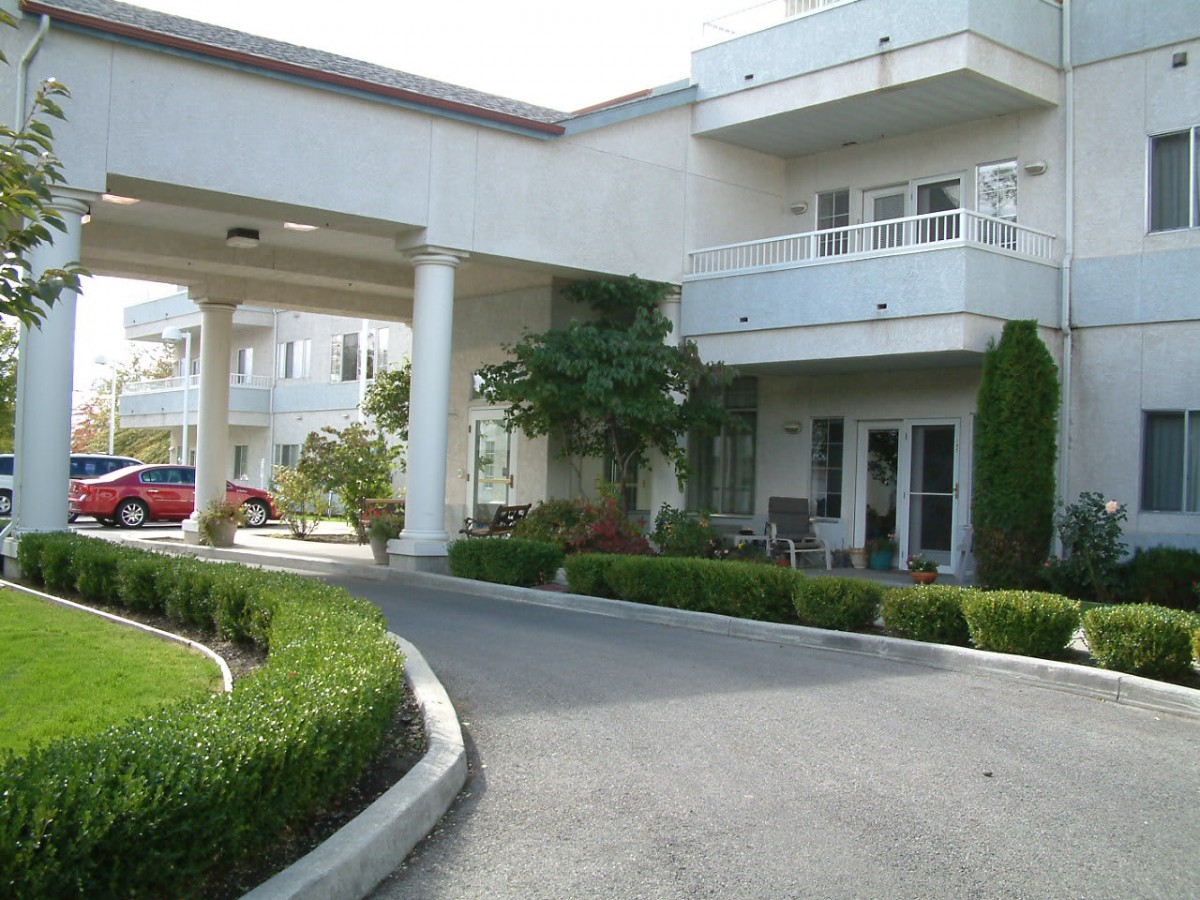
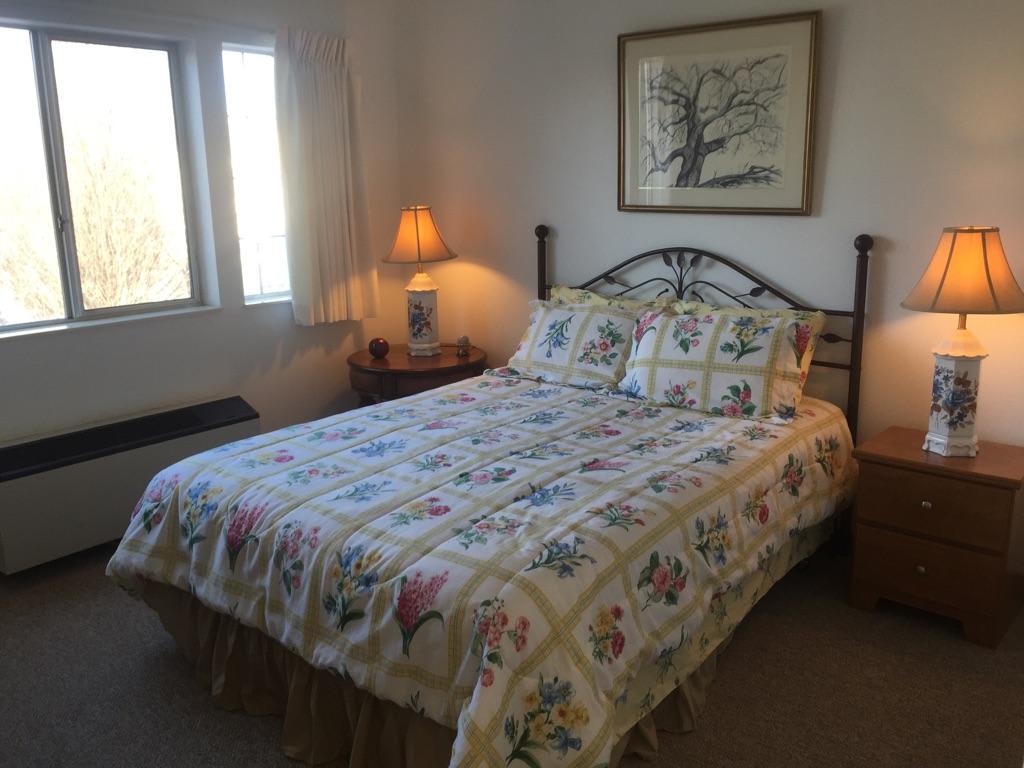
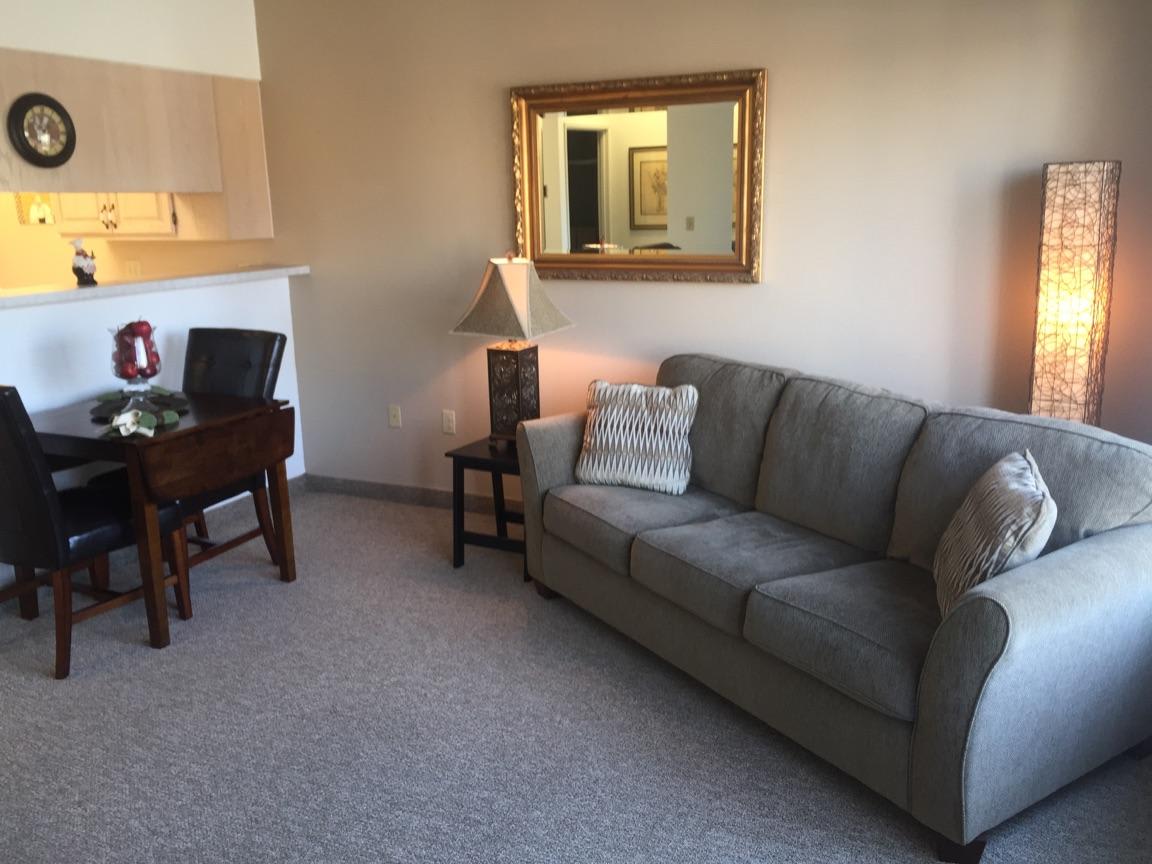
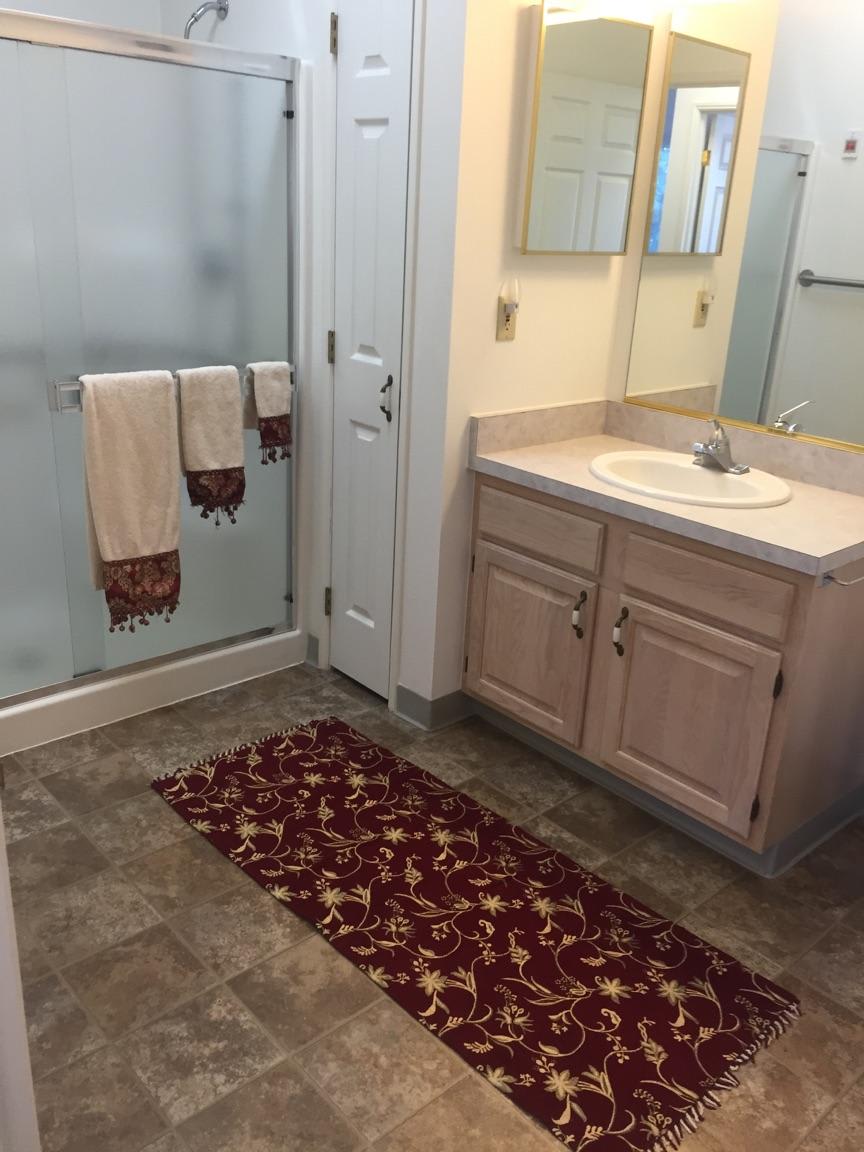
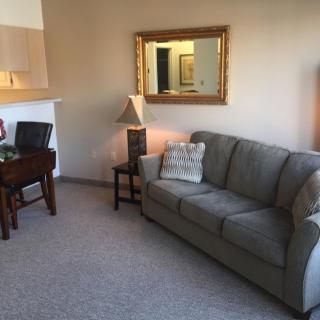
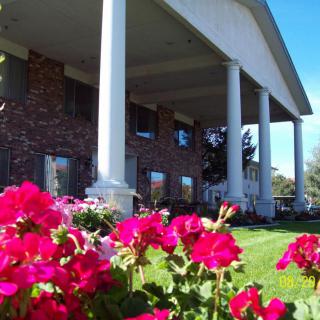
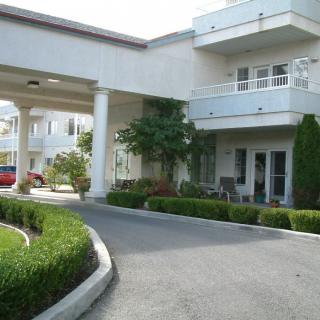
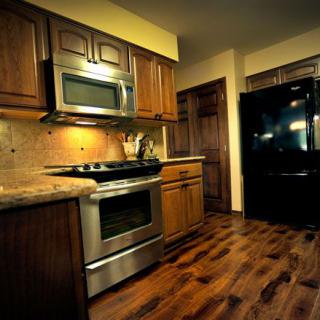
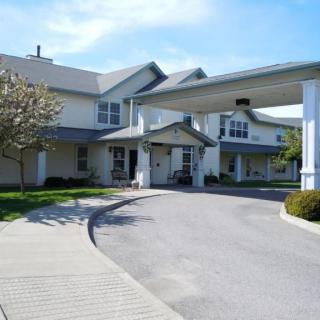
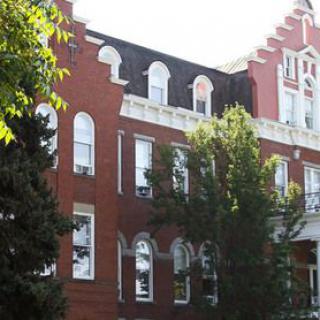
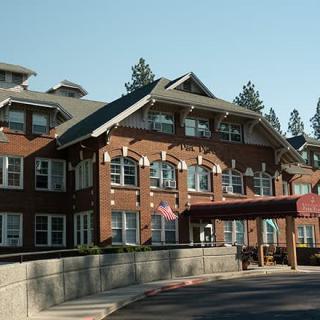
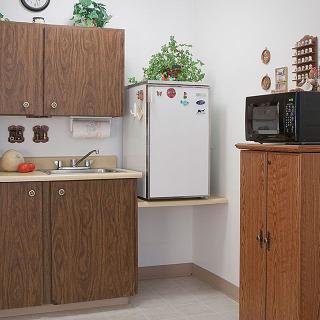
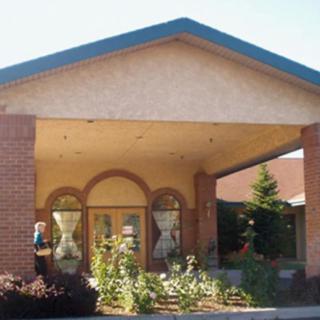
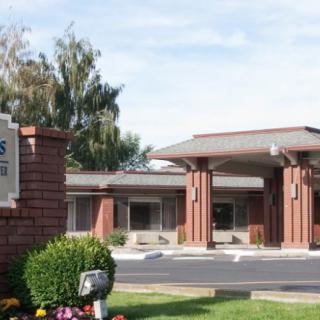
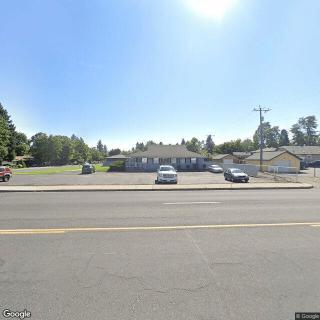
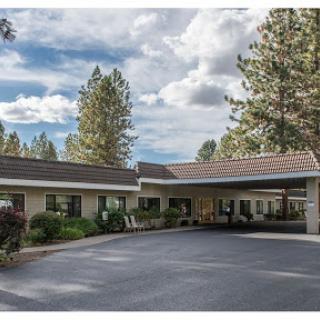
Royal Park Retirement Center on seniors.fyi includes 13 photos including images showing floor plan, bedroom, interior, living room, bathroom, kitchen, dining, building, and more.
Nearby Communities
Lilac Plaza Retirement Home
Spokane, WA
4.6 from 31 reviews
$609 to $700 / month
Helpful staff, welcoming atmosphere, newly updated apartments, and affordable pricing.
Vintage at Spokane
Spokane, WA
4.1 from 123 reviews
$535 to $690 / month
Cherrywood Place
Spokane, WA
4.1 from 28 reviews
$1,615 to $2,200 / month
Competitive pricing (studio $1,615; 1BR $2,200) with fully furnished apartments and extensive on-site amenities.
Royal Park Health And Rehabilitation
Spokane, WA
3.5 from 70 reviews
Attentive staff and a clean, inviting dining area.
Franklin Hills Health & Rehab Center
Spokane, WA
3.3 from 72 reviews
Broad amenities and 24/7 care support (dining, transportation, wellness, activities).
Comfort Keepers
Spokane, WA
4.8 from 25 reviews
Caring, accommodating staff with transparent updates and reliable caregiver matches.
Pleasant Comfort AFH
Spokane, WA
4.9 from 14 reviews
$5,500 / month
Homemade meals with attentive staff in a clean, welcoming setting.
Manor Care Health Services - Spokane
Spokane, WA
3.5 from 97 reviews
Comprehensive on-site care and amenities (24h supervision, nursing, dining, wellness, transportation).
Transitioning from assisted living to memory care is driven by an individual's cognitive decline and specific needs, requiring careful evaluation of indicators like increased confusion and wandering. The process involves consulting medical professionals, researching suitable communities, considering financial and legal aspects, and ensuring effective communication for personalized care plans.
Assisted living provides moderate support for seniors seeking independence, while memory care offers specialized support for individuals with dementia or cognitive impairments through structured routines and trained staff. Key differences include care approaches, environment security measures, staff training levels, activity types, and cost considerations.
Assisted living communities offer diverse activities beyond traditional games to enhance seniors' physical health, cognitive well-being, emotional enrichment, and social connections, including fitness classes, creative expression, and intergenerational interactions. These enriching programs foster community bonds and support residents' independence and happiness.
Get PricingAsk A QuestionSchedule A TourContact Senior Advisor
By clicking submit, you agree to our Partner's Terms of Use. You
also consent to receive calls and texts, which may be autodialed, from our Partner. Your consent is not a condition to
using our Partner's service. Please visit our Partner's Privacy Policy for information about their privacy practices.

 Assisted Living
 Independent Living
 Cats allowed
 Dogs allowed
 Activities off-site
 Air-conditioning
 Bath tubs
 Beautician on-site
 Devotional services off-site
 Fireplaces
 Full kitchen
 Ground floor units
 Handicap accessible
 Indoor common areas
 Outdoor common areas
 Wheelchair accessible showers
 Spokane International (9 miles away)
 Ambulatory care
 Diabetic care
 High acuity care
 Incontinence care
 Medication management
 Gluten-free
 Art classes
 Catholic services
 Cooking classes
 Jewish services
 Live well programs
 Helpful staff, welcoming atmosphere, newly updated apartments, and affordable pricing.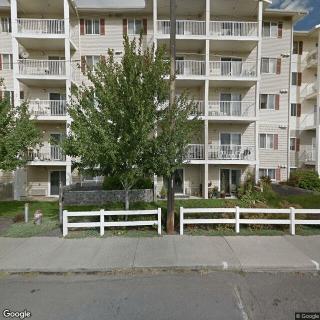
 When to Transition from Assisted Living to Memory Care: Key Indicators, Steps, and Finding the Right Community
 Assisted Living and Memory Care: Understanding Their Core Differences
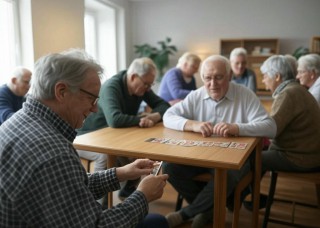 Beyond the Bingo Hall: 50+ Enriching Activities for Seniors in Assisted Living