
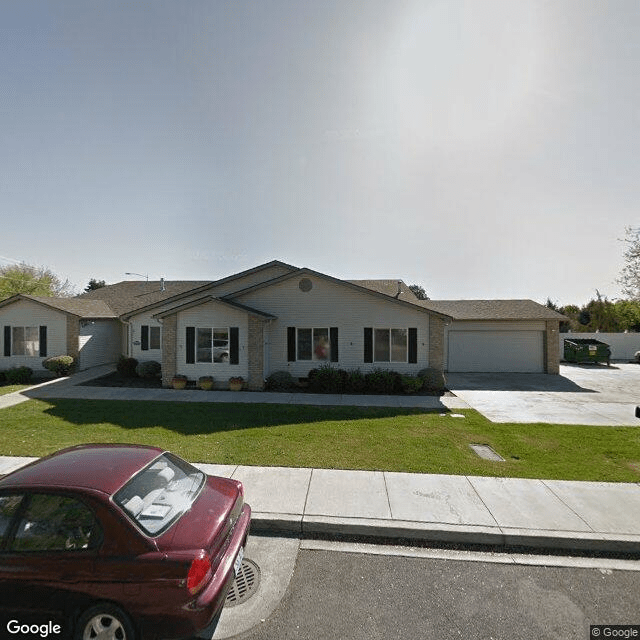
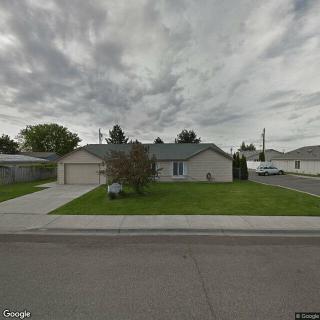
520 North Fisher Street, Kennewick, WA 99336
For more information about senior living options: (866) 208-4318
Rosetta Assisted Living - Fisher Costs & Pricing
At Rosetta Assisted Living - Fisher, the monthly cost for a one-bedroom unit is $4,200, positioning it competitively within the local market. This rate is slightly higher than the average cost in Benton County, which stands at $4,001, yet remains lower than the statewide average of $4,632 in Washington. This pricing structure reflects Rosetta's commitment to offering quality care and a supportive environment while still being mindful of budget considerations in comparison to both county and state averages. Residents can expect a nurturing atmosphere that emphasizes comfort and well-being alongside these costs.
| Floor plans | Rosetta Assisted Living - Fisher | Benton County | Washington |
|---|---|---|---|
| 1 Bedroom | $4,200 | $4,001 | $4,634 |
Memory care communities with a similar price nearby
-
from -$700 / mo
Careing Hands Adult Family Home
$3,500 to $5,000 / month3.8 miles away -
About the same
Rosetta Assisted Living Olympia
$4,200 / month1.6 miles away -
from -$700 / mo
A Part of Our Family
$3,500 / month1.2 miles away -
from -$600 / mo
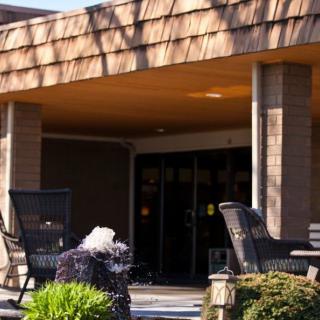
Tri-Cities Retirement Inn
$3,600 to $4,900 / month2.8 miles away -
About the same
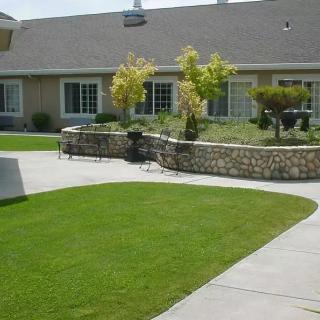
Callaway Gardens Alzheimer’s Special Care Center
$4,309 / month1.9 miles away
Overall Review of Rosetta Assisted Living - Fisher
Pros
 The staff at this assisted/memory care home are caring, understanding, and patient.
- Rosetta has great staff and care, with attentive and caring service.
- The caregivers consistently show thoughtful, compassionate attention to residents.
- The overall care experience reflects a dedicated and caring team.
Review
Rosetta Assisted Living - Fisher is best suited for families seeking a small, intimately run setting where memory-care and assisted-living duties are performed with exceptional warmth, consistency, and patience. In Kennewick, WA, this community earns top marks for the way staff members approach residents, with genuine care, steady attention, and a patient demeanor that helps both seniors and families feel at ease. The reviews collectively highlight a caring culture where understanding and kindness are the core operating principles, making it a compelling option for loved ones who thrive on predictable routines and dependable staff presence.
Those weighing Rosetta against other options should explicitly consider who may want alternatives. If a resident requires aggressive medical management, frequent nurse-initiated procedures, or highly active programming with extensive clinical oversight, other communities with larger medical teams or more robust rehab services may suit better. Families seeking a high degree of independence, a wide array of on-site amenities, or a campus with substantial breadth in services might also find some larger facilities more aligned with those preferences. This community’s strength lies in caregiver quality and a warm, attentive atmosphere rather than, say, high-intensity clinical infrastructure.
The strongest pros, principally the caring, understanding, and patient staff, directly offset potential concerns typical of smaller, memory-focused settings. When the day-to-day caregiving is consistently thoughtful and unhurried, residents experience less agitation, fewer safety worries, and more meaningful engagement. That translates to meaningful peace of mind for families who worry about neglect or rushed care. While the reviews do not surface concrete drawbacks, that absence of critique itself signals a positive alignment between resident needs and staff approach: safety, reliability, and emotional support are prioritized over simply ticking tasks. In practice, this means families can feel confident that a loved one will be treated with dignity and given steady, compassionate attention.
Culturally and operationally, Rosetta’s strength shows up as a quiet competency that supports daily life. The memory-care focus appears to inform a consistent routine, predictable scheduling, and a calm atmosphere, factors that reduce confusion and distress for residents navigating memory challenges. The environment implied by the praise is one where staff know residents well, respond with patience, and maintain a steady rhythm to days that can otherwise feel unsettled in memory-care settings. That cultural tone is often the deciding factor for families balancing safety with emotional well-being and social connectedness.
For families ready to move forward, practical steps should be taken to ensure the match extends beyond snapshots of praise. Schedule a tour and observe interactions between staff and residents across different times of day. Inquire about dementia-specific training, staff-to-resident ratios, and the daily programming tailored to memory care, including activities, outings, and cognitive-stimulation opportunities. Ask for a detailed care plan, an outline of included services, and a transparent pricing model that clarifies what is included versus what may incur extra charges. It’s also prudent to request sample menus, dining routines, and safety features that support memory-impaired residents.
Overall, Rosetta Assisted Living - Fisher stands out as a practical, compassionate choice for families prioritizing a nurturing caregiver culture and a calm, supportive environment for memory-care needs. It delivers on the most meaningful levers, trust, continuity, and gentle, attentive care, that families often seek when the decision centers on vulnerability and safety. If the resident’s profile aligns with a settings-first, people-first approach and a preference for steady, personalized care, Rosetta will likely meet and exceed expectations. If the priority shifts toward heavier medical oversight, advanced rehabilitative services, or a higher degree of independence, then exploring alternatives with stronger clinical capabilities or larger activity scopes may be warranted. The decision should hinge on the resident’s memory-care requirements, desired daily rhythm, and budget, with Rosetta acting as a powerful, low-stress option for those fit to thrive under a highly caring frontline team.
 16 resident community capacity
 Assisted Living
 Board and Care Home
 Memory Care
 Activities on-site
 Beautician on-site
 Cable or satellite TV
 Devotional services off-site
 Dining room
 Fully furnished
 Garden
 Housekeeping services
 Indoor common areas
 Move-in coordination
 Outdoor common areas
 Telephone
 Wheelchair accessible showers
 Wi-Fi/high-speed internet available
 Tri-Cities (4 miles away)
 24-hour supervision
 Ambulatory care
 Assistance with bathing
 Assistance with dressing
 Assistance with transfers
 Diabetes diet
 Diabetic care
 High acuity care
 Hospice waiver
 Meal preparation and service
 Medication management
 Mental wellness program
 Special dietary restrictions
 Transportation arrangement (medical)
 Transportation to doctors appointments
 Art classes
 BBQs or picnics
 Day trips and outings
 Live well programs
 Trivia games
 Wii bowling
 An In-Depth Look at Reminiscence Therapy in Dementia Care
 Dementia-Related Hallucinations: Causes, Experiences, and Practical Approaches
 Illuminating Insights About Alzheimer's Disease: Ten Crucial Realities