
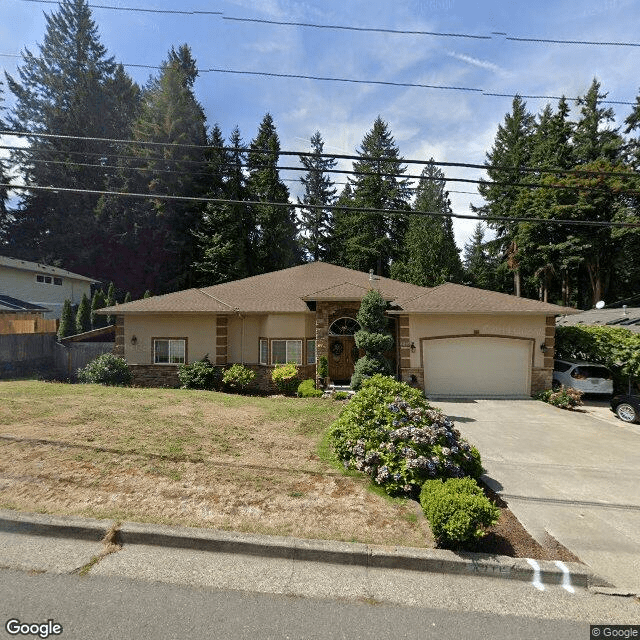
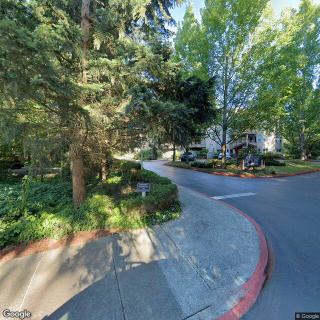
4215 164th Ave. SE, Issaquah, WA 98027
To contact a resident: (425) 562-2998
For more information about senior living options: (866) 208-4318
Ideal Residential Care Home, LPN Costs & Pricing
Ideal Residential Care Home offers competitive pricing for its services, particularly when compared to the broader market in King County and the state of Washington. For a semi-private room, residents can expect to pay $2,500 per month at Ideal Residential Care Home, significantly lower than the county average of $4,430 and the state average of $4,267. Similarly, for those opting for a private room, the monthly cost is $3,000 - again more affordable than King County's average of $5,034 and Washington's state average of $4,772. This makes Ideal Residential Care Home an attractive option for individuals seeking quality care without the burden of excessive costs.
| Floor plans | Ideal Residential Care Home, LPN | King County | Washington |
|---|---|---|---|
| Semi-Private | $2,500 | $4,430 | $4,272 |
| Private | $3,000 | $5,034 | $4,774 |
Senior living communities with a similar price nearby
-
from +$300 / mo
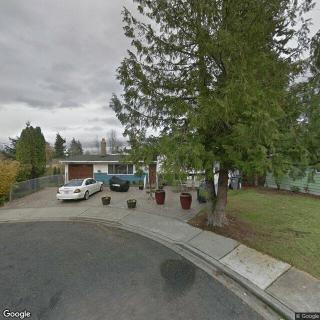
Gold Standard Care
$2,800 / month18.3 miles away -
from -$100 / mo
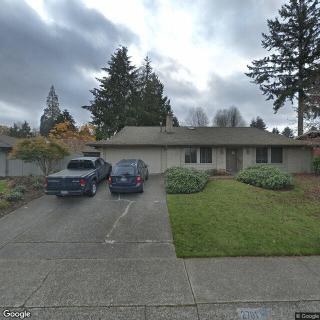
Twin Lakes AFH
$2,400 to $2,700 / month21.3 miles away -
About the same
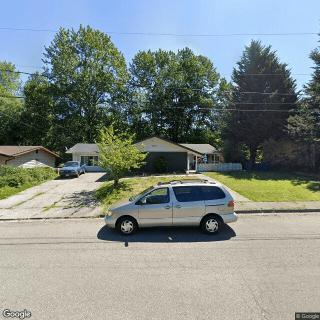
Freedom Care
$2,500 to $3,000 / month9.5 miles away -
About the same
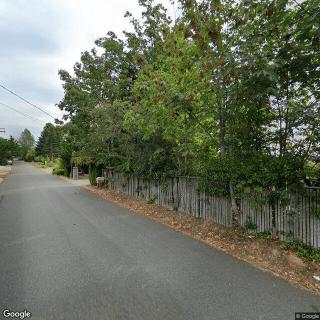
Emerald Valley Home Care
$2,500 to $3,000 / month9.4 miles away -
from +$75 / mo
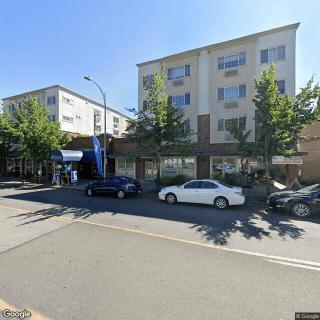
Admiral Heights
$2,575 to $2,975 / month12.3 miles away
Overall Review of Ideal Residential Care Home, LPN
Pros
 The IDEAL adult family homes are wonderful.
- Dorina and the staff are friendly and knowledgeable.
- The environment makes residents feel like part of the family.
Review
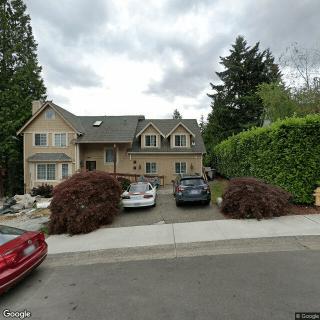
This community is best suited for seniors who want a home-like, intimate setting where care feels personal and residents are treated like family. Issaquah’s IDEAL Residential Care Home operates on a compact, family-run model, and that close-knit scale matters a great deal when daily routines feel warm, predictable, and genuinely attentive. For loved ones who thrive on steady, personable interaction and a sense that caregivers know them well, this setting delivers a level of comfort that larger facilities often struggle to replicate.
The strongest selling points are clear: Dorina and the staff come across as friendly and knowledgeable, and the family-business atmosphere makes residents seem truly integrated into daily life. The hands-on, family-centric approach translates into care that feels tailored rather than scripted, with staff who know each resident’s preferences and routines. That dynamic creates trust, reduces stress for both residents and families, and fosters a sense of belonging that can be hard to achieve in bigger operations. In short, the emotional climate here is a meaningful asset that often drives better daily quality of life.
Yet this is not a one-size-fits-all option. Families needing rigorous, hospital-grade medical oversight on site, or those seeking dementia-specific programming with a wide range of structured activities, should consider alternatives. Larger assisted living communities or dedicated memory-care campuses typically provide more formalized care pathways, a broader activity calendar, and access to a larger pool of on-site professionals. For residents with complex medical regimens or pronounced needs for round-the-clock nursing, the intimate setting may fall short of what is required.
That said, the main pros do a solid job of offsetting the likely limitations. The personal attention that comes with a small, family-run home translates into rapid responsiveness and highly individualized routines, something larger facilities often promise but struggle to deliver consistently. The presence of an LPN on site adds a layer of nursing support that can handle routine medications, health monitoring, and basic care needs without sacrificing the warmth of a home atmosphere. When needs are moderate and stability is the goal, these advantages often outweigh the absence of the more formal infrastructure found in bigger operations. If medical needs stay manageable, the model works exceptionally well.
For families evaluating options, practical diligence matters as much as sentiment. Prospective residents should arrange a detailed tour and observe how interactions unfold between staff and residents, how meals are prepared, and how care plans are documented and updated. Inquire about daily schedules, activity rhythms, and how families participate in decisions about care. Clarify staffing levels, hours, and what backup coverage looks like on nights and weekends. Finally, verify how emergencies are managed and what medical resources can be accessed beyond routine nursing tasks. The right fit emerges when these operational realities align with the loved one’s preferences and safety priorities.
Bottom line: Ideal Residential Care Home in Issaquah stands out for families that prize a warm, home-like culture, direct access to caregivers, and a sense of belonging within a family-run setting. It is less likely to satisfy those who require intensive medical management, highly regimented programming, or specialized dementia care from a larger care ecosystem. For decision-making, the recommended path is to visit both IDEAL homes, have frank conversations with Dorina and the care team, and compare how the care philosophy aligns with the resident’s needs, daily routine, and safety concerns. This approach cuts through ambiguity and reveals whether the intimate model will deliver the steady peace of mind sought by families.
 Board and Care Home
 Private
 Seattle-Tacoma International (12 miles away)


 Encouraging Participation in Adult Day Care: A Guide to Supporting a Hesitant Parent
 Comprehensive Exploration of Living Wills and Other Advance Directives
 A Detailed Exploration of Living Wills and Advance Directives