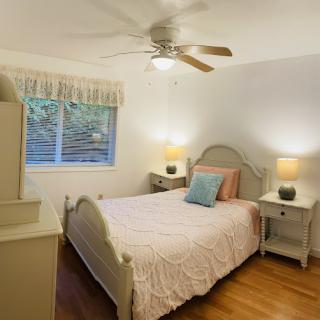
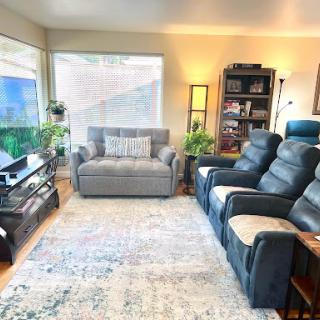
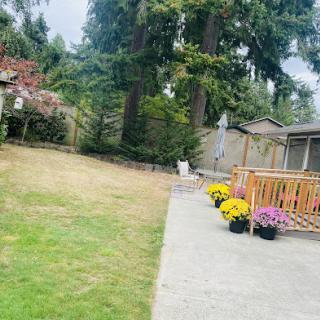
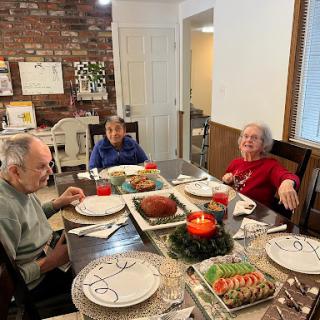
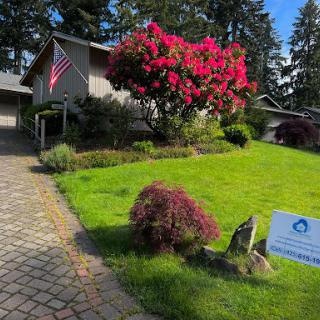

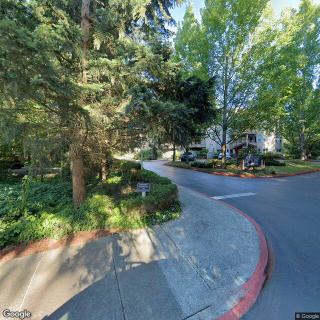
3848 165th Place SE, Bellevue, WA 98008
To contact a resident: (206) 730-5755
For more information about senior living options: (866) 208-4318
Best Choice Adult Family Care Home Costs & Pricing
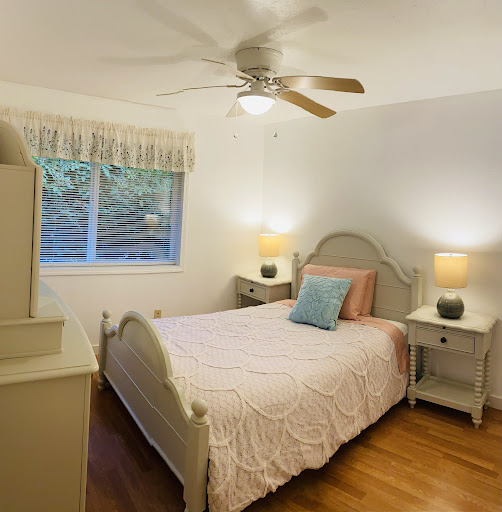
Best Choice Adult Family Care Home offers private room accommodations at a monthly cost of $6,500. In comparison to the broader context of King County, where the average cost for similar private rooms is approximately $5,034, Best Choice positions itself as a premium option for those seeking personalized care. Within the state of Washington, the average monthly rate for private rooms stands even lower at around $4,772. While Best Choice may be on the higher end of the pricing spectrum, it likely reflects a commitment to quality service and individualized attention that many families seek in an adult family care environment.
| Floor plans | Best Choice Adult Family Care Home | King County | Washington |
|---|---|---|---|
| Private | $6,500 | $5,034 | $4,774 |
Senior living communities with a similar price nearby
-
About the same

The Promised Land
$6,500 / month15.2 miles away -
from -$500 / mo

Home Away From Home LLC
$6,000 to $7,000 / month21.8 miles away -
About the same

The Park at Belle Harbour
$6,400 to $15,500 / month4.9 miles away -
from -$500 / mo

Elderly Home Care
$6,000 to $8,000 / month12.2 miles away -
from -$750 / mo

Fieldstone Rolling Bay and Fieldstone Memory Care
$5,750 to $8,895 / month18.8 miles away
Overall Review of Best Choice Adult Family Care Home
Pros
 The owner was friendly.
- The owner's friendliness stood out during the tour.
Cons
 The experience was only okay.
- There were teenagers working there with no professional caregiver help.
- Paid, trained staff who know what they are doing with the seniors were lacking.
- The arrangement wasn’t the right fit for the reviewer's father.
Review
Best Choice Adult Family Care Home in Bellevue is best suited for families seeking a small, home-like setting where the owner is directly involved and residents receive plenty of personal attention. In this model, the environment tends to feel less institutional and more intimate than larger campuses, which can help with easing transitions and preserving familiar routines. The positive takeaway is a personable, approachable leadership style that can translate into responsive, neighborly care. That said, the appeal rests on a delicate balance: the strength of a warm, unfussy atmosphere must be weighed against what may be a leaner, less formal caregiving structure.
Those who should seriously consider alternatives are families prioritizing consistently trained, professional care and 24/7 supervision. The review highlights a staffing approach that relies on teens rather than clearly licensed caregivers, raising legitimate concerns about medical oversight, medication handling, and emergency readiness. For seniors with significant medical needs, cognitive impairment, or mobility challenges that require ongoing skilled support, a setting with licensed staff, routine supervision by a qualified administrator, and formal caregiver training is typically more reliable. In Bellevue, that usually means exploring other licensed options with documented staffing protocols.
The primary pro, the owner’s friendliness and the homey atmosphere, offers tangible benefits, especially for residents who respond well to personal warmth and straightforward routines. When staff are visible and the daily rhythm is predictable, worry about social isolation can lessen, and families often feel they can drop in without rigid visitation barriers. Yet these positives do not fully offset the central drawback identified in the tour: the absence of professional caregivers on a consistent, trained basis. Personal warmth can ease adjustment, but it cannot substitute for trained medical oversight or standardized care protocols.
To determine whether the positives can truly compensate for the shortcomings, a focused due-diligence process is essential. Families should demand clear answers about staffing: who is on site at all times, the exact ratio of residents to caregivers, and how much of the daily care tasks fall to teens versus licensed staff or supervisors. Request concrete training credentials, background checks, and the existence of any supervising clinician or nurse consultant. Clarify medication management, chronic condition support, emergency procedures, and what happens when a caregiver is unavailable. Without robust supervision and trained personnel, even a welcoming setting can fall short on safety and reliability.
During a tour, practical signals matter. Look for consistent presence of trained staff, clean and organized living spaces, and a meal and activity plan that suits the resident’s preferences. Observe whether the owner remains accessible but also whether other capable staff are visible and involved in daily operations. Seek candid references and, if possible, speak with current residents or their families about changes over time. Probe the financial terms, contract specifics, and policies for staffing changes, fee increases, and care plan updates. In short, verify that warmth is paired with dependable, professional care processes.
Bottom line: Best Choice Adult Family Care Home may serve well for families seeking a small, intimate, owner-led setting with a warm personal touch, particularly if the senior’s care needs are modest and the family values a homelike atmosphere. However, for those with substantial care requirements or a strong expectation of professional, consistent staffing, alternatives should be seriously considered. The decisive move is to ask hard questions about who delivers care, how staff are trained, and how supervision is maintained day to day. If a tour reveals clear, trained oversight, transparent routines, and a strong alignment with the senior’s preferences, the option warrants serious consideration; if not, steer toward facilities with more robust caregiving structures and documented licensing that safeguard ongoing medical and daily living needs.
 Board and Care Home
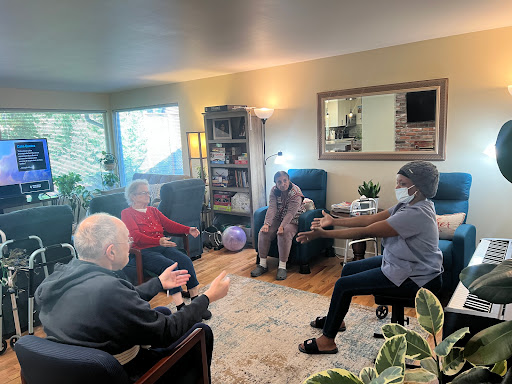
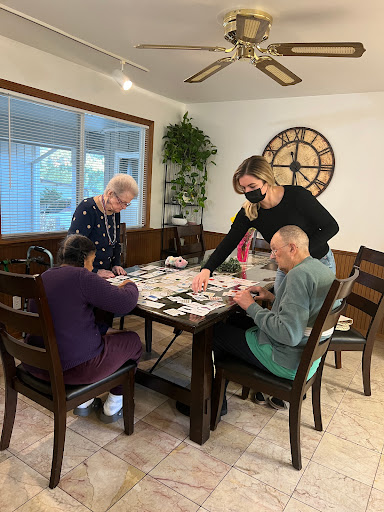
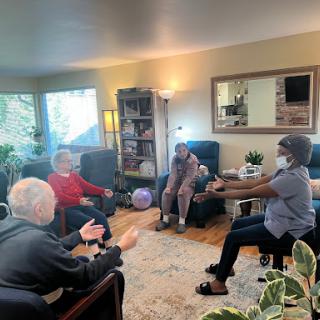
 Activities on-site
 Devotional services on-site
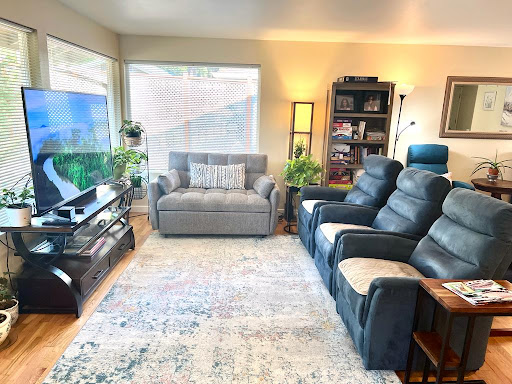
 Indoor common areas
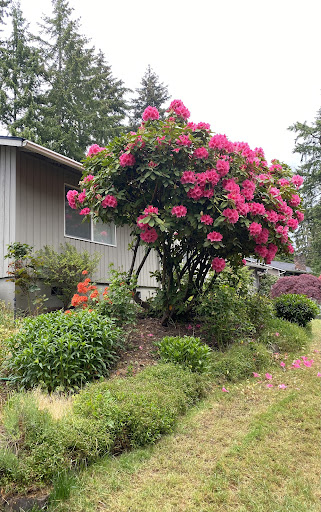
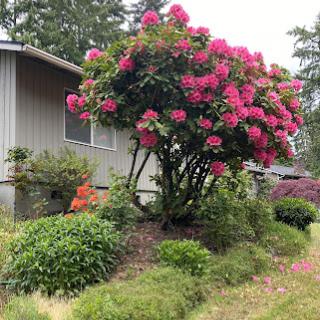
 Outdoor common areas
 Private
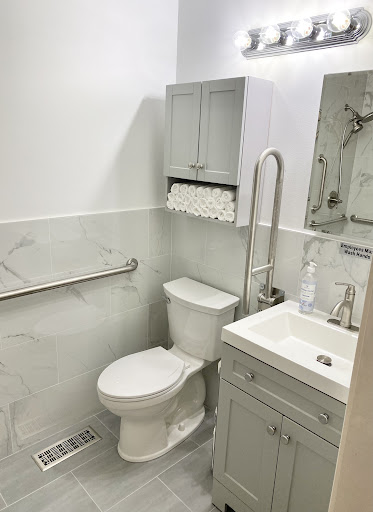
 Private bathrooms
 Respite or short term stays offered
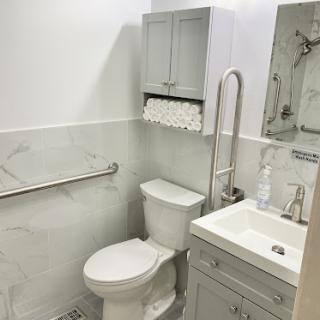
 Wheelchair accessible showers
 Seattle-Tacoma International (12 miles away)
 Diabetic care
 High acuity care
 Incontinence care
 Medication management
 Kosher





 Managing Nursing Home Expenses After Medicare Coverage Ends
 Is a Geriatric Care Manager the Right Choice for Your Family?
 Compassionate Conversations: How to Comfort Someone Who Is Grieving