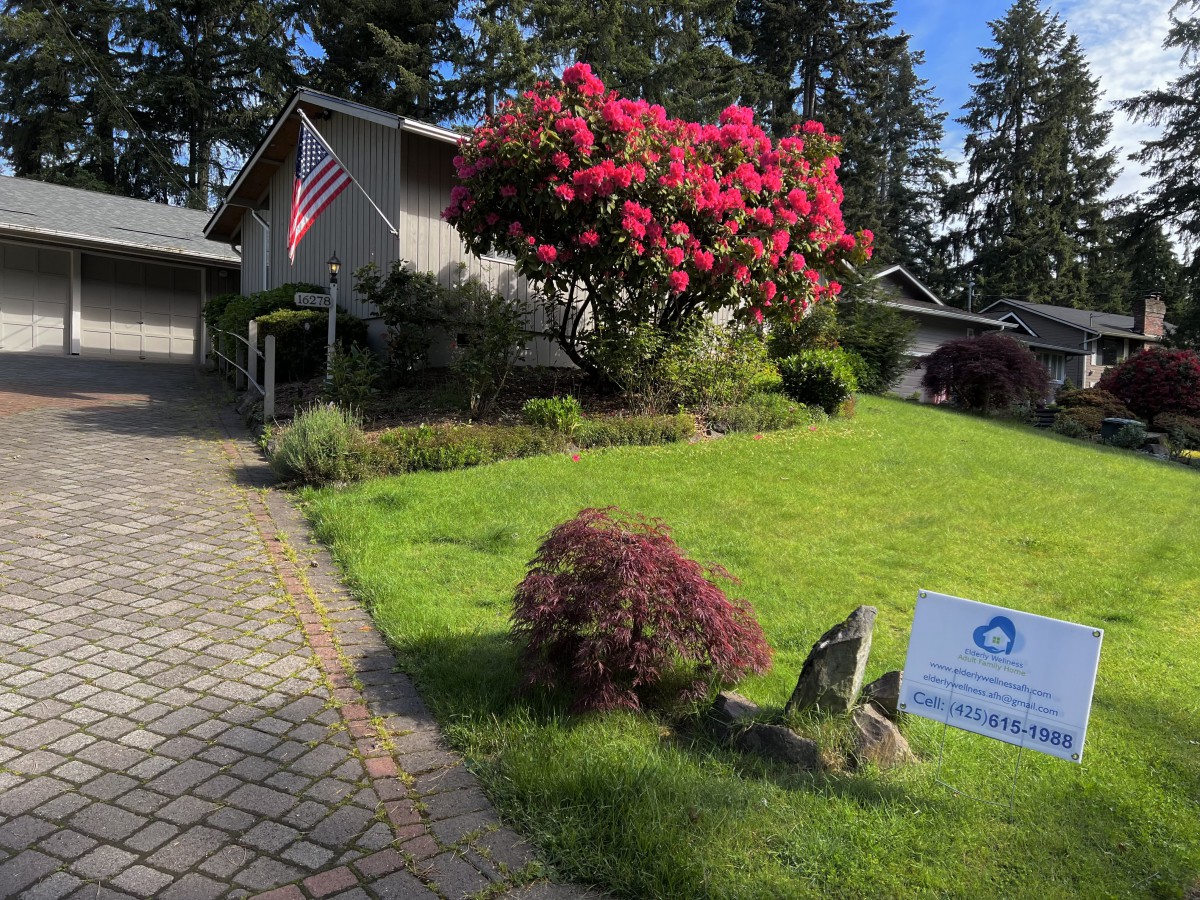

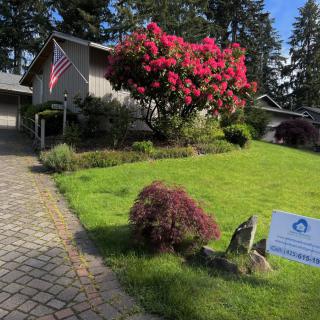
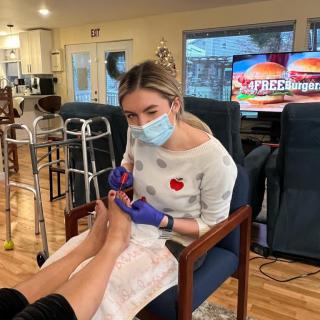
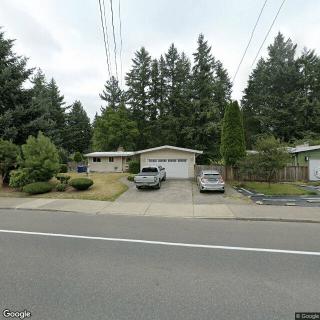
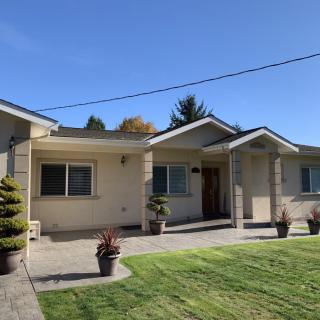
16278 SE 31st St, Bellevue, WA 98008
To contact a resident: (425) 615-1988
For more information about senior living options: (866) 208-4318
Elderly Wellness LLC Costs & Pricing
Elderly Wellness LLC offers competitive pricing for its private and one-bedroom accommodations, with both room types priced at $6,500 per month. This rate exceeds the average costs in King County, where private rooms are approximately $5,034 and one-bedroom units are around $5,127. Comparatively, the state of Washington presents even lower averages, with private rooms costing about $4,772 and one-bedrooms at $4,632. While Elderly Wellness LLC's rates may be higher than local and state averages, they reflect a commitment to providing unparalleled care and services tailored specifically for elderly residents. This investment in quality may resonate with families seeking exceptional support for their loved ones in a nurturing environment.
| Floor plans | Elderly Wellness LLC | King County | Washington |
|---|---|---|---|
| Private | $6,500 | $5,034 | $4,774 |
| 1 Bedroom | $6,500 | $5,127 | $4,634 |
Memory care communities with a similar price nearby
-
About the same
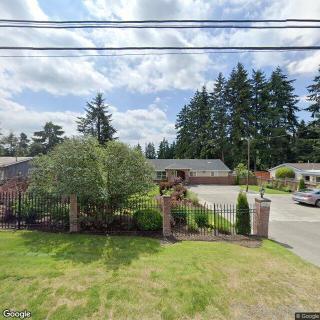
The Promised Land
$6,500 / month14.7 miles away -
from -$500 / mo
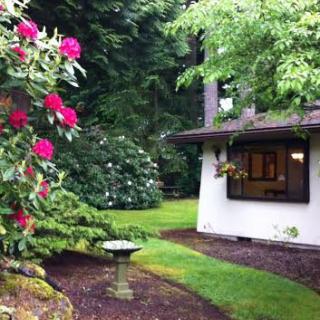
Home Away From Home LLC
$6,000 to $7,000 / month21.3 miles away -
from -$500 / mo
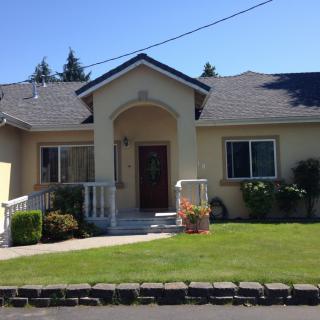
Elderly Home Care
$6,000 to $8,000 / month11.6 miles away -
from -$750 / mo

Fieldstone Rolling Bay and Fieldstone Memory Care
$5,750 to $8,895 / month18.5 miles away -
from -$1000 / mo

Twin Lake Adult Family Home
$5,500 to $6,500 / month22.5 miles away
Overall Review of Elderly Wellness LLC
Pros
 Elderly Wellness AFH provides exceptional care that helps residents thrive.
- Carmen and her team are patient, compassionate, and thorough, making residents feel at home.
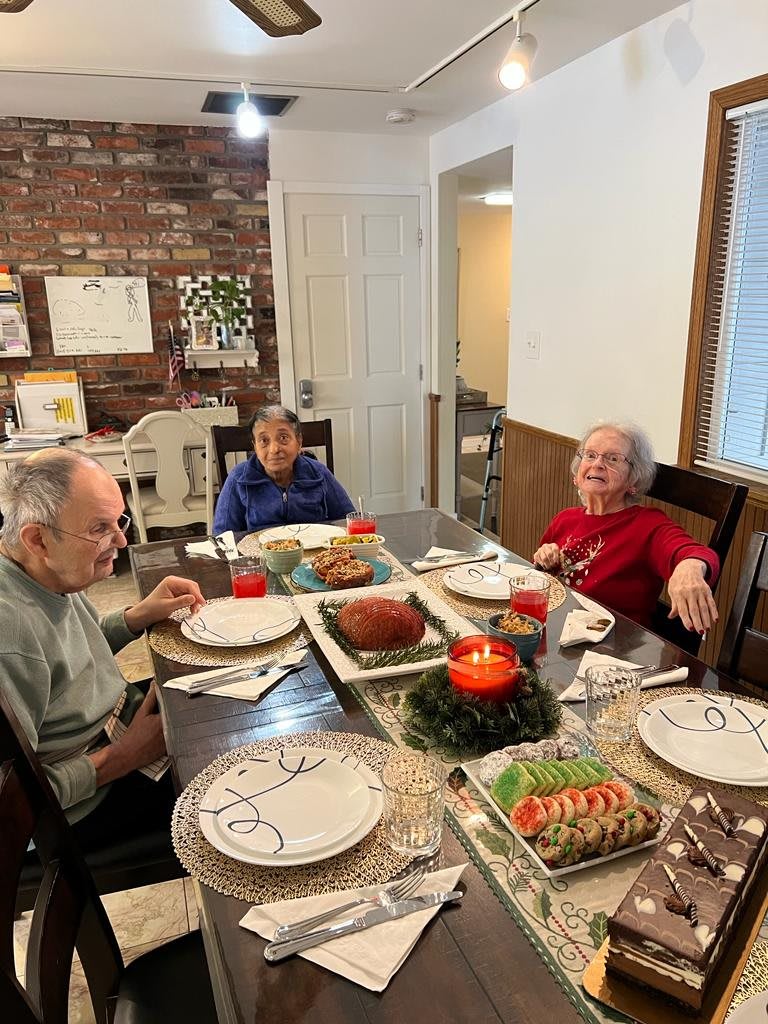
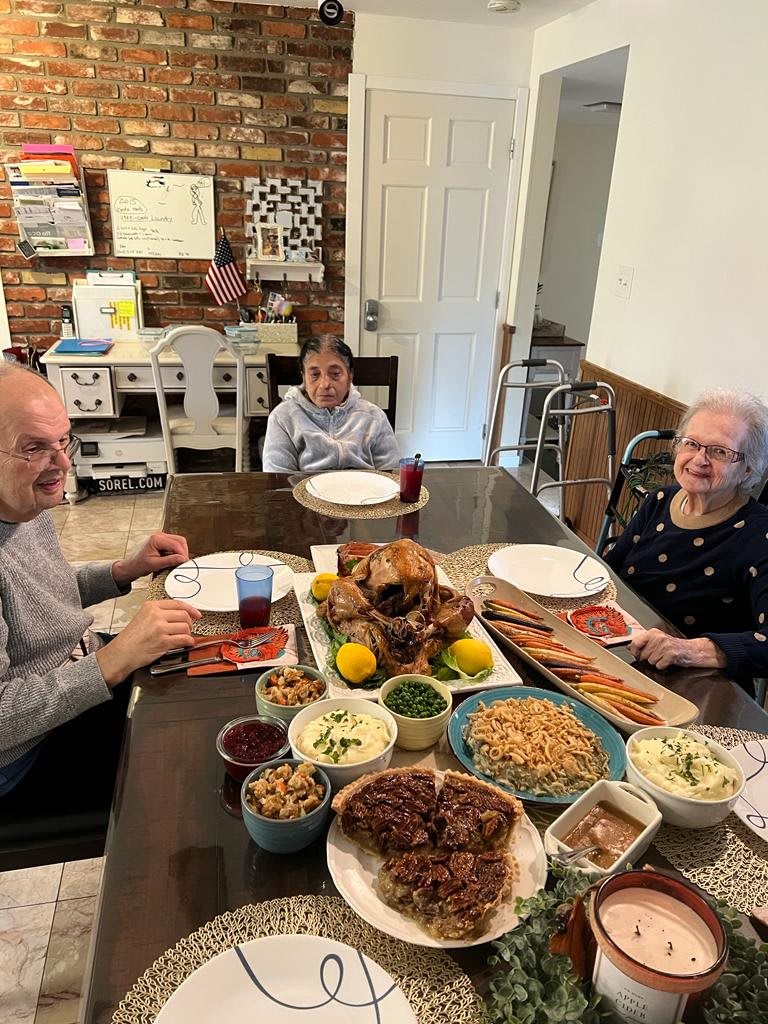
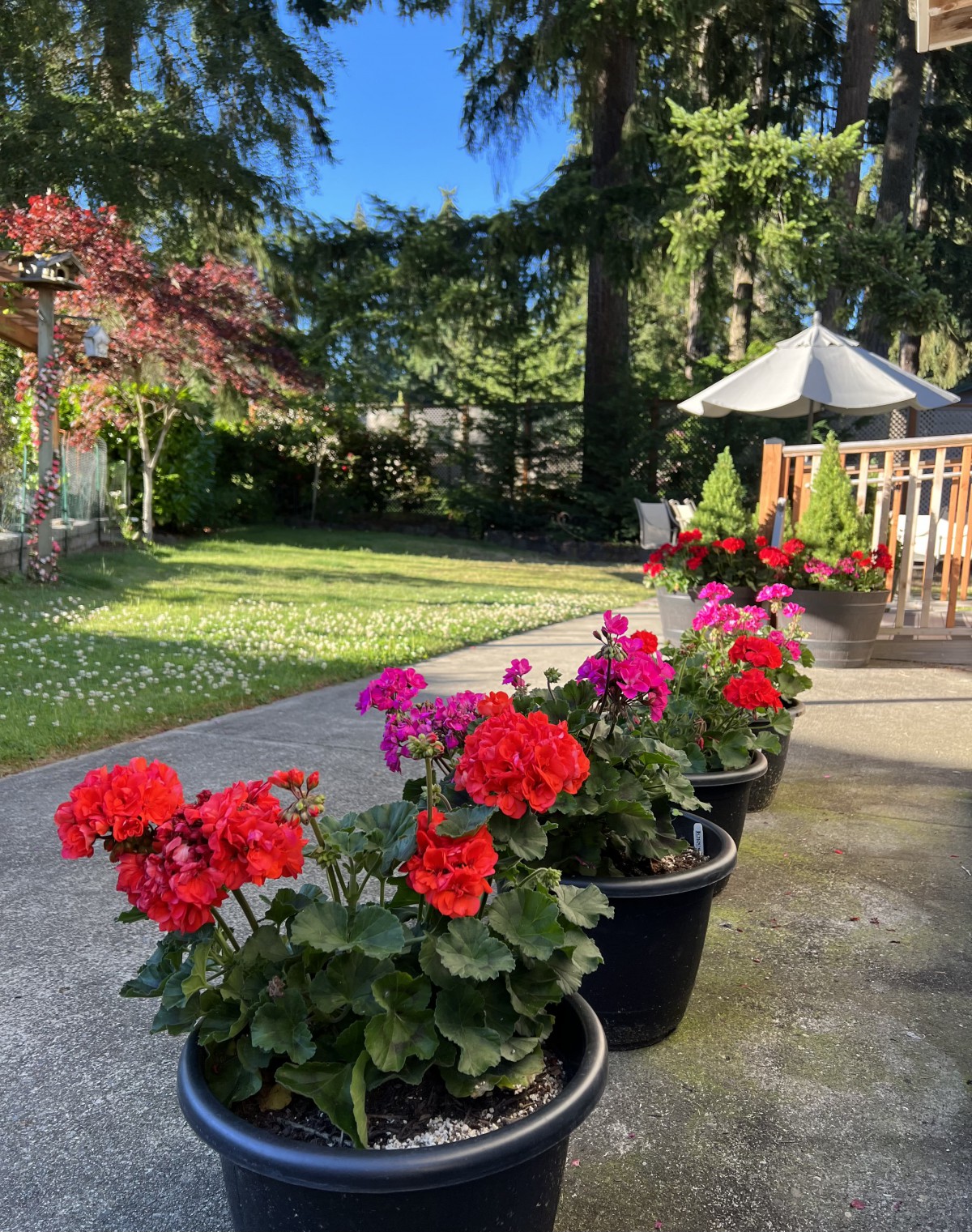
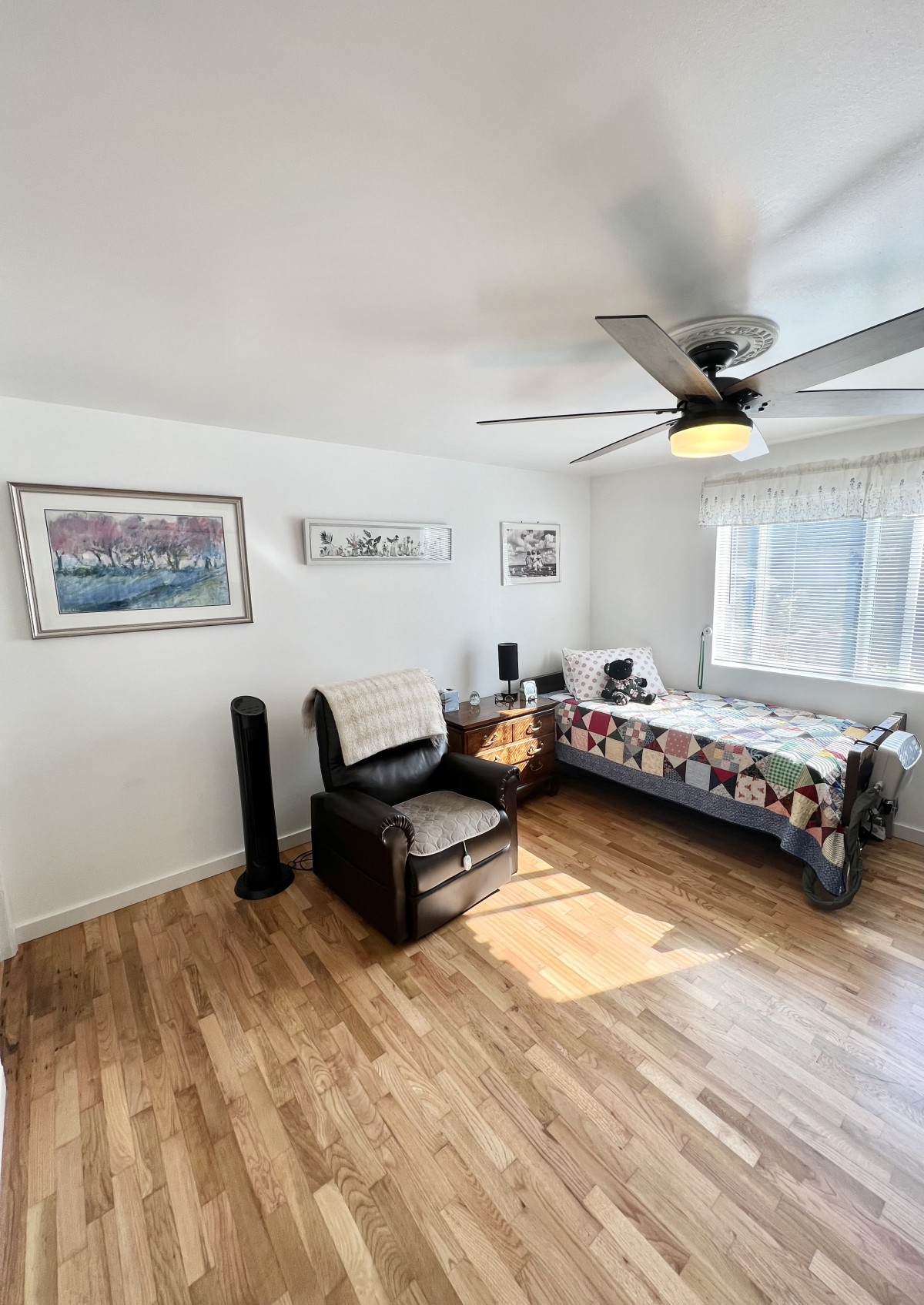
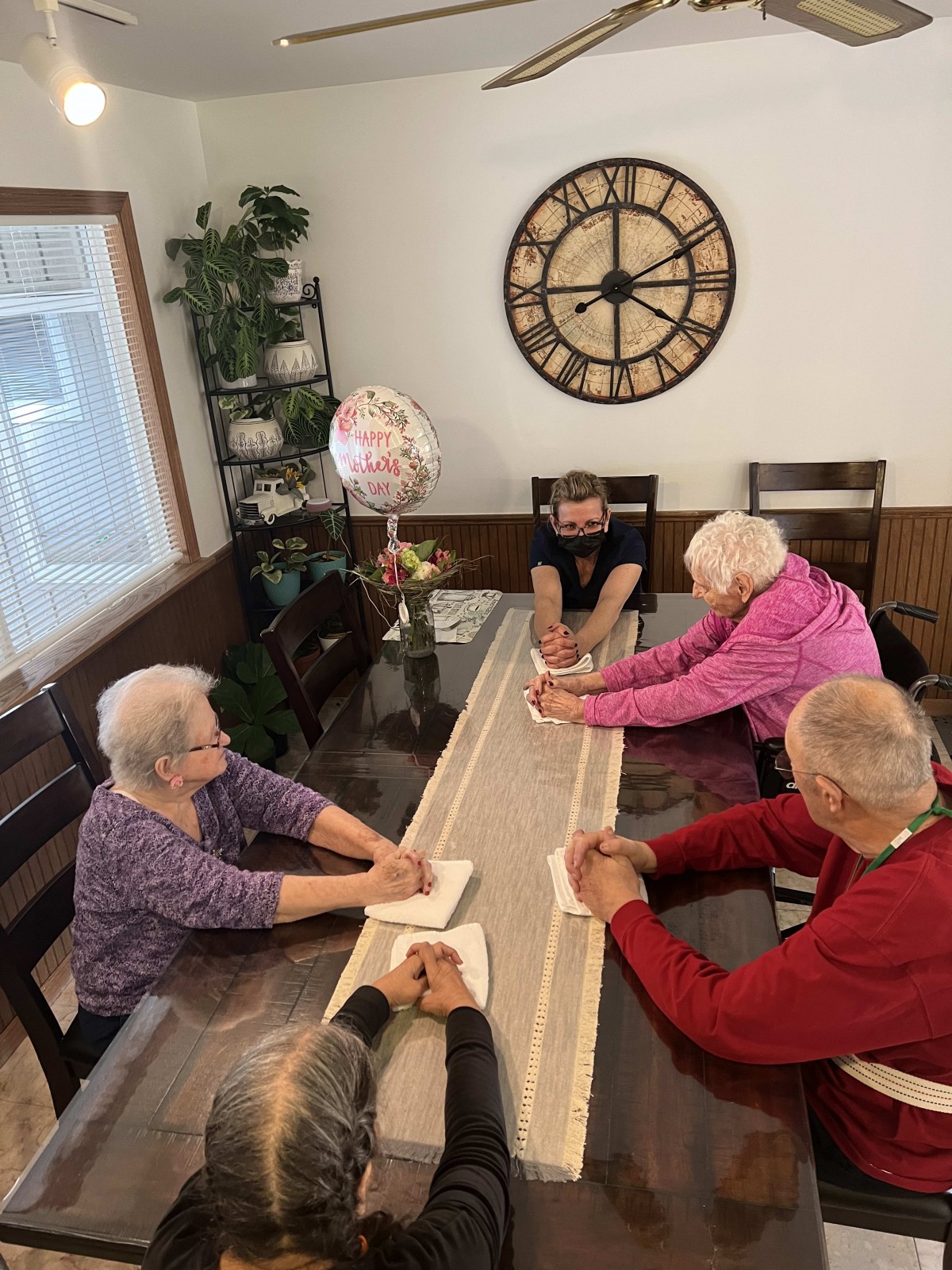
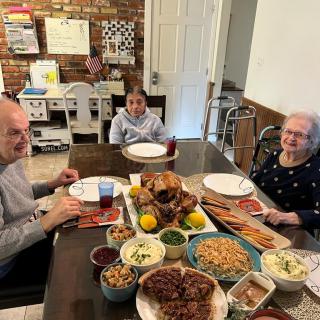
- The home is warm, welcoming, and well maintained, with celebrations and activities that residents enjoy.
- Meals are tailored to residents’ preferences, reflecting thoughtful attention to individuality.
- Families feel grateful and confidently recommend Elderly Wellness for elder care.
- The staff coordinate with health care professionals as needed to support residents’ physical needs.
- Carmen’s generous and kind-hearted approach is evident in every aspect of the home.
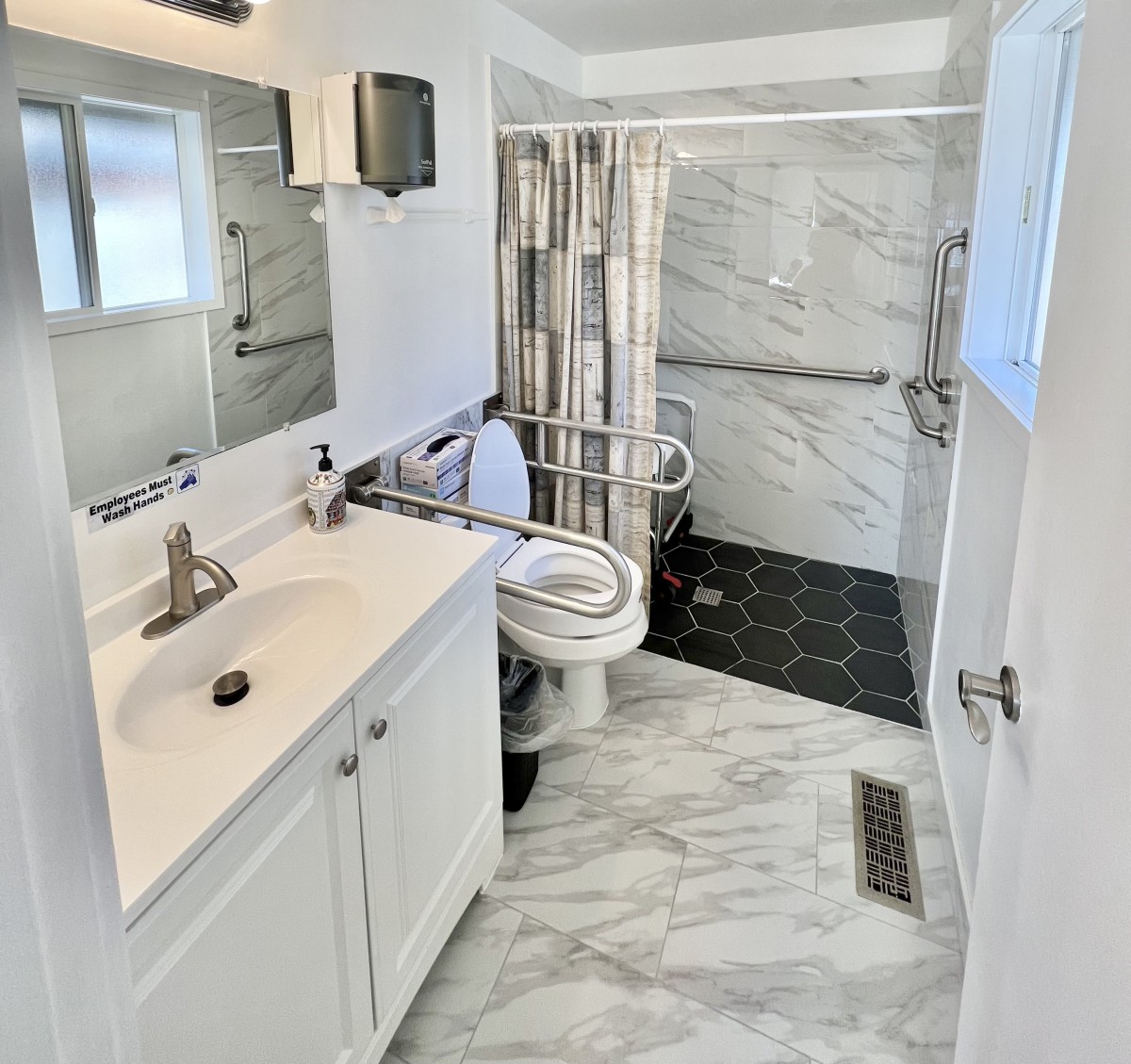
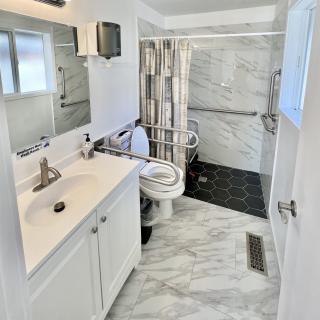
- The environment is comfortable and clean, contributing to a high level of care.
Review
Elderly Wellness LLC in Bellevue is best suited for families seeking a warm, home-like assisted living experience where care feels deeply personalized and residents are treated as family. This community thrives when a senior’s daily life is shaped by attentive caregivers who know preferences, histories, and routines, especially for residents with memory care needs or those who appreciate individualized meal planning, celebration of holidays and milestones, and ongoing social engagement in a intimate setting. It is a practical fit for families valuing consistent warmth, visible compassion, and highly communicative staff who invite family participation in care decisions.
Those who may want to consider alternatives include families whose loved one requires a larger campus with a broader medical support network, more on-site clinical staff, or more structured programming across multiple activity tracks. A setting with stronger on-site medical infrastructure, readily available specialists, or a memory-care unit with formalized protocols might be preferable for residents with very high acuity or complex medical schedules. For families needing broad, campus-wide amenities or a facility with scalable staffing to accommodate rapid changes in care intensity, exploring other options could be a prudent step.
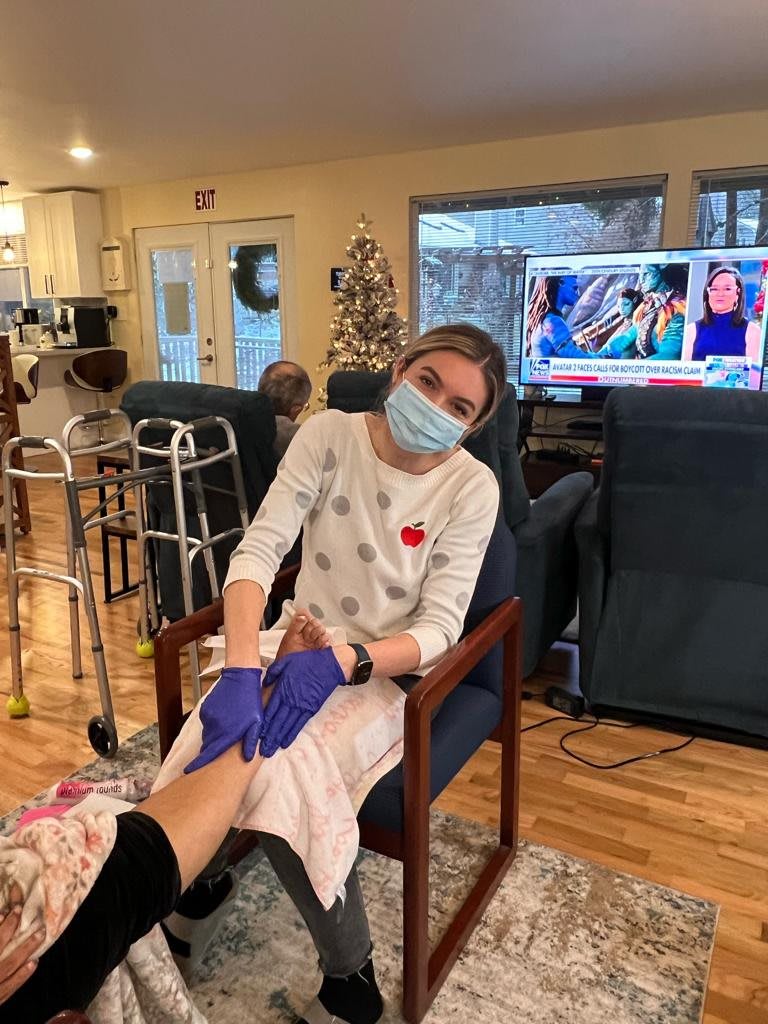
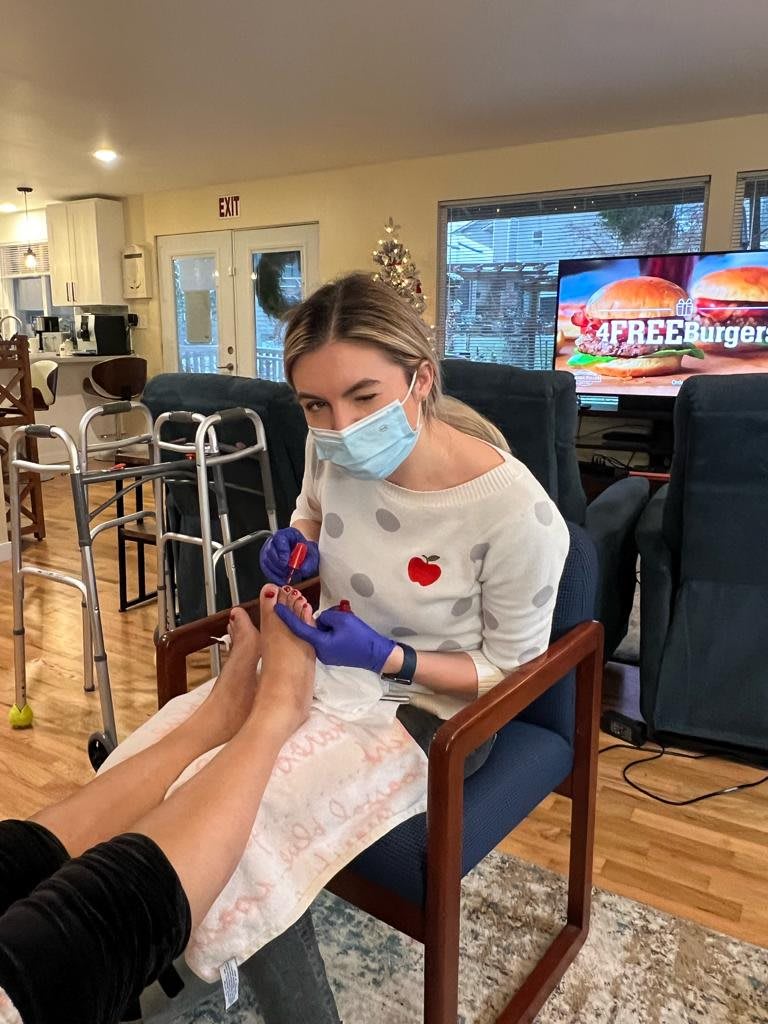
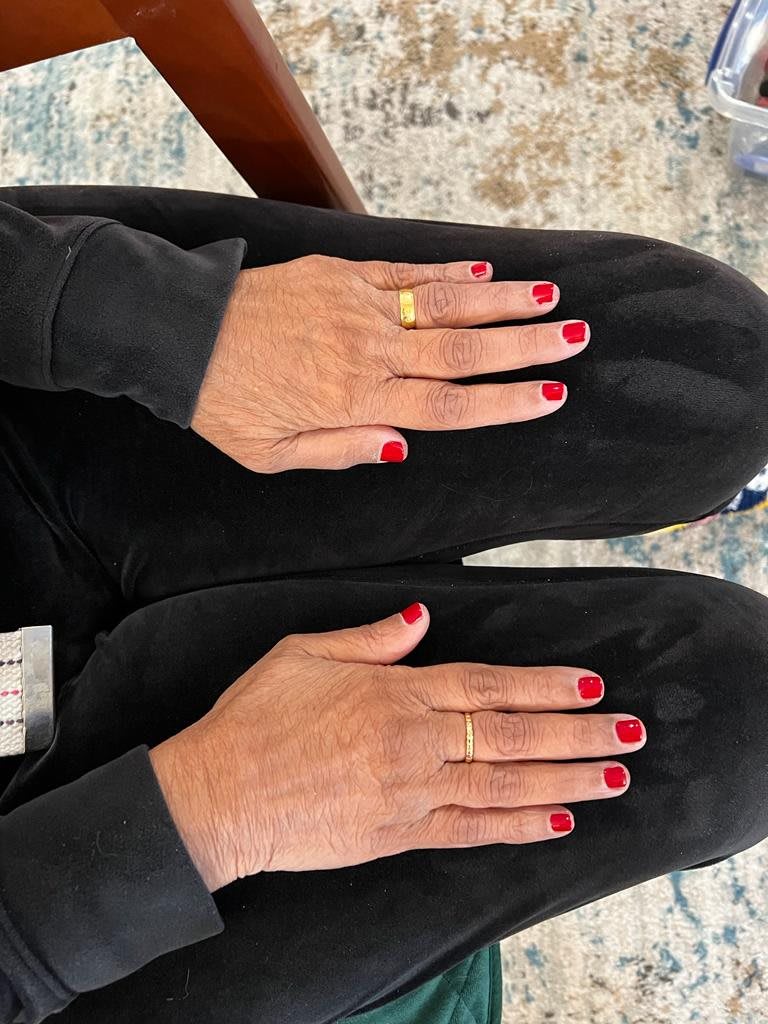
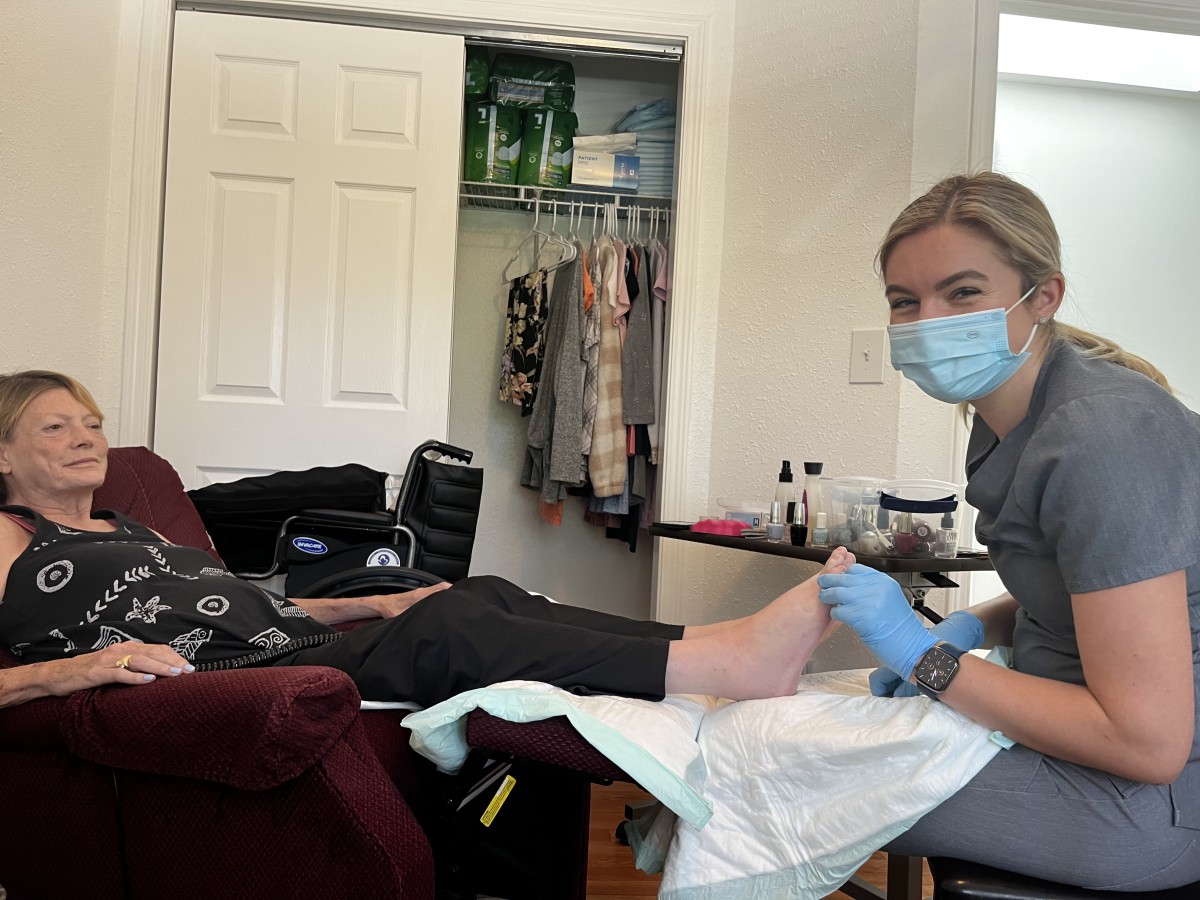
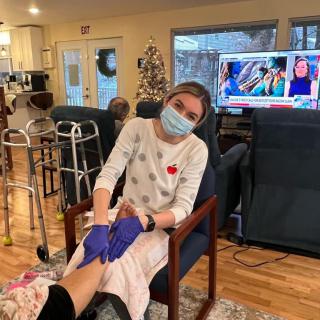
The strongest advantages here are the human connections and the responsiveness of the caregiving team. Reviews consistently describe a warm, welcoming household atmosphere where staff tailor care to each resident’s likes and history, prepare meals that suit individual palates, and celebrate life’s moments with residents and their families. This level of personalized attention translates into meaningful daily satisfaction for residents who may feel anxious in unfamiliar settings. The milieu is clean, comfortable, and homelike, with regular touches, music for entertainment, birthdays, and even mani-pedis, that reinforce dignity and pleasure in daily living. When family members see consistent emotional warmth paired with practical care, the risk of social isolation and medication missteps drops noticeably.
These benefits offset potential downsides that naturally accompany a smaller, family-operated model. While a compact setting may offer less in the way of large-scale programming or on-call specialists, the intimate structure fosters steady routines, clear communication, and quicker adjustments to preferences or changes in health. Families emphasize that caregivers are not only technically capable but also emotionally invested, which reduces the stress of long-distance care management. The trade-off, less tiered medical infrastructure and a more private, home-like environment, appears to be a favorable exchange for residents who prioritize trust, personal recognition, and a sense of belonging over access to a sprawling activity calendar or hospital-style amenities.
Family involvement and transparency emerge as standout features that further tilt the balance in favor of Elderly Wellness. Care teams routinely communicate about the resident’s day-to-day status and health needs, and they invite families into the care conversation with warmth and practicality. This approach delivers peace of mind for relatives who want to stay connected and informed without chasing updates across disparate providers. For caregivers, the ability to rely on a consistent, respectful team that remembers personal anecdotes and preferences creates a collaborative care partnership rather than a transactional arrangement. Such alignment between caregivers and families often translates into smoother transitions, fewer behavioral or emotional challenges for residents, and a more predictable caregiving rhythm.
In deciding whether Elderly Wellness is the right match, the central question is whether a resident’s needs align with a small, deeply personal care home that prioritizes compassion and daily livability over broad clinical resources. Families with loved ones who respond to individualized attention, social warmth, and attentive meal planning will find compelling value here. Those who anticipate frequent hospital-level interventions, require continuous on-site medical governance, or desire a campus with extensive recreational facilities may want to benchmark against alternatives that deliver more extensive clinical capabilities. The prudent path is a guided visit, observe caregiver interactions, discuss care planning for memory concerns, ask about staff-to-resident ratios, and probe how medical coordination is handled with external providers. If these checks align, Elderly Wellness offers a compelling, practical choice grounded in trusted, hands-on care.
 Board and Care Home
 Memory Care
 Private
 Seattle-Tacoma International (13 miles away)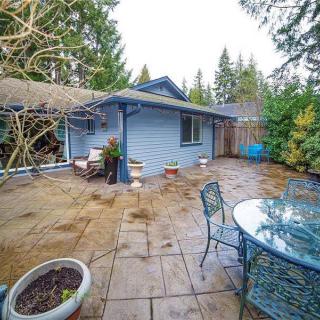
 22 Remarkable Caregiver Support Groups Available Online and In-Person
 Understanding Medicaid Coverage for Assisted Living: A Comprehensive Guide
 How and When Medicaid May Cover Assisted Living Costs