
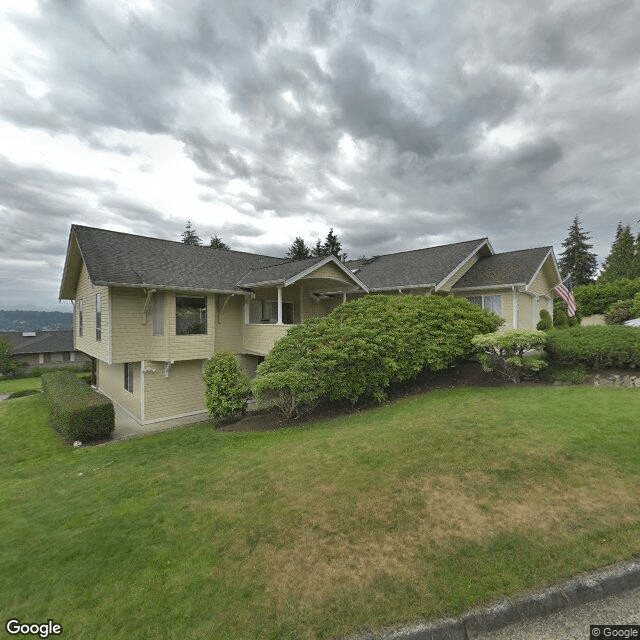
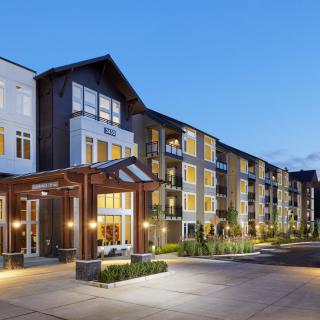
16655 SE 26th pl., Bellevue, WA 98008
To contact a resident: (425) 922-8079
For more information about senior living options: (866) 208-4318
Grace Alzheimer's AFH Costs & Pricing
Grace Alzheimer's AFH presents a unique pricing structure that reflects its specialized care for individuals with Alzheimer's disease. For both private and studio room types, the cost is set at $10,000 per month, significantly higher than the average costs in King County and across Washington state. In comparison, King County averages approximately $5,034 for a private room and $4,464 for a studio unit, while state averages are slightly lower at about $4,772 and $4,126 respectively. This premium can be attributed to the tailored support and enhanced quality of life offered to residents facing the challenges of dementia-related conditions. Grace Alzheimer's AFH prioritizes individualized care and a safe environment designed specifically for those living with cognitive impairments, making it an invaluable option for families seeking specialized assistance.
| Floor plans | Grace Alzheimer's AFH | King County | Washington |
|---|---|---|---|
| Private | $10,000 | $5,034 | $4,774 |
| Studio | $10,000 | $4,464 | $4,128 |
Memory care communities with a similar price nearby
-
from -$1500 / mo

Richmond Senior Care
$8,500 / month16.0 miles away -
from -$1600 / mo
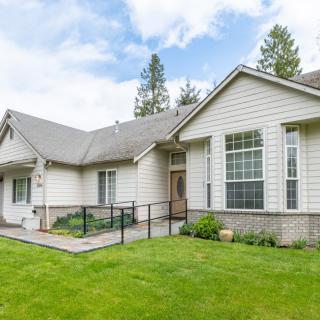
Lakota Hills Senior Care
$8,400 / month21.2 miles away -
from -$1500 / mo
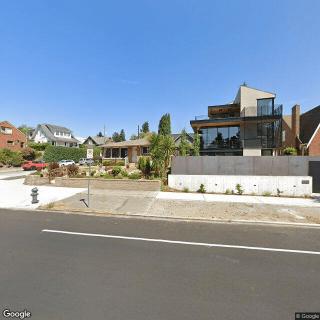
Evergreen Park AFH - Greenlake
$8,500 to $9,000 / month12.0 miles away -
from -$1500 / mo
Sunrise Senior Care
$8,500 / month14.9 miles away -
from -$1100 / mo
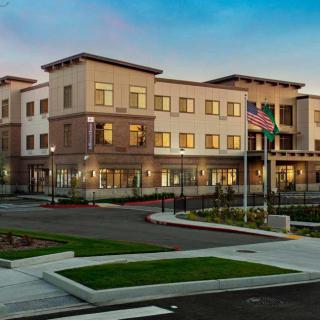
Jefferson House
$8,900 to $19,000 / month9.2 miles away
Overall Review of Grace Alzheimer's AFH
Pros
 The home is lovely, homey, and clean.
- The staff have done an amazing job here.
- The loved one is very well taken care of.
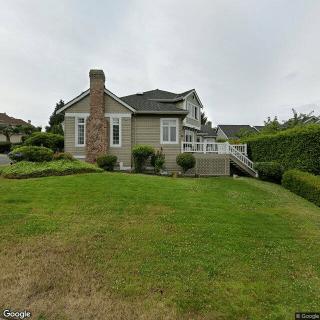
- The home itself is beautiful.
- The staff have become part of the family and are people the family will stay in touch with even after the loved one passes.
Cons
 None detected.
Review
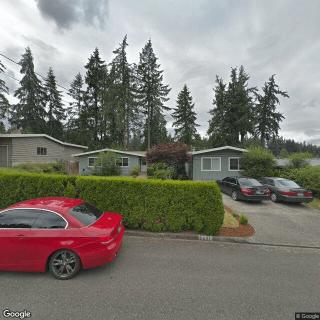
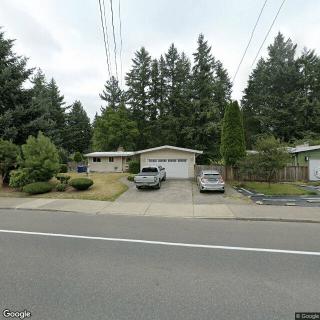
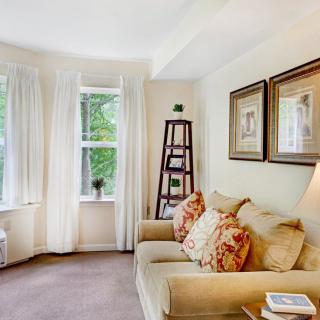
Grace Alzheimer's AFH in Bellevue, Washington is best suited for families seeking a small, home-like memory-care option where a loved one with Alzheimer's can thrive in a warm, residential setting. It targets residents who value intimate, caregiver-driven routines, stable staffing, and a sense of belonging where the staff effectively become part of the family. For families prioritizing a calm, livable environment with clean, beautiful surroundings and a genuine sense of daily life, this community delivers care that feels more like a respected relative’s home than a sterile institution.
Those whose loved one requires more structured medical oversight, frequent physician input, or broader on-site programming may want to explore larger memory-care communities or skilled-nursing facilities. If frequent changes in condition are anticipated, or if access to intensive therapies and highly varied activities is essential, the Bellevue option may not align with those needs. The choice becomes a question of whether the strongest value lies in intimate attention and homelike comfort versus formal, hospital-like resources.
The strongest pros are clear and impactful: the homey, clean environment immediately reduces clinical tension and creates a sense of safety every day. The home itself feels beautiful and lived-in, which matters for residents who thrive on familiar surroundings and routine. Staff are described as amazing, delivering vigilant, compassionate care that often extends beyond routine duties. The strongest keeping-power is the sense that caregivers truly become part of the family, ensuring consistent, trust-filled relationships that families rely on, sometimes for years. The emotional security from that bond translates into calmer days for residents and more open lines of communication with relatives.
These advantages, however, exist in a trade-off with typical constraints of a smaller, Alzheimer’s-focused home. The setting may not offer the same breadth of medical resources, formal activity programming, or on-site specialists found in larger facilities. Yet the intimate staffing model can offset these gaps by enabling highly personalized attention, near-constant supervision, and rapid, transparent updates to families. In practice, the result is less bustle and more predictability, which reduces confusion and agitation for many residents even when clinical needs are present.
Decision-making for families should hinge on a practical assessment of priorities. If the goal is a tranquil, clinically gentle environment with fierce loyalty from caregivers, Grace Alzheimer’s AFH delivers exceptional alignment. Prospective residents should inquire about caregiver-to-resident ratios, shift coverage, and ongoing staff training specific to Alzheimer’s behaviors. Confirm how care plans are developed and updated, how emergencies are managed, and the cadence of family communication. Ask what medical professionals visit onsite, how medication management is handled, and what routine therapies or activities are realistically offered in a home setting.
In sum, Grace Alzheimer’s AFH stands out as a superb choice for families who prize a warm, home-like atmosphere, where care feels personal, consistent, and deeply relational. It is ideally matched to residents who thrive on intimate attention, stability, and a sense of belonging, with caregivers who function as trusted extended family. Those seeking expansive clinical resources, highly structured daily programming, or aggressive medical oversight should consider alternatives; for many Bellevue families, the trade-off is worthwhile because the daily experience centers on dignity, comfort, and enduring connection.
 Board and Care Home
 Memory Care
 Activities on-site
 Air-conditioning
 Beautician on-site
 Cable or satellite TV
 Devotional services on-site
 Ground floor units
 Indoor common areas
 Outdoor common areas
 Private
 Private bathrooms
 Wheelchair accessible showers
 Wi-Fi/high-speed internet available
 Seattle-Tacoma International (13 miles away)
 Diabetic care
 High acuity care
 Incontinence care
 Medication management
 Anytime dining
 Art classes
 Birthday parties
 Day trips and outings
 Live musical performances
 Stretching classes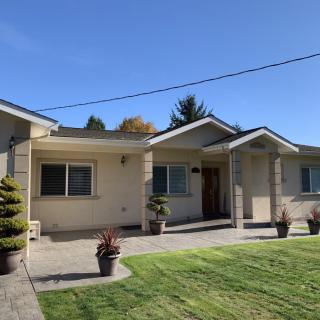
 Estimating the Expenses of At-Home Dementia Care: A Detailed Exploration
 Comprehensive Insights on the Late Stages of Dementia: What to Expect and How to Provide Care
 Medications Associated with Dementia Risk: A Comprehensive Overview