
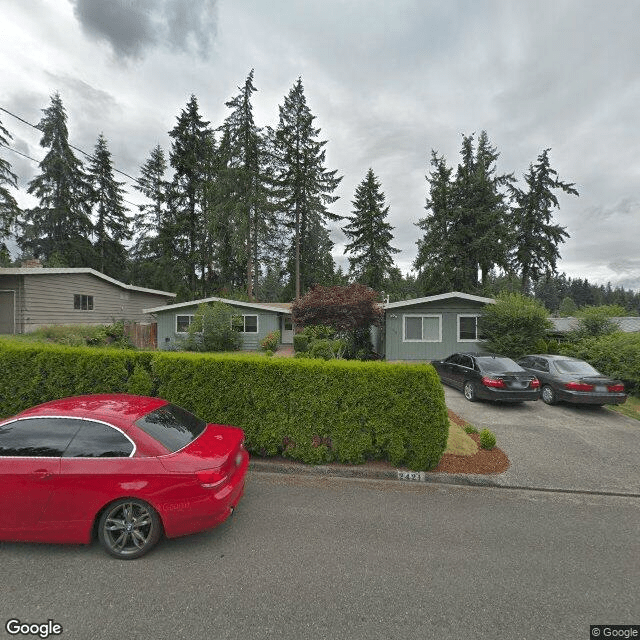
2421 159th Avenue Southeast, Bellevue, WA 98008
To contact a resident: (425) 445-9575
For more information about senior living options: (866) 208-4318
GRECU Point AFH Costs & Pricing
At GRECU Point Adult Family Home (AFH), the cost structure is notably competitive within the context of King County and the broader Washington state market. For both private and semi-private room types, GRECU Point AFH offers a monthly fee of $4,000, which is significantly lower than the average costs in King County - $5,034 for a private room and $4,430 for a semi-private room. Even compared to state averages of $4,772 for private and $4,267 for semi-private accommodations, GRECU Point AFH provides a compelling value proposition. This pricing reflects not only affordability but also a commitment to delivering quality care in a welcoming environment.
| Floor plans | GRECU Point AFH | King County | Washington |
|---|---|---|---|
| Private | $4,000 | $5,034 | $4,774 |
| Semi-Private | $4,000 | $4,430 | $4,272 |
Senior living communities with a similar price nearby
-
from -$500 / mo
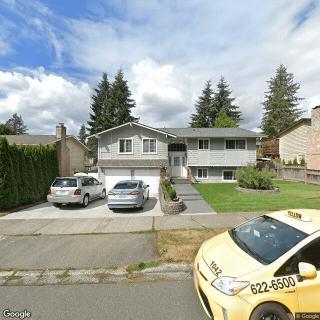
Dignity Life
$3,500 / month17.7 miles away -
from -$625 / mo
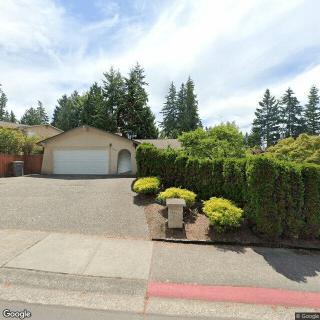
Evergreen Manor Senior Care Inc
$3,375 to $7,500 / month7.7 miles away -
About the same
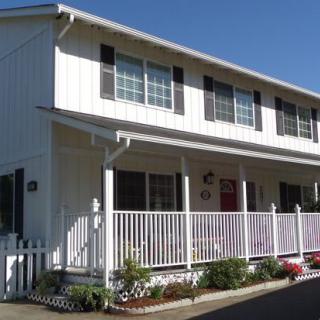
Meadow Crest Senior Home
$4,000 to $6,000 / month6.1 miles away -
About the same

Riverton Home Care
$4,000 to $5,000 / month10.9 miles away -
About the same
Gentle Care Home
$4,000 to $5,500 / month9.5 miles away
Overall Review of GRECU Point AFH
Pros
 Mahi is described as wonderful, organized, disciplined, and kind.
- Mahi and her staff are kind and loving, keeping residents well and cared for.
- Alpha Grace AFH provides a very good experience, with kind, gentle, and accommodating staff who connect with residents dealing with dementia.
- The team offers a personal touch that makes families feel confident about the care.
- The facility is an ideal location, surrounded by warmth and kindness, with nutritious meals and celebrations.
- Mahilet is described as compassionate, diligent, intelligent, and energized in caring for residents.
- The staff is friendly and equipped, providing 24-hour care in a clean, well-maintained home.
Review
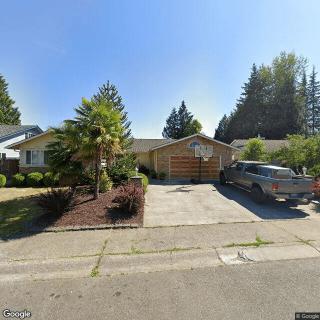
GRECU Point AFH in Bellevue is best suited for families seeking an intimate, caregiver-led home on the Eastside that delivers around-the-clock, personalized attention. The setting works exceptionally well for seniors with dementia or memory-care needs who benefit from a warm, homelike atmosphere where nutritious meals, daily routines, and celebrations are a natural part of life. The leadership of Mahilet (Mahi) and a devoted staff translates into steady, proactive care that feels more like a trusted family arrangement than a clinical facility. This is the kind of place where residents are known by name, where staff respond with a soft hand, and where transitions, whether aging in or moving from hospital to home, are handled with visible commitment.
Those weighing alternatives should consider whether the priority is formal, facility-scale programming or highly specialized medical oversight. If the loved one requires a broader spectrum of on-site therapies, a larger campus with dedicated memory-care wings, or more robust 24/7 medical support, a traditional assisted living community or a memory-care-focused campus may deliver greater breadth of services. For families who place a premium on highly structured activities across the day, or who anticipate escalating medical acuity that might demand frequent on-site nursing or physician oversight, a bigger, more resource-rich community could be preferable.
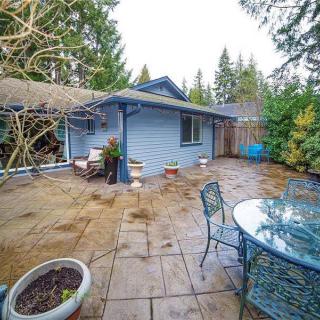
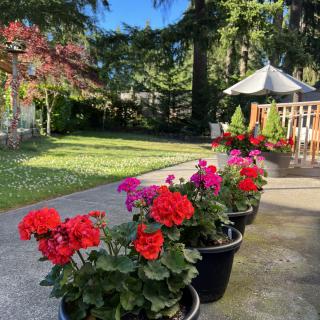
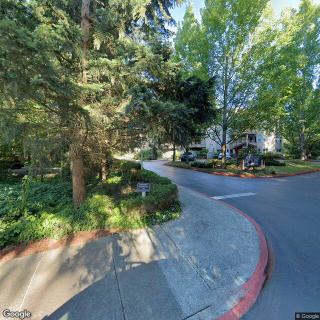
The strongest positives at GRECU Point AFH center on care depth and daily quality of life. Staff are consistently described as kind, gentle, and attentive, with a visible commitment to individual well-being. Residents benefit from around-the-clock care, a steady routine, and thoughtful, personal attention that supports dignity and safety. The home’s atmosphere emphasizes meals that are both healthy and enjoyable, celebrations that honor birthdays and holidays, and a welcoming environment where guests feel valued. The physical setting, clean, tidy, and with a large deck for outdoor visits, enhances social connection and family involvement, which is particularly meaningful for memory-care residents and their families.
The main trade-off of this smaller, family-operated model is suitability for higher-acuity needs and more extensive programming. While the care team provides excellent daily support and monitoring, there is less emphasis on formal clinical infrastructure than what larger facilities typically offer. This can translate to fewer on-site therapies, medical specialists, and structured activities designed for advanced dementia or complex medical management. There is also a natural reliance on the leadership and the small caregiver pool; if staff turnover occurs or if coverage gaps arise, the continuity of care can be tested more than in a big campus.
Still, the gains from a tight, dedicated team often outweigh these limitations for the right resident. The depth of personal connection, knowing the resident’s preferences, history, and routines, reduces confusion, agitation, and resistance that often accompany transitions. The 24-hour care model provides peace of mind for families worried about night-time safety and wandering, while the home-like culture minimizes the stress of daily life, enabling better mood, appetite, and engagement. Family involvement feels natural, and the ability to visit in a relaxed, familiar setting, with a welcoming outdoor space, cannot be overstated for those managing dementia.
For families moving forward with GRECU Point AFH, a practical evaluation is essential. Schedule a visit during a typical day to observe interactions, ask about caregiver-to-resident ratios, and review a sample menu and daily schedule. Inquire about staff training specific to dementia care, emergency and hospital-transition protocols, and how care plans are updated as needs evolve. Clarify what is included in monthly costs, what expenses might arise, and how transportation or activities outside the home are handled. The goal is to confirm that the intimate, compassionate culture matches the clinical needs and family expectations.
Bottom line: GRECU Point AFH offers an exceptional, warmth-driven option for families seeking a small, stable home environment with around-the-clock caregiving and a strong emphasis on personal connection, meals, and meaningful routines. It is a compelling choice for loved ones with dementia who thrive on familiarity, regular human contact, and a homelike setting where family visits are easy and natural. The straightforward caveat is that higher levels of medical complexity or a desire for large-scale programming may lead families to explore alternatives, yet for many, the combination of compassionate leadership, dedicated staff, and a homelike atmosphere makes this AFH a standout on the Eastside.
 Board and Care Home
 Activities off-site
 Bath tubs
 Beautician on-site
 Indoor common areas
 Outdoor common areas
 Private
 Respite or short term stays offered
 Wheelchair accessible showers
 Seattle-Tacoma International (13 miles away)
 Diabetic care
 High acuity care
 Incontinence care
 Medication management
 Kosher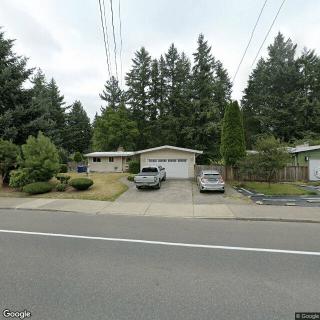
 Recognizing the Journey: Understanding and Navigating Anticipatory Grief
 Encouraging Participation in Adult Day Care: A Guide to Supporting a Hesitant Parent
 Comprehensive Exploration of Living Wills and Other Advance Directives