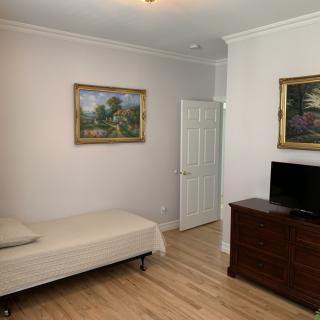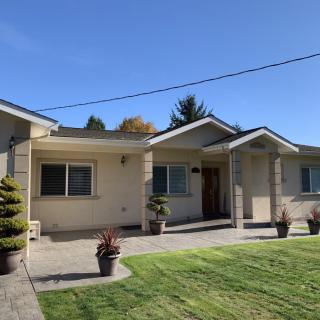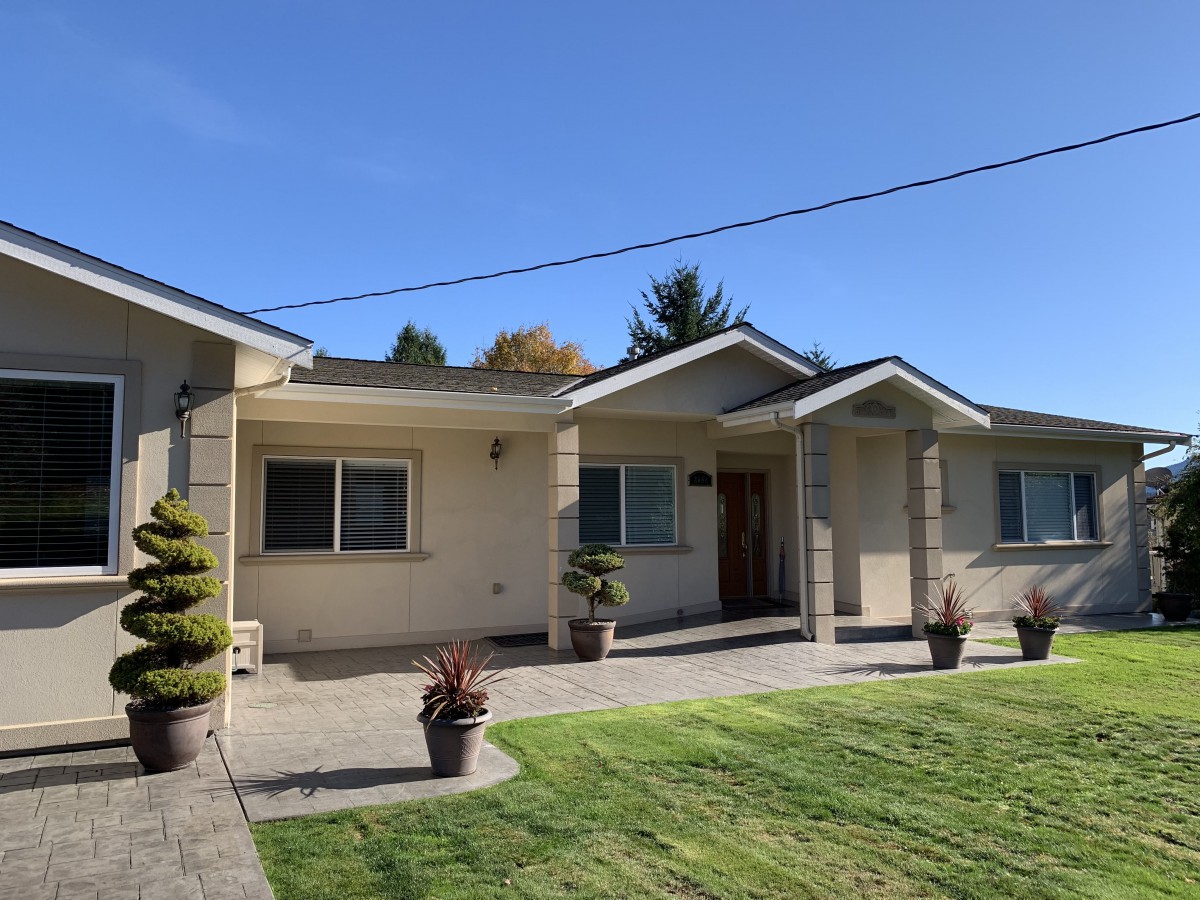
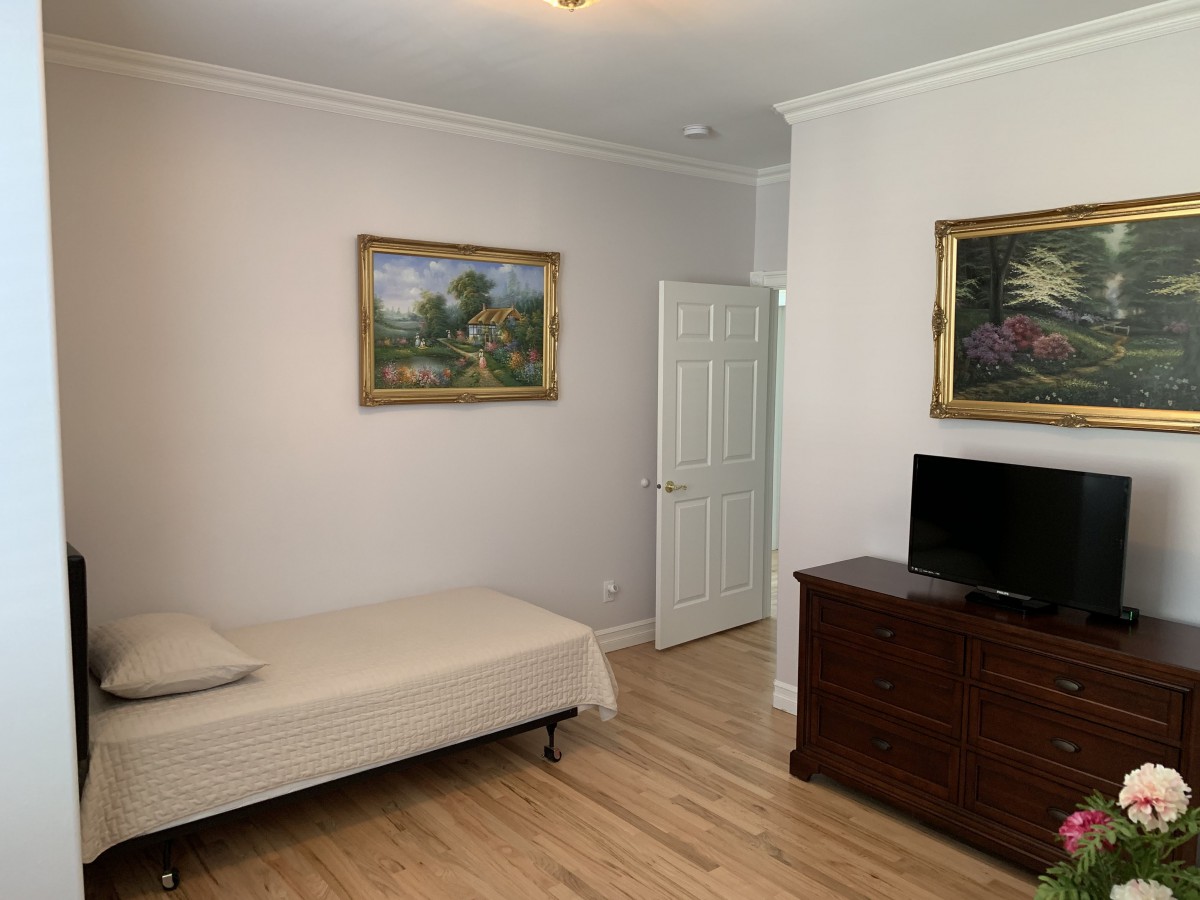
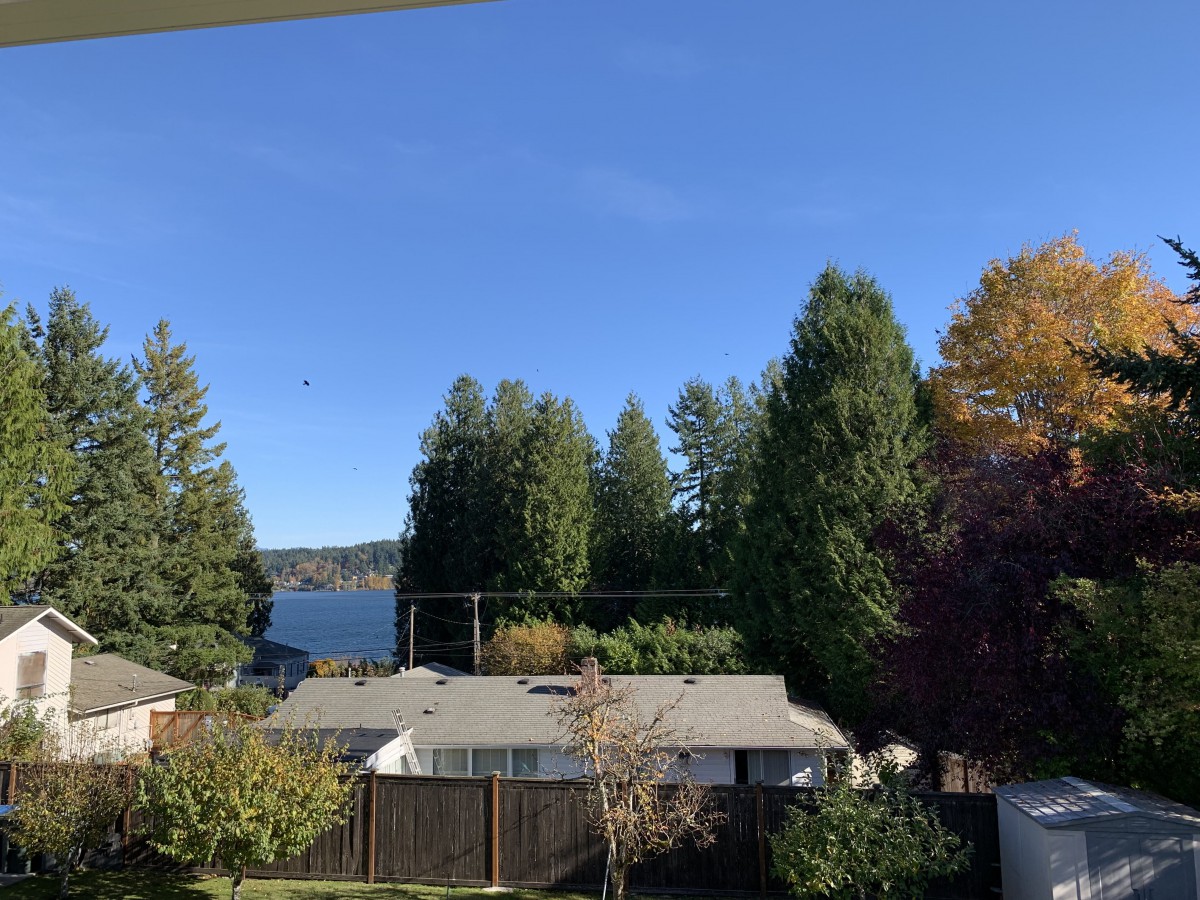
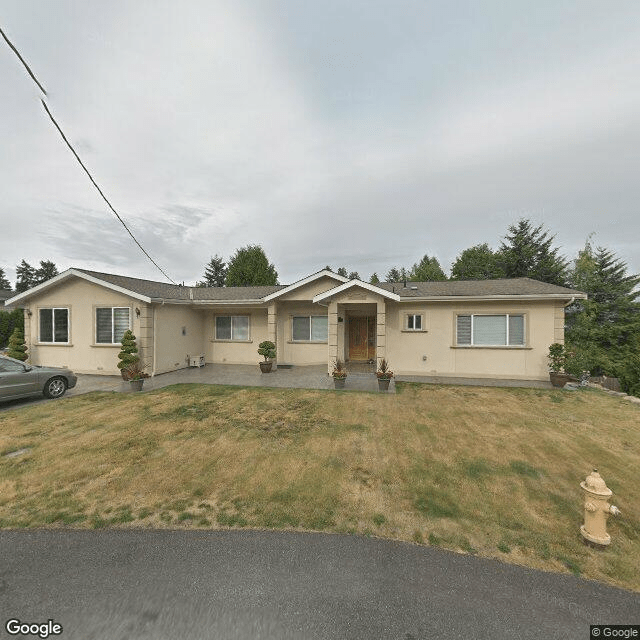
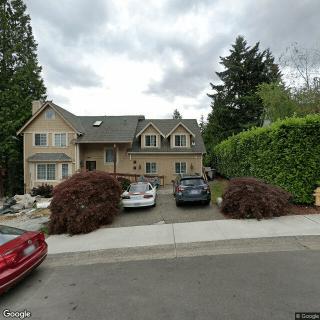
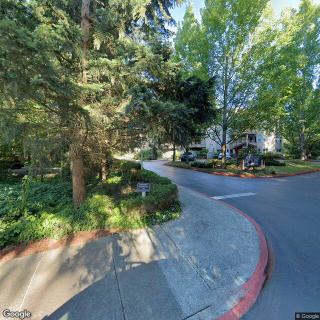
2664 171 Ave SE, Bellevue, WA 98008
To contact a resident: (425) 269-9330
For more information about senior living options: (866) 208-4318
Divine Home Health Costs & Pricing
Divine Home Health offers competitive pricing for its services when compared to the broader market in King County and the state of Washington. A private room at Divine Home Health is priced at $5,000 per month, which is slightly lower than the county average of $5,034 but aligns closely with state averages. Additionally, their one-bedroom accommodation is offered at $6,000 per month, notably higher than both the county average of $5,127 and the state average of $4,632. This pricing strategy reflects a commitment to providing quality care while remaining mindful of regional costs. Overall, Divine Home Health positions itself as a valuable option for individuals seeking personalized care in a nurturing environment.
| Floor plans | Divine Home Health | King County | Washington |
|---|---|---|---|
| Private | $5,000 | $5,034 | $4,774 |
| 1 Bedroom | $6,000 | $5,127 | $4,634 |
Memory care communities with a similar price nearby
-
from +$750 / mo
Fieldstone Rolling Bay and Fieldstone Memory Care
$5,750 to $8,895 / month18.9 miles away -
from +$500 / mo

Twin Lake Adult Family Home
$5,500 to $6,500 / month22.9 miles away -
About the same
Peace and Pleasant Care Adult Family Home II
$5,000 to $6,000 / month15.0 miles away -
from -$500 / mo
A Serenity AFH
$4,500 to $6,000 / month20.3 miles away -
from +$500 / mo

3 Tree Vista Adult Family Home, LLC
$5,500 / month14.5 miles away
Overall Review of Divine Home Health
Pros
 The facility provides excellent care for its residents.
- The home is immaculate.
- Registered nurses are on staff at the home.
- The home offers three homemade meals a day plus snacks.
- The staff are wonderful and caring.
- The family feels blessed to have found a great place for their mother.
Cons
 There are no negative statements in the review; it is entirely positive.
Review
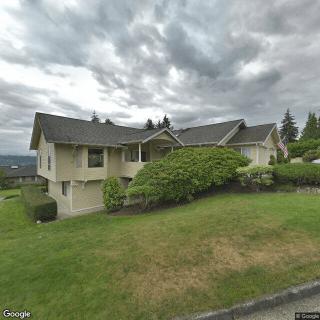
Divine Home Health in Bellevue, Washington is best suited for families facing the care of an exceptionally elderly loved one who requires steady, hands-on nursing oversight in a home-like setting. The available review paints a picture of a 101-year-old mother thriving under attentive, professional care within an immaculate environment, with on-site registered nurses. This is not a large institutional vibe; it feels like a intimate, warmth-forward option that prioritizes predictable routines, safety, and reliable nutrition. For care seekers who want consistent, personalized attention backed by medical staff, this community delivers the core ingredients for comfort and stability in advanced aging.
Those who may want alternatives include families pursuing more specialized memory-care programs, broader rehabilitation services, or a larger campus with more expansive social programming. If the loved one requires structured dementia care, frequent physical therapy, or a wider array of on-site clinical services, other options may better meet evolving needs. Budget and logistics are practical filters as well: Bellevue-based environments tend to command premium pricing, and transportation or access considerations can tilt the decision toward communities with broader referral networks or more centralized locations.
From a decision-maker’s vantage point, the strongest selling points are interlocking and decisive. Excellent individualized care, a pristine home environment, the presence of registered nurses in daily operations, consistent nutrition through three homemade meals daily plus snacks, and a staff that feels genuinely caring translate into tangible outcomes: safety, health maintenance, and emotional well-being. The medical oversight provided by on-site nurses means health changes can be observed and addressed quickly, reducing uncertainty for families. Cleanliness and orderly routines further minimize risk and create predictable days that are especially reassuring for centenarian residents.
With no explicit drawbacks highlighted in the sole available review, it remains prudent to weigh typical trade-offs that accompany this care model. The intimate, home-like setting may not offer the breadth of social programming or on-site therapies found in larger communities. The cost structure associated with nurse-led, high-touch care can be a meaningful consideration, requiring families to validate whether ongoing expenses align with long-term affordability. Importantly, it should be considered whether the setting can sustain a loved one’s evolving needs over time and, if needed, how smoothly care could transition to higher levels of medical support or different care environments.
Practical next steps for families include arranging a structured visit and requesting specifics: the staff-to-resident ratio, daily RN hours, and how medical oversight is layered with visiting physicians. Clarify meal planning, whether menus accommodate dietary restrictions, preferences, and cultural choices, and confirm the facility’s ability to respect special diets. Inquire about the care-planning process, re-assessment intervals, emergency transfer procedures, and visitation policies. Finally, probe for respite care options and transitional care pathways, so the decision remains flexible if circumstances change.
Overall, Divine Home Health emerges as a compelling choice for families seeking a warm, nurse-backed, home-like setting capable of delivering excellent daily care for an exceptionally elderly loved one. The combination of an immaculate environment, on-site nursing, reliable nutrition, and a compassionate staff creates a foundation that effectively addresses safety, health maintenance, and emotional well-being. For families prioritizing intimate, personalized attention with continuous medical oversight, this Bellevue option warrants strong consideration. If a broader array of specialized memory care, rehabilitation services, or larger community life is essential, exploring alternatives will still be a prudent step to ensure the best fit over time.
 Board and Care Home
 Memory Care
 Activities off-site
 Devotional services off-site
 Indoor common areas
 Outdoor common areas
 Private
 Private bathrooms
 Respite or short term stays offered
 Wheelchair accessible showers
 Seattle-Tacoma International (13 miles away)
 Ambulatory care
 Diabetic care
 High acuity care
 Incontinence care
 Medication management
 Meals provided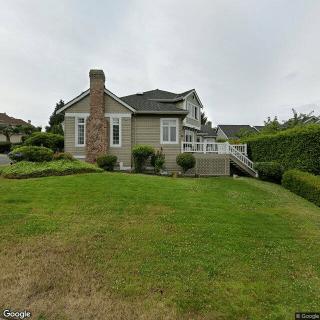
 Understanding Dementia Through Its Seven Stages: A Comprehensive Look at Progression and Expectations
 A Holistic Dementia Care Guide: Effective Strategies for Memory Support
 Comprehensive Insights into Activities of Daily Living (ADLs) and Their Assessment