
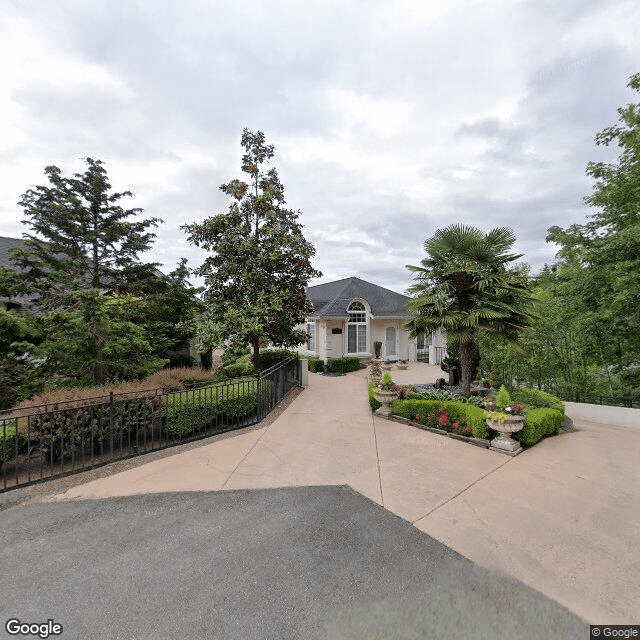
17136 SE 43rd Street, Issaquah, WA 98027
To contact a resident: (425) 649-9412
For more information about senior living options: (866) 208-4318
Villa Teodora AFH Costs & Pricing
Villa Teodora AFH offers a competitive pricing structure for its private rooms, with a monthly cost of $5,000. This rate positions it slightly below the average for King County, which is estimated at $5,034, while remaining above the broader state average of $4,772. This pricing reflects Villa Teodora's commitment to providing quality care and comfortable living environments tailored to individual needs. Potential residents can consider these figures within the context of the unique services and amenities that Villa Teodora AFH provides, aiming to deliver value alongside affordability in the senior living landscape.
| Floor plans | Villa Teodora AFH | King County | Washington |
|---|---|---|---|
| Private | $5,000 | $5,034 | $4,774 |
Memory care communities with a similar price nearby
-
from +$750 / mo

Fieldstone Rolling Bay and Fieldstone Memory Care
$5,750 to $8,895 / month19.3 miles away -
from +$500 / mo

Twin Lake Adult Family Home
$5,500 to $6,500 / month22.0 miles away -
About the same
Peace and Pleasant Care Adult Family Home II
$5,000 to $6,000 / month14.0 miles away -
from -$500 / mo
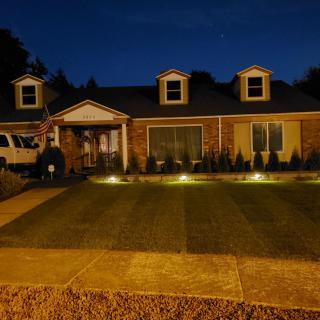
A Serenity AFH
$4,500 to $6,000 / month19.2 miles away -
from +$500 / mo

3 Tree Vista Adult Family Home, LLC
$5,500 / month14.0 miles away
Overall Review of Villa Teodora AFH
Pros
 They were extremely impressed by Villa Teodora.
- Carmen, the live-in caregiver, was very friendly and caring.
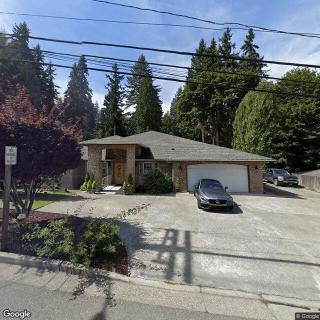
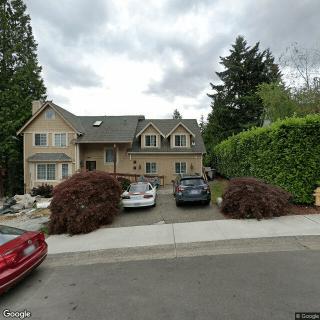
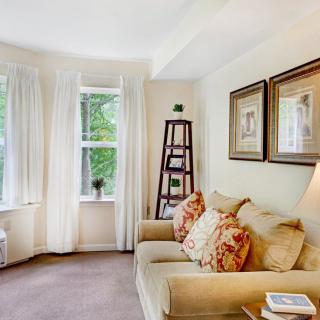
- The home is beautiful.
- The hillside location offers wonderful views of Lake Sammamish and the Cascades.
- The environment feels smaller and family-esque.
- They would definitely recommend stopping by.
Review
Villa Teodora AFH in Issaquah is best suited for seniors who want a truly intimate, home-like living arrangement with highly personal, visible caregiving. This is a small, family-style setting rather than a conventional campus, where a live-in caregiver anchors daily routines and keeps care feel simple, steady, and directly supportive. Residents who prize privacy, quiet, and easy access to scenic views of Lake Sammamish and the Cascades will find the atmosphere both calming and empowering. The presence of Carmen as a consistent caregiver is a defining feature, delivering a level of familiarity and trust that larger communities struggle to match.
Those weighing Villa Teodora against other options should explicitly consider alternatives. Larger, more formal assisted living communities offer greater staff coverage, broader programming, and a social calendar that generates more spontaneous interactions. For seniors with complex medical needs, frequent therapy schedules, or a desire for abundant peer engagement, a bigger campus may be more suitable. Additionally, families who prioritize proximity to robust medical facilities or a more centralized location might find a larger operation easier to navigate in the long run.
From the perspective of the lived experience on offer, the strongest pros are clear and tangible. The home feels welcoming and well cared for, while the hillside setting provides remarkable views and a sense of retreat from everyday bustle. Carmen’s warmth and attentiveness as a live-in caregiver translate into reliable consistency, one caregiver, one routine, and one trust anchor. The compact scale also means fewer transitions, less administrative turnover to worry about, and a pace that can support residents who prefer a calm, predictable daily rhythm.
Yet, a practical view must acknowledge the main constraints that come with this format. Relying on a single live-in caregiver can limit availability during vacations or emergencies, and it may pose challenges if care needs ever require more specialized or rapid response. The smaller footprint also means fewer formal activities, structured social opportunities, or on-site therapy options than a larger community typically provides. For those whose mobility or health status is expected to change quickly, or who crave a busier social calendar, these realities can feel limiting. The hillside location, while beautiful, may become a drawback for residents facing accessibility hurdles.
Nevertheless, the favorable elements often offset these limitations for the right resident. The concentrated attention that comes with a single caregiver reduces the friction of coordinating multiple staff shifts and minimizes the potential for miscommunication. A private home setting supports dignity, independence, and confidence in daily choices, while the serene environment may improve mood and sleep for those who are easily unsettled by busy, noisy environments. For families seeking a trusted, intimate partnership in care delivery, where continuity and a sense of belonging take priority, the trade-offs are clearly manageable.
In closing, families comparing Villa Teodora with other options should align every choice with concrete care needs and personal preferences. If privacy, continuity, and a familial atmosphere top the list, a firsthand visit to meet Carmen and to assess the home environment is essential to verify fit. If, instead, the plan calls for broader social programming, more frequent on-site nursing oversight, or easier access to a wider array of services, explore alternatives with larger staff networks and more formalized programming. Before deciding, obtain a clear care plan, backup coverage details, and a transparent cost structure that clarifies how care would scale as health needs evolve.
 Board and Care Home
 Memory Care
 Activities on-site
 Beautician on-site
 Devotional services on-site
 Indoor common areas
 Outdoor common areas
 Private
 Private bathrooms
 Wheelchair accessible showers
 Seattle-Tacoma International (12 miles away)
 Ambulatory care
 Diabetic care
 High acuity care
 Incontinence care
 Medication management
 Kosher

 Why Do Dementia Patients Sleep So Much? Understanding Oversleeping, Stages, and Care Approaches
 8 Key Indicators That Suggest It May Be Time to Transition from Assisted Living to Skilled Nursing Care
 Nourishing the Mind: Essential Dietary Approaches for Dementia