
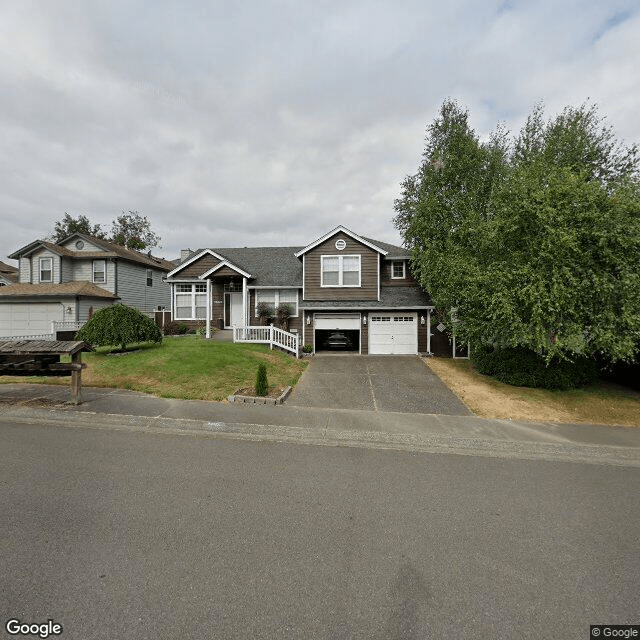
32849 17th Ave., Federal Way, WA 98023
To contact a resident: (206) 909-0196
For more information about senior living options: (866) 208-4318
Adult Quality Care I Costs & Pricing
Adult Quality Care I offers a semi-private room at a competitive rate of $1,500 per month, which stands in stark contrast to the average costs in Pierce County and the broader state of Washington. In Pierce County, monthly expenses for similar accommodations reach approximately $4,264, while the state's averages hover around $4,267. This significant difference highlights Adult Quality Care I as an attractive option for individuals seeking quality care without the hefty price tag typically associated with such services. The facility's pricing not only reflects its commitment to affordability but also underscores its dedication to providing accessible and quality assistance to residents in need.
| Floor plans | Adult Quality Care I | Pierce County | Washington |
|---|---|---|---|
| Semi-Private | $1,500 | $4,264 | $4,272 |
Senior living communities with a similar price nearby
-
About the same
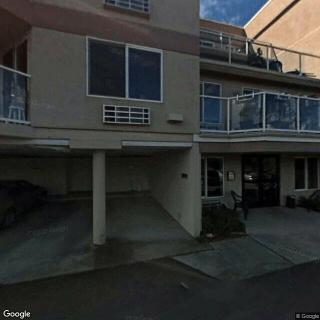
Boulevard Park Place Active Retirement Living
$1,510 to $1,900 / month13.1 miles away -
from +$200 / mo

Affinity at Puyallup
$1,700 to $3,195 / month12.2 miles away -
from +$200 / mo
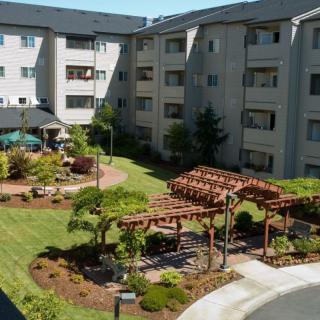
Gibson Gardens
$1,700 to $1,900 / month7.5 miles away -
from +$200 / mo
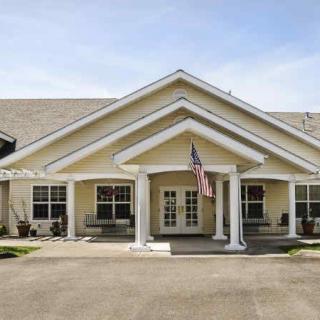
Cascade Place Assisted Living and Memory Care
$1,700 to $2,600 / month20.0 miles away -
About the same
Horizon House
$1,514 to $7,200 / month21.0 miles away
Overall Review of Adult Quality Care I
Pros
 The staff are gentle, attentive, and always respectful of residents' dignity and independence.
- They treat residents like family—with patience, kindness, and true grace.
- The staff handle everything with professionalism and heart.
- The home is clean, warm, and peaceful.
- Residents feel safe, seen, and well cared for.
- The caregivers are wonderful and genuinely caring.
- The food is excellent and meals are tailored to preferences.
- The facility is clean, quiet, and comfortable.
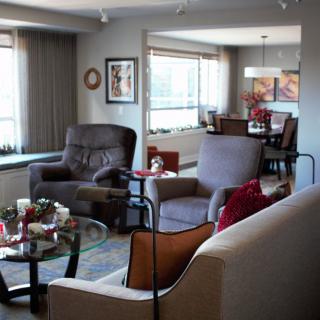
- The home offers welcoming spaces, including a beautiful deck, many windows, and an open, accessible layout.
- Staff assist with appointments, medications, and transportation to activities.
- Everyday Grace is described as a home away from home, where families feel welcome and supported.
- Kristina and the team maintain high standards of care and support staff development.
Review
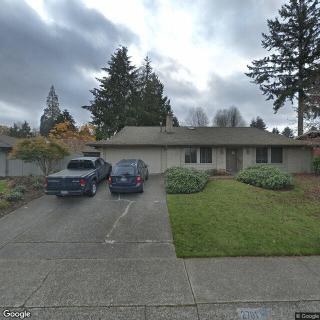
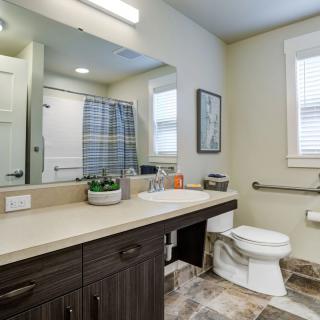
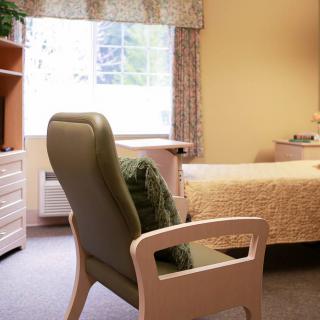
Everyday Grace (Adult Quality Care I) in Federal Way, WA is best suited for families seeking a true home-like living arrangement where an aging loved one receives personalized attention, dignity, and ongoing encouragement of independence. The setting thrives on intimate caregiving, with staff that feel more like extended family than nameless aides. It works especially well for residents managing memory challenges who do not require round-the-clock hospital-level medical intervention. The home-like environment, clean, quiet, with abundant natural light, a welcoming deck, and easy wheelchair/walker access, helps residents feel safe and valued from day one.
Those weighing options should consider alternatives if the need is for higher-level medical oversight, more structured, campus-style programming, or a broader transportation network. A larger assisted living campus can offer additional on-site nurses and specialists, more formal memory-care curricula, and a broader calendar of specialized activities. For families with residents who require frequent, intensive medical monitoring, complex therapies, or a tight requirement for medical equipment on-site, another setting may deliver the level of care that a hospital-adjacent model cannot. If independence in a small community is not the primary goal, other options may deliver greater clinical scale.
Key strengths are the daily drivers here. Staff are gentle, attentive, and consistently respectful of residents' dignity, often treating people like family. The home itself feels clean, warm, and peaceful, with a layout that supports mobility for walkers and wheelchairs. Meals are regularly praised as a high point, and residents note that dietary requests are accommodated. The setting includes outdoor space, a deck and well-kept yard, and abundant natural light, which makes time spent in common areas inviting. Additional benefits come from practical support: staff help coordinate appointments and medications, and residents enjoy social opportunities through partnerships that provide access to a community center, swimming, yoga, or even zoo excursions.
Of course, the intimate, home-based model carries trade-offs. A small home setting may naturally offer less on-site medical breadth than a large campus, and some residents may require more formal oversight than what a family-like home can provide. Privacy dynamics can vary in a house-share atmosphere, and the available activities, while rich for a small community, may not match the scale or pacing of bigger facilities. Yet the evidence from families and staff points to a culture that compensates for these gaps with extraordinary attention, consistent communication, and a willingness to accommodate individual preferences. When medical acuity rises, questions about escalation and transfer should be explored upfront.
Decision-makers should use a practical checklist. Schedule a visit and observe the cadence of staff-resident interactions, the cleanliness of common areas, and whether residents appear calm and engaged. Confirm how medication management and appointment scheduling are handled, and ask about memory-support approaches for dementia-related needs. Inquire about transportation options beyond the local bus route, private and group activities, and how residents personalize their daily routines. Finally, discuss the overall cost structure and what level of family involvement is welcome, since the community thrives on a family-like dynamic that invites active participation.
In sum, Everyday Grace stands out for families seeking a truly welcoming, home-like environment where residents are seen and valued, not just cared for. It is an especially strong choice for seniors who prize dignity, independence, and meaningful social engagement within a small, close-knit setting, including those managing memory concerns. It is less suited for families requiring hospital-grade medical oversight or a campus with expansive medical resources. For these situations, consider alternatives that offer higher acuity care and larger professional networks. When a family wants warmth, consistency, and practical support that makes everyday life smoother, this community earns careful consideration.
 Board and Care Home
 Seattle-Tacoma International (10 miles away)

 A Detailed Examination of Nursing Home Costs Across the U.S.
 Exploring Nonmedical Home Care: Understanding Services, Costs, and Financial Approaches
 Engaging Brain Games and Innovative Apps to Keep Senior Minds Active