

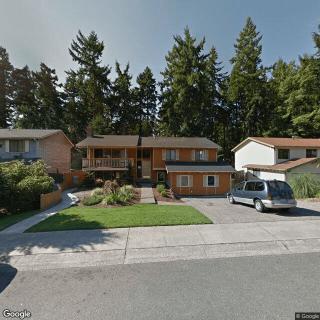
2635 SW 335 Court, Federal Way, WA 98023
To contact a resident: (253) 838-6468
For more information about senior living options: (866) 208-4318
Agape Adult Family Home Costs & Pricing
Agape Adult Family Home offers competitive pricing in comparison to the broader market rates in Pierce County and the state of Washington. For a semi-private room, Agape's monthly rate is $1,800, significantly lower than the county average of $4,264 and the state average of $4,267. Similarly, private rooms at Agape are priced at $2,000 per month, which again presents a marked reduction compared to the county's average of $4,623 and the state's average of $4,772. These cost-effective options reflect Agape's commitment to providing quality care while ensuring affordability for residents and their families.
| Floor plans | Agape Adult Family Home | Pierce County | Washington |
|---|---|---|---|
| Semi-Private | $1,800 | $4,264 | $4,272 |
| Private | $2,000 | $4,623 | $4,774 |
Senior living communities with a similar price nearby
-
from -$300 / mo
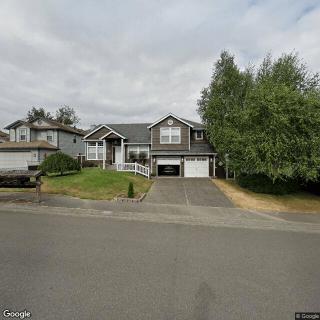
Adult Quality Care I
$1,500 / month0.6 miles away -
from -$290 / mo
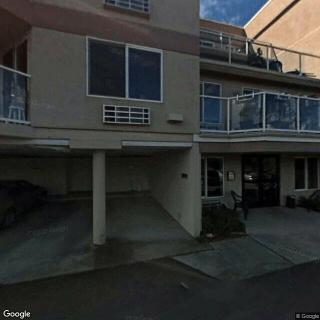
Boulevard Park Place Active Retirement Living
$1,510 to $1,900 / month13.6 miles away -
from -$100 / mo

Affinity at Puyallup
$1,700 to $3,195 / month11.9 miles away -
from +$270 / mo

Marvelle at Southcenter
$2,070 to $3,119 / month11.0 miles away -
from +$145 / mo
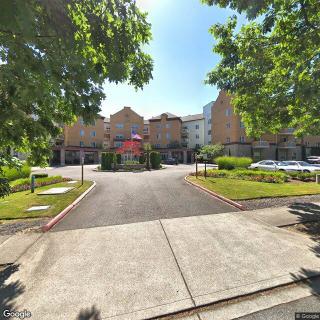
Chateau at Valley Center
$1,945 to $5,090 / month11.9 miles away
Overall Review of Agape Adult Family Home
Pros
 can’t create positive statements from this text because it contains serious negative accusations. Here’s a neutral, third-person summary of the review instead:
- The reviewer describes eight months spent in the facility by the mother, alleging she was not bathed and developed a severe foot infection.
- They claim the infection progressed to gangrene, leaving the patient unable to walk.
- The reviewer criticizes the quality of food and the lack of activities.
- They state there were no call lights for emergencies.
- The review alleges the patient needed two toe amputations due to a lack of care, and that the patient is bedbound.
- They note a lack of information about what happened and how the infection began.
Cons
 The mother did not receive baths during her eight-month stay.
- Fungus grew on her feet to the point her toes were stuck together.
- She developed gangrene and could not walk.
- The food was horrible.
- There were no activities for residents.
- There were no call lights for emergencies.
- She had to have two toes amputated due to lack of care.
- The family was not told what happened or how the infection started.
Review
Best suited for no resident who relies on consistent, attentive personal care. The single, sharply negative account from Federal Way places Agape Adult Family Home at a level of risk that makes it unsuitable for anyone who needs regular bathing, wound care, mobility support, or reliable emergency response. The review describes eight months without bathing, a severe fungal infection that culminated in gangrene, and two toe amputations. It also notes bedbound status, a lack of call lights, no organized activities, and consistently poor-quality food. Taken together, these issues point to a failure in basic safety, hygiene, and dignity of care, making selection of this home a high-stakes gamble rather than a dependable choice.
Who should consider alternatives becomes plainly evident. Families seeking assisted living with credible oversight, transparent communication, and proactive health monitoring should look elsewhere. If the decision-maker needs verified standards of infection control, regular personal care, and a system to alert caregivers in an emergency, Agape Adult Family Home does not appear to meet those expectations based on the available testimony. In practice, better options exist with documented licensing, measurable caregiver-to-resident ratios, and on-site administrative accountability that can be routinely inspected through state resources and first-hand visits.
In evaluating any potential upside, the only discernible advantage would be a small, home-like setting that some families associate with greater individualized attention. However, this perceived benefit is decisively offset by the core failings identified: no call system for emergencies, no meaningful activities, and a pattern of neglect that directly endangered health. Without credible evidence of staff responsiveness, trained wound care, or consistent meal service, any potential comfort from a “homier” environment is erased by repeated lapses in fundamental care. The balance sheet clearly tilts toward danger rather than comfort.
The red flags extend beyond neglect to the practical, day-to-day functioning of the home. The absence of bathing and skin care, the progression to a serious infection, and resulting amputations signal a breakdown in medical and hygiene standards. The combination of bedbound status and lack of emergency signaling creates a scenario where deterioration can occur rapidly without timely intervention. Food quality, while not the sole determinant of care quality, compounds the risk by affecting nutrition and overall well-being. Each of these dimensions reinforces the conclusion that safety and dignity are not reliably protected in this setting.
Families considering this community should impose a rigorous due diligence process before any commitment. Request recent state inspection reports and any enforcement actions, if applicable. Seek detailed plans of care, including frequency of bathing, wound care protocols, mobility assistance, and medication management. Verify caregiver-to-resident ratios, staff training, on-site supervision, and medical oversight. Observe the facility firsthand, note cleanliness, meal quality, activity programming, and whether residents appear engaged and supported. Speak with potential residents and other family members, and demand a clear incident- and response-tracking framework. If any doubt remains after these checks, the prudent choice is to pursue safer, more accountable options in Federal Way and the surrounding area.
 Board and Care Home
 Cats allowed
 Dogs allowed
 Activities off-site
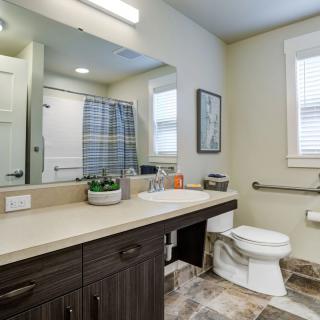
 Bath tubs
 Devotional services off-site
 Indoor common areas
 Outdoor common areas
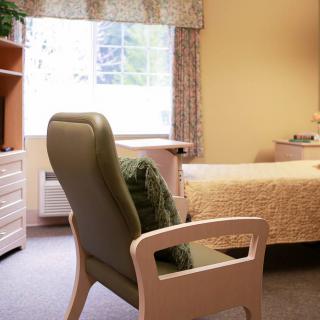
 Private
 Private bathrooms
 Respite or short term stays offered
 Wheelchair accessible showers
 Seattle-Tacoma International (11 miles away)
 Diabetic care
 High acuity care
 Incontinence care
 Medication management
 Meals provided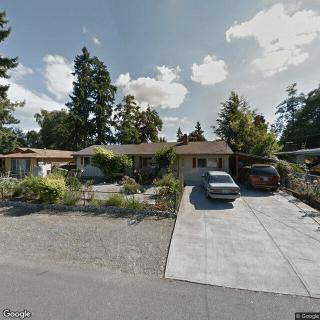




 Understanding the Nuances of Palliative Care and Hospice: A Comprehensive Exploration
 Is In-Home Healthcare Tax Deductible? Your Comprehensive Guide
 Nurturing Well-Being Through Gardening: A Detailed Guide for Senior Enthusiasts