
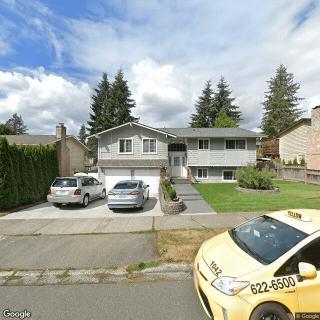
11231 B 1st Ave W, Everett, WA 98204
To contact a resident: (425) 514-8319
For more information about senior living options: (866) 208-4318
Princess Care Home III Costs & Pricing
At Princess Care Home III, the costs for residential care are competitively structured within the context of Snohomish County and the broader Washington state landscape. For a semi-private room, residents can expect to pay $4,000 per month, which is notably lower than both the county average of $4,320 and the state average of $4,267. Similarly, for those seeking more privacy in a private room, the monthly rate is set at $4,500 - again below both the county's average of $4,834 and the state's average of $4,772. These pricing structures reflect a commitment to providing quality care while maintaining affordability compared to regional benchmarks.
| Floor plans | Princess Care Home III | Snohomish County | Washington |
|---|---|---|---|
| Semi-Private | $4,000 | $4,320 | $4,272 |
| Private | $4,500 | $4,834 | $4,774 |
Senior living communities with a similar price nearby
-
from -$500 / mo
Dignity Life
$3,500 / month4.2 miles away -
from -$625 / mo

Evergreen Manor Senior Care Inc
$3,375 to $7,500 / month14.1 miles away -
from -$500 / mo

Terrace View AFH
$3,500 to $4,000 / month7.2 miles away -
from -$500 / mo

Nebisolo AFH
$3,500 to $4,000 / month8.7 miles away -
from +$500 / mo

We Care Adult Family Home
$4,500 to $8,000 / month3.5 miles away
Overall Review of Princess Care Home III
Pros
 The residents seem very happy, are clean, and seem to enjoy living there.
- The staff are friendly, caring and helpful and attentive to residents' needs.
- The owners and care team make everyone feel welcome and part of the family.
- They are amazing in the care they provide residents and work proactively to meet residentsā€™ needs and make them comfortable and at home.
- Health and medical related issues are closely monitored and any problems or concerns are quickly identified and addressed.
- The social and recreational activities provided for residents, like music time, are offered throughout the year.
- It is the best place ever for senior adults.
Cons
 The reviewer described the place as smelling awful.
 - The reviewer stated the owner is rude and intimidating.
- The reviewer alleged a medication overdose by the owner, which made them sick.
- The reviewer claimed the owner's wife was described as "crazy" and blamed the reviewer for family problems, causing stress and discomfort.
- The reviewer concluded that they would not recommend the place to anyone.
Review
Princess Care Home III in Everett, WA is best suited for seniors who want a warm, home-like setting where caregivers know residents well, daily routines feel predictable, and medical attention comes through hands-on, personal contact. This is the kind of community that works for older adults who prize belonging, direct access to staff, and a socially engaging environment without sacrificing everyday independence. The setting operates as a small-scale adult family home, and that intimacy translates into quicker conversations with caregivers, quicker adjustments to preferences, and a sense that the resident is truly part of a caring rhythm rather than a number in a larger facility.
Families weighing options should recognize who may want to consider alternatives. Those with significant medical complexity requiring around-the-clock nursing, intensive wound care, or highly structured memory-care supervision may find a larger, more regulated facility offers clearer, documented protocols and escalated clinical oversight. A persistent concern in one evaluation centers on leadership dynamics and safety practices, including alleged medication mishandling and a tense atmosphere. While that report stands alone among several glowing testimonials, it acts as a caution flag: confirm medication administration processes, supervisory structure, and how quickly concerns are escalated and resolved. In short, Princess Care should be compared against other intimate homes and larger campuses to verify safety culture and governance.
On balance, the pros are compelling. Staff are described as friendly, caring, and attentive to resident needs, with a demonstrated commitment to cleanliness and daily well-being. The presence of visiting medical services, such as foot care and a nurse, adds a layer of clinical reassurance without forcing families into a hospital setting. Residents appear happy, and there is clear emphasis on proactive problem-solving and timely responses to health issues. The social calendar and informal activities, music time and other recreation, help residents stay engaged, which often translates into better mood, social connection, and a sense of purpose in daily life. For families seeking a genuine, low-barrier path to excellent daily care and meaningful interaction, these factors carry real weight.
Yet the potential downsides demand careful scrutiny. The most serious concern voiced is about management style and safety culture, including a claim of medication mishandling and a hostile-sounding leadership approach. Even if this represents a lone perspective, it underscores the necessity of verifying who administers medications, what safeguards exist to prevent dosing errors, and how staff are supervised during peak hours. Odors in common areas were also noted in one account, a detail that may reflect housekeeping practices or ventilation, and it matters because a comfortable, clean environment reinforces trust and ongoing engagement. Any family evaluating this home should demand transparent policies on medication administration, incident reporting, and daily supervision, and observe how these policies are implemented in real-time during a tour.
In weighing the positives against the concerns, the decision hinges on how much value is placed on the intimate, family-like atmosphere and rapid, personalized care versus the imperative for formalized safety governance. The strengths, staff warmth, visible attentiveness, proactive health monitoring, and a vibrant social life, can substantially offset typical drawbacks of smaller homes when leadership demonstrates consistent, accountable practices. However, if medical complexity grows or if confidence in safety procedures wanes, the appeal of Princess Care Home III may diminish quickly. Prospective residents should measure the emotional and social fit against the assurance of rigorous safety oversight and consistent, transparent operations.
Practical next steps are clear. Schedule a live visit during regular activity hours to observe how staff interact with residents and how medication moments unfold. Speak privately with current families about their ongoing communication, responsiveness, and any changes in health status. Request written policies on medication handling, incident reporting, staff supervision, and how concerns are escalated. Ask to see current activity rosters and safety drills, and inquire about resident-to-staff ratios at different shifts. If the environment aligns with the desired level of warmth and daily support but conservatively tests safety protocols, consider a structured trial period to confirm that the combination of intimate care and dependable governance remains consistent. For families prioritizing stronger clinical oversight, widen the search to facilities with larger nursing staffs and formal quality-control processes, while keeping Princess Care Home III in view as a viable option for a truly home-like, engaging living experience for the right resident.
 Board and Care Home
 Activities on-site
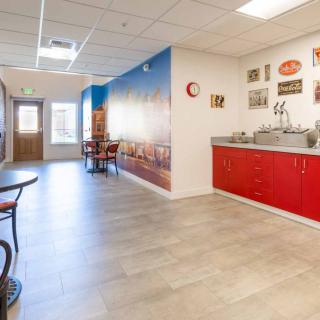
 Indoor common areas
 Outdoor common areas
 Private
 Private bathrooms
 Respite or short term stays offered
 Wheelchair accessible showers
 Ambulatory care
 Diabetic care
 High acuity care
 Incontinence care
 Medication management
 Kosher


 In-Depth Look at the VA Aid and Attendance Program
 Nurturing Our Loved Ones: A Daughter's Journey in Caring for Her Mother
 Nurturing Our Elders: Linda's Journey of Supporting Her Mother