
11217 1st Ave W, Everett, WA 98204
To contact a resident: (425) 514-8319
For more information about senior living options: (866) 208-4318
Princess Care Home II Costs & Pricing
Princess Care Home II offers competitive pricing for its room types when compared to the broader market in Snohomish County and the state of Washington. For a semi-private room, the cost at Princess Care Home II is $4,000 per month, which is notably lower than both the county average of $4,320 and the state average of $4,267. Similarly, for a private room priced at $4,500, it remains more affordable than the county's average of $4,834 and the state's average of $4,772. This positioning not only highlights Princess Care Home II as a cost-effective option but also reflects its commitment to delivering quality care in a financially accessible environment.
| Floor plans | Princess Care Home II | Snohomish County | Washington |
|---|---|---|---|
| Semi-Private | $4,000 | $4,320 | $4,272 |
| Private | $4,500 | $4,834 | $4,774 |
Senior living communities with a similar price nearby
-
from -$500 / mo
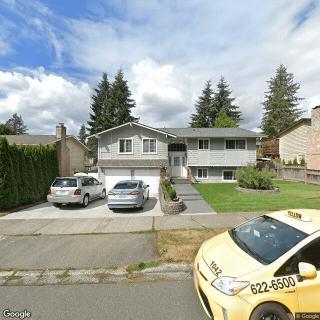
Dignity Life
$3,500 / month4.2 miles away -
from -$625 / mo
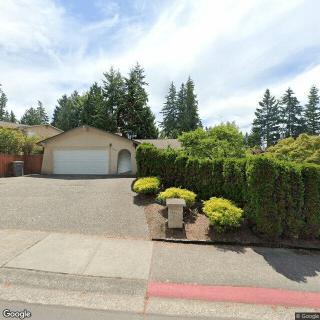
Evergreen Manor Senior Care Inc
$3,375 to $7,500 / month14.2 miles away -
from -$500 / mo
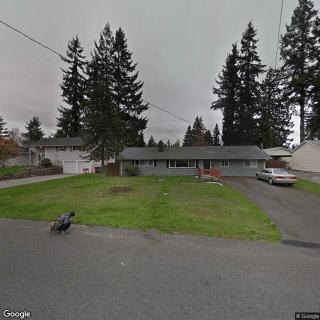
Terrace View AFH
$3,500 to $4,000 / month7.3 miles away -
from -$500 / mo

Nebisolo AFH
$3,500 to $4,000 / month8.8 miles away -
from +$500 / mo
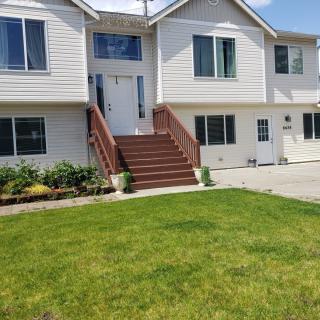
We Care Adult Family Home
$4,500 to $8,000 / month3.4 miles away
Overall Review of Princess Care Home II
Pros
 The staff are caring and compassionate with residents' care.
- They treat long-term residents as family.
- Princess Care Home provides a home-like environment, quality care, and necessary equipment.
- The people who run the establishment are knowledgeable, caring, and warm.
- The meals meet dietary needs and look great.
- They know each resident’s needs and accommodate restrictions.
- There are plenty of activities, including toys, coloring, games, TV, and outdoor options.
- The overall quality of life provided is excellent.
Cons
 It was a big mistake to place him there.
- They would not give him his medications when prescribed, and there were times when they wouldn’t give them at all.
- They sent the wrong medication list to the hospital, and he was given meds that were discontinued long ago.
- The food was terrible.
- They would not shave him, and someone else had to shave him.
- His hearing aids would get lost in his room; they were responsible for them.
- The final straw was when he almost died of dehydration.
- The administrator is an awful person; she blamed his father and took no accountability; do not bring your loved here.
- The owners overwork the caregivers.
- One of the caregivers ended up in ICU because they wouldn’t cover his shift.
- It’s a terrible place.
Review
Princess Care Home II in Everett, WA is best suited for families seeking a small, home-like setting where staff feel invested in residents and treat them with warmth and continuity. This community appears particularly well-matched for residents who benefit from a personable, person-centered approach, including those with dementia or memory care needs who respond to stable, long-term relationships with caregivers. The strongest selling points come from a sense that residents are known as individuals, not room numbers, and that daily life centers on comfort, companionship, and routines that resemble a family home more than a clinical facility. For families prioritizing warmth, predictability, and the feeling that a facility truly treats loved ones like family, Princess Care Home II offers a compelling fit.
However, serious red flags are embedded in the review history, and those considering alternatives should listen closely. One account describes dramatic lapses in safety and care, medication mismanagement, dehydration, lost assistive devices, and a perception of accountability failure at the administrative level. That narrative notes staff overwork and an environment where coverage gaps and turnover appear to strain operations. While it is just one perspective, the severity of those claims warrants caution: if a loved one requires consistent, tightly regulated medical oversight, this facility may not reliably deliver in times of acute need. Potential residents should weigh the warmth of the community against the possibility of systemic gaps in med-management and supervision.
On the upside, the positive experiences highlight a caregiver team that is described as caring, knowledgeable, and warm, with staff who know residents’ dietary restrictions and preferences. The emphasis on home-like routines, ready-to-meet dietary needs, and a broad array of activities, from crafts to outdoor outings, contributes significantly to quality of life. When management and front-line staff are aligned, residents can enjoy meaningful engagement, predictable meals, and a sense of belonging that often survives the limitations of a smaller facility. These strengths can partially offset the concerns around medical oversight if a consistent, proactive care culture is in place and if families are actively involved in monitoring care plans and changes.
The most troubling concerns center on potential lapses in medication administration, hospital communication, and overall safety. The negative account alleges a pattern of delayed or skipped medications, miscommunications with hospital systems, and a concerning incident of dehydration that prompted urgent medical intervention. Additional cautions point to admin accountability gaps and caregiver strain, which, in turn, can erode both safety and morale. Even if those episodes are not universal, they signal a need for rigorous due diligence: inspect how medications are prepared and administered, ask for example medication-pass logs, and request evidence of incident reporting and follow-through on corrective actions. Without clear, verifiable processes, the risk of repeated errors remains unacceptable.
For families evaluating a concrete plan, several checks are essential before committing. Demand a tour with a focus on medication routines, including which licensed staff handle med-pass, how shifts are covered, and how errors are tracked and resolved. Request to review the current care plan for a resident like your loved one, knowing how behavioral changes, medical needs, and dietary requirements are documented and updated. See the dining experience firsthand, assess whether meals accommodate specific dietary restrictions, and observe mealtime safety and assistance. Probe staff-to-resident ratios during peak hours, and speak with current residents’ families about reliability, responsiveness, and the availability of a named point person for concerns.
Ultimately, Princess Care Home II offers a commendable blend of homelike atmosphere, attentive staff, and life-enriching activities that can deliver a genuinely positive experience for many residents. The decisive factor is consistency: if the facility maintains solid medication practices, accountable leadership, appropriate staffing, and transparent communication with families, it becomes a standout choice for those prioritizing warmth and daily relevance in care. If those elements feel uncertain, or if a loved one requires stricter clinical oversight or higher staffing resilience, exploring alternatives, larger assisted living options with established med-pass protocols, memory-care communities with nurse oversight, or in-home care models, may yield greater peace of mind. A well-structured evaluation process will determine whether Princess Care Home II truly aligns with the specific medical and emotional needs of the person considering it.
 Board and Care Home
 Activities on-site
 Bath tubs
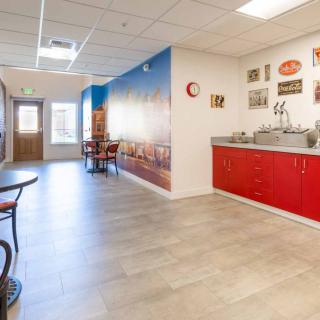
 Indoor common areas
 Outdoor common areas
 Private
 Private bathrooms
 Respite or short term stays offered
 Wheelchair accessible showers
 Ambulatory care
 Diabetic care
 High acuity care
 Incontinence care
 Medication management
 Kosher

 Exploring Nonmedical Home Care: Understanding Services, Costs, and Financial Approaches
 Engaging Brain Games and Innovative Apps to Keep Senior Minds Active
 Effective Strategies for Keeping Seniors' Minds Active: A Deep Dive into Brain Games and Apps