


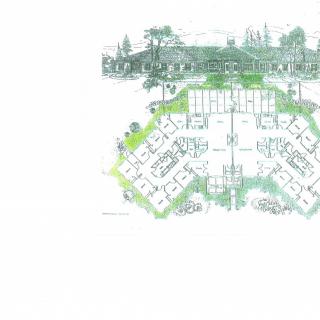


13200 10th Dr SE, Mill Creek, WA 98012
To contact a resident: (425) 379-8276
For more information about senior living options: (866) 208-4318
The Cottages at Mill Creek Costs & Pricing
The Cottages at Mill Creek offers competitive pricing for its accommodation options relative to both Snohomish County and the broader Washington state average. For a semi-private room, residents can expect to pay $4,450 per month, which is slightly above the county's average of $4,320 and the state's average of $4,267. Meanwhile, the studio units are priced at $4,950 per month, also reflecting a premium compared to Snohomish County's average of $4,443 and Washington state's average of $4,126. These figures suggest that while The Cottages at Mill Creek may be positioned toward the higher end of the market in terms of monthly costs, it likely reflects the quality and amenities offered by this community-oriented facility.
| Floor plans | The Cottages at Mill Creek | Snohomish County | Washington |
|---|---|---|---|
| Semi-Private | $4,450 | $4,320 | $4,272 |
| Studio | $4,950 | $4,443 | $4,128 |
Memory care communities with a similar price nearby
-
About the same
We Care Adult Family Home
$4,500 to $8,000 / month4.7 miles away -
from +$550 / mo
Abundant Life Lynnwood
$5,000 to $6,000 / month2.2 miles away -
About the same
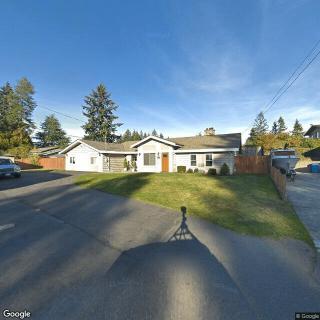
Happy Family Adult Family Home 2
$4,500 / month9.3 miles away -
About the same
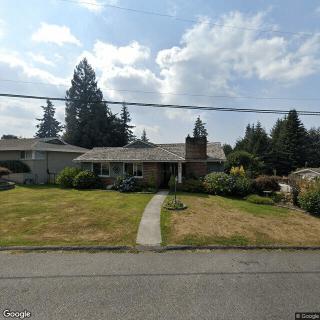
Amy's Adult Care Home
$4,500 / month5.8 miles away -
About the same

Happy Family Adult Family Home 3
$4,500 to $5,500 / month12.6 miles away
Overall Review of The Cottages at Mill Creek
Pros
 The staff seem friendly and accommodating.
 - They are described as amazing, welcoming, patient, and kind, and they take really good care of residents.
- The facility is nice, offering both assisted living and independent living, with ongoing entertainment and a clean environment.
- The Cottages at Mill Creek had very friendly, caring, and professional staff.
- The Cottages is a great place with a compassionate and caring team; the nurses work hard and are available when needed.
- Management works closely with staff and resident families to provide the best care and maintain open communication.
Cons
 The mother sustained three broken ribs after being attacked by a staff member.
 - The facility allegedly tried to involve Adult Protective Services, which was dropped by APS.
- State records indicate residents were left unattended.
- The food was described as having zero nutrition, and the stove/oven didn’t work to the point that frozen food was barely cooked.
- Personal belongings disappeared, including jewelry and an electric toothbrush.
- The experience was described as frightfully horrible, and the reviewer vows never to forgive the staff.
- The reviews warn to avoid this place at all costs and imply it should be shut down for neglect.
- Management was slow to respond and showed no empathy; staff turnover was very high.
Review
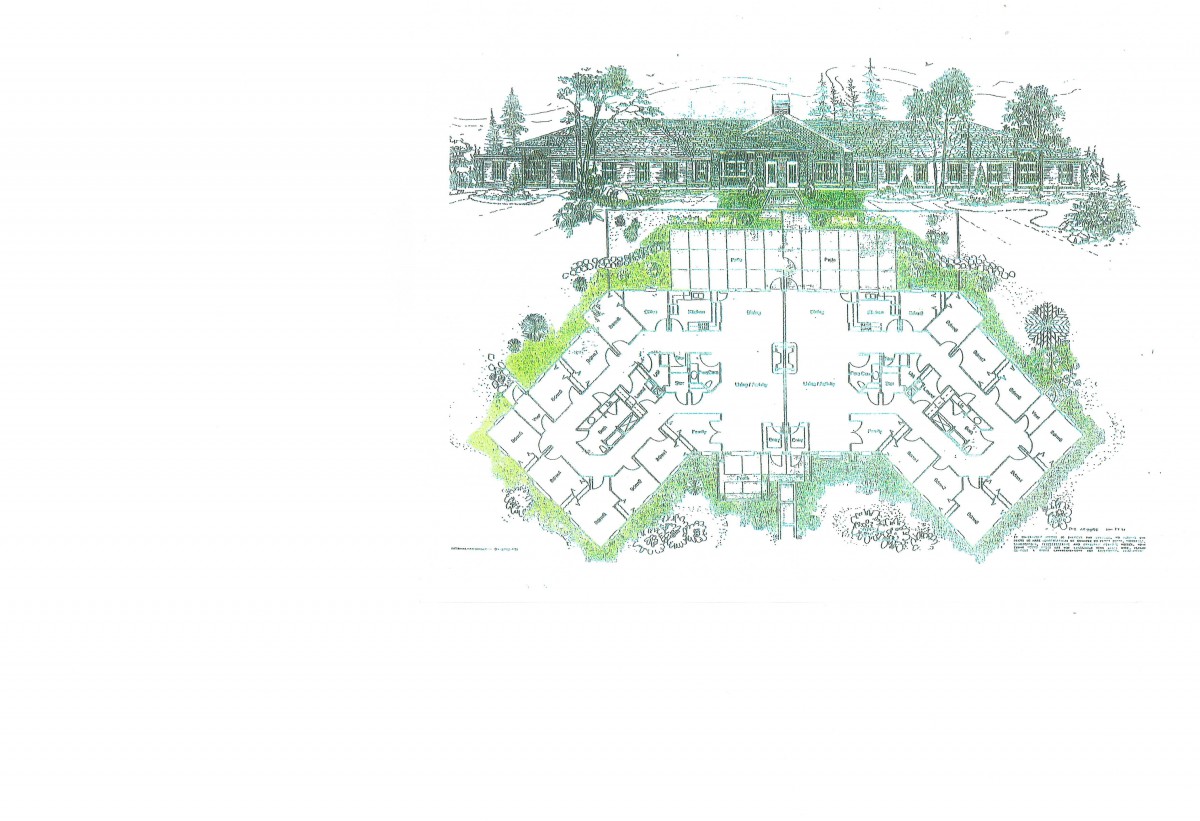
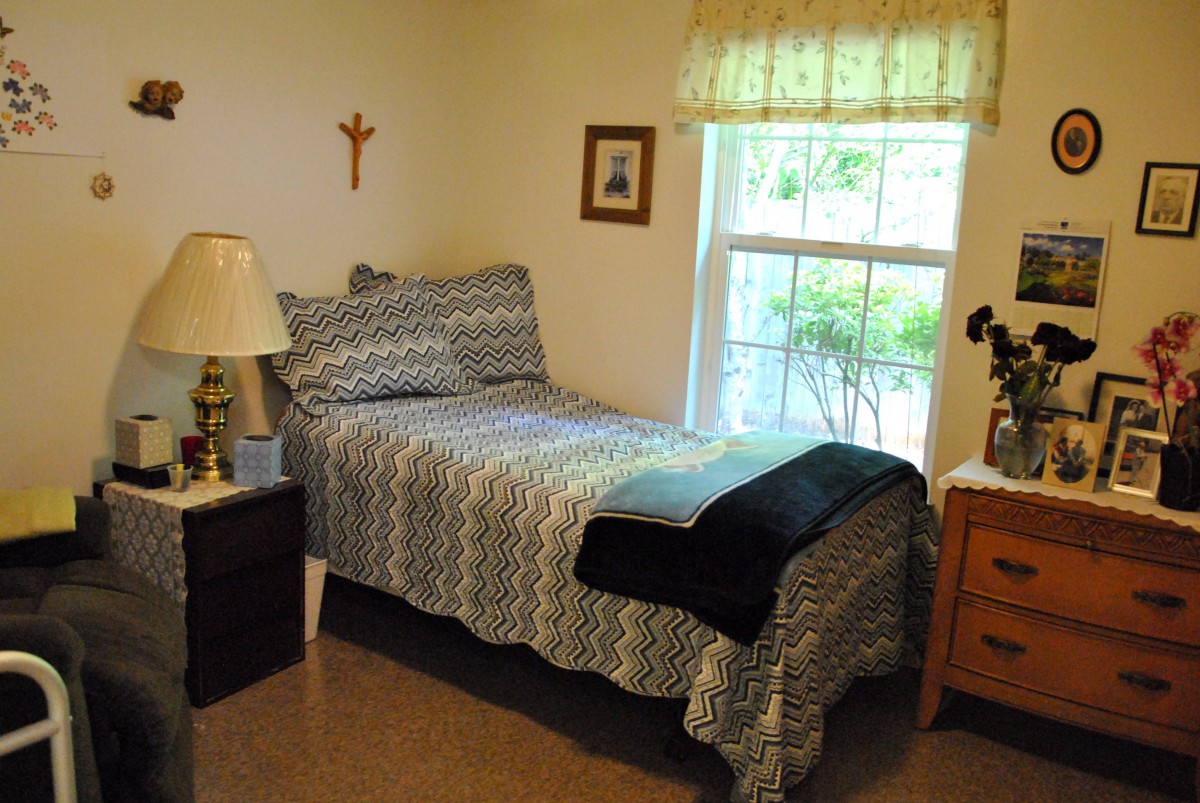
The Cottages at Mill Creek is best suited for families seeking a memory-care–focused option in a compact, small-unit environment. Residents tend to thrive in intimate clusters, roughly ten residents per unit, with staff who can deliver personalized care when the team is adequately staffed. The setting can feel like a livable, homelike space for someone with Alzheimer’s or dementia, and it sits in the Mill Creek/south Everett corridor where proximity matters. Yet this community is not the right fit for those requiring ironclad safety, constant supervision, or flawless day-to-day operations, given the recurrent concerns about staffing fluctuations and management responsiveness.
Those weighing alternatives should note that inconsistent call-bell response, sporadic communication, and frequent staff turnover are red flags that cannot be ignored. Families needing rigorous medication management, continuous medical oversight, or a transparent, consistent billing record should compare other campuses known for stable staffing and proactive administration. For residents who want larger rooms, broader amenities, or a richer menu of activities beyond the dementia unit, there are other options in the region that may better meet those expectations. In short, this campus can work when memory-care framing and a small, home-like atmosphere are the priority; it falls short for those who demand constant reliability and high-safety standards.
The facility exhibits some meaningful positives when the staffing tide is favorable: compassionate caregivers, approachable managers, and a genuine dedication to individualized routines can emerge, translating into meaningful activity plans and attentive care. Families describing these moments point to caregivers who are present and caring, with administrators who collaborate with families. However, these strengths are inconsistent and easily undermined by ongoing understaffing and turnover. When staffing is thin, communications falter, calls go unanswered, and updates lag, the potential advantages quickly recede into a sense of instability and uncertainty for loved ones.
Safety and quality concerns appear repeatedly in experiences shared by families. Several reviewers allege neglect or insufficient monitoring, including injuries and lapses in daily supervision. Food quality is another frequent issue, with accounts of meals that feel institutional or fail to meet dietary restrictions, and in some cases, residents’ needs were reportedly overlooked. Personal belongings disappearing and a perceived lack of regular medication administration contribute to a troubling picture for families seeking peace of mind. While some disputes about these claims exist, the prevalence of such concerns in reviews cannot be dismissed and deserves careful independent verification prior to enrollment. Medicaid billing questions add another layer of complexity to trust and transparency.
Management culture and accountability color the decision as strongly as daily care. A portion of reviewers praise the administrator and director of nursing for accessibility and compassion, while others describe slow-to-respond leadership, limited empathy, and ongoing turnover that erodes confidence. The contrast suggests a facility with genuine care potential but fragile operations that can undermine trust over time. Prospective families should verify current leadership responsiveness and stability, ask for recent staffing rosters, inspect how meals and activities are run, and observe direct interactions with residents during unannounced visits.
Bottom-line guidance is pragmatic: The Cottages at Mill Creek can fit families prioritizing dementia-capable care in a small, personable setting, provided there is a vigilant eye on staffing and safety. Prepare a targeted set of questions about medication administration, incident history, and staff-to-resident ratios; insist on unannounced tours and opportunities to observe meal, activity, and supervision patterns. If the answers raise concerns or if the emphasis is on consistent, transparent operations, explore nearby alternatives with stronger staffing records and clearer quality assurances. A hands-on, current evaluation remains essential before any commitment.
 Memory Care
 Activities on-site
 Devotional services on-site
 Ground floor units
 Handicap accessible
 Indoor common areas
 Outdoor common areas
 Respite or short term stays offered
 Wheelchair accessible showers
 Ambulatory care
 Diabetic care
 Medication management
 International cuisine
 Brain fitness
 Light therapy programs
 Live musical performances
 Live well programs
 Visiting chaplain or priest
 Wii bowling



 Choosing the Right Senior Care: A Detailed Exploration of Assisted Living and Nursing Homes
 Safeguarding Your Memory Through the Golden Years: Eight Ways to Preserve Cognitive Health
 Comprehensive Insights into Activities of Daily Living (ADLs) and Their Assessment