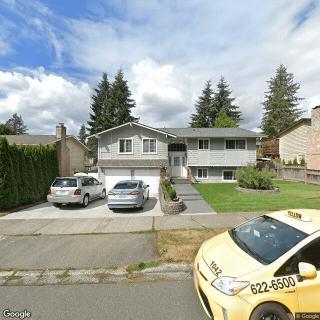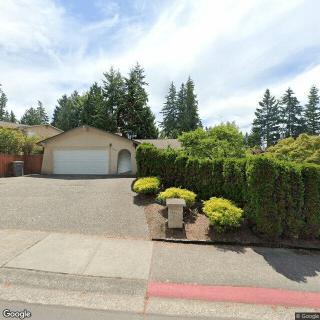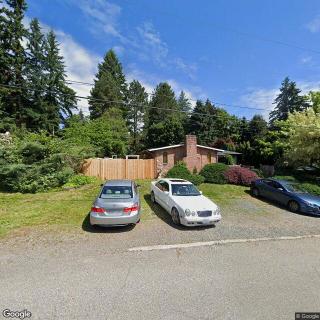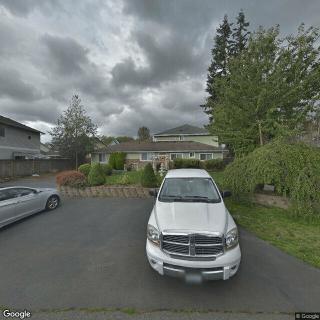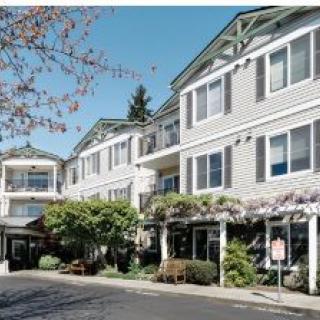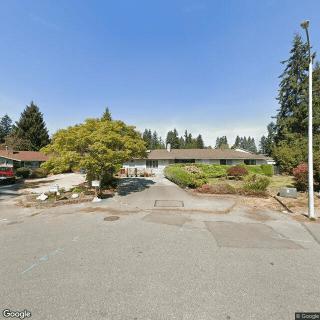
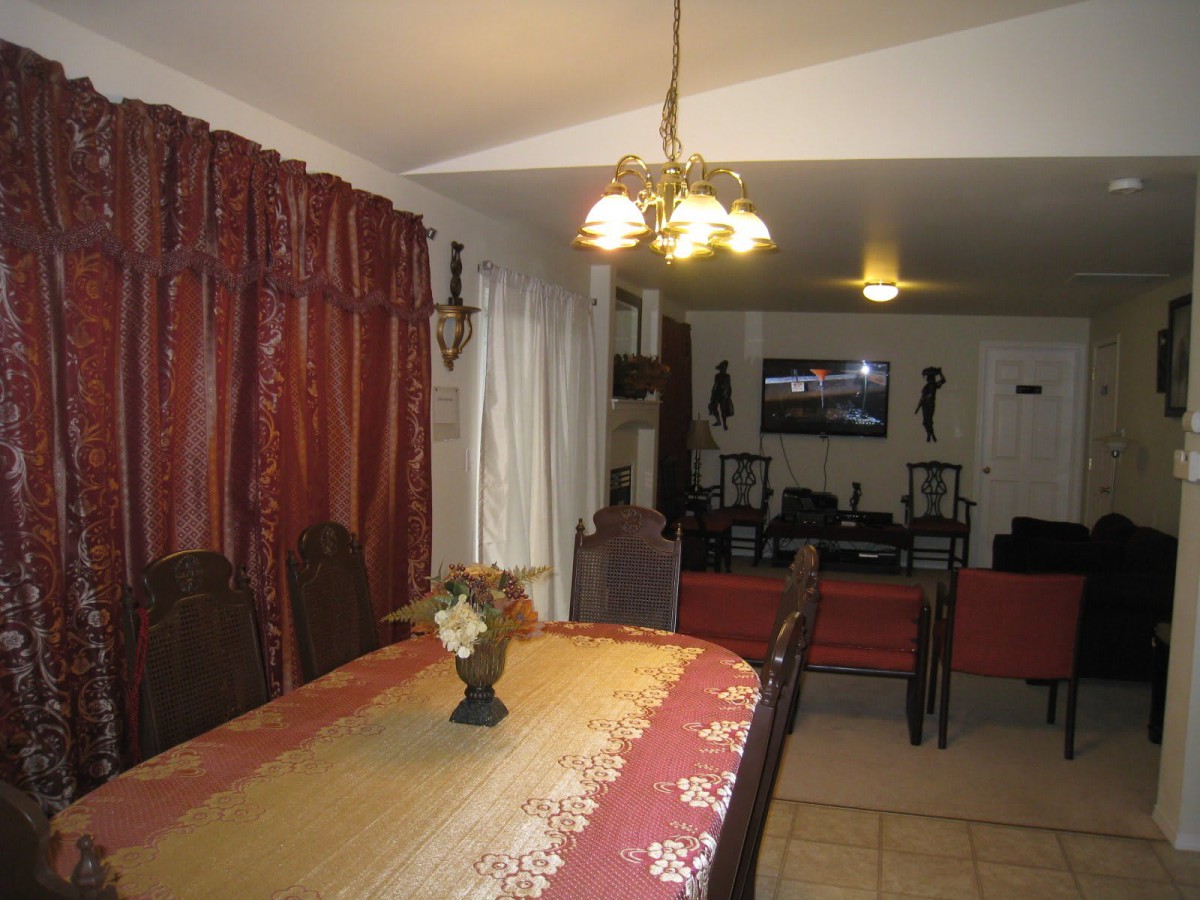
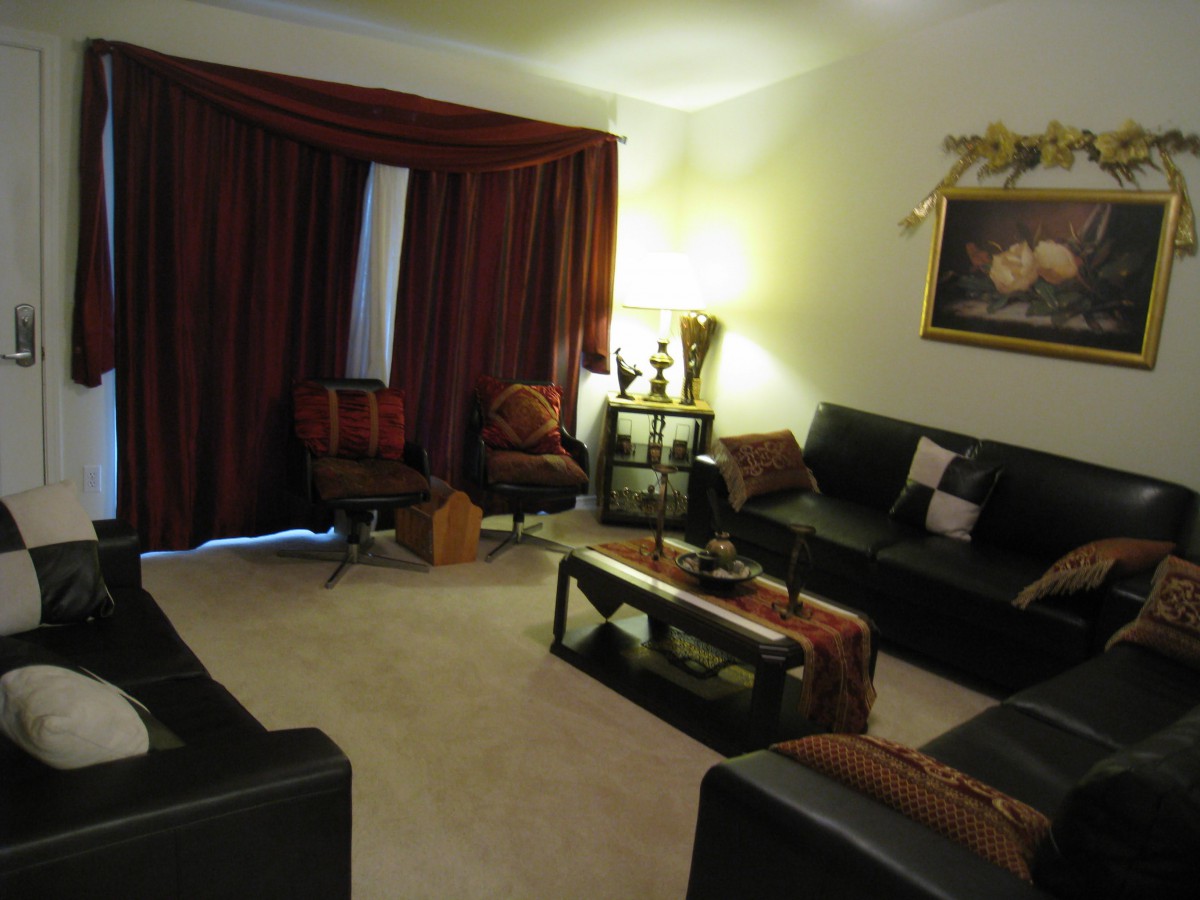
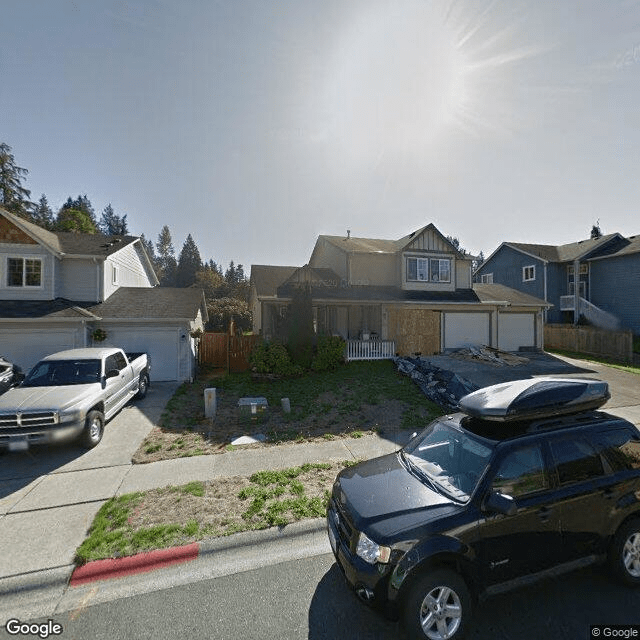
Temperly's Long Term Care Family Home in Everett, WA

Save

Temperly's Long Term Care Family Home in Everett, WA

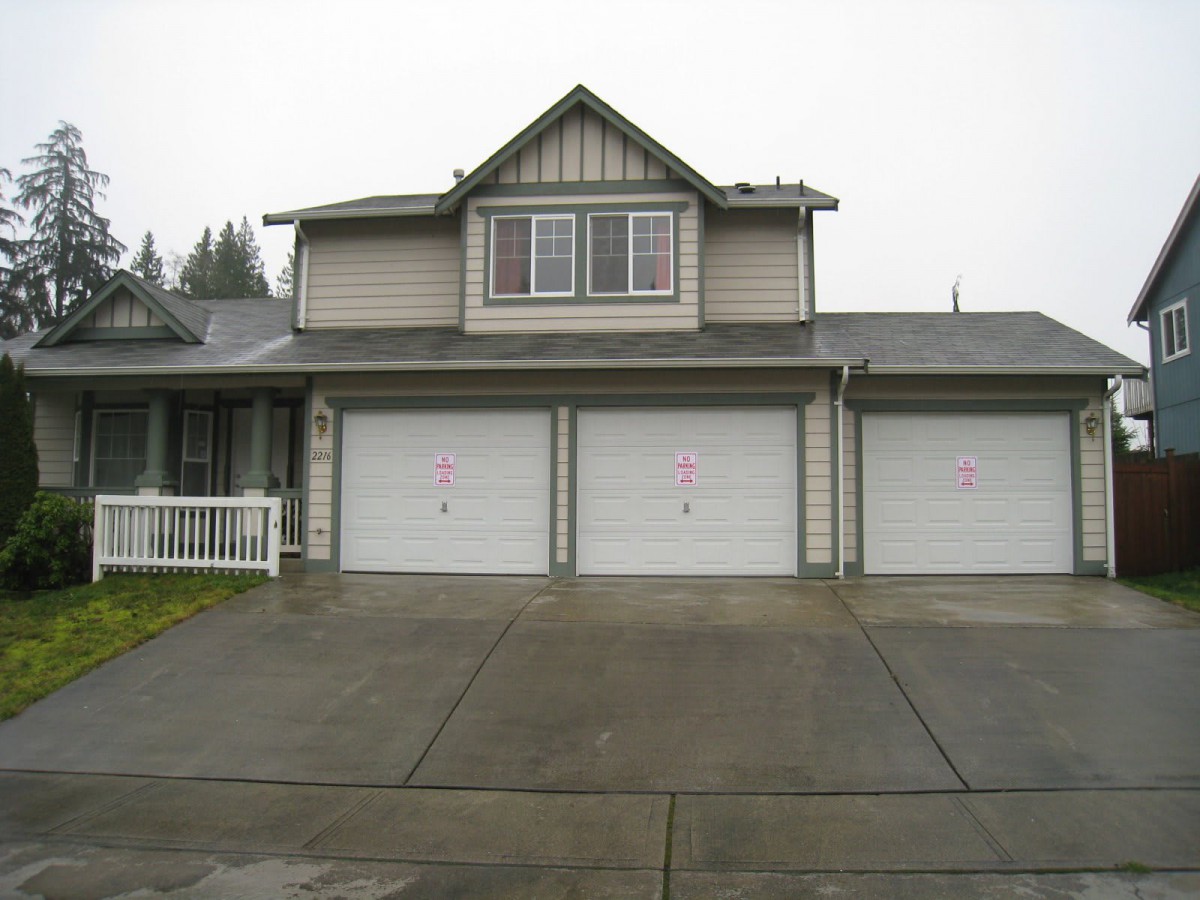
2216 127th Pl SE, Everett, WA 98208

For more information about senior living options: (844) 490-3973

5 from 3 reviews
5 stars
3
4 stars
0
3 stars
0
2 stars
0
1 stars
0

Board and Care Home Memory Care

Temperly's Long Term Care Family Home Costs & Pricing

Temperly's Long Term Care Family Home offers competitive pricing for its services, particularly when compared to the broader market in Snohomish County and throughout Washington State. For semi-private accommodations, residents can expect to pay $3,000 per month, significantly lower than the county average of $4,320 and the state average of $4,267. Private rooms are available for $5,000 per month, which is on par with the county's private room rate of $4,834 but exceeds the state average slightly at $4,772. Additionally, one-bedroom options are also priced at $5,000 per month - slightly below the county average of $5,080 yet notably higher than the state average of $4,632. Overall, Temperly's Long Term Care Family Home presents an attractive option for families seeking quality long-term care without straining their financial resources.

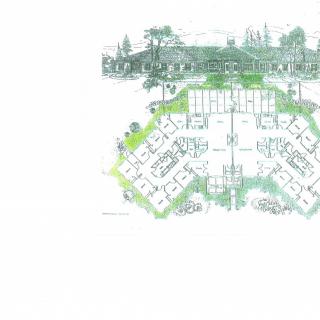
Floor plansTemperly's Long Term Care Family HomeSnohomish CountyWashington
Semi-Private$3,000$4,320$4,272
Private$5,000$4,834$4,774
1 Bedroom$5,000$5,080$4,634

Overall Review of Temperly's Long Term Care Family Home

Pros

  • pro It is a great place to live.
  • pro There are many activities.
  • pro It is a clean place.
  • pro They love this Family Home.

Review

Temperly's Long Term Care Family Home in Everett is best suited for seniors who want a warm, intimate, home-like setting where caregivers know residents personally and daily life centers on engagement, safety, and a clean, orderly environment. This community shines for those who value social opportunities and personal attention over a large, impersonal campus. It's a fit for residents who thrive on regular activities, appreciate a family-style atmosphere, and feel reassured by a small-team approach where staff can build relationships with residents and families over time.

Those who may want to consider alternatives are seniors requiring heavier medical oversight or more formal, campus-style amenities. If 24/7 skilled nursing, advanced memory care programs, or on-site access to a broad range of specialists are priorities, larger assisted living communities or skilled nursing facilities may better meet those needs. Families seeking expansive dining options, extensive on-site programming, or a facility with many separate neighborhoods might also find a bigger operation preferable. In short, when high-acuity care and a wide continuum of services are non-negotiable, it's wise to compare other options.

The strongest positives are clear and meaningful. Residents benefit from abundant activities that keep minds and bodies engaged, which aligns with the evidence of a lively, people-centered environment. The setting is consistently described as clean and well cared-for, a practical factor that reduces daily stress and supports health. The home-like vibe matters just as much as programming: a smaller scale often translates into staff who can respond quickly, customize routines, and foster genuine connections that feel less transactional than in larger facilities. These elements together create a daily life that feels purposeful rather than routine.

The potential drawbacks are not overt in the praise, but worth weighing. A family-home model can mean fewer on-site medical resources, with staff rotating through duties rather than dedicated medical teams on every shift. There may be limited on-site amenities compared with bigger communities, and residents who value absolute privacy or independent living options within the same campus might encounter a tighter living footprint. Privacy dynamics can also differ in smaller, shared living arrangements. For families, this translates into a trade-off: the comfort of personalization versus the pace and breadth of services found in larger facilities.

Yet the pros offset these trade-offs in practical ways. The same intimate setting that permits tailored care also supports fast communication and nimble adjustments to care plans as conditions change. A high value on cleanliness and daily engagement means fewer quality-of-life compromises, reducing the risk of isolation and neglect - common concerns when choosing smaller homes. For many families, the ability to observe routines, participate in activities, and witness consistent, compassionate interactions becomes the decisive factor in trust and long-term satisfaction. The overall impression is one of dependable warmth that prioritizes people over protocols.

In making a decision, families should approach Temperly's with targeted checks. Schedule front-table conversations with caregivers and the administrator to understand staff-to-resident ratios, typical nurse coverage, and how much medical care is offered on-site versus via external partners. Explore the calendar of activities and ask how residents with varying mobility participate and benefit. Bring up practical questions about pricing, what's included, and policies on respite stays or transitioning between care levels. Finally, compare with larger communities in Everett that offer broader services to ensure the chosen path aligns with current needs and potential future changes. The verdict: Temperly's is a compelling fit for families prioritizing warmth, engagement, and a clean, home-like daily rhythm, while alternatives should be considered if medical acuity or scale is the priority.

Features

Types of Care

  • Board and Care Home Board and Care HomeBoard and care homes provide a smaller, more intimate setting for seniors who require assistance with daily tasks but do not need the level of care offered by a nursing home. They offer personalized care, meals, and social activities in a homelike environment, ensuring that seniors receive individualized attention and support in their golden years.
  • Memory Care Memory CareMemory care is crucial for seniors as it provides specialized support and services for individuals with dementia or Alzheimer's disease. These programs offer a safe and secure environment where residents receive personalized care, cognitive stimulation, and help with daily activities. Memory care helps seniors maintain their independence, quality of life, and dignity while also providing peace of mind for their families.

Amenities

  • Activities off-site Activities off-siteEngaging in off-site activities is crucial for seniors to maintain social connections, stay active, and stimulate their minds. It promotes overall well-being and helps combat feelings of isolation and loneliness.
  • Activities on-site Activities on-siteActivities on-site are important for seniors because they provide opportunities for socialization, mental stimulation, physical activity, and overall well-being. Engaging in activities can help seniors stay active, maintain their independence, and improve their quality of life.
  • Bath tubs Bath tubsBath tubs are important for seniors because they provide a safe and relaxing way to bathe, helping to prevent slips and falls while promoting independence and overall well-being.
  • Devotional services off-site Devotional services off-siteDevotional services off-site are important for seniors as they provide spiritual nourishment, social engagement, and a sense of community outside of the senior living facility. This can enhance overall well-being and help combat feelings of isolation and loneliness often experienced by older adults.
  • Devotional services on-site Devotional services on-siteDevotional services on-site provide seniors with spiritual support and a sense of community, as well as an opportunity for reflection and guidance during their senior living experience. This can promote emotional well-being and connection to others, leading to a more fulfilling and enriching lifestyle in their later years.
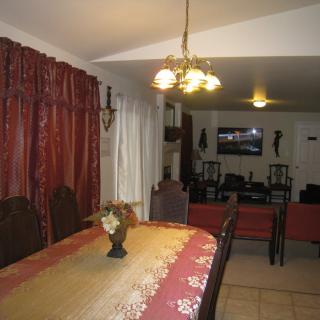
  • Indoor common areas Indoor common areasIndoor common areas are crucial for seniors as they provide a space for socialization, recreation, and community engagement, promoting overall well-being and reducing feelings of isolation and loneliness.
  • Outdoor common areas Outdoor common areasOutdoor common areas are important for seniors as they provide a space for socialization, physical activity, and relaxation. Being outside in nature can improve mood and overall well-being, while also encouraging movement and engagement with others. These spaces can help combat feelings of isolation and promote a sense of community among residents.
  • Private PrivatePrivacy is important for seniors as it allows them to maintain their independence, dignity, and sense of control over their own lives. It also gives them the space and freedom to relax, reflect, and engage in activities that bring them joy and fulfillment. Creating private spaces within senior living facilities is crucial for promoting overall well-being and quality of life.
  • Private bathrooms Private bathroomsPrivate bathrooms are important for seniors in senior living communities because they provide independence, dignity, and comfort. Having a private bathroom allows seniors to maintain their personal hygiene routines without the need for assistance, promoting a sense of autonomy and privacy. Additionally, private bathrooms help prevent the spread of infections and provide a safe and clean environment for seniors to navigate safely.
  • Respite or short term stays offered Respite or short term stays offeredRespite or short term stays provide seniors with a temporary solution when their regular caregiver is unavailable, offering them the opportunity to receive additional care and support during times of need, while also giving caregivers a chance to rest and recharge.

Care Services

  • Ambulatory care Ambulatory care"Ambulatory care services provide essential medical support and treatment to seniors without requiring hospitalization, allowing them to maintain their independence and quality of life while managing chronic conditions or receiving routine medical care."
  • Diabetic care Diabetic careDiabetic care is crucial for seniors as they are more susceptible to developing diabetes due to aging and other health conditions. Proper management of diabetes can help prevent complications such as heart disease, vision loss, and nerve damage, improving the overall quality of life for seniors in senior living communities.
  • High acuity care High acuity careHigh acuity care is important for seniors because it provides specialized medical attention and support for individuals with complex medical needs. This level of care ensures that seniors receive the appropriate treatment and assistance to maintain their health and quality of life as they age.
  • Incontinence care Incontinence careIncontinence care is essential for seniors to maintain their dignity, hygiene, and overall quality of life. By addressing incontinence issues promptly and effectively, seniors can enjoy a sense of independence and comfort in their daily activities.
  • Medication management Medication managementMedication management is crucial for seniors to ensure they are taking the right medications at the correct dosages and times. This helps prevent adverse drug interactions, reduces the risk of medication errors, and promotes overall health and well-being. Proactive management also allows for adjustments as needed based on changing health conditions or new prescriptions.

Dining

  • Meals provided Meals provided"Meals provided" are crucial for seniors in assisted living communities as it ensures they have access to nutritious, balanced meals without the stress of meal planning and preparation. This can help promote overall health and well-being for seniors who may have limited mobility or cognitive abilities.
  • Vegetarian VegetarianA vegetarian diet is important for seniors because it can help lower the risk of chronic diseases, maintain a healthy weight, and provide essential nutrients needed for aging bodies. Additionally, plant-based diets are often easier on digestive systems and can contribute to overall well-being in older adults.

Activities

  • Activities off-site Activities off-siteEngaging in off-site activities is crucial for seniors to maintain social connections, stay active, and stimulate their minds. It promotes overall well-being and helps combat feelings of isolation and loneliness.
  • Activities on-site Activities on-siteActivities on-site are important for seniors because they provide opportunities for socialization, mental stimulation, physical activity, and overall well-being. Engaging in activities can help seniors stay active, maintain their independence, and improve their quality of life.
  • Devotional activities offsite Devotional activities offsiteDevotional activities offsite are important for seniors because they provide social engagement, spiritual growth, and a sense of community outside of their living environment. This can improve overall well-being, mental health, and combat feelings of isolation or loneliness.
  • Devotional activities on-site Devotional activities on-siteDevotional activities on-site provide seniors with a sense of community, spiritual fulfillment, and emotional support, promoting overall well-being and a positive sense of purpose in their lives.

Description

Temperly's Long Term Care Family Home in Everett, WA, offers a warm and nurturing environment specifically designed for individuals requiring memory care. With a focus on creating a home-like atmosphere, this community provides a variety of amenities and services to enhance the quality of life for its residents.

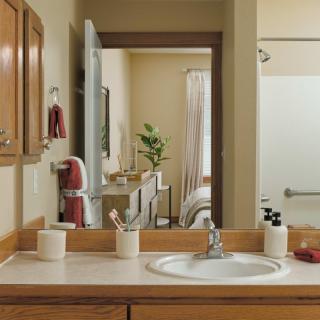
The thoughtfully designed facilities include both indoor and outdoor common areas where residents can engage in activities and socialize with their peers. For those who cherish moments of reflection or spiritual engagement, both on-site and off-site devotional services are available. Each resident enjoys the comfort of private living spaces, complete with private bathrooms to ensure privacy and dignity.

Temperly's caters to diverse healthcare needs with specialized care services that include diabetic care, high acuity support, incontinence management, and comprehensive medication management. The community also offers respite or short-term stays for families needing temporary support.

Dining options prioritize nutrition and cater to various dietary preferences, including vegetarian meals. Residents can participate in an array of engaging activities that promote mental stimulation and social interaction both on-site and through organized outings.

Conveniently located near numerous cafes, parks, pharmacies, physicians' offices, restaurants, transportation options, and entertainment venues such as theaters, Temperly’s Long Term Care Family Home ensures that residents have access to essential services while enjoying the vibrant offerings of Everett.

In summary, Temperly's Long Term Care Family Home is dedicated to providing compassionate memory care in a supportive community setting where residents can thrive emotionally and physically.

Nearby Places of Interest

This part of Everett, Washington, offers a variety of healthcare options including specialists in pulmonary and sleep disorders, asthma and allergies, dermatology, family medicine, and more. There are several pharmacies conveniently located nearby for easy access to medications. In terms of amenities and entertainment, there are multiple cafes including Starbucks, fast food restaurants like McDonald's and Taco Bell, as well as a Mexican grill restaurant. For leisure activities, there are theaters such as Regal Everett & RPX and AMC Alderwood Mall 16 within a few miles. Additionally, there are several parks nearby for outdoor recreation. The area also has transportation services available through U-Haul Moving & Storage and the Snohomish County Airport. Places of worship are easily accessible as well for those who wish to continue practicing their faith. Overall, this part of Everett provides a range of conveniences and services that may be beneficial for seniors looking to relocate to the area.

Physicians

  • Dr Z Pulmonary and Sleep Specialist (0.2 miles)
  • Providence Medical Center (0.3 miles)
  • Northwest Asthma & Allergy Center (1.5 miles)
  • Everett Clinic (4.4 miles)
  • Snohomish Family Medicine: Western Washington Medical Group (5.5 miles)
  • The Everett Clinic: Dermatology (5.7 miles)
  • Everett Clinic (5.7 miles)

Cafes

  • Starbucks (0.3 miles)
  • Starbucks (1.1 miles)
  • Starbucks (1.7 miles)
  • Starbucks (3.2 miles)
  • Starbucks (3.5 miles)
  • Starbucks (4.6 miles)
  • Starbucks (4.9 miles)

Pharmacies

  • Walgreens (0.3 miles)
  • Rite Aid (0.7 miles)
  • Albertsons Pharmacy (0.8 miles)
  • Safeway Pharmacy (1.1 miles)
  • Bartell Drugs (1.7 miles)
  • Walgreens (2 miles)
  • Rite Aid (2.2 miles)

Restaurants

  • McDonald's (0.7 miles)
  • El Paraiso Mexican Grill (1.1 miles)
  • Taco Bell (1.8 miles)
  • McDonald's (1.8 miles)
  • Burger King (1.8 miles)
  • McDonald's (2.2 miles)
  • Avocado's Mexican Restaurant (2.5 miles)

Theaters

  • Regal Everett & RPX (2 miles)
  • AMC Alderwood Mall 16 (5.1 miles)

Parks

  • Tambark Creek Park (3.1 miles)
  • High Trek Adventures (3.6 miles)
  • Lynndale Park (5 miles)
  • Forest Park Water Playground (5.4 miles)
  • Meadowdale County Park (5.6 miles)
  • Mukilteo Lighthouse Park (6.6 miles)

Transportation

  • U-Haul Moving & Storage (3.7 miles)
  • Snohomish County Airport (PAE) (3.9 miles)
  • The Boeing Company (4.4 miles)
  • Amtrak (6.5 miles)

Places of Worship

  • Hindu Temple & Cultural Center (5.4 miles)
  • Christ the King Lutheran Church (6.3 miles)

Hospitals

  • Prachi Thekdi, ARNP, DNP (5.7 miles)

Frequently Asked Questions

How much does it cost to live at Temperly's Long Term Care Family Home in Everett, WA?
Where is Temperly's Long Term Care Family Home?
Does Temperly's Long Term Care Family Home provide care for residents with dementia or Alzheimer's disease?
What photos are available for Temperly's Long Term Care Family Home in Everett, Washington?

Nearby Communities

  • Applewood Homecare

    Applewood Homecare

    Everett, WA

     
    $3,000 to $4,500 / month

    pro Competitive pricing relative to Snohomish County and statewide averages, plus comprehensive high-acuity, incontinence, and medication management services.

  • Joy El-Bethel AFH

    Joy El-Bethel AFH

    Everett, WA

     
    $3,500 to $4,000 / month

    pro Competitive pricing (semi-private $3,500; private $4,000) vs county/state averages.

  • Good Samaritan Adult Family Home II

    Good Samaritan Adult Family Home II

    Everett, WA

    3.5 from 2 reviews
    $3,000 to $3,500 / month

    pro Competitive pricing for memory care

  • Brookdale Arbor Place

    Brookdale Arbor Place

    Everett, WA

    4.2 from 85 reviews
    $4,870 to $8,040 / month

    pro Friendly staff, engaging activities, and a clean, welcoming environment.

  • Bothell Care AFH

    Bothell Care AFH

    Mill Creek, WA

    4 from 4 reviews
    $3,500 / month

    pro Competitive private-room pricing with respite care; located near dining, parks, and healthcare resources.

  • A Caring Touch

    A Caring Touch

    Bothell, WA

    4.7 from 9 reviews
    $3,500 / month

    pro Competitive pricing for private rooms ($3,500/mo) with 24/7 care and a family-style mother-daughter-staff model that supports social meals.

  • The Cottages at Mill Creek

    The Cottages at Mill Creek

    Mill Creek, WA

    3.2 from 19 reviews
    $4,450 to $4,950 / month

    pro Compassionate staff with patient-centered care in an intimate, small-unit setting.

  • MorningStar at Silver Lake

    MorningStar at Silver Lake

    Everett, WA

    4.8 from 152 reviews
    $4,070 to $5,170 / month

    pro Friendly staff, inviting atmosphere, and strong dining/activities.

  • Home Instead Senior Care - Everett,  WA

    Home Instead Senior Care - Everett, WA

    Everett, WA

    4.8 from 54 reviews
     

    pro Management is taking steps to address caregiver concerns and maintain consistency.

Related Resources

  • can you die from dementiaAre Dementia and Alzheimer's Disease Lethal? A Comprehensive Exploration

    Dementia, including Alzheimer’s disease, is often mischaracterized in terms of lethality as it leads to complications that can be fatal rather than being a direct cause of death; it causes a progressive decline in cognitive and physical health, making patients vulnerable to infections and other health crises. Effective management of nutrition, hydration, and communication is crucial in patient care, with palliative care becoming vital in advanced stages to enhance comfort and quality of life while caregivers play a key role amidst the challenges posed by the disease.

  • reminiscence therapyExploring the Power of Reminiscence Therapy for Individuals With Dementia

    Reminiscence therapy helps individuals with dementia recall past memories through structured discussions and meaningful objects, enhancing mood, relationships, and sense of identity while celebrating their lives. It can be practiced in formal settings or at home, requiring sensitivity to personal histories and cultural backgrounds.

  • reminiscence therapyAn In-Depth Look at Reminiscence Therapy in Dementia Care

    Reminiscence therapy is a structured method for older adults, especially those with dementia, to share life stories using prompts and sensory cues, fostering emotional well-being, social engagement, and self-identity. It aims to improve quality of life by enhancing interpersonal connections and cognitive stimulation while requiring careful facilitation to avoid distressing memories.