
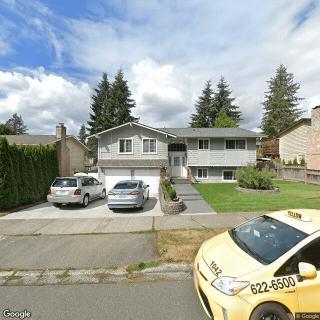
13212 30th Drive SE, Bothell, WA 98012
To contact a resident: (425) 949-5064
For more information about senior living options: (866) 208-4318
A Caring Touch Costs & Pricing
A Caring Touch offers competitive pricing for its private rooms at $3,500 per month, which stands out favorably against the average costs in Snohomish County and the broader Washington state. In comparison, the average monthly cost in Snohomish County is $4,834, while the state average is slightly lower at $4,772. This positions A Caring Touch as an accessible option for individuals seeking quality care without compromising on their budget. The significant savings of over $1,300 compared to county averages reflect A Caring Touch's commitment to providing value while maintaining high standards of service.
| Floor plans | A Caring Touch | Snohomish County | Washington |
|---|---|---|---|
| Private | $3,500 | $4,834 | $4,774 |
Senior living communities with a similar price nearby
-
About the same
Dignity Life
$3,500 / month2.7 miles away -
from -$125 / mo

Evergreen Manor Senior Care Inc
$3,375 to $7,500 / month12.6 miles away -
from -$500 / mo

Caring Adult Family Home #1
$3,000 / month7.8 miles away -
About the same

Terrace View AFH
$3,500 to $4,000 / month7.3 miles away -
About the same

Nebisolo AFH
$3,500 to $4,000 / month8.6 miles away
Overall Review of A Caring Touch
Pros
 The facility is described as a home away from home for seniors.
- He is seen as kind, loving, and caring, and looks after his caregivers.
- The home is described as compassionate.
- It is a great adult family home that goes beyond to keep residents safe and make them feel like family.
- The owner is described as very pleasant and is from Kenya.
- The new house is designed for seniors with six bedrooms, recessed carpet, TVs in rooms, heated floors, and two caregivers at all times.
- It features a mother/daughter staff and meals shared together.
- Tours are encouraged.
Review
A Caring Touch in Bothell is best suited for seniors who want a true home-like, intimate setting where caregivers form real, ongoing relationships with residents. This is a small-house operation with six bedrooms, run by an owner who comes from a compassionate, family-oriented background and supported by a mother-daughter staffing model. For families seeking daily warmth, shared meals, and hands-on attention from people who know their loved one’s preferences, this community stands out as a natural fit.
The strongest positives come from the intimate scale and the deliberate caregiver presence. Two caregivers are available at all times, ensuring steady supervision, prompt response, and meaningful one-on-one time. Meals are shared, reinforcing a sense of family and belonging that larger campuses often struggle to recreate. The physical environment reinforces the tone: a newly constructed house with thoughtful touches like recessed carpet, heated floors, and TVs in individual rooms; these features support comfort and dignity while minimizing institutional feel. The owner’s approachable demeanor and the evident commitment of the mother-daughter team amplify accountability, fostering trust for families who prioritize consistent, compassionate care.
Yet the same intimate setup can expose limitations that matter to some families. A six-bedroom home naturally offers a smaller resident pool, which can translate to fewer daily social options and a lighter calendar of organized activities than bigger assisted-living campuses provide. For loved ones with complex medical needs, high-touch clinical oversight, or a requirement for a wide array of scheduled programs, this setting may feel underserviced relative to larger communities. Those who expect robust memory-care resources or a highly structured routine should weigh whether this smaller, homier model meets those needs.
Alternatives become worth considering for residents with those higher service expectations. Larger, multi-wing facilities often deliver more extensive activity calendars, broader on-site health supports, and specialized units for memory care. If a bustling campus with frequent organized events, greater access to diverse therapies, and more predictable daily schedules is non-negotiable, families should compare options beyond this home-like model. The decision hinges on balancing warmth and personalization against breadth of services and formal programming.
Still, the favorable blend of warmth and attentiveness remains the core value proposition. The community carries a strong overall rating, 4.7 out of 9 reviews, with seven five-star reviews, plus one four-star and one three-star review. That consensus signals dependable kindness and reliable care, even as a minority voice notes room for improvement. The caregiver-to-resident ratio, the family-centered operation, and the sense that residents are treated as part of a close-knit unit are the defining strengths. For families who prize dignity, continuity, and genuine connection over the sheer volume of activities, these are decisive advantages.
In the end, A Caring Touch is a practical match for seniors who want personalized, compassionate attention in a fresh, home-like setting, with demonstrable caregiver continuity and real family involvement. It’s a compelling recommendation for families prioritizing warmth, respect, and everyday meaning over large-scale amenities. Those who require extensive medical services, a broad social calendar, or a dedicated memory-care environment should actively compare with larger facilities and request detailed care plans, staffing models, and activity rosters during tours. Schedule a visit, meet the owner, observe interactions between staff and residents, and decide whether this family-driven approach aligns with the loved one’s pace, preferences, and level of independence.
 Board and Care Home
 Cats allowed
 Dogs allowed
 Activities off-site
 Beautician on-site
 Devotional services off-site
 Indoor common areas
 Outdoor common areas
 Private
 Respite or short term stays offered
 Wheelchair accessible showers
 Diabetic care
 High acuity care
 Incontinence care
 Medication management
 Kosher



 Comprehensive Approaches for Arthritis: A Detailed Guide to Symptoms, Causes, and Care
 Comprehensive Insights and Practical Strategies to Help Older Adults Avoid Falls
 6 Crucial Ways an Elder Law Attorney Assists Families