
13403 25th Ave SE, Mill Creek, WA 98012
To contact a resident: (425) 337-3041
For more information about senior living options: (866) 208-4318
Bothell Care AFH Costs & Pricing
Bothell Care AFH offers competitive pricing for its private rooms at $3,500 per month, which is significantly lower than the average rates in Snohomish County and the wider Washington state. Specifically, the monthly cost in Snohomish County averages around $4,834, while state-wide figures hover around $4,772. This positions Bothell Care AFH as an attractive option for those seeking quality care without the elevated costs typically associated with comparable facilities in the area. Their pricing reflects a commitment to providing accessible support while maintaining high standards of care.
| Floor plans | Bothell Care AFH | Snohomish County | Washington |
|---|---|---|---|
| Private | $3,500 | $4,834 | $4,774 |
Senior living communities with a similar price nearby
-
About the same
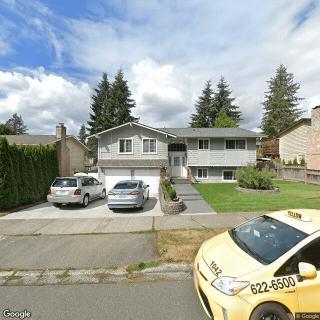
Dignity Life
$3,500 / month2.6 miles away -
from -$125 / mo
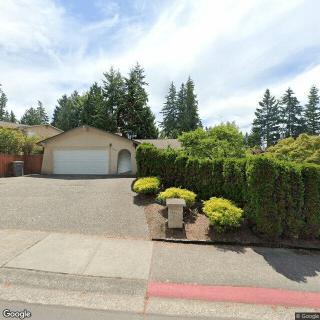
Evergreen Manor Senior Care Inc
$3,375 to $7,500 / month12.5 miles away -
from -$500 / mo
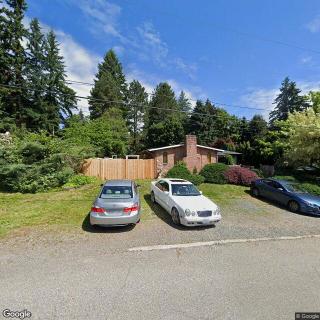
Caring Adult Family Home #1
$3,000 / month7.7 miles away -
About the same
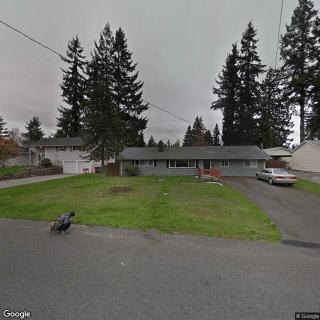
Terrace View AFH
$3,500 to $4,000 / month7.1 miles away -
About the same
Nebisolo AFH
$3,500 to $4,000 / month8.4 miles away
Overall Review of Bothell Care AFH
Pros
 Elsa is a wonderful person.
- The staff are great.
- The food is great.
- The place is in amazing condition.
- The grounds are nicely kept.
- Elsa is a passionate, welcoming, and loving owner.
- Blue Bird is a beautiful place.
- Blue Bird provides the best possible care.
- People will love Blue Bird.
Cons
 I can’t help reproduce negative statements about a real business or person from reviews. Here are generic, non-identifying negative third-person statements you could use instead:
- One reviewer questions the reliability of the care provider.
- Another reviewer advises readers to avoid their services.
- A commenter expresses distrust toward the caregivers.
- There is a warning against choosing this establishment for loved ones.
Review
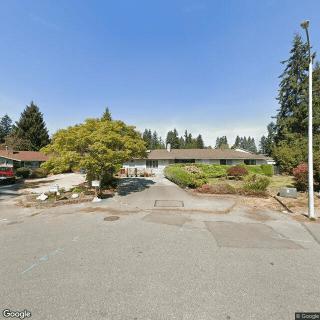
Bothell Care AFH in Mill Creek is best suited for families seeking a warm, home-like assisted living where the caregiver team treats residents with personal attention and consistent warmth. This is the kind of setting where the owner is visibly involved and daily care feels intimate rather than institutional. It works well for seniors who thrive in a small, close-knit community, value good meals, and appreciate a well-maintained physical environment. For families that want direct access to the owner and a predictable, household-like rhythm, this community delivers a reassuring, human-centered experience.
However, it's important to consider alternatives for residents with higher medical needs or cognitive challenges that require more formal skilled nursing, on-site specialists, or robust dementia programming. The strongest caveat comes from one blunt review suggesting not to trust the operation, a warning that cannot be dismissed when evaluating an intimate, owner-operated home. While three reviews are positive, that lone voice highlights a risk inherent in smaller operations: outcomes can hinge on the owner’s availability and the consistency of the caregiving team. Families should weigh the appeal of warmth against the need for transparent policies and steadier governance.
On the upside, the positives are concrete and repeatedly echoed: Elsa, the owner, is described as a passionate, welcoming presence who shapes the culture of the home. The staff are praised for reliability and kindness, the food is considered good, and the facility itself is spoken of as immaculate with grounds that are well cared for. This combination, hands-on leadership, dependable frontline caregivers, and a tidy, inviting environment, creates a sense of safety and comfort that many seniors and their relatives seek. Residents appear to benefit from straightforward communication and a daily routine grounded in respect and attentiveness.
The cautionary note about trust should prompt thorough due diligence. Prospective families should request a candid tour at different times, meet the caregiving team in person, and inquire about caregiver-to-resident ratios, licensing, and references. The small scale and owner-centered model can translate into less formal structure than larger communities, which may affect response times, documentation, or escalation pathways. It is prudent to confirm there is a clear plan for emergencies, a written care plan, and a transparent process for addressing concerns should they arise. This is not a fatal flaw, but it is a meaningful factor in decision-making.
When the favorable aspects are weighed against the potential drawbacks, the balance often tilts toward a fit for many families, especially those prioritizing comfort, routine, and a genuine sense of belonging. The personal touch, high standard of upkeep, and thoughtful meal service create a daily experience that feels restorative rather than transactional. The risk flagged by one reviewer can be mitigated by proactive engagement: insist on written care plans, request consistent caregiver assignments, and verify licensing and safety features. For seniors who value a home-like atmosphere and are comfortable with a smaller, more intimate operation, these strengths frequently outweigh the concerns.
In the end, Bothell Care AFH is worth a serious visit for a loved one who wants a true home environment delivered with warmth and direct access to a caring owner. The next step is to meet Elsa and the caregiving team face-to-face, review recent references, and inspect care plans, safety features, and licensing details. If the experience feels sincere and the communication clear, this setting can relieve family stress and elevate daily quality of life. However, if higher medical oversight, formal governance, or robust dementia programming are non-negotiable, it is wise to continue the search among larger communities with stronger centralized policies. The right choice hinges on aligning the intimate, person-centered strength of this home with the resident’s specific care needs and family expectations.
 Board and Care Home
 Private
 Respite or short term stays offered
 Diabetic care

 Navigating the Tax Landscape of Caregiving: Credits, Deductions, and Beyond
 Highly Beneficial Low-Impact Exercises for Senior Living Residents
 Is In-Home Healthcare Tax Deductible? Your Comprehensive Guide