
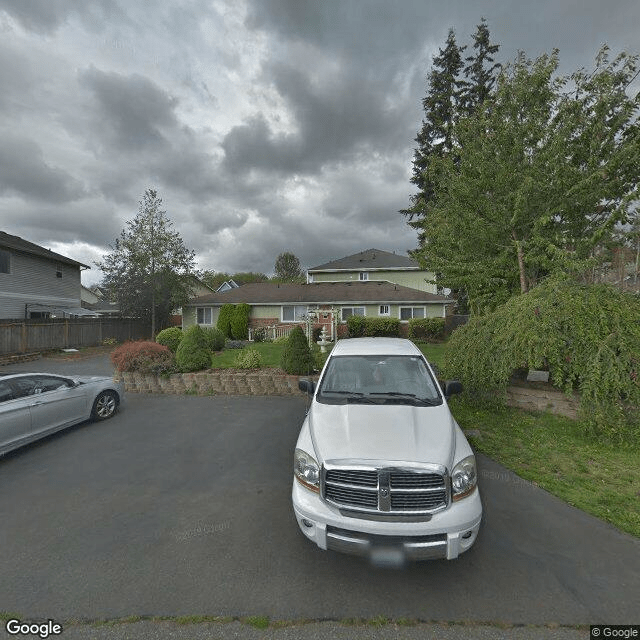
11000 1st Ave SE, Everett, WA 98208
To contact a resident: (425) 512-8684
For more information about senior living options: (866) 208-4318
Silver Pond AFH Costs & Pricing
Silver Pond Adult Family Home (AFH) offers competitive pricing for its services compared to the broader market in Snohomish County and the state of Washington. For a semi-private room, Silver Pond AFH charges $2,500 per month, significantly lower than the county average of $4,320 and the state average of $4,267. When it comes to private rooms, Silver Pond's fee of $3,500 also stands out favorably against Snohomish County's average of $4,834 and Washington's average of $4,772. This positions Silver Pond AFH as an attractive option for those seeking quality care at a more affordable price point within the region.
| Floor plans | Silver Pond AFH | Snohomish County | Washington |
|---|---|---|---|
| Semi-Private | $2,500 | $4,320 | $4,272 |
| Private | $3,500 | $4,834 | $4,774 |
Memory care communities with a similar price nearby
-
from -$150 / mo
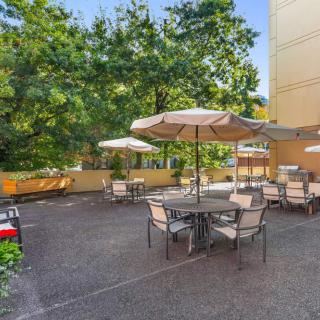
Truewood By Merrill, First Hill
$2,350 to $5,550 / month20.2 miles away -
About the same

Bayview Retirement Community
$2,450 to $4,630 / month19.6 miles away -
from +$415 / mo

Merrill Gardens at Ballard
$2,915 to $5,795 / month17.4 miles away -
from -$350 / mo
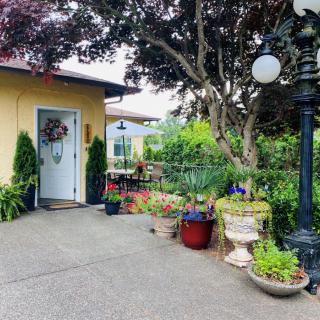
Prime Choice AFH, LLC
$2,150 to $8,000 / month13.5 miles away -
About the same
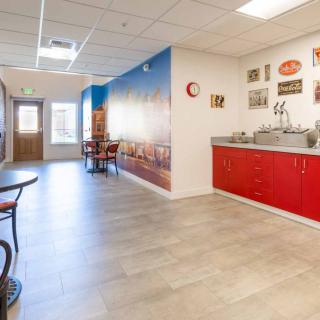
Mukilteo Memory Care
$2,500 to $6,900 / month3.0 miles away
Overall Review of Silver Pond AFH
Pros
 AFH at Silver Lake is described as the best decision for Mom, with care that feels like an extended family.
- The staff, including Miki and Gabby, are compassionate, attentive, and professional.
- The home offers on-site visiting doctors and dentists, with strong encouragement of family involvement in person or virtually.
- The facility is clean, well kept, and safe, with daily hygiene reliably attended to.
- Residents enjoy engaging activities such as Friday sing-alongs with live musicians, movie days, bingo, and outdoor pony visits and lunches.
- Meals are fresh and home-cooked, including eggs from onsite chickens, with culturally preferred dishes when needed.
- Families receive frequent updates and are included in care decisions through detailed, individualized care plans.
- Hospice care, when needed, is delivered with compassion and professionalism, ensuring comfort.
Cons
 They were disappointed to learn that AFH @ Silver Lake did not allow a Hoyer Lift, something they had hoped would be available during Medicaid step-down.
- They faced the grim prognosis that their mother might have only six months left, which was deeply heartbreaking.
- They experienced the sorrow of their mother passing away eight days after hospice care began.
- They felt that there was nothing more anyone could do for their loved one in those final days.
- They described the situation as an obvious tragedy despite the rest of the positive experiences.
Review
This community is best suited for families who want an intimate, home-like setting where care feels personal and staff truly treats residents as family. The reviews consistently describe AFH at Silver Lake as a place where caregivers form close, hands-on relationships with residents, enabling meaningful daily engagement and quick responsiveness. Families appreciate the on-site visiting doctors and dentists, meaning medical touchpoints happen without the exhausting transport battles typical of larger facilities. The environment is clean, well-kept, and safeguarded by attentive staff who provide regular updates, involve family in decisions, and tailor activities to residents’ interests. For seniors who value warmth, continuity, and a strong sense of belonging, this is a compelling fit.
Those who may want to consider alternatives are the ones seeking a more institutional, larger-scale operation with broader medical staffing or more formalized step-down services supported by Medicaid. One review notes a past interest in a Hoyer Lift and Medicaid step-down, which ultimately wasn’t needed, but the fact that families consider such options signals that this setting may feel too small or specialized for some needs. For residents requiring extensive, around-the-clock medical management or a wide array of on-site specialists beyond what a small home can sustain, a bigger assisted-living community or a dedicated memory-care campus might deliver the level of clinical breadth those families expect.
The core strengths of this community lie in its exceptional personal attention and highly engaged care team. Caregivers are described as attentive, compassionate, and deeply involved in residents’ daily lives, with care plans that are meticulous and individualized. Families consistently point to safety as a core priority, and the staff’s proactive communication, often with specific updates about medications or health changes, sends a strong peace-of-mind signal. The combination of careful oversight and frequent family involvement helps residents stay mentally stimulated and socially connected, softening the transition from independent living to assisted living.
Emotional support and end-of-life care emerge as standout elements, translating into tangible relief for anxious families. Several testimonials recount compassionate, patient-centered responses during difficult times, including hospice coordination and pain management that kept loved ones comfortable. This is not a facsimile of care; it is deeply personal, with staff who “treat families with humanity” and who stay engaged even as circumstances evolve. Such experiences elevate the overall value of the setting, particularly for families seeking a dignified, comforting pathway through advanced aging or terminal illness.
Cultural alignment and personalized lifestyle choices further offset minor trade-offs of a smaller operation. The menus reflect residents’ preferences, including Asian dishes for families who request them, and meals are described as home-cooked and thoughtfully prepared. Everyday life is vibrant: live music, sing-alongs, movie days, and regular outdoor activities create a rhythm that keeps residents engaged without feeling institutional. Cleanliness and a welcoming atmosphere reinforce a sense of safety and pride in the home. These elements collectively counterbalance any belief that a smaller home cannot deliver a rich, well-rounded daily experience.
For families weighing this option, the verdict is clear: AFH at Silver Lake/AFH-style homes offer a rare blend of intimate care, family involvement, and genuine warmth that scales well with the emotional and social needs of many seniors. The standout questions to ask during a visit should focus on care planning depth, the ability to respond to evolving health conditions, and the level of family participation supported by staff. If the priority is a tightly knit, compassionate home where staff know residents by name, adjust routines to personal histories, and coordinate care with empathy and transparency, this setting wins. If the expectation leans toward a large, medically expansive campus or aggressive Medicaid-driven services, alternatives deserve exploration.
 Board and Care Home
 Memory Care
 Cats allowed
 Activities off-site
 Bath tubs
 Indoor common areas
 Outdoor common areas
 Private
 Private bathrooms
 Respite or short term stays offered
 Wheelchair accessible showers
 Diabetic care
 High acuity care
 Incontinence care
 Medication management
 Meals provided

 Engaging Memory Care Activities That Enhance Quality of Life
 When to Transition from Assisted Living to Memory Care: Key Indicators, Steps, and Finding the Right Community
 Understanding the Distinctions: Assisted Living and Memory Care Explained