
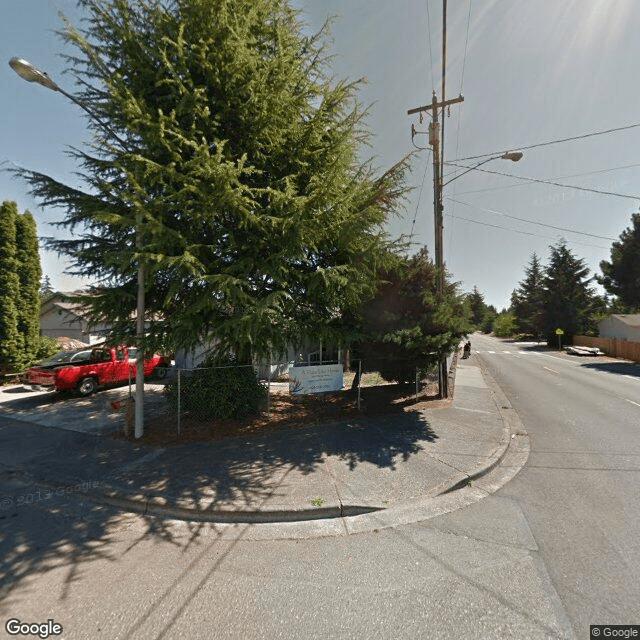
302 107th Pl SE, Everett, WA 98208
To contact a resident: (425) 275-1257
For more information about senior living options: (866) 208-4318
A Place Like Home Costs & Pricing
A Place Like Home offers a competitive pricing structure for its private rooms, set at $3,500 per month. This cost is notably lower than both the average monthly rate in Snohomish County, which stands at $4,834, and the broader state average for Washington at $4,772. By providing high-quality accommodations at a more accessible price point, A Place Like Home positions itself as an appealing choice for individuals seeking comfortable living arrangements that don't compromise on care or community engagement.
| Floor plans | A Place Like Home | Snohomish County | Washington |
|---|---|---|---|
| Private | $3,500 | $4,834 | $4,774 |
Senior living communities with a similar price nearby
-
About the same
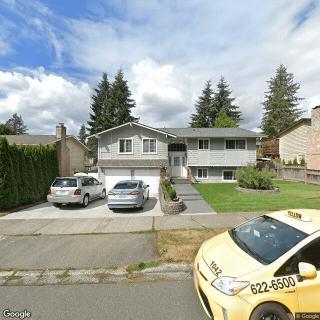
Dignity Life
$3,500 / month4.4 miles away -
from -$125 / mo
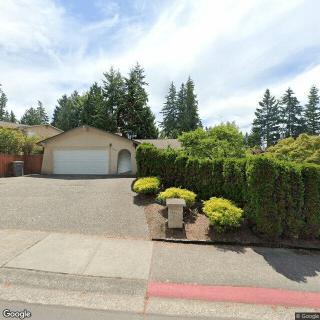
Evergreen Manor Senior Care Inc
$3,375 to $7,500 / month14.4 miles away -
from -$500 / mo
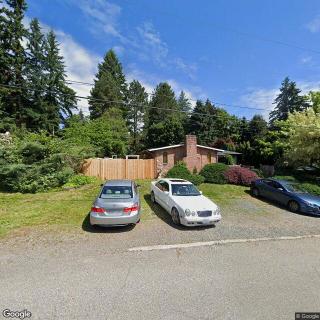
Caring Adult Family Home #1
$3,000 / month9.5 miles away -
About the same
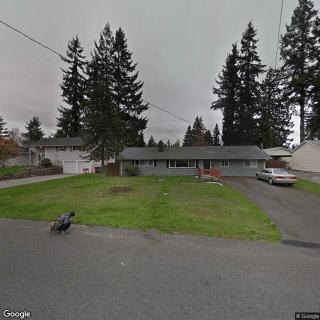
Terrace View AFH
$3,500 to $4,000 / month7.7 miles away -
About the same
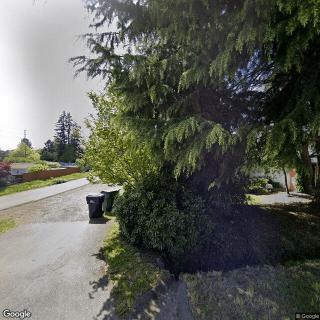
Nebisolo AFH
$3,500 to $4,000 / month9.2 miles away
Overall Review of A Place Like Home
Pros
 A Place Like Home surpasses expectations with exceptional care and a collaborative approach.
- The staff's expertise and compassion create a supportive environment that prioritizes personalized care for residents.
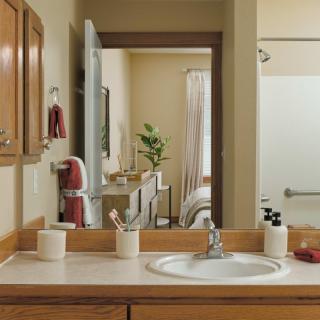
- The facility is well-maintained, providing a safe and comfortable living space.
- Modern equipment and collaboration with external healthcare services make A Place Like Home an outstanding choice for residents in need of care and support.
- The staff and management provide gentle, loving care and treat residents as if they were their own family.
- The home offers a warm, welcoming atmosphere where holidays are celebrated and residents feel special.
- The staff maintain regular communication with families and demonstrate stability with little turnover, supporting consistent care.
Review
A Place Like Home in Everett, WA is best suited for families seeking a warm, home-like setting where seniors receive highly personalized, attentive care from long-tenured staff. This is the kind of community that works well when a loved one thrives on consistent, relationship-based caregiving, meaningful daily interactions, and a living environment that feels like family. The setting caters to residents who value everyday comforts, regular human connection, and the reassurance that caretakers know their routine, preferences, and health needs intimately. For families prioritizing peace of mind through dependable, compassionate hands, this AFH model delivers standout alignment.
Those who may want to consider alternatives include residents who require more intensive, hospital-level medical support or dementia-specific programming, or families seeking the social breadth and resource depth of a larger campus. If daily skilled nursing, on-site physicians, or a broader slate of structured activities and transportation options are non-negotiable, a traditional assisted living community or dedicated memory care facility could become a more suitable match. Similarly, families with residents who have complex medical trajectories or who need a wide array of on-site therapies may find a larger operation better aligned with those needs.
The strongest positives here lie in the care philosophy and the people delivering it. The staff’s dedication shows up in consistently thoughtful interactions, a sense of treating residents as family, and a genuine commitment to well-being. The home feels well-maintained, safe, and comfortable, with attention to practical details like access to modern equipment and reliable collaboration with external healthcare services. Regular family communication, via emails and photos, builds confidence and reduces worry, while the ability to celebrate holidays and special milestones in intimate, personalized ways reinforces a sense of belonging and normalcy for residents.
A potential gap to note is the inherent scale of an adult family home. The intimate setting naturally means fewer on-site specialists and a smaller pool of activities compared to larger facilities. There is no explicit depiction of dementia-specific programming or on-site skilled nursing in the reviews, which can matter for residents whose needs evolve toward memory care or require more intensive medical oversight. Families should also consider how flexible the operation can be if a resident’s needs shift toward higher acuity, and whether crisis coverage or back-up staffing meets expectations during peak times or staff absences.
Nonetheless, the pros effectively offset these considerations for many families. The continuity of care, long-tenured staff, consistent leadership, and a stable team, creates trust that can supersede the absence of a big campus ambiance. The home-like atmosphere, combined with tailored meals, activities aligned to residents’ pastimes, and celebratory touches for holidays and life milestones, delivers daily quality of life that large centers often struggle to match. When coupled with proactive medical coordination with external providers, the facility offers a practical balance: intimate, personalized attention without sacrificing professional medical support.
For families weighing a decision, the best next step is a hands-on visit coupled with targeted questions. Observe how staff interact with residents, note the tone of communication with families, and gauge how well care plans are documented and updated. Inquire about staff turnover trends, the exact scope of on-site medical oversight, and how emergencies or escalating needs are managed. Request sample menus, activity calendars, and a glimpse of how celebrations are organized to ensure the resident’s interests are truly reflected. If continuity, warmth, and a home-like daily rhythm align with the loved one’s preferences, A Place Like Home represents a compelling, thoughtfully curated option worth prioritizing.
 Board and Care Home
 Private
 Diabetic care

 Financing Long-Term Nursing Home Care Through Social Security: A Thorough Exploration
 Essential Knowledge on Pneumonia in Older Adults
 Exploring Palliative Care in the Home: A Comprehensive Overview