Mukilteo Memory Care in Mukilteo, WA

Save

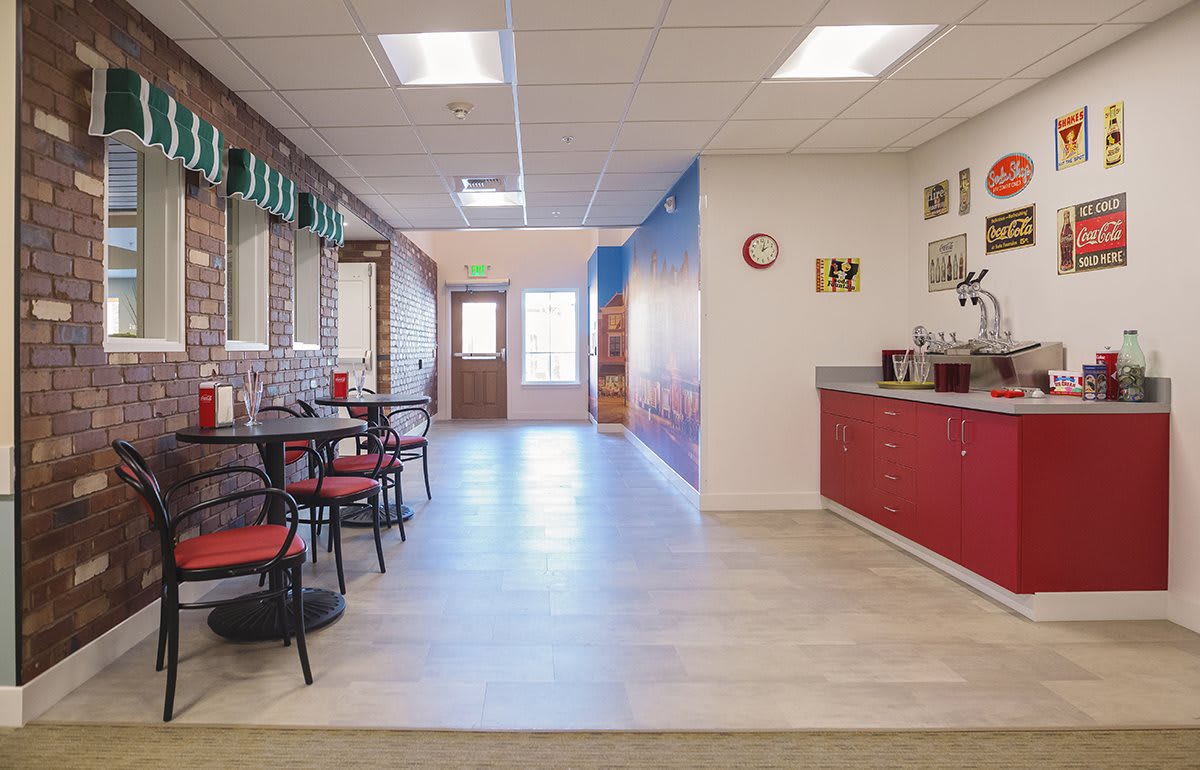
  • Interior

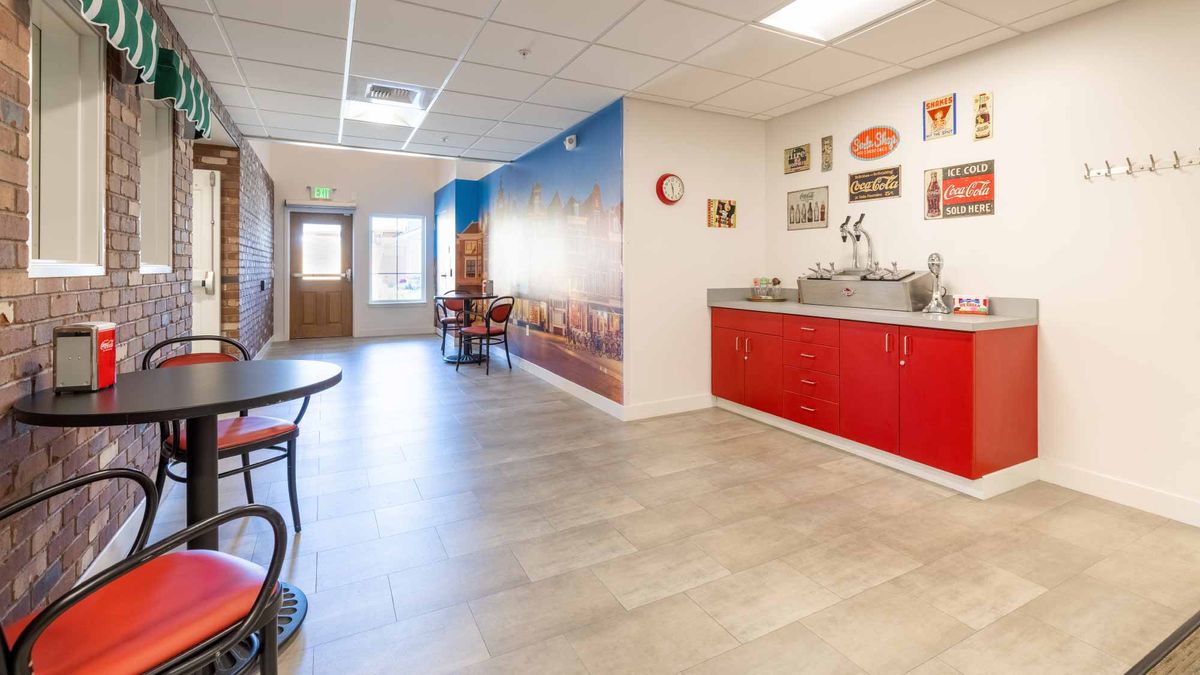
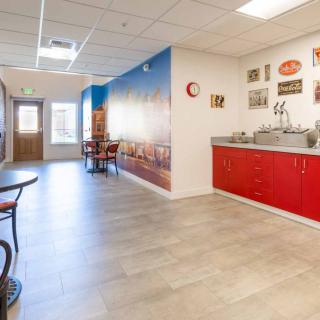
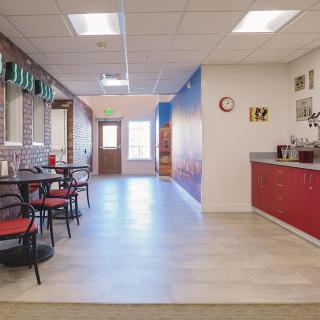
    A modern break area with a kitchen setup, featuring bright red cabinets and decorative wall art.
  • Decor

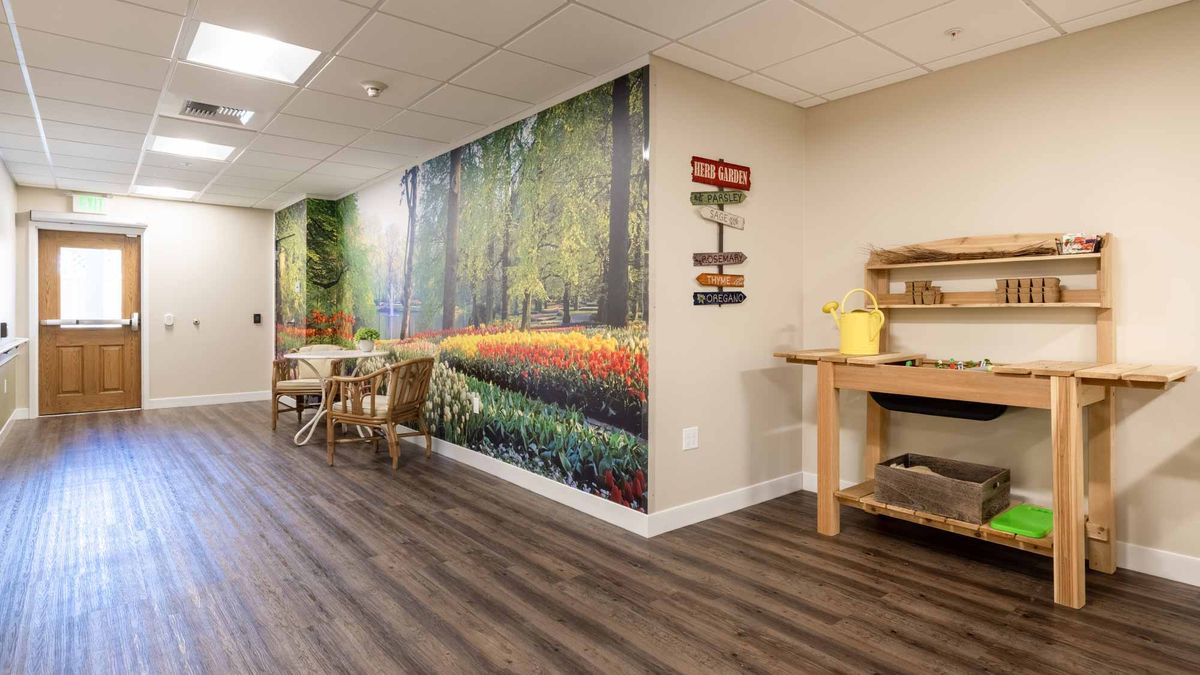
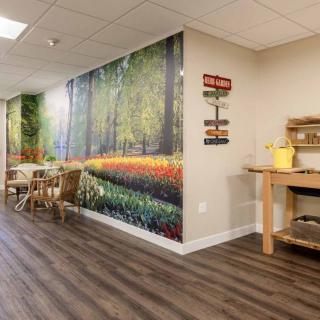
    A cozy interior space featuring a nature-themed wall mural and seating area.
  • Living Room

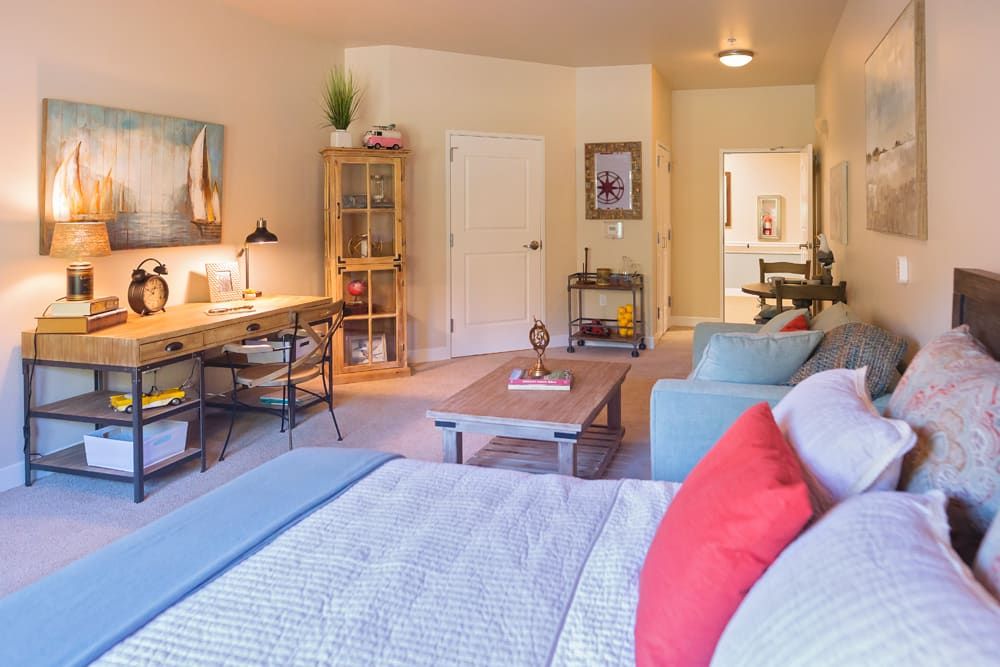
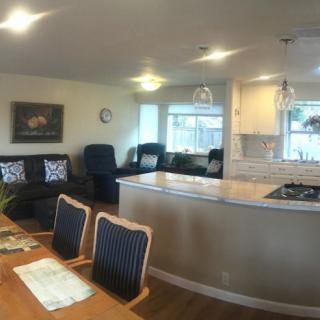
    A modern and cozy living room with a workspace area, featuring comfortable seating and stylish decor.
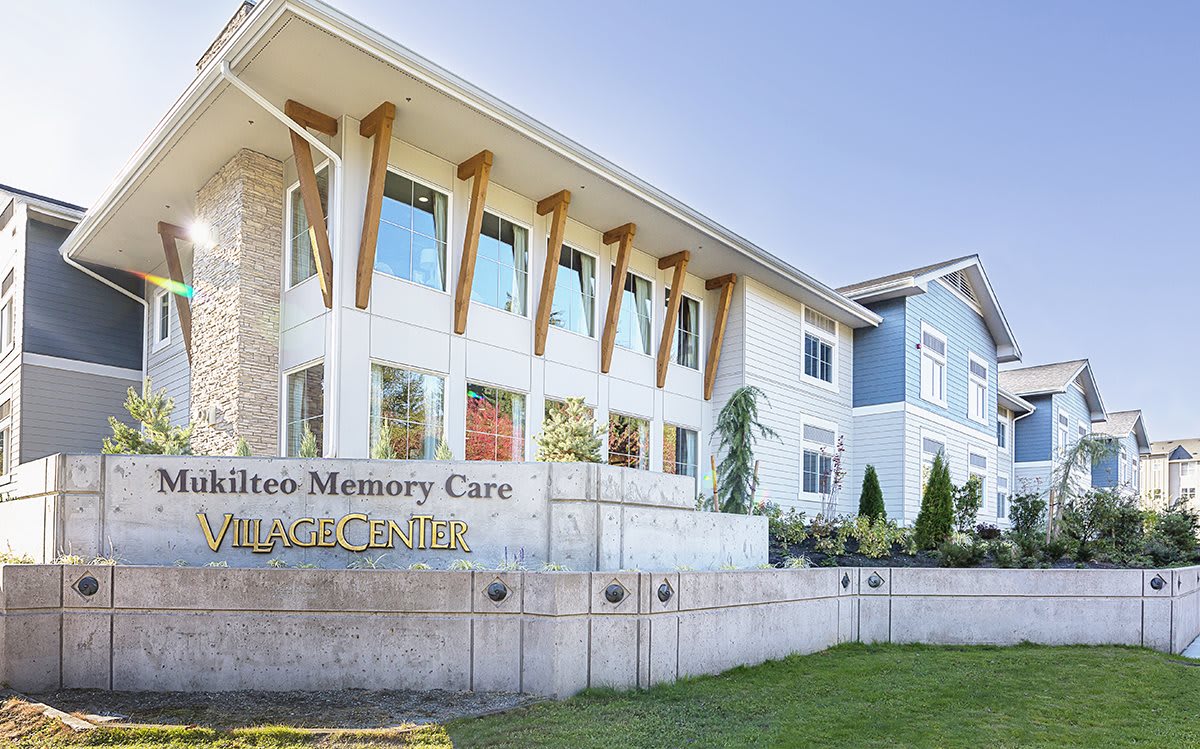
  • Building

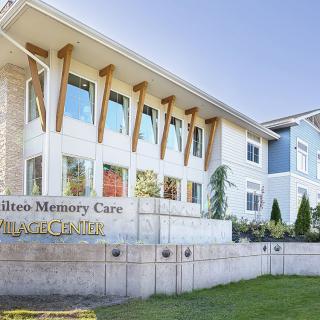
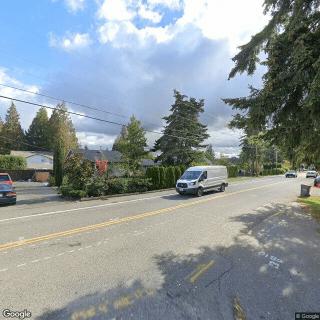
    A modern memory care facility with contemporary architecture.
  • Windows

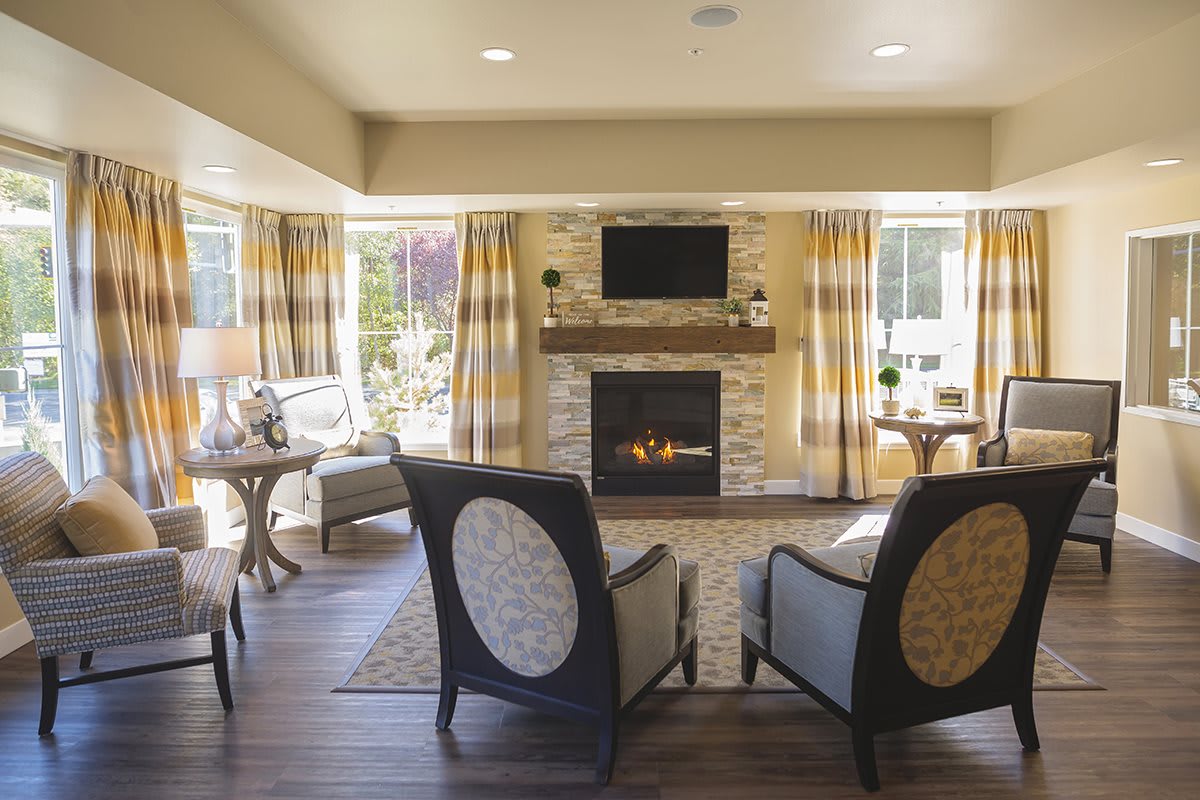
    A modern living room with a fireplace and ample seating, featuring large windows that allow natural light to fill the space.
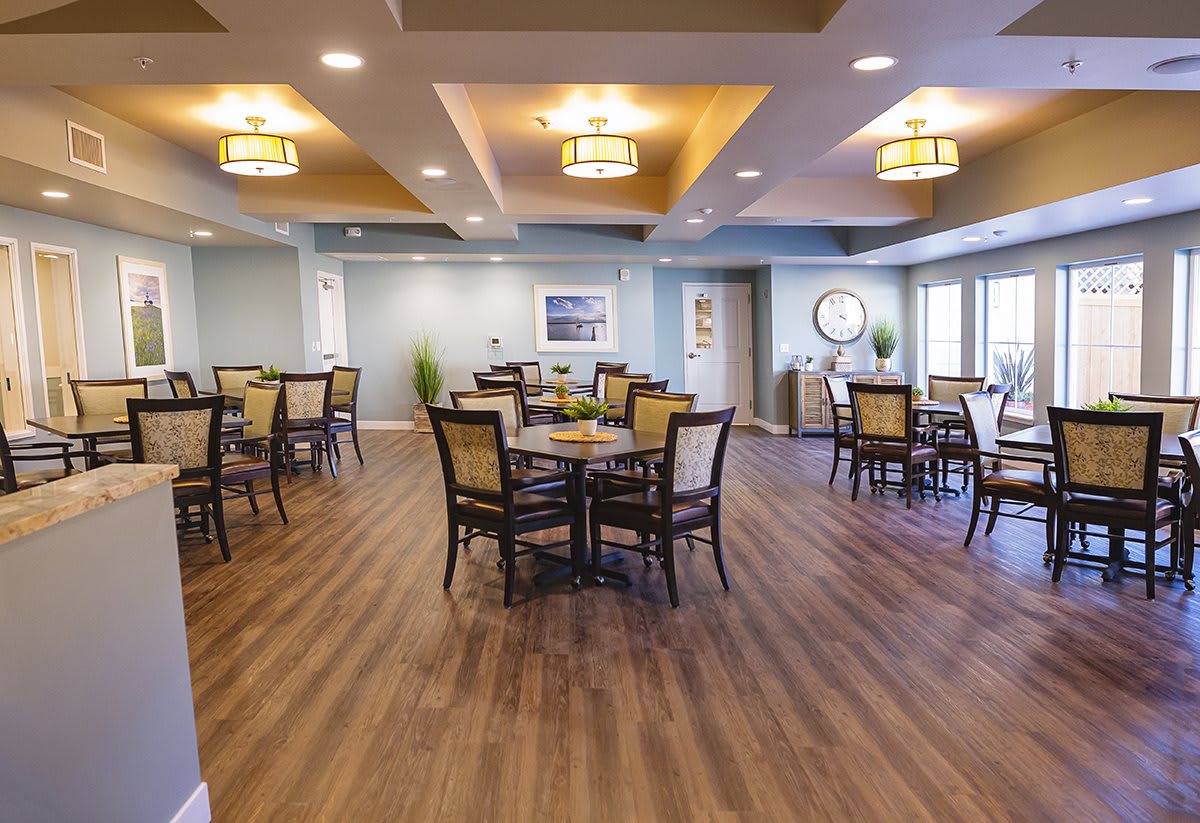
  • Dining

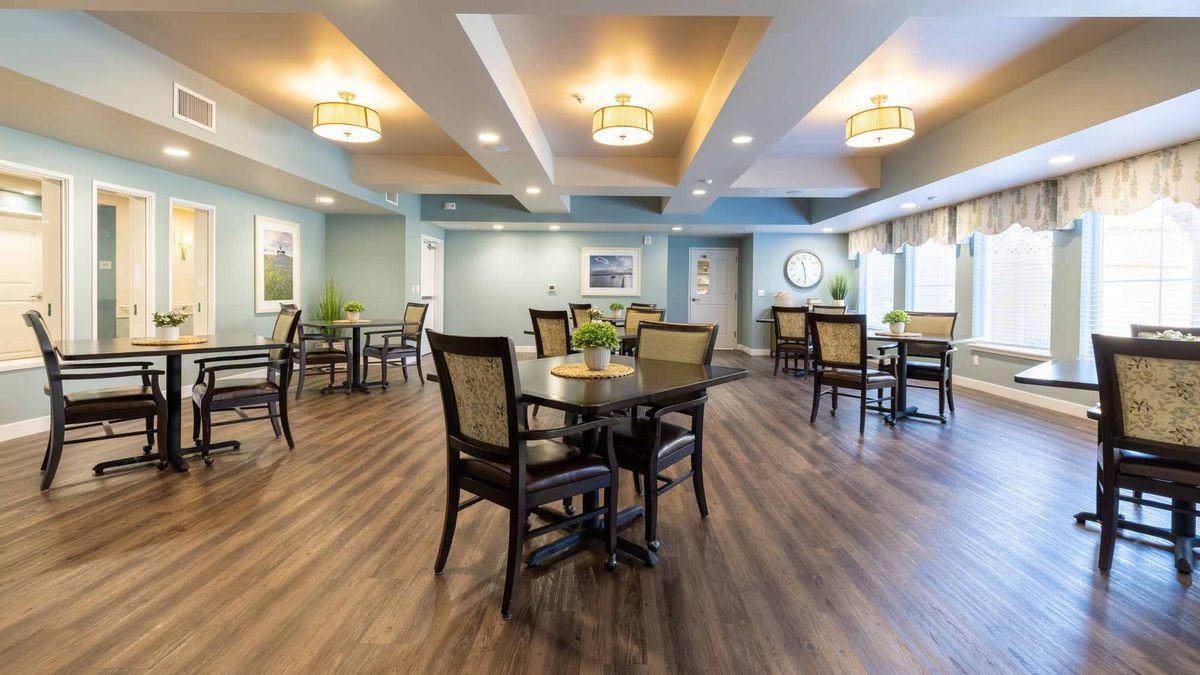
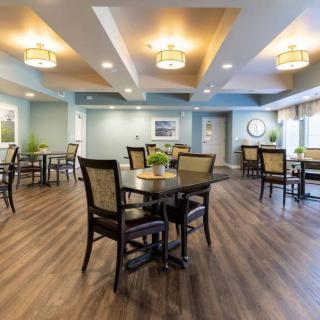
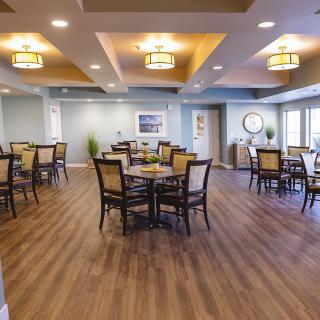
    A modern dining room with neatly arranged tables and chairs, featuring elegant lighting and hardwood flooring.
  • Lighting

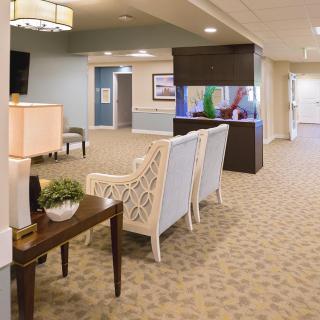
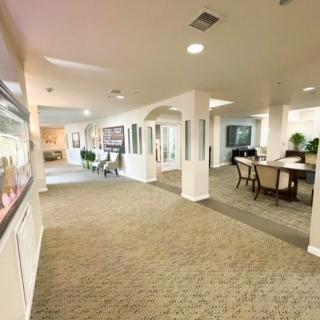
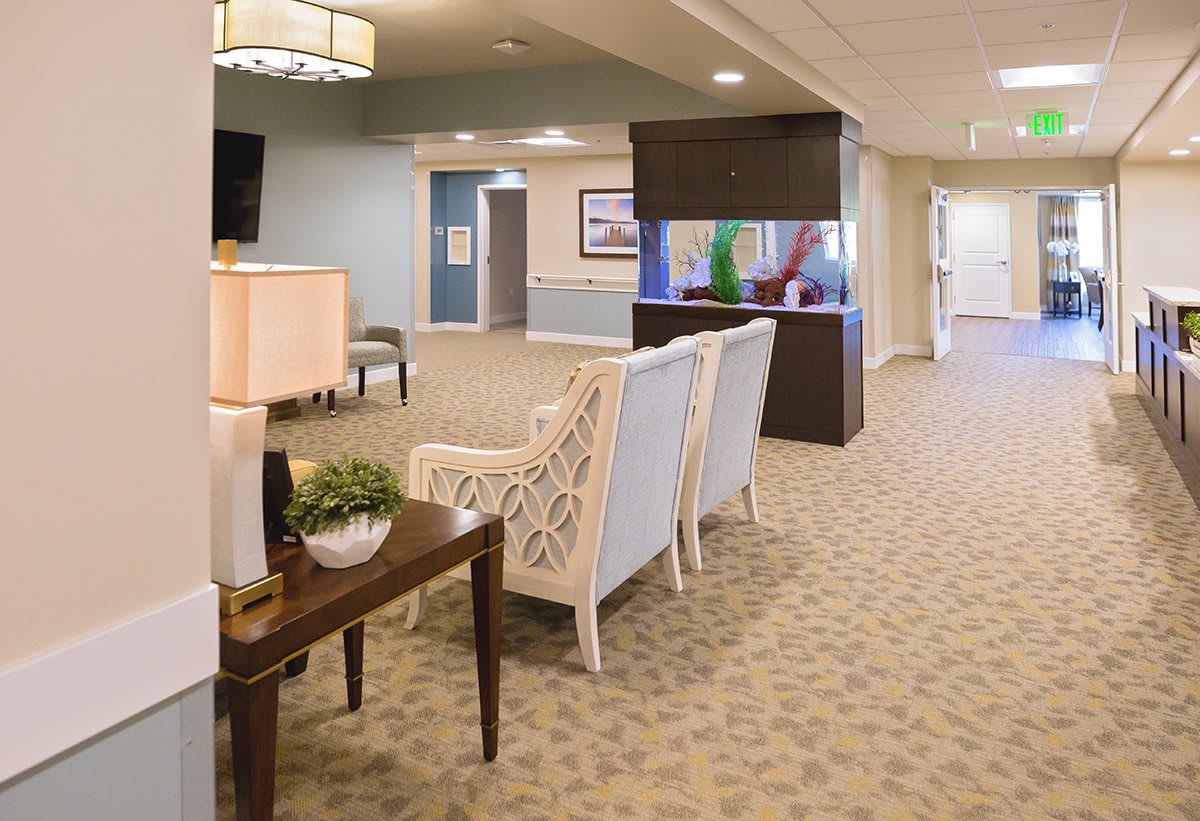
    A spacious and elegantly decorated lobby area featuring comfortable seating and tasteful decor.
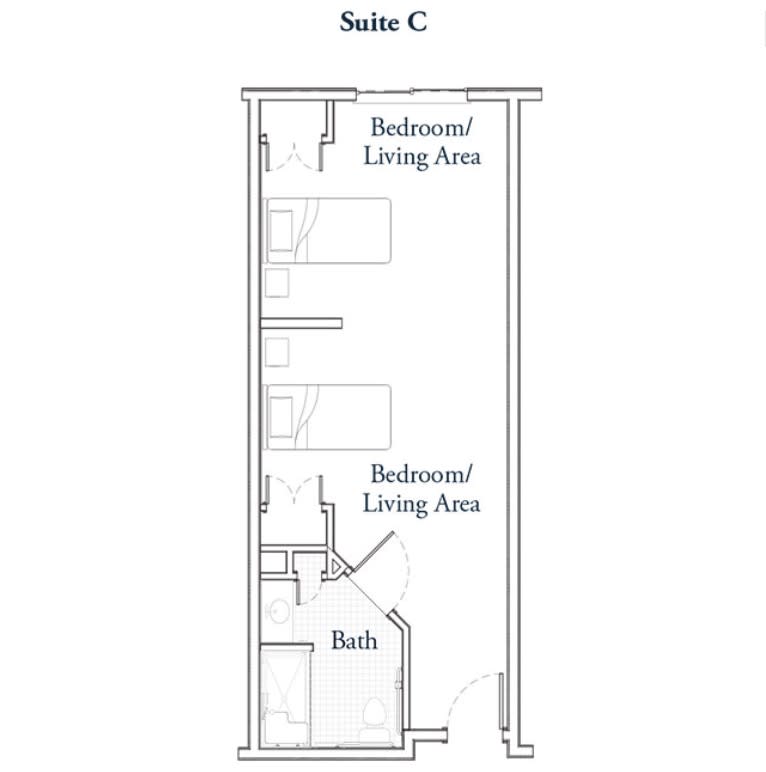
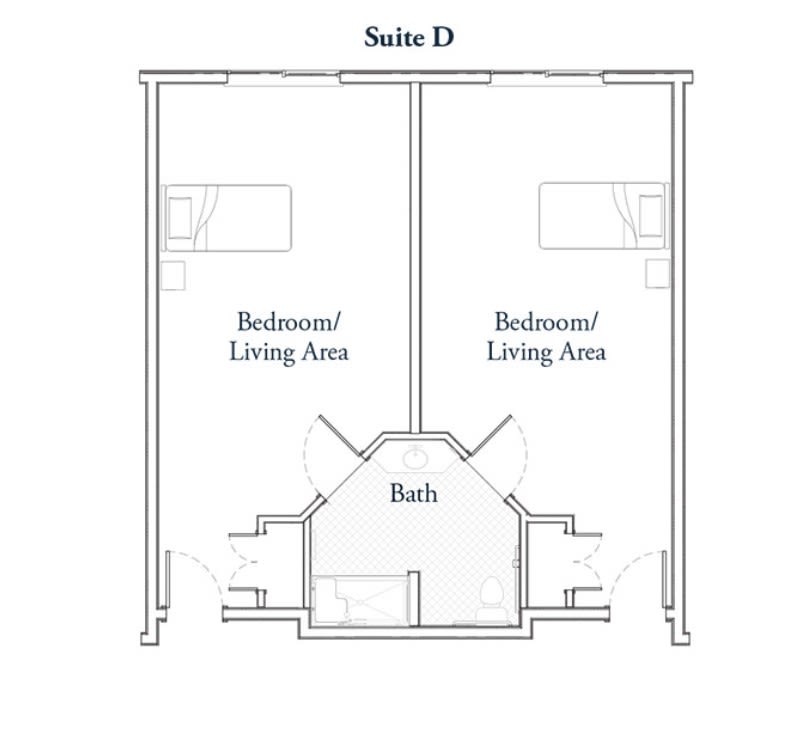
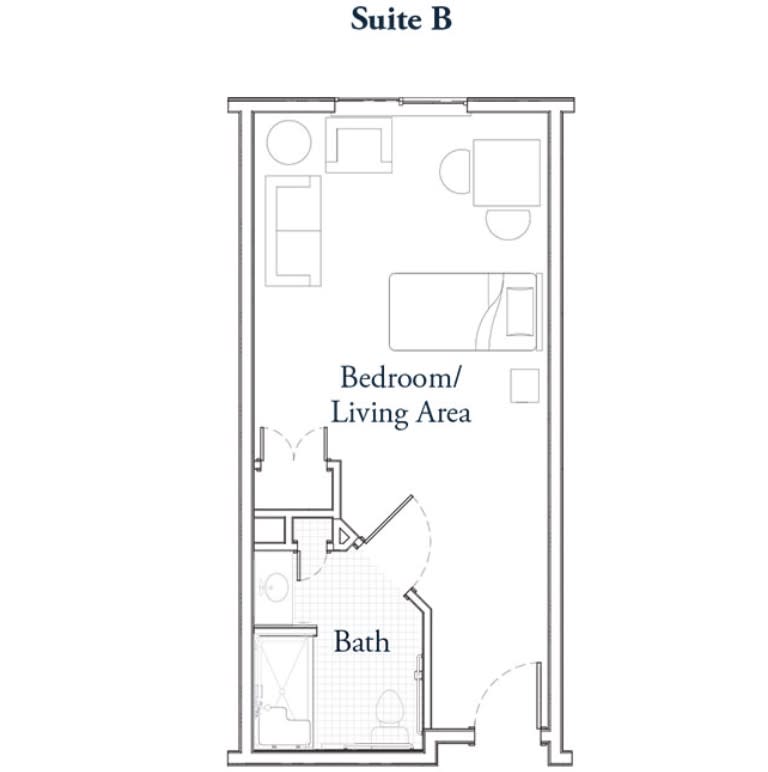
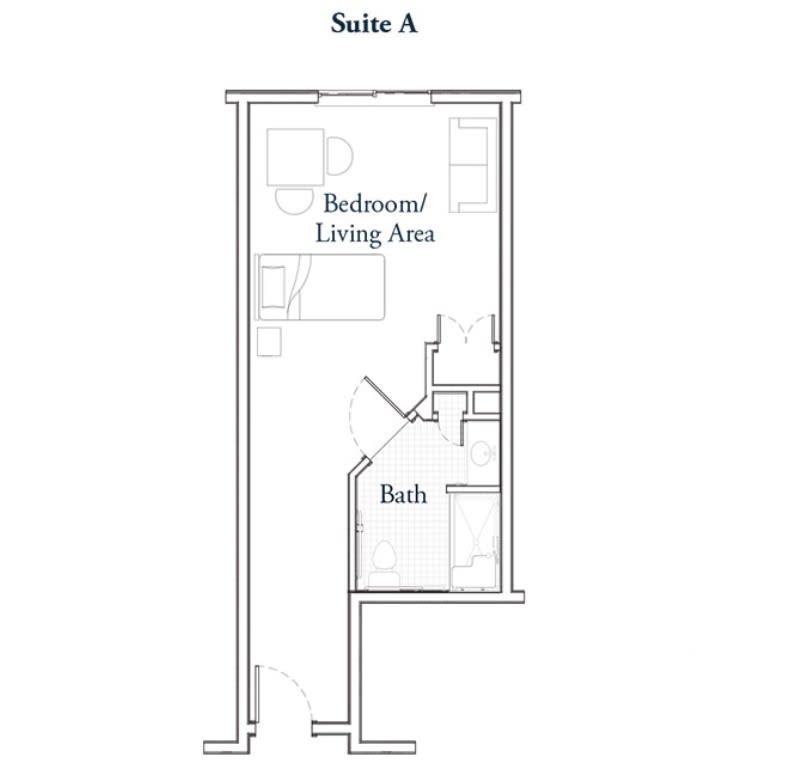
  • Floor Plan

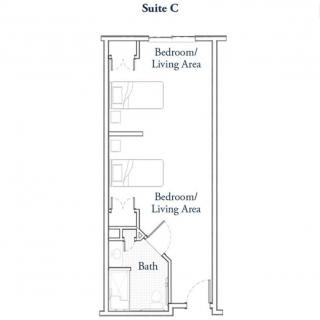
    Floor plan of Suite C depicting two bedroom/living areas and a bath.
  • Healthcare

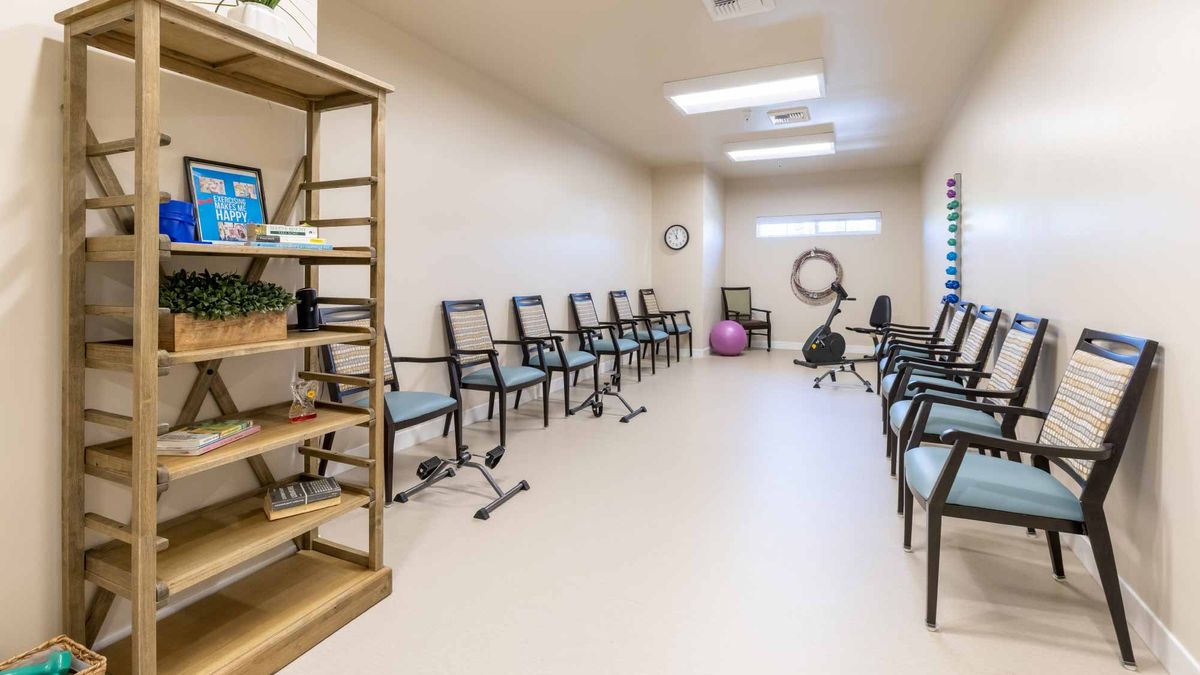
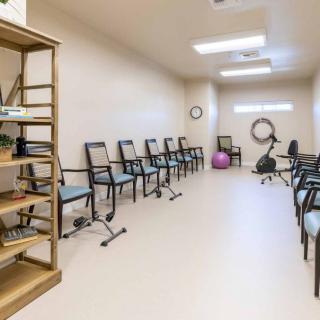
    A rehabilitation exercise room with chairs and fitness equipment.

Mukilteo Memory Care in Mukilteo, WA

Information last verified:

4686 Pointes Drive, Mukilteo, WA 98275

For more information about senior living options: (844) 490-3973

4.5 from 68 reviews
5 stars
56
4 stars
2
3 stars
2
2 stars
1
1 stars
7

Seniors.FYI Elite Community Awards

Top 5% Senior Living Community in 2022Top 5% Senior Living Community in 2025

Add this award to your website

Mukilteo Memory Care Costs & Pricing

Mukilteo Memory Care offers a range of pricing options that reflect both the quality of care and the amenities provided. For semi-private rooms, residents can expect to pay between $2,500 to $6,000 per month, which is notably competitive compared to the average costs in Snohomish County at $4,320 and statewide at $4,267. Private rooms are priced at $3,300 monthly, providing a more personalized living space while remaining below the county's average of $4,834 and the state's average of $4,772. For those seeking studio accommodations, Mukilteo Memory Care charges $6,900 a month - slightly higher than the county's average of $4,443 and significantly above Washington's average of $4,126. Overall, while some room types may exceed regional averages, Mukilteo Memory Care emphasizes exceptional caregiving and a supportive environment that can justify these costs for many families.

Floor plansMukilteo Memory CareSnohomish CountyWashington
Semi-Private$2,500 to $6,000$4,320$4,272
Private$3,300$4,834$4,774
Studio$6,900$4,443$4,128

Overall Review of Mukilteo Memory Care

Pros

  • pro The Mukilteo Memory Care community is friendly, professional, and immaculate.
  • pro The staff provide unwavering support to residents and their families through every stage of care, including end-of-life moments.
  • pro The team consists of consummate professionals who deliver high-quality care.
  • pro Families experience love, compassion, and respect from the staff on difficult days.
  • pro Sarah Martin and the care team are incredibly caring, efficient, and well connected in the community.
  • pro The facility offers a wonderful resident-to-staff ratio and engaging activities that enrich daily life.
  • pro Management goes above and beyond to ensure residents are safe, comfortable, and happy.
  • pro The care team is consistently described as kind, respectful, and genuinely devoted to residents.

Cons

  • pro They called it the most racist place they know.
  • pro They claimed the staff are underpaid and some work without certification.
  • pro They described management as clueless and the overall experience as the worst.
  • pro They would never put their loved ones there, citing it as not sanitary or safe.
  • pro They alleged residents’ clothes are lost or swapped with others, wasting thousands paid for care.
  • pro They criticized the lack of on-site nursing/medical staff and alleged short-staffing and misrepresentation by leadership.

Review

Mukilteo Memory Care in Mukilteo, WA is best suited for memory-impaired seniors whose families want a warm, engaged environment where caregivers are consistently present and genuinely attentive. The community excels for residents who can participate in structured activities, appreciate a clean, well-kept setting, and rely on steady, personal interaction with staff who know their preferences and routines. The physical plant reinforces this impression: bright rooms with windows, a courtyard for outdoor exposure, and a welcoming common area that feels home-like rather than institutional. Families that value transparent communication and regular updates will find leadership and frontline staff earnestly strive to keep loved ones connected to daily life, not relegated to a routine of passive care. For seniors who flourish with a strong sense of community and meaningful engagement, this setting offers a compelling, practical home base.

However, potential residents and families should consider alternatives if medical needs require continuous on-site physician coverage or if staffing appears inconsistent over time. A recurring theme in feedback is the absence of 24/7 on-site nursing oversight, with an RN available by phone rather than around-the-clock rounds. Some reviews cast governance as a variable: when leadership is aligned and responsive, families feel heard and reassured; when it isn’t, communication can fray and care can appear more reactive than proactive. Other serious concerns surface in a minority of accounts, including reports of mislaid clothing, questions about hydration and daily exercise, and even pointed accusations about how care is managed. Those weighing this community should demand current staffing levels, any incident histories, and a clear, written care plan before committing, while balancing these concerns against the overwhelmingly positive sentiment.

On the strength side, the staff emerges as the defining asset. Residents and families repeatedly praise caregivers as personable, patient, and reliably attentive, with relationships that foster trust and continuity of care. Directors and management are often cited as accessible, willing to adapt, and capable of rallying teams around individual needs. This culture translates into tangible benefits: residents who participate in activities show greater engagement, mobility support is consistently described as ongoing, and the environment feels safe, clean, and well maintained. End-of-life care is highlighted as compassionate and respectful, frequently coordinated with hospice partners to honor both resident and family wishes. The facility’s cleanliness, daily programming, and opportunity to socialize contribute to a sense of daily purpose that can offset the stress and worry typical of memory-care decisions. For families prioritizing relationship-driven care, these strengths carry substantial weight.

To evaluate whether this is the right fit, prospective buyers should engage in deliberate due diligence. During tours, assess how easily leadership is accessible and whether on-site nursing coverage meets expectations, clarify exact hours, staffing patterns, and the role of telemedicine in medical decision-making. Inquire about any past incidents such as clothing loss and how the team resolves them, and review the activity calendar to confirm that programs align with a resident’s cognitive and physical capabilities. Speak with multiple families about consistency across shifts and the realism of promised daily routines. Also verify the process for transitions, a move from another community, hospice coordination, or care-level changes, so the plan remains coherent when needs evolve. The right outcome comes from a transparent, data-grounded conversation that aligns medical support with daily quality-of-life goals.

Practically speaking, Mukilteo Memory Care delivers a well-rounded daily life that many families value highly. Outdoor access and sunlit rooms help with mood and orientation, while the activity director anchors a calendar of cognitively challenging and socially engaging events. The emphasis on family communication is evident in frequent photo updates and direct access to leadership, helping to bridge the gap between on-site care and loved ones’ daily lives. The root-beer floats, music programming, and guest performances serve as concrete metrics of quality-of-life improvement that families notice and appreciate. Cleanliness and environmental upkeep appear to be baseline strengths that reinforce safety and comfort. Yet, it is wise to acknowledge the caveats raised by a subset of reviewers concerning staffing stability and day-to-day execution, areas that can swing quickly with turnover or management shifts. The overall picture remains favorable for those who value a lively, people-centered culture.

In the final assessment, Mukilteo Memory Care represents a high-probability option for families seeking a memory-care community with a clear emphasis on compassionate care, tangible engagement, and strong family ties. It is not the best match for every situation, particularly for those requiring constant, on-site medical supervision or for families wary of governance and staffing variability. For such cases, exploring other communities with more robust 24/7 medical presence or stricter governance controls may be prudent. For many others, the upside, dedicated caregivers who know residents well, proactive communication, and a vibrant daily life, offers compelling value. The prudent approach is a thorough, candid conversation with leadership, a current, in-person tour focusing on real-time staffing, and a documented plan for ongoing family involvement. When those elements align, Mukilteo Memory Care delivers a practical, dignified pathway for loved ones navigating memory loss, with enough warmth and structure to justify choosing it over alternatives.

Features

Housing

  • 60 resident community capacity 60 resident community capacity
  • Studio apartments Studio apartmentsStudio apartments are important for seniors because they offer a smaller, more manageable living space that is easier to navigate and maintain as physical abilities decline. Additionally, studio apartments provide seniors with independence and privacy while still being part of a community that offers support and social opportunities.

Types of Care

  • Assisted Living Assisted LivingAssisted living facilities provide crucial support and care for seniors who may need help with daily tasks such as medication management, bathing, and meal preparation. These communities offer a safe and comfortable environment where seniors can maintain their independence while receiving the assistance they need to thrive in their golden years.
  • Memory Care Memory CareMemory care is crucial for seniors as it provides specialized support and services for individuals with dementia or Alzheimer's disease. These programs offer a safe and secure environment where residents receive personalized care, cognitive stimulation, and help with daily activities. Memory care helps seniors maintain their independence, quality of life, and dignity while also providing peace of mind for their families.

Amenities

  • Activities off-site Activities off-siteEngaging in off-site activities is crucial for seniors to maintain social connections, stay active, and stimulate their minds. It promotes overall well-being and helps combat feelings of isolation and loneliness.
  • Activities on-site Activities on-siteActivities on-site are important for seniors because they provide opportunities for socialization, mental stimulation, physical activity, and overall well-being. Engaging in activities can help seniors stay active, maintain their independence, and improve their quality of life.
  • Air-conditioning Air-conditioningAir conditioning is important for seniors as they are more vulnerable to heat-related illnesses and may have underlying health conditions that make it difficult for them to regulate their body temperature. It helps to keep them comfortable, safe, and healthy in hot weather.
  • Beautician on-site Beautician on-siteHaving a beautician on-site at a senior living community is important for seniors as it allows them to easily access grooming and personal care services, boosting their self-esteem and overall well-being. It also provides convenience and helps seniors maintain their sense of independence and personal style.
  • Beauty salon Beauty salonBeauty salons are important for seniors because they provide a space for them to feel pampered, socialize, and maintain their personal grooming and hygiene. Regular visits to a beauty salon can help boost seniors' self-esteem and overall well-being.
  • Cable or satellite TV Cable or satellite TVCable or satellite TV is important for seniors because it provides entertainment, news, and companionship, helping to combat loneliness and boredom. It also offers a wide range of programming options tailored to different interests and preferences.
  • Computer center Computer centerA computer center is essential for seniors as it provides access to technology, communication tools, and resources that can enhance their daily lives. It allows them to stay connected with loved ones, engage in online activities, and learn new skills, ultimately promoting socialization and mental stimulation.
  • Devotional services on-site Devotional services on-siteDevotional services on-site provide seniors with spiritual support and a sense of community, as well as an opportunity for reflection and guidance during their senior living experience. This can promote emotional well-being and connection to others, leading to a more fulfilling and enriching lifestyle in their later years.
  • Dining room Dining roomDining rooms are important for seniors as they provide a space for socialization, connection, and nutritious meals. They offer opportunities for residents to bond over shared meals, foster a sense of community, and promote healthy eating habits. Dining rooms also ensure that seniors have access to well-balanced meals tailored to their dietary needs and preferences.
  • Fitness room Fitness roomHaving a fitness room in a senior living community is essential for seniors to stay active, maintain their physical health, and improve their overall well-being. Regular exercise can help prevent falls, reduce the risk of chronic diseases, and promote mental sharpness. It also provides social opportunities for residents to connect with others and enjoy a sense of community.
  • Fully furnished Fully furnishedFully furnished senior living communities are important for seniors because they provide convenience, comfort, and a hassle-free moving experience. Seniors can easily settle into their new living space without the stress of having to buy and move furniture. This allows them to focus on enjoying their new home and community.
  • Gaming room Gaming roomGaming rooms are important for seniors as they provide a fun and engaging environment for socializing, cognitive stimulation, and physical activity. Games can improve memory, problem-solving skills, and overall mental well-being while fostering friendships and reducing feelings of isolation.
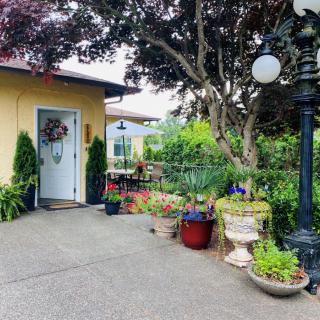
  • Garden GardenGardens are important for seniors as they provide a peaceful and therapeutic environment for relaxation, physical activity, and socialization. Being in nature has been shown to reduce stress, improve mood, and promote overall well-being. Gardens also offer opportunities for seniors to engage in gardening activities, which can improve mobility, flexibility, and cognitive function. Additionally, gardens create a sense of community and connection with others who share a passion for plants and outdoor spaces.
  • Garden view Garden viewGarden views are important for seniors as they provide natural beauty and tranquility, promoting relaxation and overall well-being. Access to green spaces can also encourage outdoor activity and socialization, enhancing physical and mental health.
  • Ground floor units Ground floor unitsGround floor units are important for seniors because they provide easy accessibility, reduced risk of falls and injuries, and convenience for those with mobility issues. Seniors can avoid climbing stairs or using elevators, making daily tasks and activities more manageable and enjoyable.
  • Guasts at mealtime Guasts at mealtime"Guests at mealtime" offer seniors the opportunity for social interaction, companionship, and a sense of community during meals, which can help combat feelings of loneliness and isolation commonly experienced in senior living environments. It can also enhance their overall dining experience and improve their mental and emotional well-being.
  • Guest parking Guest parkingGuest parking is important for seniors because it allows their friends and family members to visit them easily and safely. Having convenient parking options can help combat feelings of isolation and loneliness, promote regular social interaction, and improve overall mental and emotional well-being for seniors in senior living communities.
  • Handicap accessible Handicap accessible"Handicap accessible" amenities are crucial for seniors to ensure they can easily navigate and access facilities, services, and activities without barriers or limitations due to physical impairments. This promotes independence, safety, and inclusivity for seniors in senior living communities.
  • Housekeeping services Housekeeping servicesHousekeeping services are important for seniors because they help maintain a clean and safe living environment, promote independence, and reduce the risk of accidents or illnesses. Additionally, having assistance with household chores can alleviate physical strain and allow seniors to focus on other aspects of their well-being.
  • Indoor common areas Indoor common areasIndoor common areas are crucial for seniors as they provide a space for socialization, recreation, and community engagement, promoting overall well-being and reducing feelings of isolation and loneliness.
  • Kitchenette KitchenetteKitchenettes are important for seniors living in senior living communities because they provide the convenience and independence of being able to prepare simple meals and snacks in the comfort of their own living space. This can help promote a sense of autonomy and well-being for seniors, allowing them to maintain some level of control over their dietary choices and daily routines.
  • Laundry LaundryLaundry services are important for seniors as they may have difficulty with physical tasks such as bending, lifting, or carrying heavy loads. Having access to laundry services can help seniors maintain personal hygiene, cleanliness, and independence in their daily lives.
  • Move-in coordination Move-in coordinationMove-in coordination is important for seniors because it helps ease the transition into their new living environment. It ensures that all logistics, such as packing, organizing movers, and setting up utilities are taken care of, allowing seniors to focus on settling in and adjusting to their new home. Having a smooth move-in process can alleviate stress and anxiety, making the transition smoother and more enjoyable for seniors.
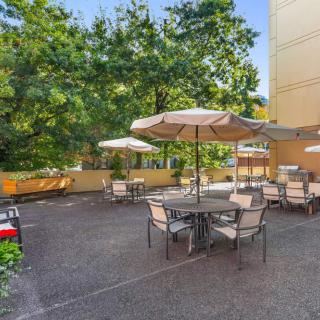
  • Outdoor common areas Outdoor common areasOutdoor common areas are important for seniors as they provide a space for socialization, physical activity, and relaxation. Being outside in nature can improve mood and overall well-being, while also encouraging movement and engagement with others. These spaces can help combat feelings of isolation and promote a sense of community among residents.
  • Outdoor space Outdoor spaceOutdoor spaces are important for seniors as they provide opportunities for physical activity, social interaction, exposure to natural light and fresh air, and a sense of connection to nature. Having access to outdoor spaces can improve overall well-being and quality of life for older adults living in senior communities.
  • Overnight guests Overnight guestsOvernight guests provide companionship, social engagement, and emotional support for seniors in senior living communities. They can help reduce feelings of loneliness, isolation, and boredom, while also promoting mental well-being and overall quality of life. Additionally, overnight guests can offer a sense of familiarity and comfort for seniors who may be transitioning into a new living environment.
  • Party space Party spaceHaving access to party space is important for seniors as it provides opportunities for socialization, connection, and enjoyment. These spaces allow seniors to celebrate special occasions, host gatherings with friends and family, and participate in community events, enhancing their overall well-being and quality of life.
  • Private bathrooms Private bathroomsPrivate bathrooms are important for seniors in senior living communities because they provide independence, dignity, and comfort. Having a private bathroom allows seniors to maintain their personal hygiene routines without the need for assistance, promoting a sense of autonomy and privacy. Additionally, private bathrooms help prevent the spread of infections and provide a safe and clean environment for seniors to navigate safely.
  • Respite or short term stays offered Respite or short term stays offeredRespite or short term stays provide seniors with a temporary solution when their regular caregiver is unavailable, offering them the opportunity to receive additional care and support during times of need, while also giving caregivers a chance to rest and recharge.
  • Restaurant-style dining Restaurant-style diningRestaurant-style dining is important for seniors because it allows them to enjoy delicious, nutritious meals in a social and upscale setting. This enhances their dining experience, promotes healthy eating habits, and fosters socialization with fellow residents, ultimately contributing to their overall well-being and quality of life.
  • Security gate Security gateSecurity gates provide an added layer of protection and peace of mind for seniors living in a community. They help prevent unauthorized entry, deter potential intruders, and create a sense of security for residents. This extra security measure can make seniors feel safe and secure in their living environment.
  • Small library Small librarySmall libraries are important for seniors as they provide access to a variety of reading materials, including books, newspapers, and magazines. This can help stimulate their minds, keep them engaged, and provide a sense of community through book clubs and other social activities. Additionally, reading has been shown to improve cognitive function and overall mental well-being in older adults.
  • TV room TV roomTV rooms are important for seniors in senior living communities because they provide a space for social interaction, entertainment, and relaxation. Watching TV can help reduce feelings of loneliness and boredom, and create a sense of community among residents. Additionally, TV rooms offer a break from daily routines and can be a source of comfort and familiarity for seniors.
  • Telephone TelephoneTelephones are important for seniors as they provide a lifeline for communication with loved ones, emergency services, and healthcare providers. They offer a sense of security and independence, enabling seniors to stay connected and access assistance when needed.
  • Wellness center Wellness centerWellness centers are important for seniors because they offer a variety of programs and services that promote physical, mental, and emotional well-being. These centers provide opportunities for exercise, socialization, education, and relaxation, helping seniors maintain their overall health and quality of life.
  • Wheelchair accessible showers Wheelchair accessible showersWheelchair accessible showers are crucial for seniors as they provide a safe and independent bathing option for those with mobility challenges. These showers help prevent falls and allow seniors to maintain their dignity and autonomy while ensuring they can bathe comfortably.
  • Wi-Fi/high-speed internet available Wi-Fi/high-speed internet availableWi-Fi/high-speed internet is important for seniors to stay connected with loved ones, access online resources, and participate in virtual activities to combat feelings of loneliness and isolation. It also allows them to easily manage healthcare needs, access entertainment, and engage in lifelong learning opportunities.

Transportation

  • Community operated transportation Community operated transportationCommunity operated transportation is crucial for seniors as it provides them with the means to access essential services, social activities, and medical appointments. It allows seniors to maintain their independence and quality of life by ensuring they can participate in activities outside of their homes. Additionally, community-operated transportation services offer a safe and reliable way for seniors to travel without having to rely on family or friends for assistance.
  • Transportation & parking Transportation & parkingTransportation and parking are vital for seniors as they offer access to essential services, activities, and social interactions. Reliable transportation options can help seniors maintain independence, stay connected within their community, and enjoy a higher quality of life. Additionally, convenient parking facilities ensure that seniors can easily access necessary resources and amenities without added stress or difficulty.
  • Transportation arrangement Transportation arrangementTransportation arrangements are crucial for seniors as they may face challenges with driving, mobility, or access to public transportation. Having reliable transportation services ensures that seniors can easily attend appointments, social activities, and maintain their independence and quality of life.

Care Services

  • 24-hour call system 24-hour call system24-hour call systems are important for seniors because they provide peace of mind and immediate assistance in case of emergencies. This technology ensures that help is always available, promoting safety and security for elderly individuals living alone or in assisted living facilities.
  • 24-hour supervision 24-hour supervision24-hour supervision is important for seniors to ensure their safety, well-being, and access to immediate assistance in case of emergencies or health issues. This constant support provides peace of mind for both seniors and their loved ones, allowing them to age in place with dignity and security.
  • Activities of daily living assistance Activities of daily living assistanceActivities of daily living assistance are important for seniors because they provide essential support with tasks such as eating, bathing, dressing, and mobility. This assistance helps seniors maintain their independence, dignity, and overall quality of life as they age.
  • Assistance with bathing Assistance with bathingAssistance with bathing is crucial for seniors as it helps maintain personal hygiene, prevents infections, and ensures their overall well-being and comfort. It also provides a sense of dignity and independence for seniors who may struggle with this task on their own.
  • Assistance with dressing Assistance with dressingAssistance with dressing is important for seniors because it helps maintain their independence, promotes personal hygiene, prevents accidents and injuries, and improves overall quality of life. This service ensures that seniors can continue to dress comfortably and confidently, despite any physical limitations they may have.
  • Assistance with transfers Assistance with transfersAssistance with transfers is crucial for seniors as it helps prevent falls and injuries, maintains their independence, and ensures they can safely navigate their living environment. It also provides peace of mind for both seniors and their loved ones.
  • Diabetes diet Diabetes dietA diabetes diet is crucial for seniors as it helps manage blood sugar levels, reduce risks of complications, and improve overall health and well-being. By following a balanced and nutritious diet tailored to their specific needs, seniors can better control their diabetes and enhance their quality of life.
  • Diabetic care Diabetic careDiabetic care is crucial for seniors as they are more susceptible to developing diabetes due to aging and other health conditions. Proper management of diabetes can help prevent complications such as heart disease, vision loss, and nerve damage, improving the overall quality of life for seniors in senior living communities.
  • High acuity care High acuity careHigh acuity care is important for seniors because it provides specialized medical attention and support for individuals with complex medical needs. This level of care ensures that seniors receive the appropriate treatment and assistance to maintain their health and quality of life as they age.
  • Hospice care Hospice careHospice care is important for seniors as it provides specialized end-of-life support, pain management, and emotional comfort for both the senior and their loved ones. It allows seniors to maintain dignity, receive personalized care, and spend their remaining time in a peaceful and comfortable environment.
  • Incontinence care Incontinence careIncontinence care is essential for seniors to maintain their dignity, hygiene, and overall quality of life. By addressing incontinence issues promptly and effectively, seniors can enjoy a sense of independence and comfort in their daily activities.
  • Meal preparation and service Meal preparation and serviceMeal preparation and service are crucial for seniors as they may have limited mobility or energy to cook nutritious meals. Having access to healthy and convenient food options can ensure they are getting the proper nutrition needed to maintain their overall health and well-being.
  • Medication management Medication managementMedication management is crucial for seniors to ensure they are taking the right medications at the correct dosages and times. This helps prevent adverse drug interactions, reduces the risk of medication errors, and promotes overall health and well-being. Proactive management also allows for adjustments as needed based on changing health conditions or new prescriptions.
  • Mental wellness program Mental wellness programMental wellness programs are essential for seniors as they promote cognitive stimulation, emotional support, and social engagement. These programs help prevent isolation, depression, and cognitive decline, ultimately enhancing the overall quality of life for older adults.
  • Mild cognitive impairment Mild cognitive impairment"Mild cognitive impairment" is important for seniors because it is an early stage of cognitive decline that can potentially progress to more severe conditions such as dementia. Recognizing and addressing mild cognitive impairment can help seniors receive appropriate care and support to maintain their quality of life and independence for as long as possible.
  • Special dietary restrictions Special dietary restrictionsSpecial dietary restrictions are important for seniors because age-related changes in metabolism and health conditions can make it difficult for their bodies to process certain foods. By following a diet tailored to their specific needs, seniors can maintain their overall health and well-being, manage chronic conditions, and reduce the risk of complications such as malnutrition or food interactions with medications.
  • Specialized memory care programming Specialized memory care programmingSpecialized memory care programming is crucial for seniors with cognitive impairments such as dementia or Alzheimer's disease. These programs provide a safe and supportive environment tailored to the unique needs of individuals with memory loss, helping them maintain their independence, dignity, and quality of life.

Dining

  • Anytime dining Anytime diningAnytime dining is important for seniors because it allows them the flexibility to eat when they are hungry, rather than being restricted to set meal times. This can be especially beneficial for those with medical conditions or medications that affect their appetite, as well as those who may have difficulty adhering to a strict dining schedule. Overall, anytime dining promotes independence and overall well-being for seniors in senior living communities.
  • Diabetes diet Diabetes dietA diabetes diet is crucial for seniors as it helps manage blood sugar levels, reduce risks of complications, and improve overall health and well-being. By following a balanced and nutritious diet tailored to their specific needs, seniors can better control their diabetes and enhance their quality of life.
  • Gluten-free Gluten-freeGluten-free options are important for seniors as they are more prone to digestive issues and dietary sensitivities. Offering gluten-free meal choices in senior living communities can help improve their overall health and well-being.
  • Guest meals Guest mealsGuest meals are important for seniors living in senior living communities because they provide an opportunity for socialization and companionship. Sharing a meal with friends, family, or new acquaintances can help combat feelings of loneliness and isolation, promote a sense of community, and enhance overall well-being. Additionally, guest meals allow seniors to enjoy delicious food in a comfortable setting without the hassle of cooking or cleaning up, making dining a pleasurable and stress-free experience.
  • International cuisine International cuisineInternational cuisine is important for seniors because it offers a variety of flavors, ingredients, and cultural experiences that can help keep their meals interesting and enjoyable. Trying new dishes can also stimulate the senses and provide different nutrients that contribute to overall health and well-being. Additionally, exploring international cuisine can bring back fond memories of travels or childhood experiences, making mealtime more nostalgic and fulfilling for seniors.
  • Low / no sodium Low / no sodiumLow/no sodium options are important for seniors because excessive sodium intake can lead to high blood pressure, heart disease, and other health issues commonly experienced by older adults. By choosing low/no sodium foods, seniors can better manage their health and reduce their risk of developing these conditions.
  • Meals provided Meals provided"Meals provided" are crucial for seniors in assisted living communities as it ensures they have access to nutritious, balanced meals without the stress of meal planning and preparation. This can help promote overall health and well-being for seniors who may have limited mobility or cognitive abilities.
  • No Sugar No SugarNo sugar diets are important for seniors because they can help prevent or manage chronic conditions such as diabetes, heart disease, and obesity. Sugar can also contribute to cognitive decline and inflammation in the body, so reducing sugar intake can lead to overall improved health and well-being in older adults.
  • Professional chef Professional chefProfessional chefs are important for seniors living in senior living communities because they provide nutritious and delicious meals that cater to their dietary needs and preferences. A professional chef can ensure that seniors are receiving balanced, flavorful meals that support their overall health and well-being.
  • Restaurant style dining Restaurant style diningRestaurant style dining is important for seniors as it offers them a social and enjoyable dining experience, promotes healthy eating habits, and provides personalized menu options to cater to their dietary needs and preferences. This type of dining setting can enhance their overall quality of life and create a sense of community within the senior living facility.
  • Room service Room serviceRoom service is important for seniors in a senior living community because it provides convenience and allows them to have their meals delivered directly to their room. This can be especially beneficial for seniors who may have mobility issues or difficulty accessing the dining area. Room service ensures that seniors are able to receive nutritious meals without having to navigate through the facility, allowing them to maintain their independence and overall well-being.
  • Special dietary restrictions Special dietary restrictionsSpecial dietary restrictions are important for seniors because age-related changes in metabolism and health conditions can make it difficult for their bodies to process certain foods. By following a diet tailored to their specific needs, seniors can maintain their overall health and well-being, manage chronic conditions, and reduce the risk of complications such as malnutrition or food interactions with medications.
  • Special dining programs Special dining programsSpecial dining programs are important for seniors because they provide nutritious meals tailored to their dietary needs and preferences. These programs also offer socialization opportunities, promote overall health and well-being, and can help prevent malnutrition.
  • Vegetarian VegetarianA vegetarian diet is important for seniors because it can help lower the risk of chronic diseases, maintain a healthy weight, and provide essential nutrients needed for aging bodies. Additionally, plant-based diets are often easier on digestive systems and can contribute to overall well-being in older adults.

Activities

  • Art classes Art classesArt classes are important for seniors because they provide a creative outlet, improve cognitive function, reduce stress and anxiety, promote socialization, and enhance overall well-being and quality of life.
  • Community-sponsored activities Community-sponsored activitiesCommunity-sponsored activities are important for seniors as they provide opportunities for social interaction, mental stimulation, and physical activity. These activities can help improve overall well-being, combat loneliness and isolation, and promote a sense of belonging and purpose among older adults.
  • Concierge services Concierge servicesConcierge services are essential for seniors as they provide assistance with daily tasks and errands, enhance their quality of life by offering convenience and personalized care, and promote a sense of safety and security.
  • Cooking classes Cooking classesCooking classes are important for seniors as they provide opportunities for social interaction, enhance cognitive skills, promote healthy eating habits, and boost confidence in the kitchen.
  • Day trips and outings Day trips and outingsDay trips and outings are important for seniors as they provide opportunities for socialization, mental stimulation, physical activity, and a break from daily routines. These experiences can enhance overall well-being and quality of life for older adults living in senior communities.
  • Devotional activities on-site Devotional activities on-siteDevotional activities on-site provide seniors with a sense of community, spiritual fulfillment, and emotional support, promoting overall well-being and a positive sense of purpose in their lives.
  • Educational speakers / life long learning Educational speakers / life long learningEducational speakers and lifelong learning opportunities are crucial for seniors as they provide mental stimulation, promote social engagement, and contribute to overall well-being. Continuous learning helps seniors stay mentally sharp, build new skills, and maintain a sense of purpose and fulfillment in their lives. It also allows them to stay connected to the world around them and fosters a sense of community within senior living facilities.
  • Fitness programs Fitness programsFitness programs are crucial for seniors as they help improve strength, flexibility, balance, and overall well-being. Staying active can reduce the risk of chronic diseases, improve mental health, and enhance quality of life in older adults.
  • Happy hour Happy hourHappy hour is important for seniors as it provides a social activity that promotes camaraderie and reduces feelings of loneliness or isolation. It also offers an opportunity for older adults to relax, unwind, and enjoy some drinks or snacks in a fun and welcoming atmosphere.
  • Live dance or theater performances Live dance or theater performancesLive dance or theater performances are important for seniors because they provide opportunities for socialization, mental stimulation, and emotional engagement. These performances can help combat feelings of isolation and loneliness, while also offering a sense of connection to the arts and culture. Additionally, watching live performances can bring joy and create lasting memories for seniors in their later years.
  • Live musical performances Live musical performancesLive musical performances can provide seniors with a sense of joy, nostalgia, and connection. Music has the power to evoke emotions and memories, improve mood and cognitive function, and foster social interaction among seniors. It can also serve as a form of therapy and stress relief for older adults, making it an important activity to include in senior living communities.

  • Other religious services Other religious servicesOther religious services are important for seniors as they provide a sense of community, spiritual comfort, and opportunities for socializing. These services can help seniors feel connected to their faith and maintain a sense of purpose and belonging in their later years.
  • Planned day trips Planned day tripsPlanned day trips are important for seniors because they offer opportunities for socialization, mental stimulation, and physical activity. They provide a change of scenery and help seniors stay engaged and connected to their community, promoting overall well-being and quality of life.
  • Resident-run activities Resident-run activitiesResident-run activities are important for seniors as they encourage social interaction, creativity, and a sense of autonomy. These activities empower seniors to stay engaged and active in their community while fostering meaningful connections with their peers.
  • Scheduled daily activities Scheduled daily activitiesScheduled daily activities are important for seniors because they provide structure, socialization, mental stimulation, and physical activity. Engaging in regular activities can improve overall well-being and quality of life for seniors living in a community setting.
  • Stretching classes Stretching classesStretching classes are important for seniors because they help improve flexibility, reduce the risk of injury, and promote overall health and well-being. Regular stretching can also help alleviate joint pain and stiffness, enhance balance and coordination, and increase range of motion.
  • Yoga / chair yoga Yoga / chair yogaYoga and chair yoga are important for seniors as they promote flexibility, balance, strength, and overall wellbeing. These practices can help improve mobility, reduce stress, and enhance mental clarity, ultimately leading to a higher quality of life in their senior years.

Description

Mukilteo Memory Care in Mukilteo, WA is a premier assisted living community specializing in memory care. Our dedicated staff provides 24-hour supervision and assistance with activities of daily living, including bathing, dressing, and transfers. We offer specialized memory care programming for individuals with mild cognitive impairment, ensuring their unique needs are met.

Our community is designed with the comfort and well-being of our residents in mind. Residents can enjoy a wide range of amenities, including activities on-site, a fitness room, gaming room, small library, and TV room. The outdoor common areas and beautiful garden provide peaceful spaces for relaxation and socialization. Wheelchair accessible showers and handiwork accessibility make our community inclusive for all.

We prioritize the mental wellness of our residents through devotional services on-site and a dedicated mental wellness program. Our professional chef prepares delicious meals that cater to specific dietary restrictions such as diabetes diet, gluten-free options, low/no sodium, vegetarian choices, and more. Restaurant-style dining gives residents the opportunity to dine in style or enjoy room service.

At Mukilteo Memory Care, we believe in providing a vibrant and engaging lifestyle for our residents. We offer a variety of activities including community-sponsored events, fitness programs like yoga and stretching classes, educational speakers for lifelong learning opportunities, live dance or theater performances to entertain residents', planned day trips to nearby attractions ,and resident-run activities to encourage social interaction.

Our convenient location offers easy access to nearby cafes, parks, pharmacies physicians,and restaurants for added convenience. We also provide transportation arrangements for our residents' needs.

Creating a home-like environment where our residents can thrive physically , mentally and emotionally is at the heart of what we do at Mukilteo Memory Care.

Videos

Nearby Places of Interest

This part of Mukilteo, Washington, offers a variety of amenities and conveniences that would be beneficial for seniors looking to settle in the area. With multiple pharmacies such as Rite Aid, Walgreens, Bartell Drugs, and CVS Pharmacy within a short distance, accessing necessary medications and healthcare supplies would be convenient. There are also several dining options nearby including McDonald's, Jersey Mike's, and Panda Express for easy meal options. For outdoor activities and relaxation, there are several parks within a few miles, providing opportunities for recreational activities and enjoying nature. Additionally, medical facilities such as the Everett Clinic and Providence Medical Center are easily accessible for any healthcare needs. Overall, this area provides a mix of services and attractions that would cater to seniors looking for a comfortable and convenient living environment.

Pharmacies

  • Rite Aid (0.5 miles)
  • Walgreens (1.3 miles)
  • Bartell Drugs (1.6 miles)
  • CVS Pharmacy (1.7 miles)
  • Walgreens (2.6 miles)
  • Walgreens (2.9 miles)
  • Bartell Drugs (3.4 miles)

Restaurants

  • McDonald's (0.5 miles)
  • Jersey Mike's (0.5 miles)
  • A Burger Place (0.9 miles)
  • Panda Express (1.8 miles)
  • Avocado's Mexican Restaurant (2.3 miles)
  • McDonald's (2.5 miles)
  • Taco Bell (2.5 miles)

Parks

  • High Trek Adventures (0.8 miles)
  • Meadowdale County Park (2.3 miles)
  • Lynndale Park (3.4 miles)
  • Mukilteo Lighthouse Park (4.2 miles)
  • Forest Park Water Playground (6.1 miles)
  • Tambark Creek Park (6.2 miles)
  • Lake Ballinger Park (7 miles)

Physicians

  • Everett Clinic (1 miles)
  • Providence Medical Center (4 miles)
  • Dr Z Pulmonary and Sleep Specialist (4.1 miles)
  • Northwest Asthma & Allergy Center (4.3 miles)
  • The Everett Clinic: Dermatology (6.7 miles)
  • Rajesh Subramanian, MD (6.7 miles)
  • Vold Leif MD (6.7 miles)

Cafes

  • Starbucks (1.3 miles)
  • Starbucks (2.6 miles)
  • Starbucks (2.8 miles)
  • Tazza Di Vita Espresso Stand (2.9 miles)
  • Starbucks (3.3 miles)
  • Starbucks (4.2 miles)
  • Starbucks (4.3 miles)

Transportation

  • U-Haul Moving & Storage (1.6 miles)
  • Snohomish County Airport (PAE) (1.6 miles)
  • The Boeing Company (2.8 miles)
  • Amtrak (7.6 miles)

Theaters

  • Regal Everett & RPX (4.1 miles)
  • AMC Alderwood Mall 16 (4.2 miles)

Hospitals

  • Swedish Medical Center (6.1 miles)
  • Prachi Thekdi, ARNP, DNP (6.6 miles)

Places of Worship

  • Hindu Temple & Cultural Center (7.8 miles)

Frequently Asked Questions

How much does it cost to live at Mukilteo Memory Care in Mukilteo, WA?
What floor plans and room types does Mukilteo Memory Care offer?
Where is Mukilteo Memory Care?
Does Mukilteo Memory Care provide care for residents with dementia or Alzheimer's disease?
What photos are available for Mukilteo Memory Care in Mukilteo, Washington?

Nearby Communities

  • Harbour Pointe Senior Living

    Harbour Pointe Senior Living

    Mukilteo, WA

    4.2 from 78 reviews
    $4,350 to $5,645 / month

    pro Warm, welcoming staff and spacious, well-maintained apartments.


  • Hanna Home Care

    Hanna Home Care

    Lynnwood, WA

    4.7 from 21 reviews
     

    pro Exceptional, compassionate care with strong staff connection; no UTIs reported during stay.

  • Lake Serene Adult Care

    Lake Serene Adult Care

    Lynnwood, WA

    2.7 from 6 reviews
    $2,800 to $3,500 / month

    pro Calm, serene environment with responsive staff and good family communication.

  • Millennia Healthcare Inc

    Millennia Healthcare Inc

    Everett, WA


    pro Nearby parks, pharmacies, restaurants, healthcare, transportation, and entertainment.

  • Palace Gardens,  AFH,  LLC

    Palace Gardens, AFH, LLC

    Lynnwood, WA

    5 from 8 reviews
    $6,000 to $7,000 / month

    pro Personalized, attentive care in a clean, home-like setting with varied meals.

  • Amberlight I

    Amberlight I

    Everett, WA


    pro Convenient location with nearby amenities (cafes, parks, pharmacies, clinics, restaurants, transit, theaters).

  • Chateau Pacific

    Chateau Pacific

    Lynnwood, WA

    4 from 38 reviews
    $1,560 to $4,808 / month

    pro Beautiful, well-maintained accommodations with caring staff, engaging activities, high-quality dining and unique amenities.

  • Chateau Pacific Retirement Community

    Chateau Pacific Retirement Community

    Lynnwood, WA

    4.2 from 17 reviews
     

    pro Wide range of care options with extensive amenities and memory care support

  • MorningStar at Silver Lake

    MorningStar at Silver Lake

    Everett, WA

    4.8 from 158 reviews
    $4,070 to $5,170 / month

    pro Friendly staff, inviting atmosphere, and strong dining/activities.

Related Resources

  • power of attorney for elderly parentGuiding Your Journey: Understanding Power of Attorney for Elderly Parents

    The article emphasizes the significance of establishing a power of attorney for elderly parents to enable an agent to make decisions on their behalf regarding health and finances, especially during cognitive or physical decline. It outlines various types of power of attorney, the importance of consulting legal professionals, and the responsibilities and challenges faced by agents, while also discussing alternatives and common misconceptions.

  • caregiver support group22 Remarkable Caregiver Support Groups Available Online and In-Person

    Caregiver support groups are crucial for providing emotional and practical assistance to those caring for loved ones, offering resources, coping strategies, and a sense of community through various organizations and platforms. These groups help alleviate isolation and burnout while addressing the unique challenges faced by caregivers of individuals with specific conditions.

  • does medicaid pay for assisted livingUnderstanding Medicaid Coverage for Assisted Living: A Comprehensive Guide
    The guide outlines the complexities of Medicaid coverage for assisted living, highlighting significant state-to-state variations, limited coverage often restricted to personal care services, and the existence of specialized waivers for certain needs like memory care. It advises families to consult local Medicaid offices for options while emphasizing the importance of understanding state-specific regulations and facility policies.