

3411 Serene Way, Lynnwood, WA 98037
To contact a resident: (425) 745-4335
For more information about senior living options: (866) 208-4318
Overall Review of Hanna Home Care
Pros
 They deliver top-notch care with a strong emphasis on compassionate, personalized attention.
- The customer service representative was very helpful, answered all questions, and offered proactive guidance while searching for a caregiver.
- They demonstrate excellent communication and follow-through in addressing questions and needs.
- Nora Durgin was an excellent representative, deeply knowledgeable about care for Alzheimer's and Parkinson's, and provided valuable ideas for engaging someone with neuro losses.
- Synergy's care plans flex to accommodate changing needs, including times when full-day care isn’t required.
- The caregiver assigned to their brother is a gift—wonderful, caring, and supportive—and Synergy is easy to work with and highly recommended.
- Leonor was kind, and she ensured everything on their list was completed.
- Synergy used all lines of communication to support their father from across states, with regular updates on health status and collaborative care.
- Synergy Home Care and Lisa Tierney are amazing and receive five-star ratings.
- They appreciated the care and attention their mom received; Lisa delivered amazing, attentive care.
- The care team provided the best possible care, with their mom having no UTIs during the stay, and the family is deeply grateful for the care given.
Cons
 The biggest obstacle was finding the right caregiver to work with their mother and get them to clean and buy groceries.
- They described the other home as causing their mother to have UTIs, which indicates poor care there.
- They had to use a body lift to move their mother from bed to chair, highlighting a troubling level of care at the other home.
Review
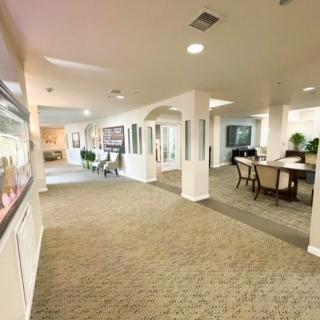
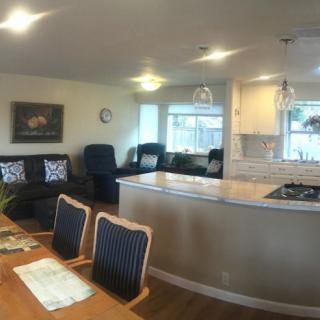
Hanna’s Home Care in Lynnwood is best suited for families seeking an intimate, home-like setting where a small, devoted team delivers highly personalized, hands-on assistance for a loved one with dementia, mobility challenges, or neurodegenerative conditions. This community excels when the priority is daily, practical caregiving that feels personal and consistent rather than institutional or highly structured around programming. Residents benefit from caregivers who know their preferences, monitor health signals closely, provide nighttime checks, and adapt routines with a genuine sense of responsibility. For families that prize continuity of caregivers, transparent communication, and a culture of real compassion, Hanna’s Home Care stands out as a standout option worth pursuing.
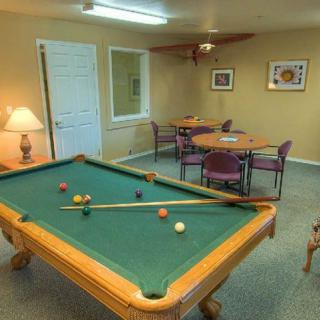
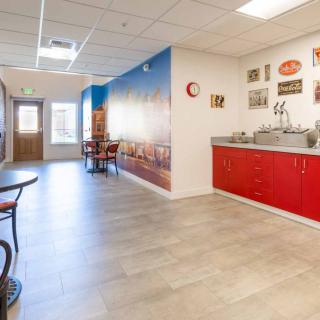
Those evaluating options should consider alternatives if the priority shifts toward a larger, facility-based environment with formal memory-care programming, guaranteed 24/7 clinical oversight, and a broader menu of social activities. A traditional assisted living or memory-care community may be a better fit for families seeking a more regimented schedule, on-site nursing staff, or a broader range of structured programs. If the concern is settling on one dedicated caregiver versus a rotating or variable team, keep in mind that smaller home-like settings depend on caregiver match and coverage variability. In short, opt for Hanna’s if intimate, highly personalized care is non-negotiable; lean toward larger operators if you want more fixed programming and clinical infrastructure.
The core strengths here are clear and potent. The care is described as top-notch and genuinely focused on daily well-being, with communication and follow-through that families can count on. Staff members are praised for being warm, reliable, and capable of managing complex needs such as dementia and mobility limitations. The ability to flex care plans, adjusting hours or caregiver assignments without forcing a full relocation, is a practical advantage when situations evolve, a common reality in dementia care and mobility support. Families repeatedly note how responsive, available, and supportive the team feels, not merely during a single episode of care but as a sustained relationship that adapts to shifting circumstances. Those traits translate into tangible benefits: fewer health setbacks, consistent med administration, and a caregiving rhythm that reduces family guesswork.
The most meaningful anecdotes center on authentic, almost family-like connections. One reviewer described the initial impression as “kindred spirits,” underscoring how quickly familiarity and trust formed between the resident and staff. Nighttime checks, attentive feeding and medication routines, and a willingness to go the extra mile emerge as recurrent themes. Another mother’s family emphasized the extraordinary care and the lack of recurrent infections during a difficult period, attributing that outcome to the staff’s attentiveness and the capacity to move and manage mobility with appropriate supports. Collectively, these stories illustrate a care model where professional competence and sincere warmth reinforce each other, producing comfort for residents and confidence for anxious families.
Decision-making hinges on weighing intimate care against the realities of small-scale operations. Hanna’s delivers a level of person-centered attention that larger places often struggle to match, the kind of care where staff know preferences, habits, and warning signs before they become crises. Yet small size naturally brings trade-offs: fewer on-site amenities, a gentler cadence of social programming, and reliance on caregiver continuity rather than a fixed, full-time team. For families whose loved one requires highly individualized, day-to-day intervention and thrives on a steady, familiar presence, these trade-offs are not only acceptable but decidedly advantageous. For those who fear gaps in coverage or want a more expansive activity calendar, alternatives with bigger staff rosters and more formalized programming may be prudent.
In the end, Hanna’s Home Care presents a compelling choice for the right family. It earns its high rating by delivering deeply personalized care, transparent and proactive communication, and a flexible approach that respects the evolving needs of residents with dementia or mobility challenges. The strongest caveat is the inherent variability of experience in a small, home-based model: caregiver matching and coverage can shape day-to-day quality, and the scale may limit certain activities or round-the-clock clinical oversight. Prospective buyers should approach with a clear plan: schedule an in-depth visit, meet the caregivers who would be assigned to the loved one, and review a concrete care plan that covers medication management, mobility assistance, and overnight responsibilities. Request references, clarify billing and terms, and discuss how emergencies are handled and how often care plans are updated.
If the goal is unwavering, deeply personal attention delivered in a home-like atmosphere, Hanna’s Home Care makes a persuasive case as a premier option. It is particularly well-suited for families prioritizing consistency, genuine caregiver relationships, and a high-touch approach to dementia and mobility support. Those who can tolerate the inherent constraints of a smaller operation, less formal programming and fewer on-site clinical resources, will likely find this community not only acceptable but preferable. For families where scale and formal programming trump individualized care, it is wise to compare with larger AFHs or memory-care facilities to determine which model aligns best with long-term needs and expectations. The decision should favor Hanna’s for its demonstrated capacity to keep residents safe, cared for, and emotionally supported, even as care needs evolve.
 Board and Care Home




 Home Health Care Aides: Understanding Their Role and Supporting Your Family
 Urinary Tract Infections in Older Adults: Comprehensive Insights on Symptoms, Treatment, and Prevention
 California's Form 602A: An In-Depth Examination of Senior Care Assessment