
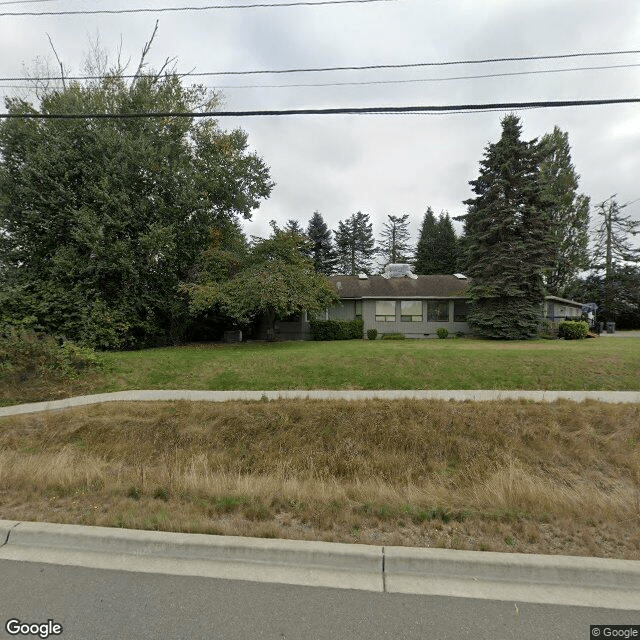
14619 Seattle Hill Rd., Bothell, WA 98012
To contact a resident: (425) 422-6978
For more information about senior living options: (866) 208-4318
Hillside AFH Costs & Pricing
Hillside Adult Family Home (AFH) presents a competitive pricing structure within the context of Snohomish County and the broader Washington state. At $6,000 per month for a private room, Hillside AFH is positioned above both the county average of $4,834 and the state average of $4,772. This premium may reflect the unique offerings and personalized care that Hillside provides, catering to residents seeking a higher level of comfort and support. While it stands at a higher cost compared to local and state figures, potential residents should consider the value of individualized care and an enhanced living environment that can significantly contribute to their overall well-being.
| Floor plans | Hillside AFH | Snohomish County | Washington |
|---|---|---|---|
| Private | $6,000 | $4,834 | $4,774 |
Senior living communities with a similar price nearby
-
from +$500 / mo

The Promised Land
$6,500 / month6.5 miles away -
About the same

Home Away From Home LLC
$6,000 to $7,000 / month6.5 miles away -
from +$400 / mo

The Park at Belle Harbour
$6,400 to $15,500 / month16.3 miles away -
About the same
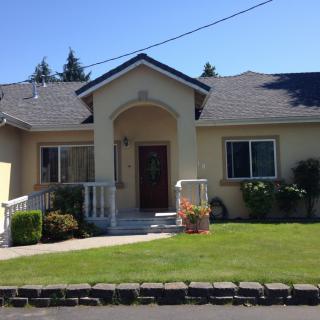
Elderly Home Care
$6,000 to $8,000 / month9.1 miles away -
from -$250 / mo

Fieldstone Rolling Bay and Fieldstone Memory Care
$5,750 to $8,895 / month20.6 miles away
Overall Review of Hillside AFH
Pros
 Koki, an LPN, and her husband Miku, a registered nurse, run the AFH with dependable, compassionate care.
- They are dependable, compassionate, and well-experienced care providers.
- The couple brings extensive nursing experience to resident care.
- Their professional dedication results in high-quality, thoughtful caregiving.
Review
Hillside AFH in Bothell is best suited for families seeking highly personalized, nurse-led care delivered in a small, home-like setting. The community is run by Koki, a licensed practical nurse, and her husband Miku, a registered nurse. This leadership duo provides direct medical oversight and hands-on attention, which is especially reassuring for residents with everyday health needs who benefit from predictable routines and close, relationship-driven care. The intimate, family-style environment allows staff to know residents well, involve families easily, and respond with a level of flexibility that larger facilities often struggle to match.
Those considering alternatives should note that Hillside AFH may not meet every family’s needs. If the aim is a broad slate of on-site amenities, a full calendar of social programming, or specialized services such as memory care, rehab, or a large-scale activity department, a larger assisted living community will typically deliver more robust options. Families guiding residents who thrive on extensive group activities, diversified programming, or more formal campus structure may want to weigh other facilities that offer those features.
Key advantages center on medical leadership and the personal touch. With Koki’s LPN background and Miku’s RN credentials at the helm, care plans are more likely to stay aligned with current medical guidance, medications are administered with daily oversight, and responses to health changes can be swift and well-coordinated. The dependable, compassionate reputation of the owners translates into consistent daily interactions, enabling residents to form tight, trusting relationships. In a home-like setting, meals, routines, and daily activities tend to bend toward resident preferences, making family involvement smoother and less administratively burdensome.
Yet, careful scrutiny reveals clear downsides inherent to the setup. The available public testimony comes from a single reviewer, which means there is limited independent validation of experiences. The small scale, while intimate, often means fewer formal programs, fewer on-site services beyond basic assistance, and potential limitations if medical needs escalate beyond what a home-based model can comfortably support. Prospective families should ask precise questions about staffing coverage, what happens during owner absence, and the scope of emergency support and equipment.
The strongest way the pros offset the cons lies in the practical reality of nursing-led oversight within a home environment. The ability to adjust care plans rapidly, monitor medications closely, and respond to health fluctuations without delays is a meaningful safeguard for residents with evolving needs. That direct medical presence reduces reliance on external agencies and can translate into smoother transitions when changes occur. However, the offset weakens if the resident’s trajectory requires highly specialized memory-care programming, extensive rehabilitation services, or a broader array of on-site therapeutic options that a single-family operation may not be designed to deliver.
In making a decision, Hillside AFH should be weighed by those who prize medical depth and a truly home-like ambiance over breadth of programming. It is less compelling for families chasing a robust activity calendar, a formal campus atmosphere, or specialized services beyond general assisted living. Prospective residents should schedule an in-person visit to observe how Koki and Miku interact with residents, confirm nurse coverage hours, understand medication management protocols, and discuss contingency plans for emergencies. With clear expectations and direct access to licensed nursing leadership, Hillside AFH can deliver dependable, compassionate care in a setting that feels intimately like home.
 Board and Care Home
 Dogs allowed
 Activities off-site
 Beautician on-site
 Devotional services off-site
 Indoor common areas
 Outdoor common areas
 Private
 Private bathrooms
 Respite or short term stays offered
 Wheelchair accessible showers
 Diabetic care
 High acuity care
 Incontinence care
 Medication management
 Kosher

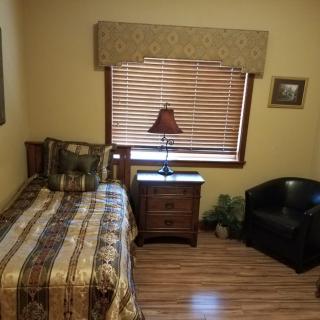
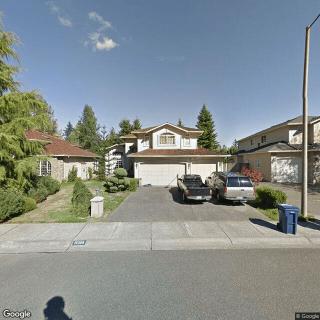
 Exploring the World of Home Health Nurses: Qualifications, Roles, and Hiring Tips
 Navigating Medicare Coverage for In-Home Care Services
 In-Home Care Costs in 2025: A Detailed State-by-State Exploration