
13617 48th Drive SE, Snohomish, WA 98296
To contact a resident: (425) 225-6180
For more information about senior living options: (866) 208-4318
Comfort Care AFH Costs & Pricing
At Comfort Care AFH, the monthly costs for various living arrangements reflect a premium in comparison to average rates within Snohomish County and the broader Washington state. For instance, a private room at Comfort Care AFH is priced at $7,000, significantly higher than the county's average of $4,834 and the state figure of $4,772. Similarly, studio accommodations are set at $7,500, well above Snohomish County's $4,443 and Washington's average of $4,126. The semi-private options are priced at $8,000 compared to local and state averages of $4,320 and $4,267 respectively. Even for a one-bedroom setup at Comfort Care AFH, the cost aligns with the highest tier at $8,000 versus county and state averages of $5,080 and $4,632 respectively. These figures suggest that while Comfort Care AFH offers exceptional care and amenities that may justify this investment for many families seeking quality assisted living services.
| Floor plans | Comfort Care AFH | Snohomish County | Washington |
|---|---|---|---|
| Private | $7,000 | $4,834 | $4,774 |
| Studio | $7,500 | $4,443 | $4,128 |
| Semi-Private | $8,000 | $4,320 | $4,272 |
| 1 Bedroom | $8,000 | $5,080 | $4,634 |
Memory care communities with a similar price nearby
-
from -$500 / mo
The Promised Land
$6,500 / month7.2 miles away -
from -$1000 / mo
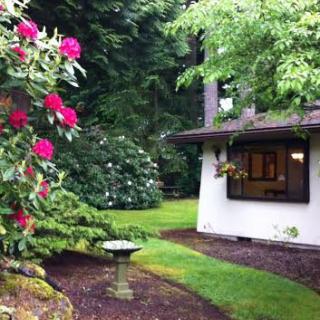
Home Away From Home LLC
$6,000 to $7,000 / month6.9 miles away -
from -$1000 / mo
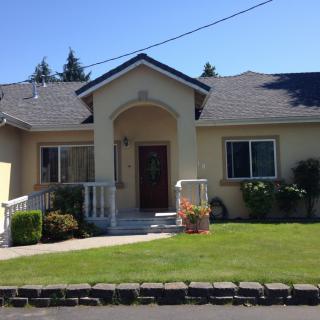
Elderly Home Care
$6,000 to $8,000 / month9.7 miles away -
from -$1250 / mo

Fieldstone Rolling Bay and Fieldstone Memory Care
$5,750 to $8,895 / month21.3 miles away -
from +$900 / mo
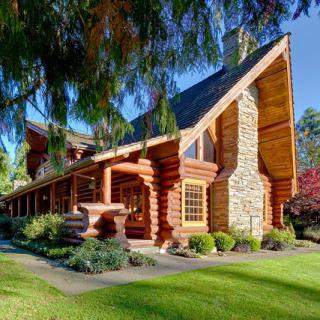
Caring Cabin Manager, LLC
$7,900 to $9,000 / month6.2 miles away
Overall Review of Comfort Care AFH
Pros
 The staff genuinely care about the residents.
- Comfort Care provides excellent services.
- The grandfather is happy with the staff and is in very safe hands.
- The home is described as the best adult family home in the state.
- The care for loved ones is thorough and attentive.
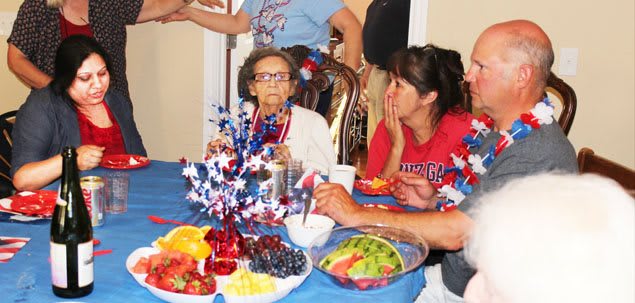
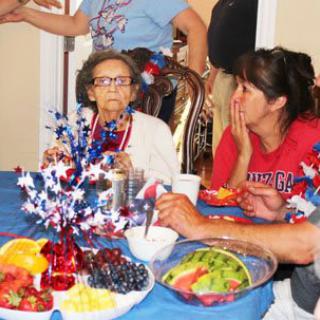
- The home is a beautiful place where residents enjoy activities.
- The meals are very good and made with fresh ingredients; the activities are engaging.
- The staff are thoughtful caregivers who leave families feeling confident in the care.
Cons
 They weren’t happy with their previous move.
- The reviewer found Comfort Care to be too clinical and too hospital-like, lacking the comfortable, homey feel they were seeking.
Review
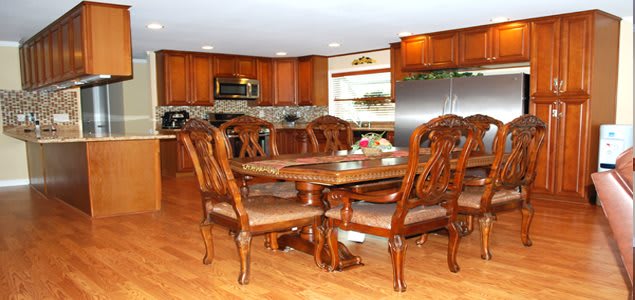
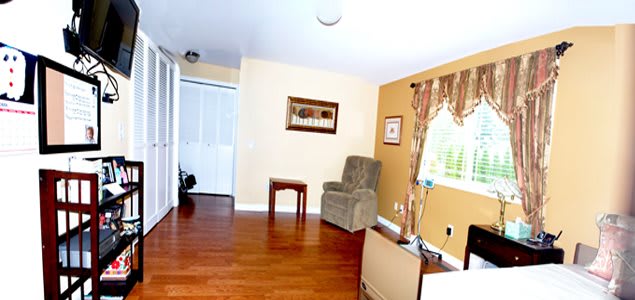
Comfort Care AFH in Snohomish is best suited for seniors who want a small, home-like, family-style living arrangement and for families prioritizing consistent, hands-on care from staff who know residents by name. The community earns its strong reputation from caregivers who genuinely engage with residents, clear attention to individual needs, and a quiet, safe environment. It appeals especially to families who value daily routines, fresh meals, and regular social activities embedded in a warm, intimate setting. For loved ones who thrive on personal contact, predictable schedules, and a sense of belonging rather than a clinical detour from home life, Comfort Care AFH is a natural fit. It shines where a smaller footprint and a heartfelt approach matter most.
Those who should consider alternatives are families seeking a more hospital-like atmosphere or higher levels of medical acuity. The lone cautionary tour note described the space as somewhat clinical and hospitalized, which may not suit residents who prioritize a very homey, cozy vibe. If a resident requires extensive on-site medical equipment, frequent skilled nursing services, or a more spacious, campus-style environment, a larger assisted living community or a skilled-nursing option may be a better match. In short, comfort and connection come first here, but medical intensity and scale are the trade-offs to consider.
On the upside, the core strengths drive meaningful outcomes. Families repeatedly highlight staff who care deeply about residents, ensuring safety and emotional well-being even when the family is two hours away. The home’s cleanliness and quiet atmosphere support restorative days, while fresh, well-prepared meals and engaging activities keep residents fulfilled and socially connected. The consistent, confident caregiving team translates into reliable daily life, medication management, mobility support, and tailored activities, without the impersonal feel that can accompany larger facilities. In practice, these positives tend to outweigh the occasional impression of clinical stiffness for residents who value warmth and personal attention over formality.
Several reviews underscore the emotional payoff: loved ones are happy with the care, and families express relief at the hands-on attention and the staff’s willingness to go the extra mile. The sense of trust is reinforced by stories of flexible tours, careful intake, and long-standing relationships between caregivers and residents. The sentiment that this is among the best adult family homes in the Snohomish area is not just marketing hype; it reflects consistent experiences of safety, flavorful meals, enriching activities, and staff who celebrate residents' daily joys. Even when distance complicates oversight, families feel connected and reassured by regular communication and visible dedication.
From a decision perspective, consider the practical realities of an AFH setting. The smaller scale means tighter staff-resident ratios and more personalized attention, which is a strength for daily care but may mean fewer on-site medical services than a larger campus. Prospective residents should verify what medical support is available, how medications are managed, and what emergency backup looks like after hours. Tour feedback suggests the environment can skew toward a homelike feel, so assess whether that aligns with the resident’s preferences, some may crave more privacy and formal space, others will relish the familiar, lifestyle-oriented rhythm. Finally, the distance to family matters; Comfort Care’s strengths are most valuable when consistent communication channels are in place.
In practical terms, Comfort Care AFH is a strong recommendation for families seeking an intimate, caring, community-driven living option in Snohomish. It delivers warmth, consistent caregiver engagement, good food, and robust activities that keep seniors engaged and safe. It may not be the right choice for those who require a more clinical setting or extensive medical infrastructure; for those residents, alternatives with larger medical teams may be preferable. The next step is a focused tour with specific questions about staff-to-resident ratios, medical oversight, and what happens when needs escalate. If the resident values daily human connection, predictable routines, and a truly home-like atmosphere, Comfort Care AFH stands out as a practical, dependable choice.
 Board and Care Home
 Memory Care
 Activities on-site
 Air-conditioning
 Beautician on-site
 Cable or satellite TV
 Devotional services off-site
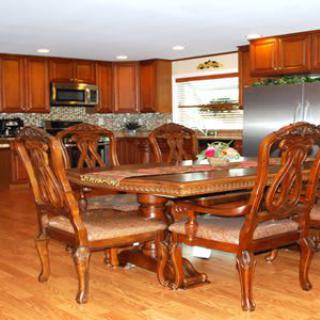
 Full kitchen
 Ground floor units
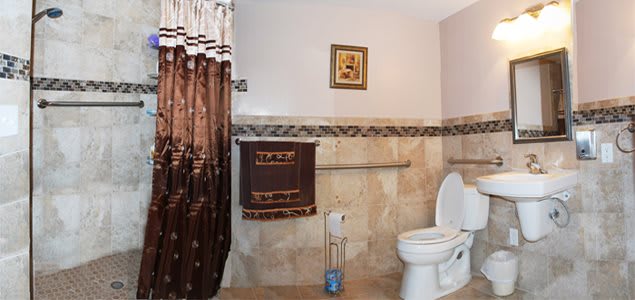
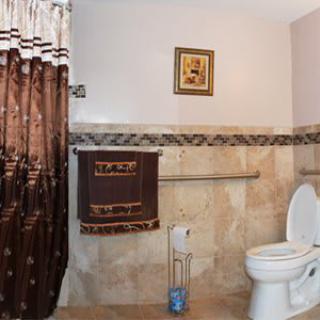
 Handicap accessible
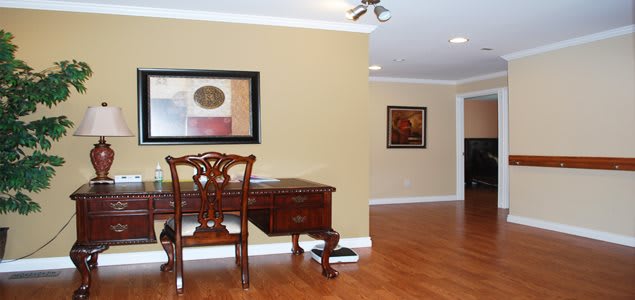
 Indoor common areas
 Outdoor common areas
 Private
 Private bathrooms
 Respite or short term stays offered
 Wheelchair accessible showers
 Wi-Fi/high-speed internet available
 Diabetic care
 High acuity care
 Incontinence care
 Medication management
 Anytime dining
 Art classes
 Catholic services
 Educational speakers / life long learning
 Jewish services
 Karaoke
 Live well programs
 Understanding Medicaid Coverage for Assisted Living: A Comprehensive Guide
 How and When Medicaid May Cover Assisted Living Costs
 A Detailed Exploration of Assisted Living Medicaid Waivers Across the United States